

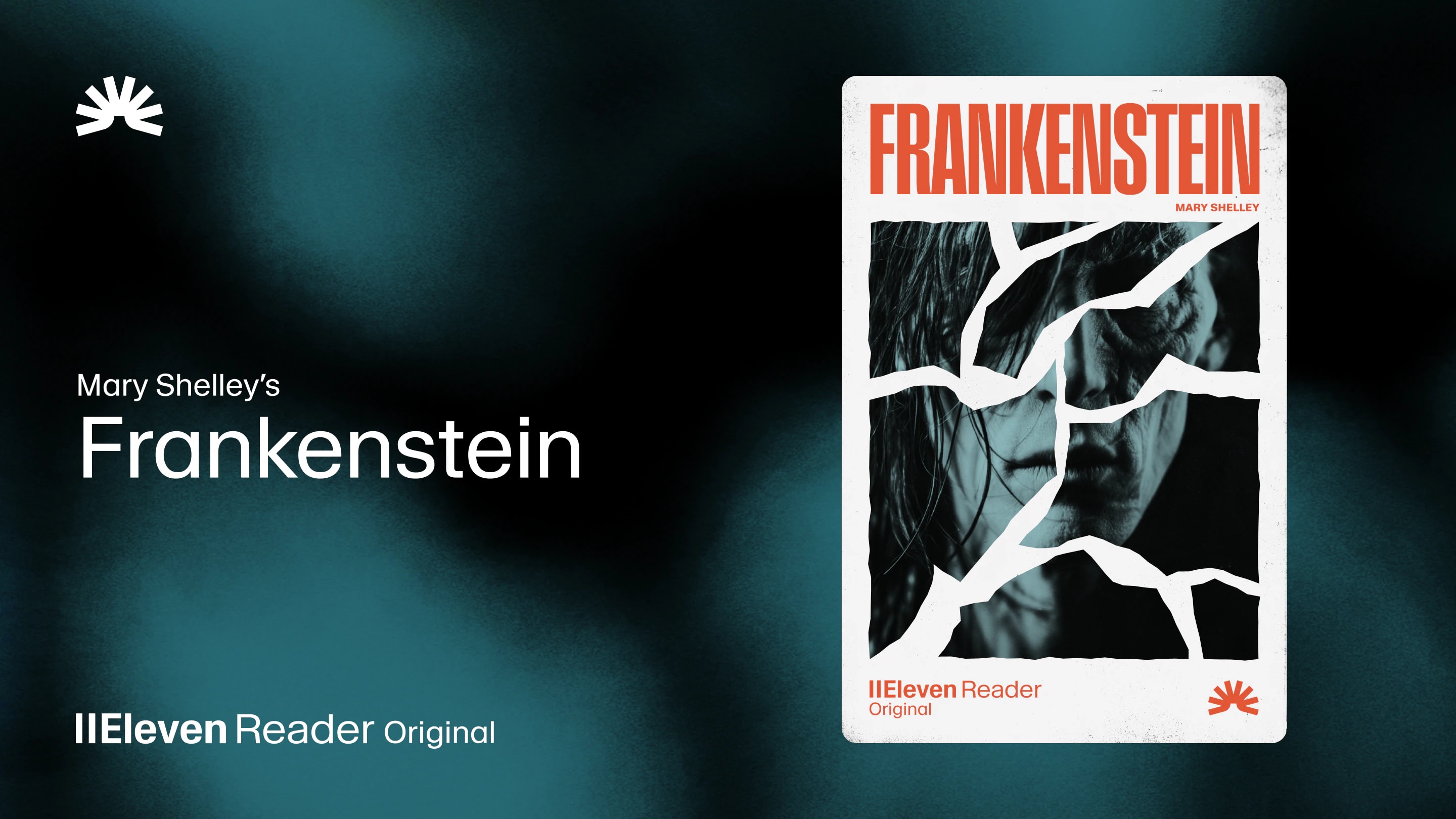
ElevenReader Brings Frankenstein to Life with a Full Cast and Original Score
Frankenstein, the first cinematic audiobook created with Eleven v4, is coming just in time for Halloween
Your first month. Just $1. Start listening for less this month.
Frustrated with NaturalReader? Let’s break down the top 3 NaturalReader alternatives for voice quality, features, and price.
By ElevenReader Team
Updated

NaturalReader is no stranger to the text-to-speech (TTS) world. It’s been around for over 20 years, and for many people, it was the very first TTS tool they ever tried.
However, times have changed.
With a Trustpilot score of just 1.7 out of 5, it’s clear that many users feel the platform hasn’t kept up with modern expectations. Complaints about glitches, robotic voices, and restrictive free plans are becoming harder and harder to ignore, and patience is wearing thin.
If this sounds familiar, you’ll be excited to learn that better NaturalReader alternatives exist. AI voice technology has improved dramatically in the past few years, and a new generation of TTS tools now deliver a much smoother performance with far fewer limitations.
Intrigued? Read on for our list of the top three NaturalReader alternatives worth checking out in 2026, plus practical tips for getting the most out of your TTS tool.
The search for a NaturalReader alternative often begins with a single, frustrating experience.
For many people, it’s the moment they realize the free plan is more restrictive than it first appeared. For others, it’s a critical bug that goes unfixed for weeks, derailing their workflow. A quick look at user reviews on platforms like Reddit and Trustpilot reveals a clear pattern of shared frustrations.
Here are the most common turning points.
At first glance, the free plan seems generous. But many users discover the restrictions after they’ve already integrated the tool into their tech stack.
Common complaints include:
What initially felt like a flexible and affordable tool soon begins to feel a bit restrictive, and even disruptive to your workflow.
One of the most common complaints centers on the software’s reliability and customer support. As one user on Reddit described their experience:
“My web app isn't showing the highlights right now so I can format them... I contacted them and they say they are working on it but no resolution or urgency. Every day they don't fix it I am falling further behind on school because I can't use my notes.”
Bugs happen, but ongoing instability is a red flag. If you can’t depend on your tool, it’s time to upgrade to one you can.
Another major issue is the voice quality and consistency.
While NaturalReader offers a range of voices, users often report that they often sound robotic or mispronounce words, and that the quality degrades significantly at higher speeds. This is a dealbreaker for anyone who needs to listen for long periods.
As another user on Reddit put it:
“The voices are really inconsistent with pronunciation, and sometimes ignore alterations made in the pronunciation editor.”
Finally, many users feel that the pricing is not justified by the quality of the product. With premium plans costing a significant amount per year (over $250 if paying monthly), users expect a polished, reliable experience. When the software fails to deliver, it leads to a sense of being ripped off, which only makes the other issues harder to tolerate.
So, what should we reasonably be able to expect from a NaturalReader alternative in 2026?
Here’s what we looked for when putting together this article:
A strong alternative should perform well across all of these areas and justify its pricing with consistent performance.
With these priorities in mind, here are the three NaturalReader alternatives that stand out.
ElevenReader earns the top spot on this list thanks to its premium, human-sounding voice quality.
Backed by the world-class AI research of ElevenLabs, ElevenReader’s voices are so lifelike that they’re often indistinguishable from human narration. Not “pretty good for AI” or “close enough.” We’re talking natural pacing, realistic intonation, and subtle emotional nuance that make long listening sessions genuinely enjoyable.
The free plan is another major win. You get 10 hours of listening per month, which is more than enough for most students, professionals, and casual readers. And unlike many competitors, the free version doesn’t feel intentionally restricted or loaded with aggressive upsells. You can actually use it comfortably without being bombarded with constant upgrade prompts or intrusive paywalls every other minute.
The Bottom Line: If you’re looking for a reliable, high-quality TTS tool, ElevenReader really does take the cake as one of the best NaturalReader alternatives.
Speechify’s standout feature is its optical character recognition (OCR) technology, which allows you to take a picture of a physical book or document and have it read out loud. This is a powerful tool for students and researchers who work with a mix of digital and physical materials.
However, it’s worth noting that the free version is extremely limited, with Speechify aggressively pushing users toward its annual subscription of $139/year. Plus, while some of the premium AI voices are quite good, many of the standard voices still have a noticeably robotic quality, particularly at higher speeds.
The Bottom Line: Speechify is a strong choice for students and researchers who need reliable OCR and TTS for both physical and digital materials. However, its best features do come at a steep annual cost and may not always be worth it for all users.
If you use NaturalReader for creating content, Murf.ai is another option worth considering, as it allows you to produce high-quality audio without the need for expensive recording equipment or voice actors. It also allows you to adjust pitch, speed, and emphasis, so you can create the perfect output for every project.
However, it’s worth noting that Murf.ai’s free plan is limited to just 10 minutes of voice generation and includes a watermark on all audio, which makes it unsuitable for personal listening. The paid plans also start at a relatively high $29 per month, which is a significant investment for individual users.
The Bottom Line: For content creators, Murf.ai can be a valuable tool, but for anyone looking for a personal reading assistant, it wouldn’t be a viable NaturalReader alternative.
Choosing the right NaturalReader alternative is only half the battle. The real magic happens in how you use it. Here are a few practical tips for making the most of your TTS tool.
Reading dense academic material for hours on end can be exhausting.
Using a TTS tool can help break up the monotony of assigned readings and make long study sessions a lot more manageable.
To get the best results:
Most importantly, accuracy matters. Frequent mispronunciations or awkward pauses can quickly become distracting, so always go with a TTS tool that has quality voices.
If your job involves constant reading, it can be difficult to set aside enough time to absorb all the information you need to stay informed and make good decisions.
Text-to-speech apps allow you to turn otherwise “dead” time (like commutes, workouts, or routine tasks into low-effort learning time) without adding more hours to your day.
For the best results:
When configured properly, TTS apps not only save you a ton of time, but they also help you stay sharp, reduce screen fatigue, and keep up with your workload without feeling constantly behind.
If accessibility is your top priority, you’ll already know that performance issues like skipped lines, formatting errors, or sudden crashes can wreak havoc on your daily routine.
To make sure your tool truly supports you (instead of slowing you down):
You deserve a tool that works as hard as you do, so it’s worth taking the time upfront to choose one that’s dependable, consistent, and actually built to be used in the real world.
If you’re listening while driving, working out, or knocking out chores, the voice from your TTS app must be clear and engaging, without demanding excessive concentration. This is the only way that it will actually hold your attention.
To improve your experience:
Even tiny adjustments in pacing and tone can significantly influence your ability to actually retain the information read to you.
After a thorough review, it’s clear that the best NaturalReader alternative depends on your specific needs.
And if you’re simply looking for a high-quality, reliable, and enjoyable text-to-speech experience, ElevenReader is the undeniable winner. Its voices are in a league of their own, and the free plan is generous if you’re on a budget.
For most people, ElevenReader offers the easiest way to upgrade your listening experience without overcomplicating things (or overspending).
ElevenReader is widely regarded as having the most realistic and natural-sounding text-to-speech voices available. Its advanced AI technology produces audio that’s often indistinguishable from human narration.
While most high-quality text-to-speech tools have some limitations on their free plans, ElevenReader offers a very generous 10 hours of free listening per month, which is more than enough for most users.
For users who prioritize voice quality and a clean, user-friendly experience, ElevenReader is a better choice than Speechify. While Speechify has its own unique features, its voices are not as realistic, and its free plan is far more restrictive.
Frankenstein, the first cinematic audiobook created with Eleven v4, is coming just in time for Halloween
How to read Google Docs aloud when the Audio option is missing, with built-in Google tools and ElevenReader.