About this audiobook
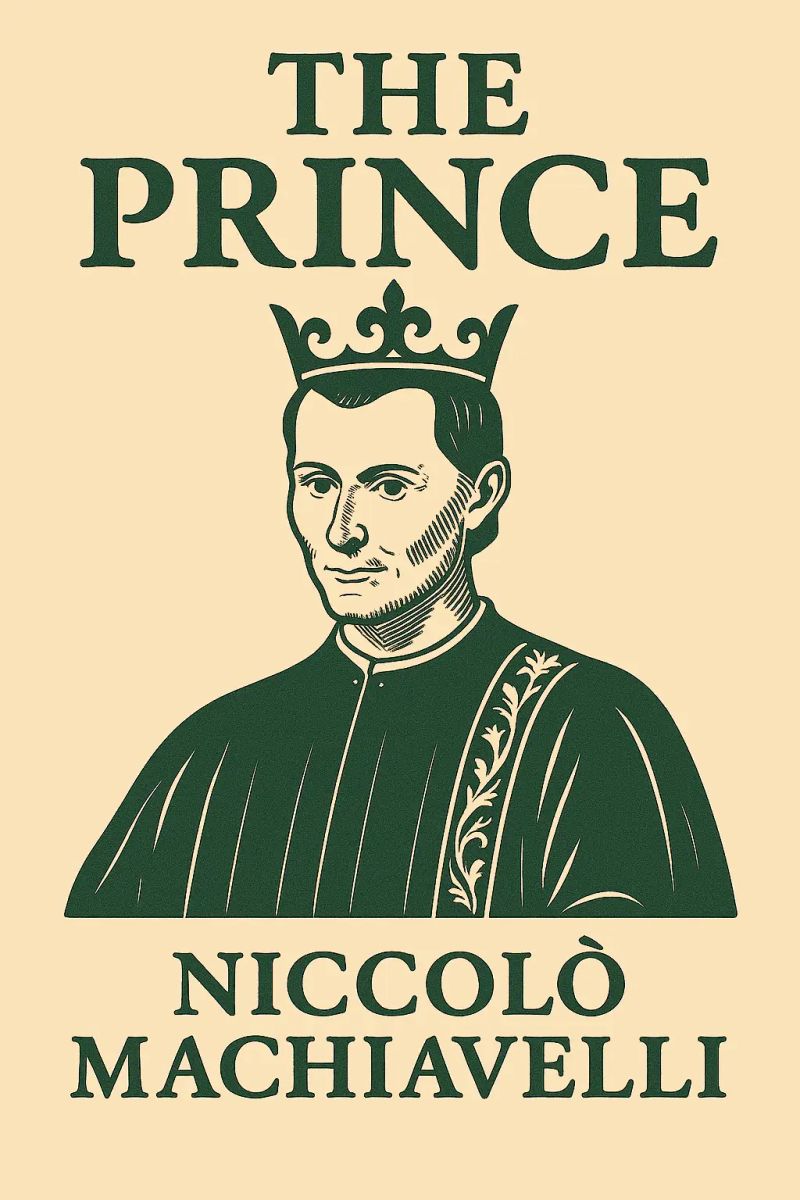
Niccolò Machiavelli wrote The Prince in 1513 during a time of political instability in the Italian city-states. Italy was fragmented into competing powers such as Florence, Venice, and the Papal States, all vulnerable to foreign intervention from France, Spain, and the Holy Roman Empire. Machiavelli, a Florentine diplomat and civil servant, had lost his position when the Medici family regained control of Florence. Exiled from political life and seeking to regain favor, he composed The Prince as a treatise on political leadership, drawing on his diplomatic experience and observations of rulers. Its concise, direct style broke with the idealism of earlier political philosophy, reflecting the turbulent realities of Renaissance politics.
The themes of The Prince include the nature of power, the relationship between morality and political necessity, and the skills and decisiveness required to maintain authority. Machiavelli’s pragmatic view—that rulers may need to act immorally for the stability and security of the state—was controversial, leading to his name becoming synonymous with political cunning. The work influenced political thought across Europe, shaping the development of modern political science and realist theory. While condemned by some as cynical, it was also admired by figures from Frederick the Great to Napoleon for its clear-eyed assessment of leadership. The Prince remains a seminal text in discussions of governance, ambition, and the exercise of power.