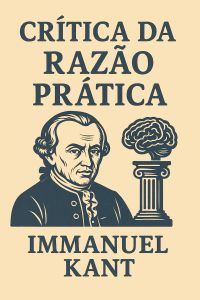
About this audiobook
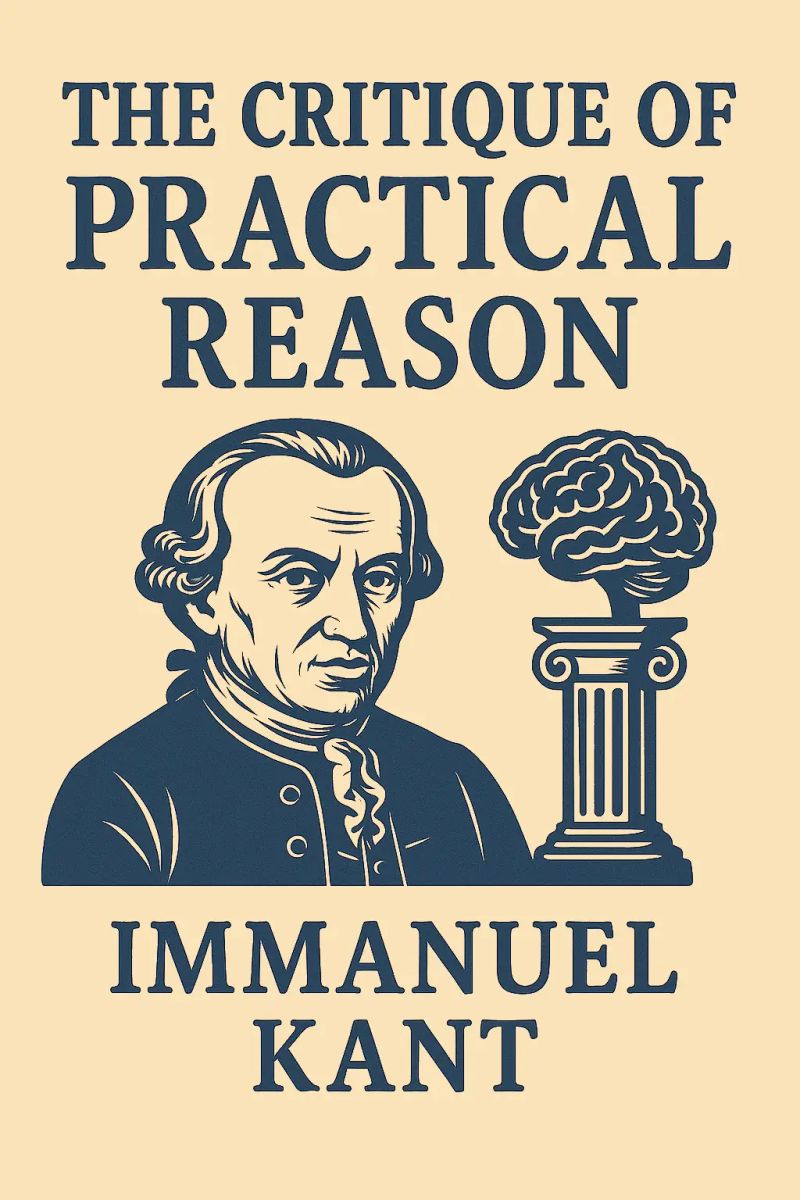
Published in 1788, The Critique of Practical Reason is the second of Immanuel Kant’s three major critiques, following The Critique of Pure Reason (1781) and preceding The Critique of Judgment (1790). Written during the height of the Enlightenment, the work develops and defends Kant’s moral philosophy, refining his ethical ideas in response to debates among his contemporaries. It emerged during a period of intense philosophical engagement in Europe, where questions of morality, freedom, and the foundations of human knowledge were central to intellectual life. Kant, then a professor in Königsberg, was already renowned for his rigorous method and his ambition to reconcile reason with moral law, aiming to establish a foundation for ethics that was independent of empirical contingencies.
The book’s central themes include the autonomy of the will, the categorical imperative, and the relationship between moral obligation and human freedom. It advances the idea that practical reason—reason concerned with action—provides the ultimate basis for moral principles, grounding them in rational necessity rather than experience or inclination. The Critique of Practical Reason became a cornerstone of deontological ethics and deeply influenced later thinkers such as Fichte, Hegel, and Schopenhauer, as well as modern discussions in moral and political philosophy. For Kant personally, it represented a deepening of his critical project, uniting his theoretical philosophy with a robust moral framework that has continued to shape ethical theory into the present.