
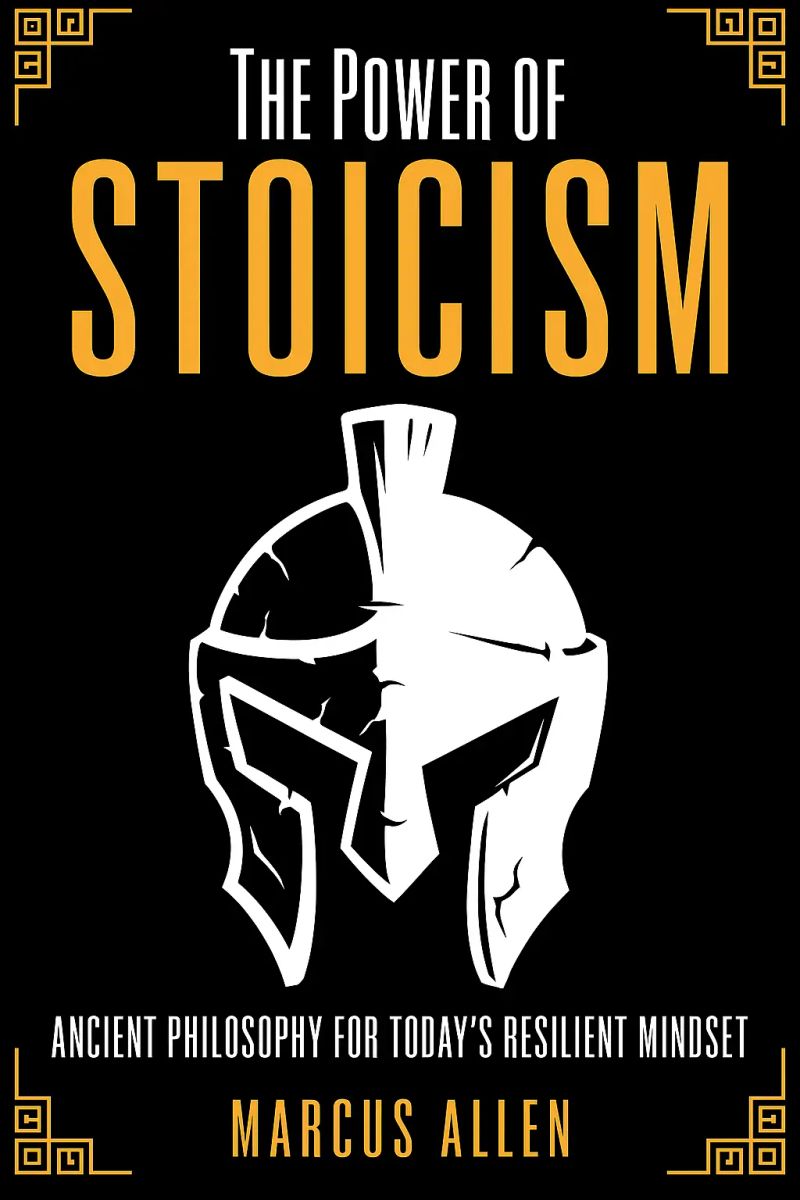
THE POWER OF STOICISM
ANCIENT PHILOSOPHY FOR TODAY’S RESILIENT MINDSETBy MARCUS ALLEN


Length2h 30m
About this audiobook
Do you want to build a resilient mindset that thrives under pressure? Discover how ancient Stoic philosophy can help you find balance, strength, and clarity in modern life. The Power of Stoicism reveals timeless lessons from Seneca, Epictetus, and Marcus Aurelius, showing how to face stress, uncertainty, and failure with calm and focus.
Inside, you’ll learn how to:
Apply Stoic principles to daily challenges.
Develop emotional resilience and mental clarity.
Build habits of discipline, gratitude, and acceptance.
Stay grounded when life feels chaotic.
Through simple teachings and real-life examples, this guide bridges ancient wisdom and today’s world—helping you cultivate strength, peace, and purpose.
Start your Stoic journey today. Embrace the mindset of resilience and live with greater control, clarity, and calm.
Audiobook details
Rating★★★★ 4.0 (1)
GenreSelf-Help, Philosophy
Length2 hrs 30 mins
Narrated byListen with 1,000+ voices
FormateBook with Audio
Publish dateOct 12, 2025
LanguageEnglish
Table of contents
1INTRO
2INTRODUCTION: Understanding Stoicism
3Chapter 1: The Foundations of Stoicism
4The Origins and History of Stoicism
5Core Principles of Stoicism
Show all chaptersShow less
6The Role of Logic and Ethics in Stoic Philosophy
7Chapter 2: The Dichotomy of Control
8Understanding What You Can Control
9Letting Go of What You Cannot Control
10Applying the Dichotomy in Daily Life
11Chapter 3: The Stoic Practice of Virtue
12The Four Cardinal Virtues
13Living a Virtuous Life
14Virtue as the Path to Happiness
15Chapter 4: Cultivating Resilience Through Stoicism
16The Stoic Approach to Adversity
17Building Mental Toughness
18Stoic Strategies for Coping with Modern Stressors
19Chapter 5: The Practice of Mindfulness in Stoicism
20Mindfulness and Present Awareness in Stoicism
21The Power of Reflection
22Combining Stoicism with Modern Mindfulness Practices
23Chapter 6: Embracing Impermanence and Mortality
24Memento Mori: Remembering Death
25The Acceptance of Death in Stoic Thought
26Embracing Impermanence and Mortality: Using Mortality to Live More Intentionally
27Chapter 7: The Stoic Approach to Emotions
28Understanding Stoic Emotional Regulation
29Overcoming Negative Emotions: A Stoic Perspective
30Balancing Emotion and Reason in Stoicism
31Chapter 8: Stoicism in Leadership and Decision-Making
32Stoic Principles for Effective Leadership
33Stoicism in Ethical Decision-Making
34Stoic Leaders and Ethical Decision-Making
35Case Studies of Stoic Leaders
36Chapter 9: Stoicism and Social Interaction
37Maintaining Equanimity in Relationships
38Stoic Compassion and Understanding
39Applying Stoicism in a Socially Connected World
40Chapter 10: Integrating Stoicism into Daily Life
41Daily Stoic Practices
42Creating a Personal Stoic Philosophy
43Living a Stoic Life in the Modern World
44Conclusion
45The Enduring Relevance of Stoicism
46Moving Forward with Stoicism
47Chapter 47
More from MARCUS ALLEN




Learning to PrayJames Martin13h 24m4.5 (3.4K)$33 · $0.00

You Are Worth ItKyle Carpenter, Don Yaeger8h 53m4.7 (4.8K)$29 · $0.00

The Happiest Man on EarthEddie Jaku3h 48m4.6 (178K)$7 · $0.00

Finding MeViola Davis9h 15m4.6 (256.4K)$29 · $0.00
Spiritual AnatomyDaaji Kamlesh D. Patel9h 47m4.7 (319)$29 · $0.00

The Dangerous Truth about Today’s MarijuanaLaura Stack CSP, MBA9h 57m4.7 (385)$20 · $0.00
The Gospel according to Spiritualism (Translated)Allan Kardec14h 39m4.6 (3.9K)$5.70 · $0.00

Birdie & HarlowTaylor Wolfe7h 50m4.6 (6.5K)$26 · $0.00

CrossroadsKaleb Dahlgren7h 56m4.6 (4.9K)$26 · $0.00

Life on the BridgeKaelynn Partlow5h 40m4.6 (1.1K)$24 · $0.00

Keep Your Love OnDanny Silk9h 4m4.6 (8.1K)$10 · $0.00
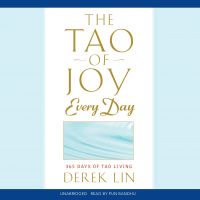
The Tao of Joy Every DayDerek Lin10h 24m4.6 (762)$20 · $0.00

UndividedVicky Beeching9h 2m4.6 (1.3K)$29 · $0.00

HE CAN WHO THINKS HE CAN & OTHER BOOKS ON SUCCESSOrison Swett Marden5h 54m4.6 (1.2K)$1.99 · $0.00
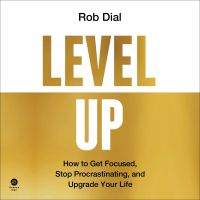
Level UpRob Dial7h 42m4.6 (3.3K)$26 · $0.00

Burn the HaystackJennie Young, PhD9h 30m4.6 (543)$29 · $0.00

ACRES OF DIAMONDS: Our Every-day Opportunities (Wisdom & Empowerment Series) (Annotated)Russell Conwell2h 26m4.6 (1K)$2 · $0.00

Good InsideBecky Kennedy9h 55m4.5 (59.3K)$29 · $0.00

The Lost VoiceGreta Morgan8h 30m4.7 (285)$26 · $0.00

Stripped DownBunnie Xo8h 25m4.5 (32.9K)$26 · $0.00
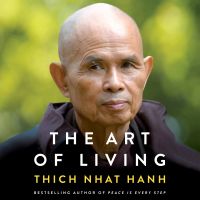
The Art of LivingThich Nhat Hanh5h 1m4.5 (14.2K)$24 · $0.00
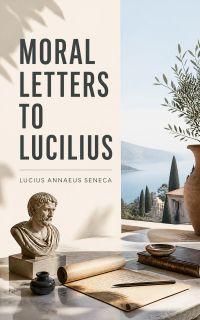
Moral Letters to LuciliusLucius Annaeus Seneca24h 26m4.5 (71.7K)$0.99 · $0.00

Lessons in TruthH. Emilie Cady3h 50m4.5 (2.4K)$20 · $0.00
Letters from a StoicSeneca6h 5m4.4 (80.4K)$6 · $0.00
The Discourses of EpictetusP. E. MATHESOM12h 47m4.4 (17.7K)$1.20 · $0.00

IlluminationsWalter Benjamin10h 12m4.4 (16.2K)$20 · $0.00

That Bird Has My WingsJarvis Jay Masters9h 49m4.4 (13.7K)$29 · $0.00

Tâo Teh KingLaozi2h 34m4.4 (230.9K)$2 · $0.00

SymposiumPlato3h 26m4.4 (97.9K)$1.20 · $0.00

Buddhist Boot CampTimber Hawkeye2h 39m4.4 (8.4K)$18 · $0.00
Enchiridion & The Discourses of Epictetus (Annotated)Arrian Epictetus18h 9m4.4 (3.5K)$2 · $0.00

The Meditations of the Emperor Marcus Aurelius AntoninusEmperor of Rome Marcus Aurelius5h 41m4.4 (1.8M)$1 · $0.00

Crime and PunishmentFyodor Dostoevsky23h 11m4.4 (1.3M)$12 · $0.00

MeditationsMarcus Aurelius5h 52m4.4 (433.7K)$1 · $0.00
Everyday DharmaSuneel Gupta5h 2m4.5 (761)$20 · $0.00

The Joyful Wisdom ("La Gaya Scienza")Friedrich Wilhelm Nietzsche11h 37m4.4 (26.6K)$1 · $0.00
The Art of LivingEpictetus, Sharon Lebell3h 16m4.4 (50.1K)$18 · $0.00
MeditationsEmperor Of Rome Marcus Aurelius7h 23m4.3 (477.5K)$1.20 · $0.00

The Imitation of ChristThomas à Kempis6h 27m4.3 (84.6K)$21 · $0.00

Sadhana: the realisation of lifeRabindranath Tagore3h 49m4.4 (8.6K)$6 · $0.00
You may also like

Hatha YogaWilliam Walker6h 56m4.1 (599)$3.50 · $0.00

Younger for LifeAnthony Youn8h 7m4.2 (718)$26 · $0.00

Change Your Schedule, Change Your LifeSuhas Kshirsagar, Michelle D. Seaton7h 49m4.2 (5.5K)$26 · $0.00

NjutaNiki Brantmark4h 38m4.0 (1.2K)$20 · $0.00

The Private Papers of Henry RyecroftGeorge Gissing6h 20m4.0 (2.3K)$2.30 · $0.00
A Handbook for New StoicsMassimo Pigliucci, Gregory Lopez10h 45m4.2 (2.6K)$23

Hatha Yoga (translated)William Walker Atkinson6h 56m4.2 (1.7K)$4.70 · $0.00
How to SeeThich Nhat Hanh1h 27m4.4 (2.5K)$10 · $0.00

DialoguesSeneca22h 48m4.4 (2.1K)$0.60 · $0.00

Let Your Life SpeakParker J. Palmer2h 57m4.3 (17.4K)$12

Accept Criticism - Hypnosis and Guided MeditationJohn Flatcher14m$4 · $0.00

Spiritual PortalsNora D’Ecclesis2h 49m4.4 (57)$15 · $0.00

I Am SauchaWalter Berger11m$2 · $0.00

Stoicism: The Ultimate Guide of Stoicism to Make Your Everyday Modern Life Calm (A Practical and Soulful Guide to Inner Peace and Emotional Clarity for Navigating Today’s Challenges With Stoic Wisdom)Michael Torres1h 37m$3.50 · $0.00

Essences Of The SoulRachel Ward/ Virginia Santos6h 4m$9 · $0.00

Keeping Fit (Unabridged) (Annotated)Orison Swett Marden8h 45m3.6 (10)$2 · $0.00
Sales Success for the RookieSteve Lentini3h 49m5.0 (41)$15
Holistic Fitness: A Practical Plan to Achieve Spiritual Growth (A Beginner's Guide to Timeless Home Remedies & Simple Solutions for Natural Wellness)Mason g, James Gerhardt3h 2m$13 · $0.00

As a Matter of CourseAnnie Payson Call2h 33m3.5 (11)$2 · $0.00

Ayurvedic Diet for Weight LossAnand Gupta35m$10 · $0.00