
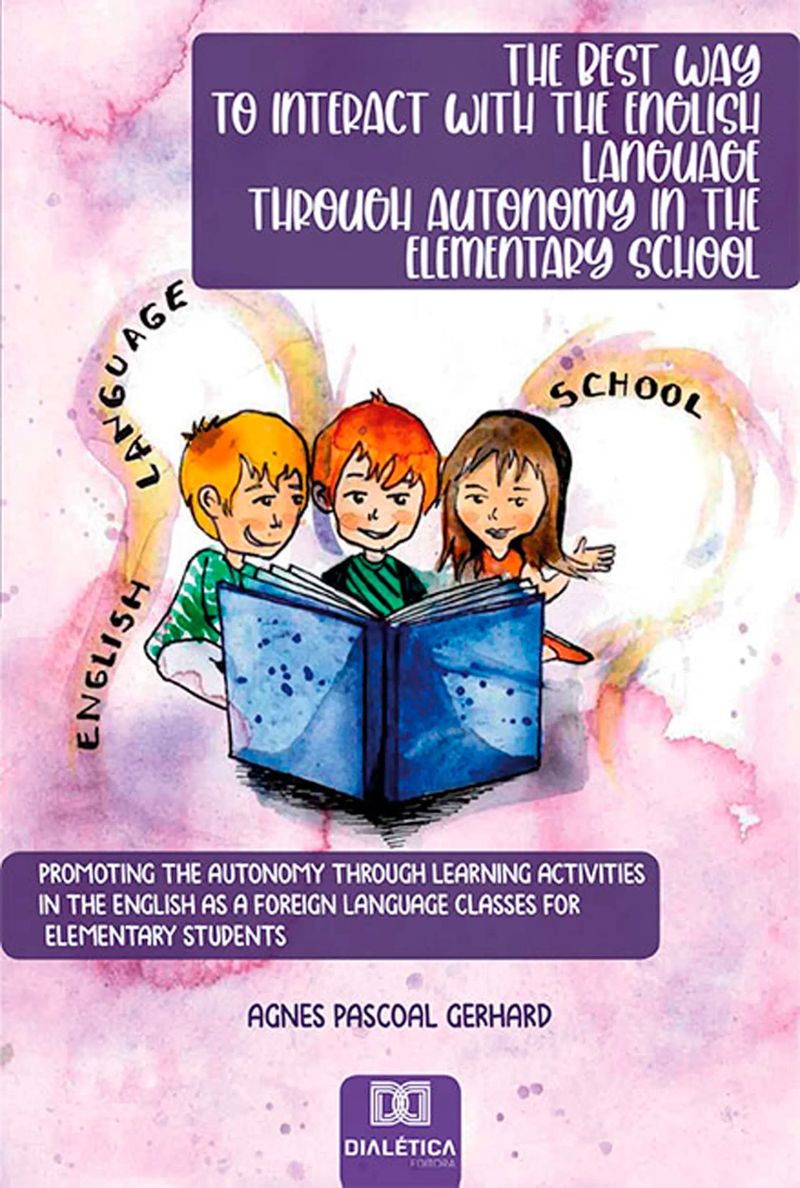
The best way to interact with the english language through autonomy in the elementary school
promoting the autonomy through learning activities in the english as a foreign language classes for elementary studentsBy Agnes Pascoal Gerhard


Length2h 32m
About this audiobook
Este livro traz reflexões, oportunidades, percepções e caminhos de como se pode trabalhar com o conceito da autonomia através da Língua Inglesa no Ensino Fundamental. Focando nas habilidades cognitivas, socioemocionais e crenças dos alunos, professores de inglês se aprofundarão em novas perspectivas de estratégias de aprendizagem, podendo abranger um canal de autoconfiança e autoestima entre professores e alunos no processo de ensino-aprendizagem da Língua Inglesa.
Audiobook details
GenreEducation and Learning
Length2 hrs 32 mins
Narrated byListen with 1,000+ voices
FormateBook with Audio
Publish dateAug 5, 2021
LanguagePortuguese
Table of contents
1Introduction
21. INTRODUCTION
31.1. THE INTEREST FOR THE THEME AUTONOMY
41.2. THE USE OF LEARNING ACTIVITIES TO PROMOTE THE AUTONOMY
51.3. THE AUTONOMY IN THE SCHOOL ENVIRONMENT
Show all chaptersShow less
62. OBJECTIVES
73. THEORETICAL BACKGROUND
83.1. THE LEARNER AUTONOMY
93.2. USING AUTHENTIC MATERIALS TO TEACH AND PRODUCE ACTIVITIES IN THE ENGLISH LANGUAGE.
103.3. ENGAGEMENT AND MOTIVATION IN THE PROCESS OF THE LEARNERS’ AUTONOMY
113.4. LEARNING ENGLISH AS A FOREIGN LANGUAGE IN THE CONTEXT OF PUBLIC SCHOOL IN BRAZIL
123.5. COOPERATIVE LANGUAGE LEARNING: 3.5.1. LEARNING ACTIVITIES AS A PEDAGOGICAL TOOL IN THE ENGLISH CLASSES.
134. METHODOLOGY
144.1 THE QUALITATIVE APPROACH
154.1.1. THE INTERPRETATIVE VIEW IN THE QUALITATIVE RESEARCH
164.1.2. THE QUANTITATIVE APPROACH
174.2. RESEARCH TOOLS
184.2.1. THE QUESTIONNAIRES
194.2.2. CLASSROOM OBSERVATION
204.3. DATA COLLECTION
214.4. THE CONTEXT
224.5. LEARNING ACTIVITIES INVOLVED IN THE RESEARCH
234.6. CLOSE-ENDED AND OPEN-ENDED QUESTIONNAIRES
244.6.1 REFLECTING STUDENTS’ ISSUES.
254.6.1.1. ANALYZING THE RESULTS IN THE CLOSE-ENDED QUESTIONNAIRE
264.6.1.2. GRAPHICS TO ASSOCIATE BOTH AND 9TH AND 8TH GROUPS’ ANSWERS
274.6.1.3. REFLECTING ABOUT THE STUDENTS’ BELIEFS IN THE CLOSE-ENDED QUESTIONNAIRE.
284.6.1.4. ANALYZING SOME RESULTS IN THE OPEN – ENDED QUESTIONNAIRE ABOUT THE STUDENTS’ OPINIONS ACCORDING TO THE 9TH AND 8TH GROUPS.
294.6.1.5. REFLECTING ABOUT THE STUDENTS’ POINTS OF VIEW IN THE OPEN-ENDED QUESTIONNAIRE.
305. CONCLUSION
316. BIBLIOGRAPHY
32APPENDIX
As Obras De PlatãoPlatão3h 57m4.7 (1.3K)$6 · $0.00
Árvore e folhaJ.R.R. Tolkien4h 59m4.3 (6.3K)$12 · $0.00

Ética, Espiritualidade E CidadaniaAri Antônio Da Silva7h 40m$10 · $0.00

Homo Sapiens Teknelogo - A Superficial Condição HumanaAna Paula Pinho9h 43m$17 · $0.00
O Homem EternoAlexandre Marcondes3h 10m4.8 (3.9K)$5 · $0.00
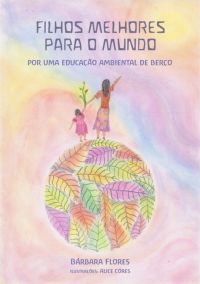
Filhos Melhores Para O MundoBárbara Flores5h 30m4.8 (1.1K)$7 · $0.00

Seja YounikTiago Bruneto2h 32m4.7 (3.7K)$6 · $0.00

O Livro Dos Mártires IlustradoJohn Foxe11h 52m4.6 (5.1K)$5 · $0.00
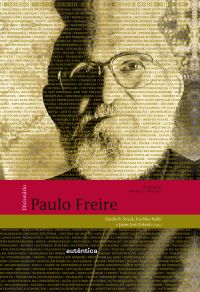
Dicionário Paulo FreireUnknown Author26h 51m4.6 (1.4K)$10.99 · $0.00
As Obras De PlatãoPlatão3h 48m4.6 (682)$6 · $0.00
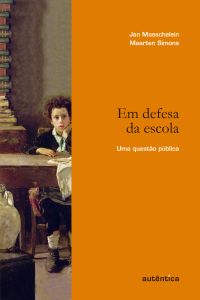
Em defesa da escolaJan Masschelein, Maarten Simons5h 26m4.6 (726)$10 · $0.00
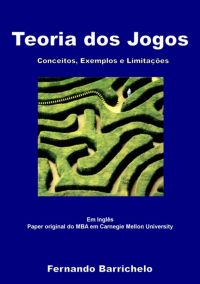
Teoria Dos JogosFernando Barrichelo2h 21m4.5 (543)$5 · $0.00

O homem e seus símbolosCarl G. Jung, Joseph L. Henderson, M.-L. von Franz, Aniela Jaffé, Jolande Jacobi, John Freeman14h 50m4.4 (156.9K)$14 · $0.00
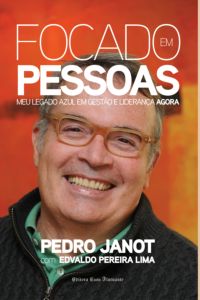
Focado Em PessoasPedro Janot6h 48m4.4 (1.8K)$7 · $0.00

Gramática da fantasiaGianni Rodari6h 59m4.4 (3.2K)$9 · $0.00
Avaliação MediadoraJussara Hoffmann4h 43m4.4 (2.7K)$9 · $0.00

Faça-os ler!Michel Desmurget12h 5m4.5 (321)$11.99 · $0.00
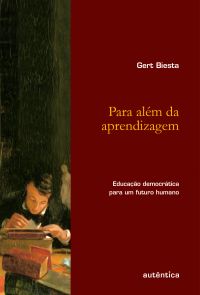
Para além da aprendizagem - Educação democrática para um futuro humanoGert Biesta5h 57m4.5 (278)$9 · $0.00
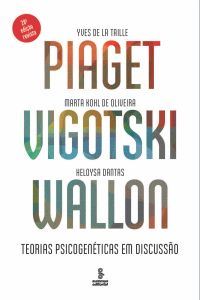
Piaget, Vigotski, WallonYves de La Taille, Marta Kohl de Oliveira, Heloysa Dantas5h 10m4.3 (3.4K)$8 · $0.00
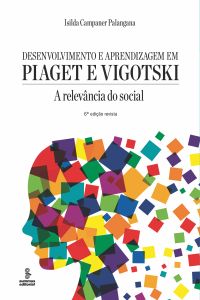
Desenvolvimento e aprendizagem em Piaget e VigotskiIsilda Campaner Palangana6h 7m4.4 (513)$8 · $0.00
You may also like
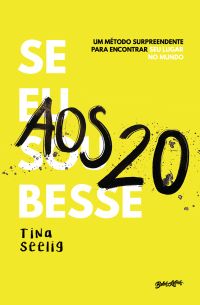
Se eu soubesse aos 20Tina Seelig6h 35m4.0 (4.3K)$10 · $0.00

Este livro é gayJames Dawson6h 24m4.2 (32.4K)$8 · $0.00
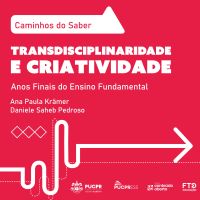
Coleção Caminhos do Saber - Transdisciplinaridade e CriatividadeAna Paula Krämer, Daniele Saheb Pedroso51m$0.00 · $0.00
Educação Para A VidaTatiana Barbosa Da Silva7h 51m$6 · $0.00
História E Filosofia Da Ciência Na Sala De AulaBoniek Venceslau Da Cruz Silva55m$5 · $0.00
O Espectro TransformadorNayara de Almeida Fernandes4h 36m$13 · $0.00
Hermenêutica e formação (Bildung)Rui Guilherme Mangas de Souza2h 46m$12 · $0.00

Contra A MaréClaudia De Marchi3h 36m$6 · $0.00
Filosofia e seu ensinoLindoaldo Campos11h 53m$11 · $0.00
O Adolescente Surdo e suas Relações Interpessoais e Afetivas no Contexto EscolarDaniela Lúcia Salazar2h 30m$10 · $0.00
O Mestre EmancipadorALEXON SILVA TAVARES2h 41m$10 · $0.00

Educação socioemocional, orientação profissional e mediação escolarRicardo Moura Sales14h 28m$10 · $0.00
Alfabetização - Uma perspectiva humanista e progressistaStefânie Arca Garrido Loureiro10h 59m$9 · $0.00

E o coração vence o cérebro mais uma vezFábio Campos Coelho3h 5m$5 · $0.00
Neuropsicopedagogia AplicadaValdira Abreu Magalhães Nina Lee De Sá7h 43m$13 · $0.00
A formação do leitor literário juvenilSandra de Melo Silva2h 48m$15 · $0.00
Ciências Sociais na InfânciaBruna Ribeiro de Oliveira Mendes3h 53m$12 · $0.00
Guia De Carreira Para AdolescentesWilliam Foguel13m$7 · $0.00
Oficina Filosófica Para O Ensino FundamentalEugenia Gomes3h 50m$5 · $0.00
O Espectro TransformadorNayara de Almeida Fernandes5h 25m$17 · $0.00