
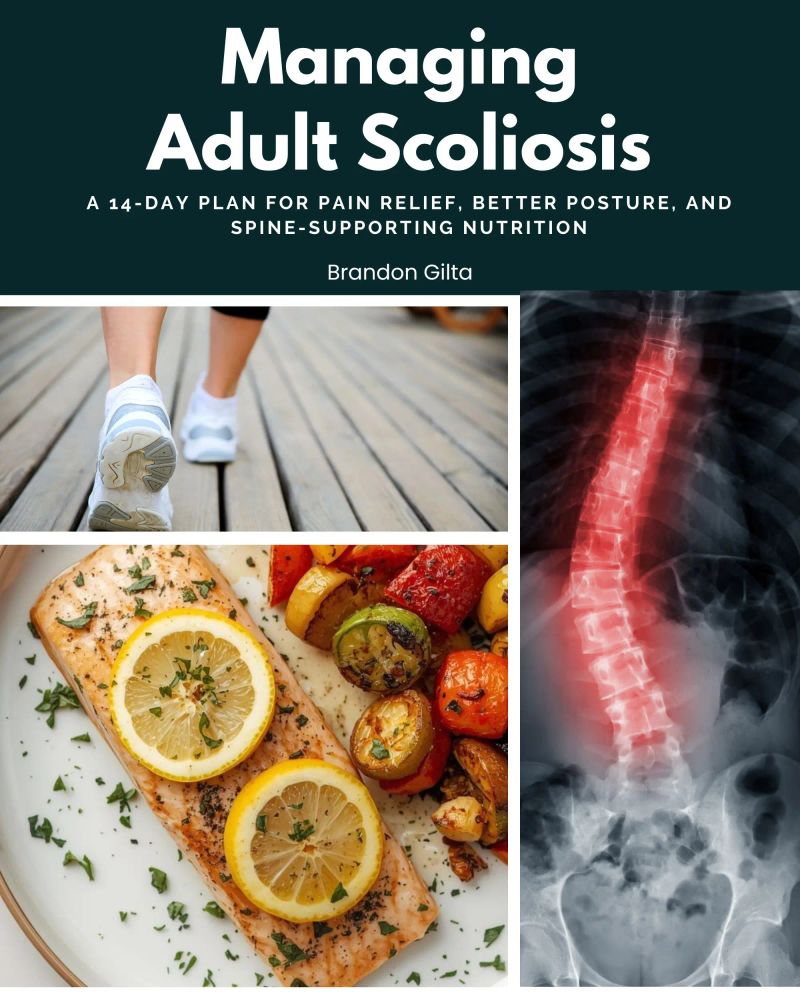
Managing Adult Scoliosis
A 14-Day Plan for Pain Relief, Better Posture, and Spine-Supporting NutritionBy Jeffrey Winzant


Length1h 59m
About this audiobook
Scoliosis is often associated with teenagers, yet many adults also live with spinal curves that affect posture, mobility, and daily comfort. In adults, scoliosis refers to an abnormal sideways curvature of the spine that either began in adolescence and progressed later in life or developed for the first time due to degenerative changes in the spine.
Although the definition may sound straightforward, scoliosis is highly individual. Two people with the same curve angle can experience very different levels of pain, stiffness, or limitation in daily activities.
Living with scoliosis as an adult can influence far more than spinal alignment. It may affect energy levels, walking endurance, balance, and confidence in movement. Some adults discover a curve incidentally through imaging for another concern, while others have long been aware of a diagnosis that changes with age. Understanding scoliosis in adulthood is important because curve progression, spinal degeneration, and related complications often look different than in adolescence.
Prevalence estimates vary, but research suggests that some degree of scoliosis may be present in up to one-third of adults over age 60. Not all of these cases require treatment. For some, scoliosis remains stable and manageable with exercise, ergonomic adjustments, and occasional medical follow-up. For others, symptoms such as back pain, nerve irritation, or reduced lung function may emerge, requiring closer monitoring and, in some cases, advanced interventions.
This guide is designed to provide adults living with scoliosis—and their families—with a comprehensive, evidence-based overview of what scoliosis is, how it develops, and how it can be managed at different stages of life. You will find practical sections on:
Curve types and progression risks
How scoliosis is diagnosed and monitored
Treatment options ranging from conservative strategies to surgical approaches
Safe exercises and movement therapy
Daily living adjustments and ergonomics
Nutrition and lifestyle factors that may support spine and muscle health
Complementary therapies and what the evidence says about them
Personal planning tools and patient stories for realistic insight
This is not a manual for curing scoliosis. No treatment currently “reverses” spinal curvature in adults. Instead, management focuses on reducing symptoms, supporting function, and maintaining quality of life. Each chapter emphasizes safe, practical approaches backed by clinical consensus and research, while also noting where evidence is still emerging.
Equally important, this guide acknowledges the human side of scoliosis. Beyond X-rays and angles, scoliosis shapes how people feel about their bodies, their independence, and their confidence in daily life. Strategies for self-management, emotional resilience, and realistic decision-making are woven throughout the content.
Audiobook details
GenreHealth and Wellness, Self-Help
Length1 hr 59 mins
Narrated byListen with 1,000+ voices
FormateBook with Audio
Publish dateNov 30, 2025
LanguageEnglish
Table of contents
1Disclaimer
2Understanding Adult Scoliosis
3AIS vs. Degenerative (ADS) Scoliosis
4How and Why Curves Develop in Adults
5Curve Types in Adults
Show all chaptersShow less
6Symptoms, Complications, and Progression Risks
7Diagnosis & Monitoring of Adult Scoliosis
8Clinical Assessments
9Imaging Tools
10When to Monitor vs. Escalate
11Red Flags
12Practical Considerations for Adults
13Treatment Options: Conservative to Surgical
14Observation, Bracing, and Physical Therapy
15Injections and Interventional Pain Management
16Surgical Approaches
17How to Choose: Pain vs. Curve Progression vs. Function
18Exercise & Movement Therapy
19Safe Exercises by Scoliosis Subtype
20Sample Routines: Core Strength, Posture, and Mobility
21Schroth Method Overview
22Movements to Avoid
23Practical Tips for Success
24Daily Living & Ergonomics
25Sitting, Sleeping, and Workstation Ergonomics
26Braces, Pillows, and Assistive Tools
27Energy Pacing and Fatigue Management
28Travel and Movement Hacks
29Putting It Together
30Diet & Nutrition for Spine Health
31Nutrients that Support Bone and Muscle Function
32Evidence-Based Anti-Inflammatory Diet Patterns
33When to Test for Deficiencies
34Supplement Guidance with Medical Caveats
35Foods to Prioritize & Limit
36Whole Foods vs. Processed
37Myths vs. Evidence
38Personalized Modifications Based on Symptoms
39Practical Takeaways
40Complementary & Integrative Therapies
41Expanding the Care Toolkit
42Acupuncture
43Massage Therapy
44Chiropractic Care
45How to Vet Providers
46Safety Considerations by Age and Comorbidity
47Comparison Chart: Complementary Therapies in Adult Scoliosis
48Integrating Therapies into a Management Plan
49Personal Management Plan
50Why Tracking Matters

The Gout Flare Food PlanJeffrey Winzant2h 2m$5.50

Psoriatic Arthritis Diet GuideJeffrey Winzant2h 3m$5.50

Post-Polio FatigueJeffrey Winzant2h 11m$5.50
Copy of Low Fiber Low Residue DietJeffrey Winzant1h 53m$5.50

Sinusitis Diet GuideJeffrey Winzant2h 4m$5.50

Epstein Barr VirusJeffrey Winzant1h 34m$5.50
EBV & Autoimmune DiseaseJeffrey Winzant1h 36m$5.50

Epstein-Barr VirusJeffrey Winzant1h 31m$5.50

The Mitochondria Diet CookbookJeffrey Winzant1h 37m$5.50

COPD DietJeffrey Winzant48m$5.50

Quantum Healing HypnosisJeffrey Winzant1h 35m$5.50

Seasonal AllergiesJeffrey Winzant44m$5.50
Mitochondria DietJeffrey Winzant1h 32m4.1 (43)$5.50

Fatty Liver SolutionJeffrey Winzant43m$5.50

Alzheimer's Prevention DietJeffrey Winzant48m$5.50

Ménière's DiseaseJeffrey Winzant40m$5.50

MTHFR DietJeffrey Winzant1h 10m$5.50

Heavy Metal DetoxJeffrey Winzant1h 18m$5.50

Hypoglycemia DietJeffrey Winzant45m$5.50
Hour of the HeartIrvin D. Yalom, Benjamin Yalom8h 19m4.6 (2.3K)$26 · $0.00

The Yoga Sutras of PatanjaliPatanjali4h 8m4.5 (18.5K)$6 · $0.00
The Lost VoiceGreta Morgan8h 30m4.7 (285)$26 · $0.00

Healthy Kids, Happy KidsElisa Song14h 18m4.6 (760)$33 · $0.00
Eat It!Jordan Syatt, Michael Vacanti4h 40m4.6 (1.5K)$20 · $0.00

Consent Laid BareChanel Contos7h 11m4.5 (1.7K)$24 · $0.00
How to Make Disease DisappearRangan Chatterjee5h 26m4.5 (3.5K)$24 · $0.00

The Complete Herbal (Annotated)Nicholas Culpeper29h 8m4.5 (1.4K)$2 · $0.00

A Plague Upon Our HouseScott W. Atlas MD10h 37m4.5 (3.4K)$20 · $0.00

The Cancer CodeDr. Jason Fung10h 48m4.5 (5.3K)$29 · $0.00

The Gift of TherapyIrvin Yalom7h 39m4.5 (38.8K)$26 · $0.00

EarlySarah DiGregorio9h 47m4.5 (1.3K)$29 · $0.00
Bottle of LiesKatherine Eban14h 25m4.4 (12K)$33 · $0.00
The 36-Hour DayNancy L. Mace, Peter V. Rabins17h 13m4.4 (9.2K)$28 · $0.00

FlooredSara Reardon10h 36m4.5 (1K)$29 · $0.00
Radical RemissionKelly A. Turner9h 26m4.4 (8.1K)$29 · $0.00
The Sinatra SolutionStephen T. Sinatra MD9h4.5 (899)$20 · $0.00
The Songaminute ManSimon McDermott6h 12m4.5 (280)$24 · $0.00
Sometimes BrilliantLarry Brilliant12h 27m4.5 (954)$29 · $0.00

Live Your LifeAmanda Kloots, Anna Kloots10h 54m4.4 (13.7K)$29 · $0.00
Learning to PrayJames Martin13h 24m4.5 (3.4K)$33 · $0.00
Swayam Ki AwaazPrem Rawat8h 34m4.7 (1.1K)$26 · $0.00
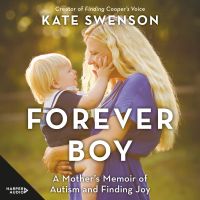
Forever BoyKate Swenson9h 27m4.7 (5K)$29 · $0.00

You Are Worth ItKyle Carpenter, Don Yaeger8h 53m4.7 (4.8K)$29 · $0.00

The Happiest Man on EarthEddie Jaku3h 48m4.6 (178K)$7 · $0.00

Finding MeViola Davis9h 15m4.6 (256.4K)$29 · $0.00

Spiritual AnatomyDaaji Kamlesh D. Patel9h 47m4.7 (319)$29 · $0.00

The Dangerous Truth about Today’s MarijuanaLaura Stack CSP, MBA9h 57m4.7 (384)$20 · $0.00

Birdie & HarlowTaylor Wolfe7h 50m4.6 (6.5K)$26 · $0.00
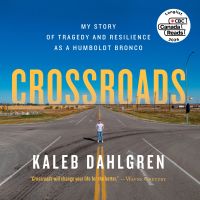
CrossroadsKaleb Dahlgren7h 56m4.6 (4.9K)$26 · $0.00

Life on the BridgeKaelynn Partlow5h 40m4.6 (1.1K)$24 · $0.00

Keep Your Love OnDanny Silk9h 4m4.6 (8.1K)$10 · $0.00
The Tao of Joy Every DayDerek Lin10h 24m4.6 (762)$20 · $0.00
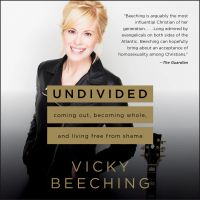
UndividedVicky Beeching9h 2m4.6 (1.3K)$29 · $0.00
Level UpRob Dial7h 42m4.6 (3.3K)$26 · $0.00
Burn the HaystackJennie Young, PhD9h 30m4.6 (543)$29 · $0.00

ACRES OF DIAMONDS: Our Every-day Opportunities (Wisdom & Empowerment Series) (Annotated)Russell Conwell2h 26m4.6 (1K)$2 · $0.00

Good InsideBecky Kennedy9h 55m4.5 (59.3K)$29 · $0.00
The Lost VoiceGreta Morgan8h 30m4.7 (285)$26 · $0.00

Stripped DownBunnie Xo8h 25m4.5 (32.9K)$26 · $0.00
You may also like
Getting Everything You Can Out of All You've GotJay Abraham11h 26m4.1 (8.5K)$20 · $0.00
Unlock Your Macro TypeChristine Hronec6h 17m4.3 (810)$24 · $0.00
The ZoneBarry Sears1h 41m3.9 (2.7K)$16 · $0.00
PersuadeScott Hogle10h 2m4.3 (276)$25
The Fitness MindsetBrian Keane3h 5m4.2 (3.4K)$16 · $0.00

Women, Food, And HormonesSara Gottfried7h 12m3.6 (3.9K)$7 · $0.00
Massage Therapy Principles & Practice 7th EditionJL3h 41m4.4 (305)Free
The Hormone Reset DietSara Szal Gottfried7h 15m3.8 (4.9K)$24 · $0.00
Praying with Paul, Second EditionD. A. Carson8h 51m4.4 (5.5K)$20

Gleanings from PaulArthur W. Pink20h 10m4.7 (155)$25
The Debt Relief BibleTom Corson-Knowles, Doc Orman MD, Laura Stack CSP, MBA8h 32m$20
Step I Physical Morning TrainingFalco Wisskirchen30m$18 · $0.00

Exercise Anytime & AnywhereJohn Fletcher22m$4 · $0.00
Reinvent the WheelMegan McNealy7h 18m4.4 (71)$17 · $0.00
How To Draw A Face With A Pencil, Step By StepJideon Marques Marques2m$12 · $0.00

Just My ImaginationBill Brown Jr.1h 27m$10

84 Recipes The Brazilian DietAnitta Fontinelly Nutrition. Daniel De Alencar1h 16m$15 · $0.00

Yoga: Discover How to Flow and RelaxSue Fuller3h 53m$15

ISO 9001:2015Steve Watkins, Nick Orchiston1h 12m$14 · $0.00
Was It Something I Said?Alison M. Cheperdak8h 14m4.5 (99)$26 · $0.00