
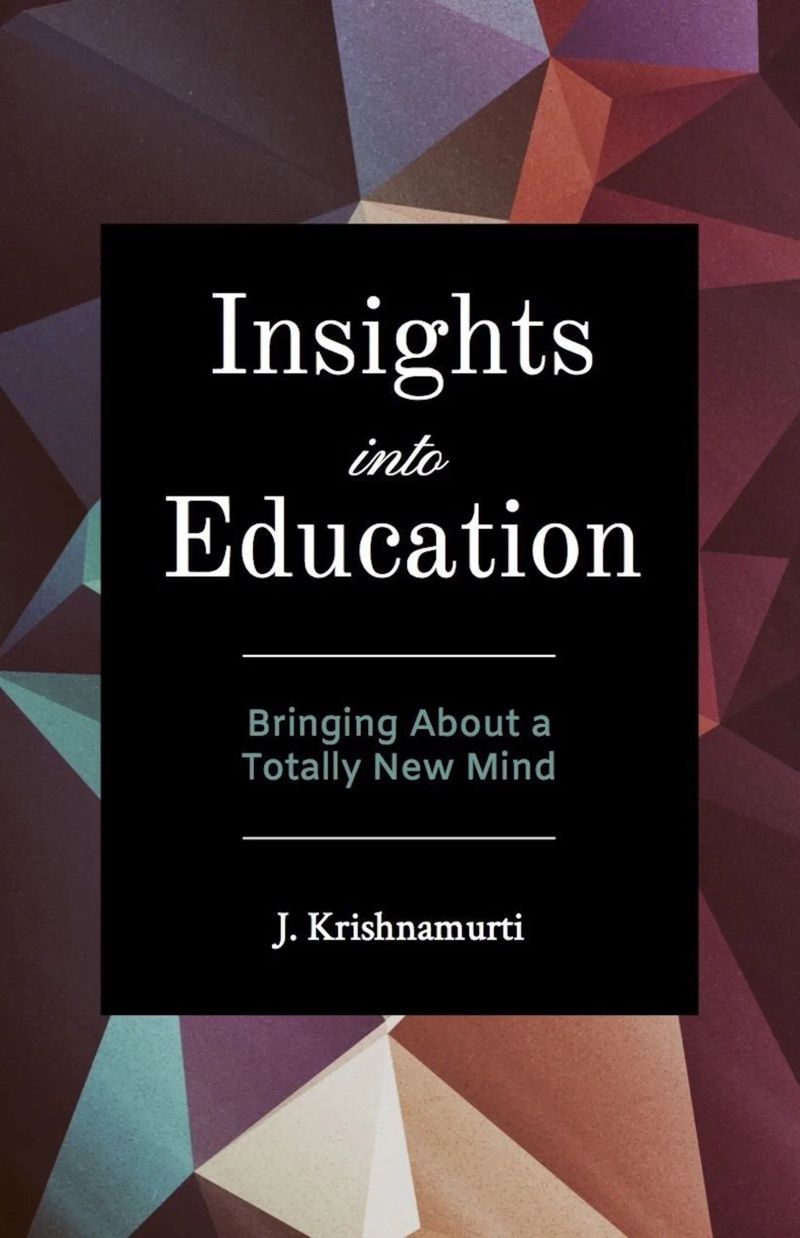
Insights Into Education
Bringing about A Totally New MindBy J Krishnamurti


Length5h 22m
About this audiobook
Insights into Education presents the educational philosophy of J. Krishnamurti in an easy to use, topic-based format. It is a practical handbook that comes alive when used as an introduction to group investigation and dialogue. What it offers to teachers everywhere is an inroad into the many matters of concern with which they are faced on a daily basis. That we cannot continue as we have been doing, with rote-learning, fact-finding, and a modicum of analysis as the building blocks of education, is obvious to anyone who is at all concerned with teaching and learning in a world with accelerating technological advancement, alienation, and despair. It is these very issues that are tackled here, sometimes implicitly but always at depth. What Krishnamurti proposes, and here discloses, is a different approach to learning altogether, one that distinguishes itself radically from what we normally understand by that term: the accumulation of knowledge, with its application and testing. By narrowing down our understanding to the pragmatic and the measurable, we forfeit the opportunity to probe deeply and to awaken intelligence in our students and in ourselves. What is meant by intelligence in this context is not the capacity to memorize and measure, but that subtler ability to see the whole which comes alive in a human being when he/she sees the limits of the measurable. To awaken this intelligence is the goal of education.O›Insights into Education presents the educational philosophy of J. Krishnamurti in an easy to use, topic-based format. It is a practical handbook that comes alive when used as an introduction to group investigation and dialogue. What it offers to teachers everywhere is an inroad into the many matters of concern with which they are faced on a daily basis. That we cannot continue as we have been doing, with rote-learning, fact-finding, and a modicum of analysis as the building blocks of education, is obvious to anyone who is at all concerned with teaching and learning in a world with accelerating technological advancement, alienation, and despair. It is these very issues that are tackled here, sometimes implicitly but always at depth. What Krishnamurti proposes, and here discloses, is a different approach to learning altogether, one that distinguishes itself radically from what we normally understand by that term: the accumulation of knowledge, with its application and testing. By narrowing down our understanding to the pragmatic and the measurable, we forfeit the opportunity to probe deeply and to awaken intelligence in our students and in ourselves. What is meant by intelligence in this context is not the capacity to memorize and measure, but that subtler ability to see the whole which comes alive in a human being when he/she sees the limits of the measurable. To awaken this intelligence is the goal of education.
Audiobook details
Rating★★★★ 4.3 (153)
Includes Goodreads
GenrePhilosophy
Length5 hrs 22 mins
Narrated byListen with 1,000+ voices
FormateBook with Audio
Publish dateSep 9, 2022
LanguageEnglish
Table of contents
1Cover Page
2Foreword
3The Purpose of Life
4Education and the Purpose of Life
5The Aims of Education
Show all chaptersShow less
6Educating the Educator
7The Individual and Society
8Fear, Anxiety, Emptiness
9Emptiness, Loneliness, Sorrow, Death
10Being Alone with Death
11The Conditioning Process
12Education and the Conditioning Process
13Relationship of the Teacher with the Student
14The Child and the Adult
15The Observation of Relationship
16Relationship with the World and People
17Relationship to Nature (Working with One’s Hands)
18The Integrated Human Being
19The Integrated Human Being (The Role of the Educator)
20Brain and Mind
21Knowledge, Memory, Experience, Thinking
22Thought Process, Ego Process
23Identity and Identification
24Concentration, Awareness and Attention
25Listening, Looking, Learning
26Freedom
27Freedom and Order in School
28Fear and Authority in School
29Insight
30Inquiry and Investigation
31Investigation with School Students
32Comparison and Competition
33Harmony of Body, Mind and Heart
34Thinking Together
35Thinking Together about Education
36Negative Thinking
37Intelligence
38Intelligence, Global Thinking and Education
39Intelligence and Cleverness
40The Scientific Mind and the Religious Mind
41The Scientific Mind and the Religious Mind (with School Students)
42Creative Energy
43The Conscious and the Unconscious Mind
44Common Consciousness
45The Significance of Subjects
46Right Action
47Excellence
48Education and Revolution
49Love and Compassion
50Love, Compassion and Wisdom
More from J Krishnamurti
The Years of AwakeningJ Krishnamurti13h 33m4.4 (298)$7 · $0.00
The World Within; You Are The Story of HumanityJ Krishnamurti6h 27m4.0 (14)$7 · $0.00
The Mirror of RelationshipJ Krishnamurti17h 19m4.2 (97)$7 · $0.00
Mary Lutyens - 3. Krishnamurti. The Open DoorJ Krishnamurti, Mary Lutyens7h4.3 (33)$7 · $0.00
The Observer ObservedJ Krishnamurti2h 50m4.5 (25)$7 · $0.00
Mary Lutyens - 1. Krishnamurti. The Years of AwakeningJ Krishnamurti, Mary Lutyens13h 33m4.2 (161)$7 · $0.00
What Are You Seeking ?J Krishnamurti15h 6m4.5 (242)$7 · $0.00
Choiceless AwarenessJ Krishnamurti5h 10m4.2 (123)$7 · $0.00
What is Right Action ?J Krishnamurti16h 29m4.5 (33)$7 · $0.00
What Are You Seeking ?J Krishnamurti24h 50m$7 · $0.00
Metaphysics (Annotated)Aristotle13h 30m4.6 (1.2K)$2 · $0.00
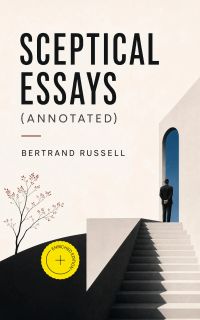
Sceptical Essays (Annotated)Bertrand Russell9h 16m4.6 (1K)$2 · $0.00

WitnessAriel Burger8h 1m4.6 (1.3K)$20 · $0.00
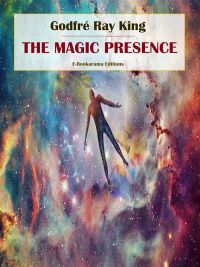
The Magic PresenceGodfré Ray King10h 21m4.6 (307)$1.20 · $0.00
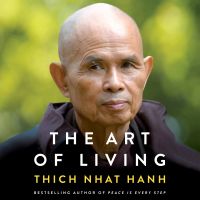
The Art of LivingThich Nhat Hanh5h 1m4.5 (14.2K)$24 · $0.00
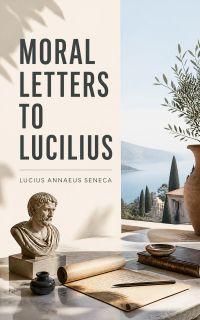
Moral Letters to LuciliusLucius Annaeus Seneca24h 26m4.5 (71.7K)$1.99 · $0.00

Lessons in TruthH. Emilie Cady3h 50m4.5 (2.4K)$20 · $0.00
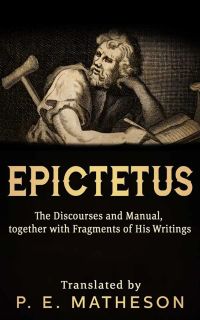
The Discourses of EpictetusP. E. MATHESOM12h 47m4.4 (17.7K)$1.20 · $0.00
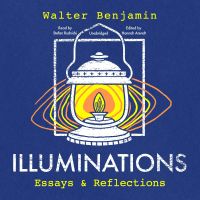
IlluminationsWalter Benjamin10h 12m4.4 (16.2K)$20 · $0.00
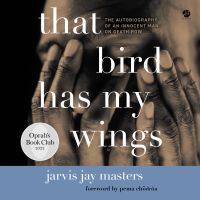
That Bird Has My WingsJarvis Jay Masters9h 49m4.4 (13.7K)$29 · $0.00

Tâo Teh KingLaozi2h 34m4.4 (230.9K)$2 · $0.00

SymposiumPlato3h 26m4.4 (97.9K)$1.20 · $0.00

Buddhist Boot CampTimber Hawkeye2h 39m4.4 (8.4K)$18 · $0.00
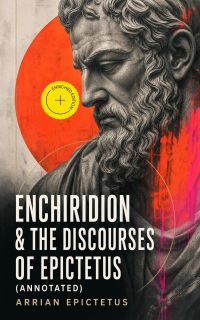
Enchiridion & The Discourses of Epictetus (Annotated)Arrian Epictetus18h 9m4.4 (3.5K)$2 · $0.00

The Meditations of the Emperor Marcus Aurelius AntoninusEmperor of Rome Marcus Aurelius5h 41m4.4 (1.8M)$1 · $0.00

Crime and PunishmentFyodor Dostoevsky23h 11m4.4 (1.3M)$12 · $0.00

MeditationsMarcus Aurelius5h 52m4.4 (433.7K)$1 · $0.00
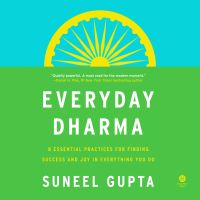
Everyday DharmaSuneel Gupta5h 2m4.5 (761)$20 · $0.00

The Joyful Wisdom ("La Gaya Scienza")Friedrich Wilhelm Nietzsche11h 37m4.4 (26.6K)$1 · $0.00
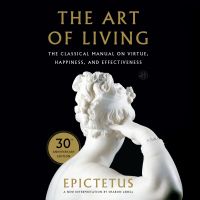
The Art of LivingEpictetus, Sharon Lebell3h 16m4.4 (50.1K)$18 · $0.00
You may also like
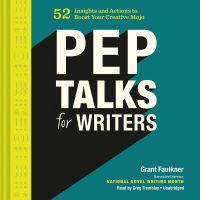
Pep Talks for WritersGrant Faulkner5h 38m4.3 (978)$20

Hot and UnbotheredYana Tallon-Hicks10h 44m4.5 (600)$29 · $0.00

The Subtle Art of Not Giving a F*ck JournalMark Manson1h 21m4.2 (1.6K)$16 · $0.00
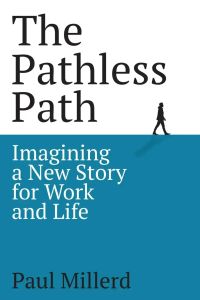
The Pathless PathPaul Millerd6h 14m4.2 (8K)$9.99 · $0.00
The Tantra ExperienceOSHO16h 18m4.4 (1.4K)$20 · $0.00
How to Be EverythingEmilie Wapnick5h4.0 (6.2K)$20 · $0.00
The New RulebookDr Chris Cheers3h 44m4.1 (1.2K)$18 · $0.00
The Winning AttitudeJeff Keller6h 52m4.2 (587)$16 · $0.00

Hormone IntelligenceAviva Romm15h 18m4.4 (3.1K)$33 · $0.00

Refuse to Choose!Barbara Sher11h 25m4.1 (6.6K)$20

The Sugar JarYasmine Cheyenne6h 39m4.2 (1.1K)$24 · $0.00

Women Don't Owe You PrettyFlorence Given3h 30m3.8 (94.7K)$15

WomanCodeAlisa Vitti7h 50m4.1 (16.6K)$26 · $0.00
Beyond IllusionsDan Desmarques2h 35m5.0 (5) Only with Ultra

The Modern Guide To SexGeorgia Grace7h 55m4.2 (63)$26 · $0.00

I’d Rather Be in ChargeCharlotte Beers7h 56m3.9 (294)$17 · $0.00

Whitman: A StudyJohn Burroughs7h 56m4.0 (11)$2 · $0.00
MoneyzenManisha Thakor, Lisa Sweetingham6h 48m3.8 (443)$24 · $0.00

NO RUSH JUST LIVINGJacob James1h5.0 (38) Only with Ultra

The First Love of Your Life Is YourselfDanniel Silva3h 19m$1.80 · $0.00