
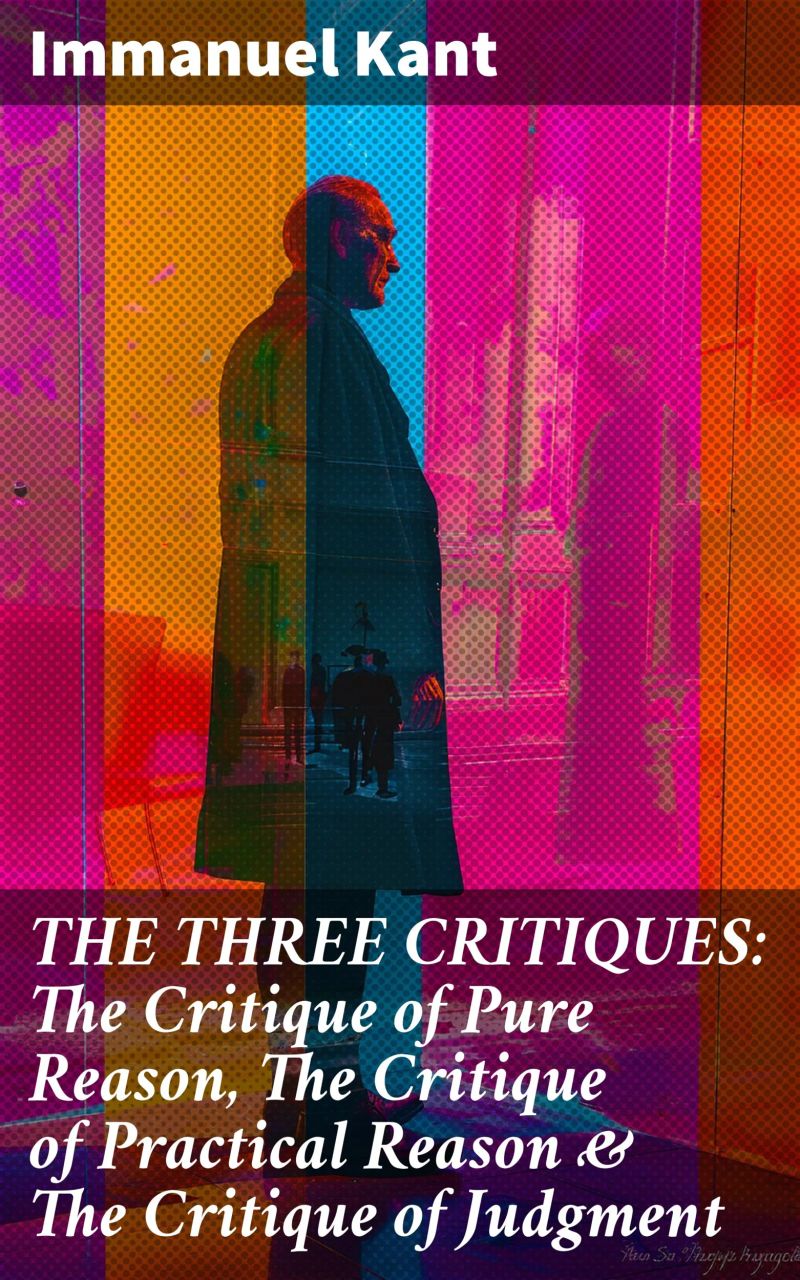
THE THREE CRITIQUES: The Critique of Pure Reason, The Critique of Practical Reason & The Critique of Judgment
Foundational Insights into Ethics and AestheticsBy Immanuel Kant


Length46h 9m
About this audiobook
In "The Three Critiques: The Critique of Pure Reason, The Critique of Practical Reason, and The Critique of Judgment," Immanuel Kant presents a groundbreaking exploration of epistemology, ethics, and aesthetics, fundamentally reshaping Western philosophy. Each critique acts as a pillar in Kant's critical philosophy, addressing the limits of human understanding, the nature of moral judgment, and the conditions for aesthetic appreciation. The texts are marked by a rigorous analytic style, replete with intricate arguments and foundational concepts such as the categorical imperative and the aesthetic sublime that anchor Kant's transcendental idealism within both metaphysics and human experience. Immanuel Kant (1724-1804), a pivotal figure in Enlightenment thought, was profoundly influenced by the philosophical debates of his time, especially regarding the nature of knowledge and morality. His engagement with rationalism and empiricism led to his distinct method of critical examination, seeking to resolve the tensions between subjective experience and objective reality. The challenges posed by skepticism and dogmatism drove Kant to develop a comprehensive framework that articulated the relationship between reason, will, and the aesthetic experience. Scholars and readers alike will find "The Three Critiques" indispensable for understanding modern philosophy's emergence. With clarity and depth, Kant'Äôs works not only provide a robust foundation for ethical and aesthetic inquiry but also challenge readers to contemplate their own cognitive capacities and moral responsibilities. This collection is essential for anyone seeking insight into the philosophical currents that define contemporary thought.
Audiobook details
Rating★★★★ 4.5 (1.4K)
Includes Goodreads, Amazon, LibraryThing, StoryGraph
GenrePhilosophy
Length46 hrs 9 mins
Narrated byListen with 1,000+ voices
FormateBook with Audio
Publish dateJan 8, 2024
LanguageEnglish
Table of contents
1Preface to the First Edition, 1781
2Preface to the Second Edition, 1787
3I. Of the difference between Pure and Empirical Knowledge
4II. The Human Intellect, even in an Unphilosophical State, is in Possession of Certain Cognitions “a priori”
5III. Philosophy stands in need of a Science which shall Determine the Possibility, Principles, and Extent of Human Knowledge “a priori”
Show all chaptersShow less
6IV. Of the Difference Between Analytical and Synthetical Judgements
7V. In all Theoretical Sciences of Reason, Synthetical Judgements “a priori” are contained as Principles
8VI. The Universal Problem of Pure Reason
9VII. Idea and Division of a Particular Science, under the Name of a Critique of Pure Reason
10Section I. Of Space
11Section II. Of Time
12I. Of Logic in General
13II. Of Transcendental Logic
14III. Of the Division of General Logic into Analytic and Dialectic
15IV. Of the Division of Transcendental Logic into Transcendental Analytic and Dialectic
16Book I. Analytic of Conceptions
17Chapter I. Of the Transcendental Clue to the Discovery of all Pure Conceptions of the Understanding
18Introductory
19Section I. Of defined above Use of understanding in General
20Section II. Of the Logical Function of the Understanding in Judgements
21Section III. Of the Pure Conceptions of the Understanding, or Categories
22Chapter II. Of the Deduction of the Pure Conceptions of the Understanding
23Section I. Of the Principles of a Transcendental Deduction in general
24Section II. Transcendental Deduction of the pure Conceptions of the Understanding
25Book II. Analytic of Principles
26Introduction. Of the Transcendental Faculty of judgement in General
27Chapter I. Of the Schematism of the Pure Conceptions of the Understanding
28Chapter II. System of all Principles of the Pure Understanding
29Section I. Of the Supreme Principle of all Analytical Judgements
30Section II. Of the Supreme Principle of all Synthetical Judgements
31Section III. Systematic Representation of all Synthetical Principles of the Pure Understanding (pt. 1)
32Section III. Systematic Representation of all Synthetical Principles of the Pure Understanding (pt. 2)
33Chapter III. Of the Ground of the Division of all Objects into Phenomena and Noumena
34Appendix
35Introduction
36I. Of Transcendental Illusory Appearance
37II. Of Pure Reason as the Seat of Transcendental Illusory Appearance
38Book I. Of the Conceptions of Pure Reason
39Section I. Of Ideas in General
40Section II. Of Transcendental Ideas
41Section III. System of Transcendental Ideas
42Book II. Of the Dialectical Procedure of Pure Reason
43Chapter I. Of the Paralogisms of Pure Reason
44Chapter II. The Antinomy of Pure Reason
45Section I. System of Cosmological Ideas
46Section II. Antithetic of Pure Reason
47Section III. Of the Interest of Reason in these Self-contradictions
48Section IV. Of the necessity imposed upon Pure Reason of presenting a Solution of its Transcendental Problems
49Section V. Sceptical Exposition of the Cosmological Problems presented in the four Transcendental Ideas
50Section VI. Transcendental Idealism as the Key to the Solution of Pure Cosmological Dialectic

Kritik der Urteilskraft: Die dritte KritikImmanuel Kant16h 25m4.1 (16.7K)$1 · $0.00

Crítica de la Razón PuraImmanuel Kant26h 12m4.1 (51.4K)$11 · $0.00

Schriften zur Geschichtsphilosophie, Ethik und Politik (Kommentiert)Immanuel Kant9h 3m4.5 (11)$1 · $0.00
Kritik der reinen Vernunft (Kommentiert)Immanuel Kant25h 32m4.4 (1.2K)$1 · $0.00

Untersuchung über die Deutlichkeit der Grundsätze der natürlichen Theologie und der Moral (Kommentiert)Immanuel Kant2h 46m4.1 (113)$1 · $0.00

IMMANUEL KANT: Philosophical Books, Critiques & Essays (Annotated)Immanuel Kant83h 49m4.4 (143)$2 · $0.00

Immanuel Kant: Schriften Zur physischen Geographie (Kommentiert)Immanuel Kant26h 32m4.4 (11)$1 · $0.00

Über Pädagogik (Kommentiert)Immanuel Kant4h 34m4.0 (1.7K)$2 · $0.00
Kant's Prolegomena to Any Future Metaphysics (Annotated)Immanuel Kant6h 3m4.1 (12.9K)$2 · $0.00
Meisterwerke der Weltphilosophie (Kommentiert)Immanuel Kant, Søren Kierkegaard, Edmund Husserl, Ludwig Wittgenstein, Friedrich Nietzsche, Konfuzius, Platon, Xenophon, Aristoteles, Laotse, Marcus Tullius Cicero, Marcus Aurelius, Plotin, Thomas von Aquin, Niccolò Machiavelli, Thomas Morus, Giordano Bruno, Michel de Montaigne, René Descartes, Francis Bacon, Blaise Pascal, Baruch Spinoza, Gottfried Wilhelm Leibniz, David Hume, Jean Jacques Rousseau, Friedrich Schelling, John Locke, Georg Wilhelm Friedrich Hegel, John Stuart Mill, Karl Marx452h 31m4.4 (18)$2 · $0.00
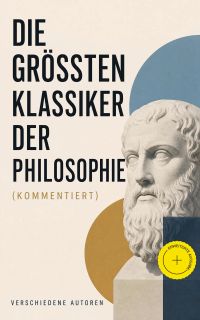
Die größten Klassiker der Philosophie (Kommentiert)Immanuel Kant, Søren Kierkegaard, Edmund Husserl, Ludwig Wittgenstein, Friedrich Nietzsche, Konfuzius, Platon, Xenophon, Aristoteles, Laotse, Marcus Tullius Cicero, Marcus Aurelius, Plotin, Thomas von Aquin, Niccolò Machiavelli, Thomas Morus, Giordano Bruno, Michel de Montaigne, René Descartes, Francis Bacon, Blaise Pascal, Baruch Spinoza, Gottfried Wilhelm Leibniz, David Hume, Jean Jacques Rousseau, Friedrich Schelling, John Locke, Georg Wilhelm Friedrich Hegel, John Stuart Mill, Karl Marx452h 28m4.5 (114)$2 · $0.00

Anthropologie in pragmatischer Hinsicht (Kommentiert)Immanuel Kant11h 19m4.1 (1.5K)$2.50 · $0.00

The Greatest Works of Immanuel Kant (Annotated)Immanuel Kant83h 52m$2 · $0.00

Kritik der praktischen Vernunft (Kommentiert)Immanuel Kant9h 24m4.1 (12.8K)$1 · $0.00
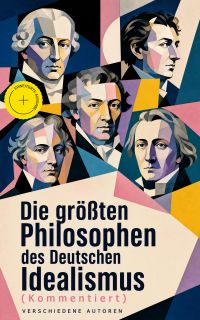
Die größten Philosophen des Deutschen Idealismus (Kommentiert)Immanuel Kant, Johann Gottlieb Fichte, Georg Wilhelm Friedrich Hegel, Friedrich Schelling, Friedrich Schleiermacher138h 36m$1.50 · $0.00

Beobachtungen über das Gefühl des Schönen und Erhabenen (Kommentiert)Immanuel Kant4h 4m4.2 (155)$2 · $0.00
Logik - Ein Handbuch zu Vorlesungen (Kommentiert)Immanuel Kant7h 11m4.0 (1.4K)$2 · $0.00

Träume eines Geistersehers, erläutert durch Träume der Metaphysik (Kommentiert)Immanuel Kant4h 1m$2 · $0.00
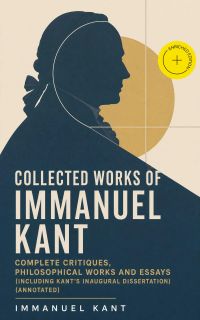
Collected Works of Immanuel Kant: Complete Critiques, Philosophical Works and Essays (Including Kant's Inaugural Dissertation) (Annotated)Immanuel Kant83h 45m4.3 (18)$2 · $0.00
Groundwork of the Metaphysics of Morals (Annotated)Immanuel Kant5h 5m$2 · $0.00

That Bird Has My WingsJarvis Jay Masters9h 49m4.4 (13.7K)$29 · $0.00

Tâo Teh KingLaozi2h 34m4.4 (230.9K)$2 · $0.00
SymposiumPlato3h 26m4.4 (97.9K)$1.20 · $0.00

Buddhist Boot CampTimber Hawkeye2h 39m4.4 (8.4K)$18 · $0.00
Enchiridion & The Discourses of Epictetus (Annotated)Arrian Epictetus18h 9m4.4 (3.5K)$2 · $0.00

The Meditations of the Emperor Marcus Aurelius AntoninusEmperor of Rome Marcus Aurelius5h 41m4.4 (1.8M)$1 · $0.00
Crime and PunishmentFyodor Dostoevsky23h 11m4.4 (1.3M)$12 · $0.00

MeditationsMarcus Aurelius5h 52m4.4 (433.7K)$1 · $0.00

Everyday DharmaSuneel Gupta5h 2m4.5 (761)$20 · $0.00

The Joyful Wisdom ("La Gaya Scienza")Friedrich Wilhelm Nietzsche11h 37m4.4 (26.6K)$1 · $0.00
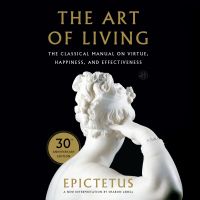
The Art of LivingEpictetus, Sharon Lebell3h 16m4.4 (50.1K)$18 · $0.00
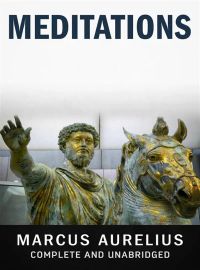
MeditationsEmperor Of Rome Marcus Aurelius7h 23m4.3 (477.5K)$1.20 · $0.00

The Imitation of ChristThomas à Kempis6h 27m4.3 (84.6K)$21 · $0.00

Sadhana: the realisation of lifeRabindranath Tagore3h 49m4.4 (8.6K)$6 · $0.00
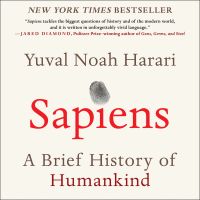
SapiensYuval Noah Harari15h 18m4.3 (1.4M) · 1186$33 · $0.00

You BelongSebene Selassie8h 35m4.4 (2.7K)$26 · $0.00

The Song Celestial; Or, Bhagavad-Gîtâ (from the Mahâbhârata)Anonymous2h 18m4.4 (3.2K)$2 · $0.00
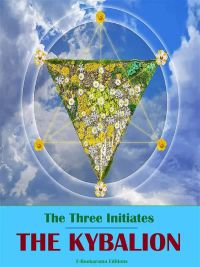
The KybalionThe Three Initiates3h 47m4.3 (58.7K)$20 · $0.00

Chuang Tzu: Mystic, Moralist, and Social ReformerZhuangzi14h 42m4.4 (1.2K)$1 · $0.00

High-RisersBen Austen13h 33m4.4 (2.8K)$33 · $0.00
You may also like
Kant's Prolegomena to Any Future MetaphysicsImmanuel Kant5h 2m4.1 (12.3K)$2.30
The Critique of Practical ReasonImmanuel Kant6h 45m4.1 (15K)Free

Meditations on First PhilosophyRené Descartes3h 8m4.0 (43.8K)$2 · $0.00
Esoteric ChristianityAnnie Besant7h 23m4.2 (552)$1.20 · $0.00
OrthodoxyG. K. Chesterton5h 42m4.3 (55.7K)$2.30 · $0.00
Tertium Organum: The Third Canon of ThoughtP. D. Ouspensky14h 48m4.3 (688)$1.99 · $0.00
Tractatus Logico-PhilosophicusLudwig Wittgenstein4h 57m4.2 (31.9K)$1.99 · $0.00
DiscourseDescartes2h 24m4.0 (71.5K)$2.30
Fundamental Principles of the Metaphysics of MoralsImmanuel Kant3h 20m4.0 (28K)$2.30

Kant's Critique of JudgementImmanuel Kant12h 49m4.2 (12.5K)$1.80 · $0.00
Questions Are the AnswerHal Gregersen8h 45m4.1 (682)$29 · $0.00
Science of LogicGeorg Wilhelm Friedrich Hegel17h 39m4.3 (2.4K)$1 · $0.00

The FieldLynne McTaggart10h 13m4.2 (8.8K)$29 · $0.00
ParmenidesPlato4h 9m4.1 (4.2K)$1.80 · $0.00
Kant's Prolegomena to Any Future MetaphysicsImmanuel Kant4h 21m4.1 (12.1K)$1 · $0.00
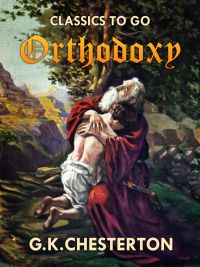
OrthodoxyG. K. Chesterton6h 37m4.3 (65.9K)$2.30
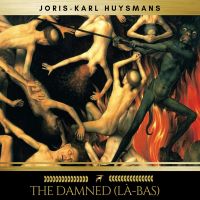
The Damned (Là-bas)Joris-Karl Huysmans8h 55m4.1 (5.8K)$1 · $0.00
The Halo EffectPhil Rosenzweig6h 58m4.0 (6.5K)$20 · $0.00

Dialogues Concerning Natural ReligionDavid Hume5h 4m4.1 (9.9K)$1 · $0.00
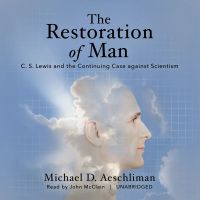
The Restoration of ManMichael D. Aeschliman4h 49m4.2 (136)$15 · $0.00