
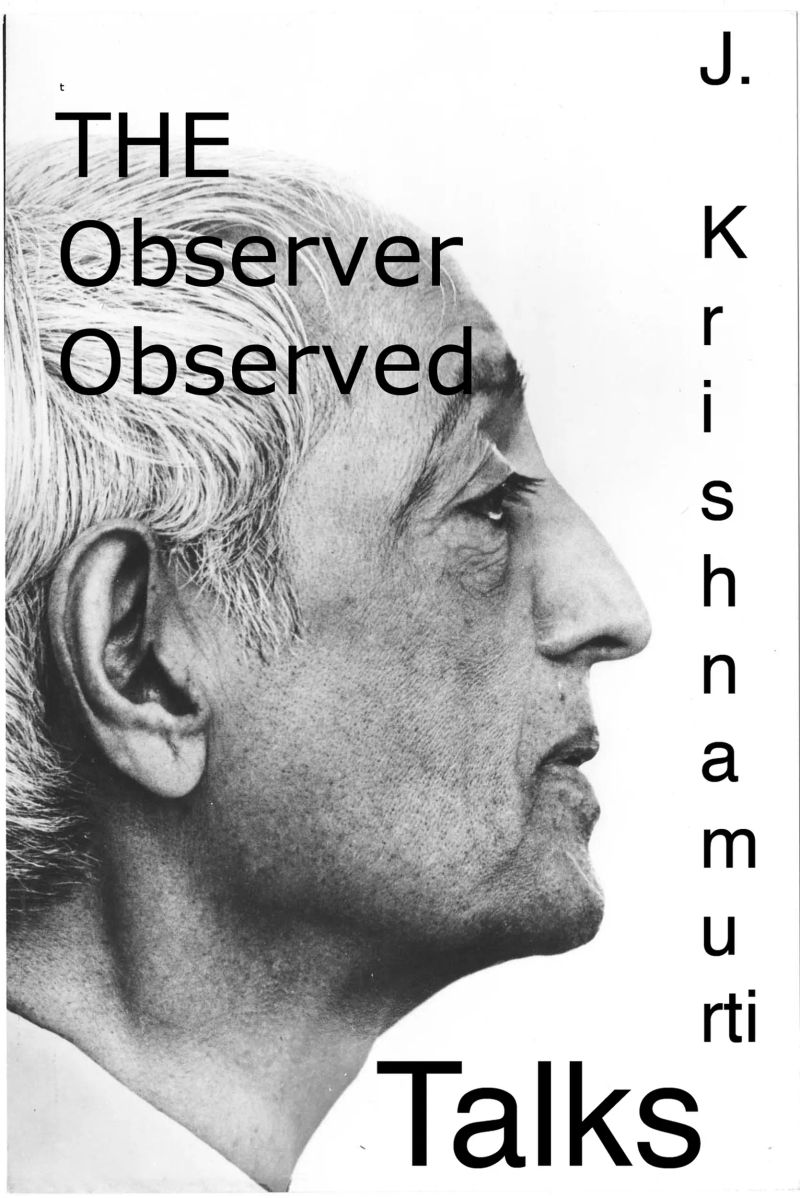
The Observer Observed
A selection of passages from the teachings of J Krishnamurti.By J Krishnamurti

Length2h 49m
About this audiobook
In this incredibly penetrating talk, Krishnamurti describes the psychological pressures of life and how these pressures affect right living: We were saying that any form of pressure on the brain affects our whole way of life. We were also saying that this pressure affects our activities, our attitudes, our character, and our way of living. The pressure--economic, social, ethical, and religious--invariably distorts not only our actions but the quality of the brain ... ideals affect, oppress, and act as pressure upon our daily life. Is it possible not to have any ideals but only deal with actually what is? --then there is no pressure whatsoever. Krishnamurti goes on to say that, unless the mind is free of pressure, there is no new way of living. He states that this insight on freedom requires a great deal of investigation into the whole nature and movement of pressure.
Audiobook details
Rating★★★★ 4.5 (25)
Includes Goodreads, Amazon
GenrePhilosophy
Length2 hrs 49 mins
Narrated byListen with 1,000+ voices
FormateBook with Audio
Publish dateAug 8, 2012
LanguageEnglish
Table of contents
1The Observer and the Observed
2Introduction: Talking things over together as two friends…
3Part I: To free the mind of the observer
4Part II
5To be a light to oneself.
Show all chaptersShow less
6When the observer is completely absent, then there is unity.
7Seeing without the observer is love.
8What is the observer?
9The observer is always casting its shadow….
10It is like a vast river in which man is caught.
11The actual and the abstraction.
12No contact with reality.
13The observer dissociates from suffering.
14Consciousness is its content.
15The diamond cannot be separated from its qualities.
16The phenomenon of the observer and the observed is not a dual process, but a single one….
17There is no thinker, only conditioned thinking.
18The thinker gives continuity to pleasure, desire and pain.
19The observer and desire.
20What is and what should be
21To live with a living thing such as fear….
22Observer and the fear of death.
23Becoming creates the sense of time.
24There is a time-interval, and therefore conflict.
25Meaningless division
26A mind that is confused, whatever it does, brings about confusion.
27Naming externalizes feelings.
28The analyser is the analysed.
29The controller and the controlled
30The observer is the image-maker.
31Awareness without choice.
32Awareness is not introspection.
33Awareness is not consciousness.
34There must be silent awareness of naming…
35With all your senses …
36Total seeing.
37If you can listen, you will find an astonishing transformation in your heart, your mind.
38Perceiving without the perceiver.
39Profound attention.
40Attention without any center.
41At the moment of experience, there is neither the observer nor the observed.
42There is no ‘how’.
43Without the word, a fundamental transformation takes place.
44The state of mind that has decided to observe is not observation at all.
45The observer cannot be suppressed.
46To end the chattering mind.
47When the word is not, the measureless is.
48Can we observe without making an abstraction or idea of what we observe?
49You must die to every thing that you know psychologically.
50To empty the mind, yet retain practical knowledge.
More from J Krishnamurti
The Years of AwakeningJ Krishnamurti13h 33m4.4 (298)$7 · $0.00

The World Within; You Are The Story of HumanityJ Krishnamurti6h 27m4.0 (14)$7 · $0.00
The Mirror of RelationshipJ Krishnamurti17h 19m4.2 (97)$7 · $0.00

Insights Into EducationJ Krishnamurti5h 22m4.3 (153)$7 · $0.00

Mary Lutyens - 3. Krishnamurti. The Open DoorJ Krishnamurti, Mary Lutyens7h4.3 (33)$7 · $0.00
Mary Lutyens - 1. Krishnamurti. The Years of AwakeningJ Krishnamurti, Mary Lutyens13h 33m4.2 (161)$7 · $0.00
What Are You Seeking ?J Krishnamurti15h 6m4.5 (242)$7 · $0.00
Choiceless AwarenessJ Krishnamurti5h 10m4.2 (123)$7 · $0.00
What is Right Action ?J Krishnamurti16h 29m4.5 (33)$7 · $0.00
What Are You Seeking ?J Krishnamurti24h 50m$7 · $0.00

WitnessAriel Burger8h 1m4.6 (1.3K)$20 · $0.00

The Magic PresenceGodfré Ray King10h 21m4.6 (307)$1.20 · $0.00
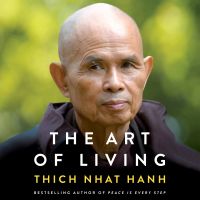
The Art of LivingThich Nhat Hanh5h 1m4.5 (14.2K)$24 · $0.00

Moral Letters to LuciliusLucius Annaeus Seneca24h 26m4.5 (71.7K)$1.99 · $0.00

Lessons in TruthH. Emilie Cady3h 50m4.5 (2.4K)$20 · $0.00
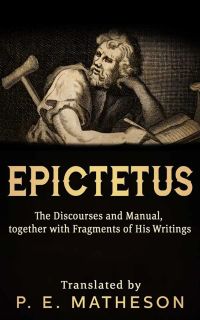
The Discourses of EpictetusP. E. MATHESOM12h 47m4.4 (17.7K)$1.20 · $0.00

IlluminationsWalter Benjamin10h 12m4.4 (16.2K)$20 · $0.00

That Bird Has My WingsJarvis Jay Masters9h 49m4.4 (13.7K)$29 · $0.00

Tâo Teh KingLaozi2h 34m4.4 (230.9K)$2 · $0.00

SymposiumPlato3h 26m4.4 (97.9K)$1.20 · $0.00

Buddhist Boot CampTimber Hawkeye2h 39m4.4 (8.4K)$18 · $0.00
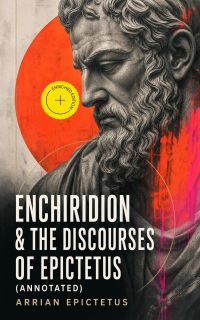
Enchiridion & The Discourses of Epictetus (Annotated)Arrian Epictetus18h 9m4.4 (3.5K)$2 · $0.00

The Meditations of the Emperor Marcus Aurelius AntoninusEmperor of Rome Marcus Aurelius5h 41m4.4 (1.8M)$1 · $0.00

Crime and PunishmentFyodor Dostoevsky23h 11m4.4 (1.3M)$12 · $0.00

MeditationsMarcus Aurelius5h 52m4.4 (433.7K)$1 · $0.00
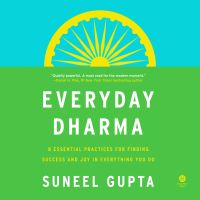
Everyday DharmaSuneel Gupta5h 2m4.5 (761)$20 · $0.00

The Joyful Wisdom ("La Gaya Scienza")Friedrich Wilhelm Nietzsche11h 37m4.4 (26.6K)$1 · $0.00
The Art of LivingEpictetus, Sharon Lebell3h 16m4.4 (50.1K)$18 · $0.00
MeditationsEmperor Of Rome Marcus Aurelius7h 23m4.3 (477.5K)$1.20 · $0.00

The Imitation of ChristThomas à Kempis6h 27m4.3 (84.6K)$21 · $0.00
You may also like
Breathe In, Breathe OutStuart Sandeman11h 39m4.3 (2K)$29 · $0.00
Progressing through GriefStephanie Jose LMHC, LCAT2h 39m4.3 (308)$17 · $0.00

The DetailsIa Genberg3h 54m3.9 (30.7K)$20 · $0.00
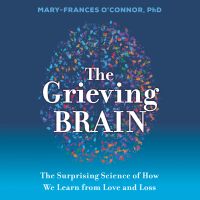
The Grieving BrainMary-Frances O'Connor8h 2m4.3 (5.8K)$26 · $0.00

Goodbye, AgainJonny Sun3h 43m4.3 (20.4K)$18 · $0.00

Life After GoodbyeSara Melo2h 52m$1.80 · $0.00
The Breakthrough in Two ActsFredric C. Hartman PhD6h 35m4.6 (23)$17
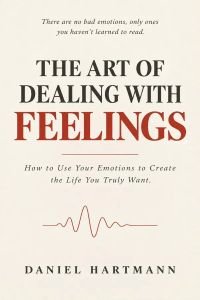
The Art of Dealing with FeelingsDaniel Hartmann8h 23m$15 · $0.00

Breakup ProtocolImad Muratspahic3h 23m$13 · $0.00
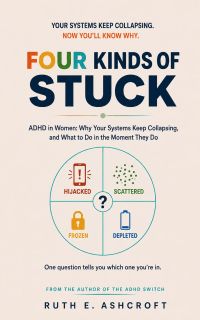
Four Kinds of StuckRuth E. Ashcroft2h 21m$7

EDMR TherapySamantha Hartwell5h 13m4.4 (134)$22 · $0.00
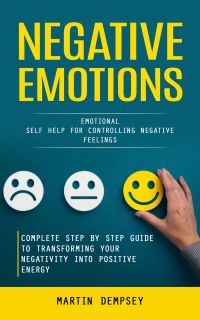
Negative Emotions: Emotional Self Help for Controlling Negative Feelings (Complete Step by Step Guide to Transforming Your Negativity Into Positive Energy)Martin Dempsey1h 41m4.1 (20)$3.50 · $0.00

How We AreVincent Deary9h 3m3.9 (524)$20 · $0.00

Process Old Memories & Heal Trauma SubliminalHolly von Bonin58m$2 · $0.00
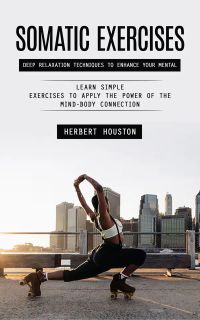
Somatic Exercises: Deep Relaxation Techniques to Enhance Your Mental (Learn Simple Exercises to Apply the Power of the Mind-body Connection)Herbert Houston3h 3m$3.50 · $0.00

EDMR TherapySamantha Hartwell4h 13m$17 · $0.00
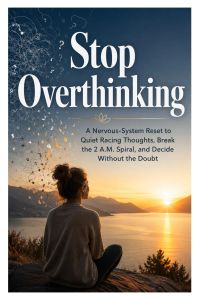
Stop OverthinkingSebastian Crowe5h 18m$9.50 · $0.00

How to Do Anything BetterSunny Sea Gold2h 11m3.9 (36)$15 · $0.00

Breaking Free From LimerenceImad Muratspahic3h 25m$12 · $0.00

Life After YouDanniel Silva3h 3m$1.80 · $0.00