
Audio only
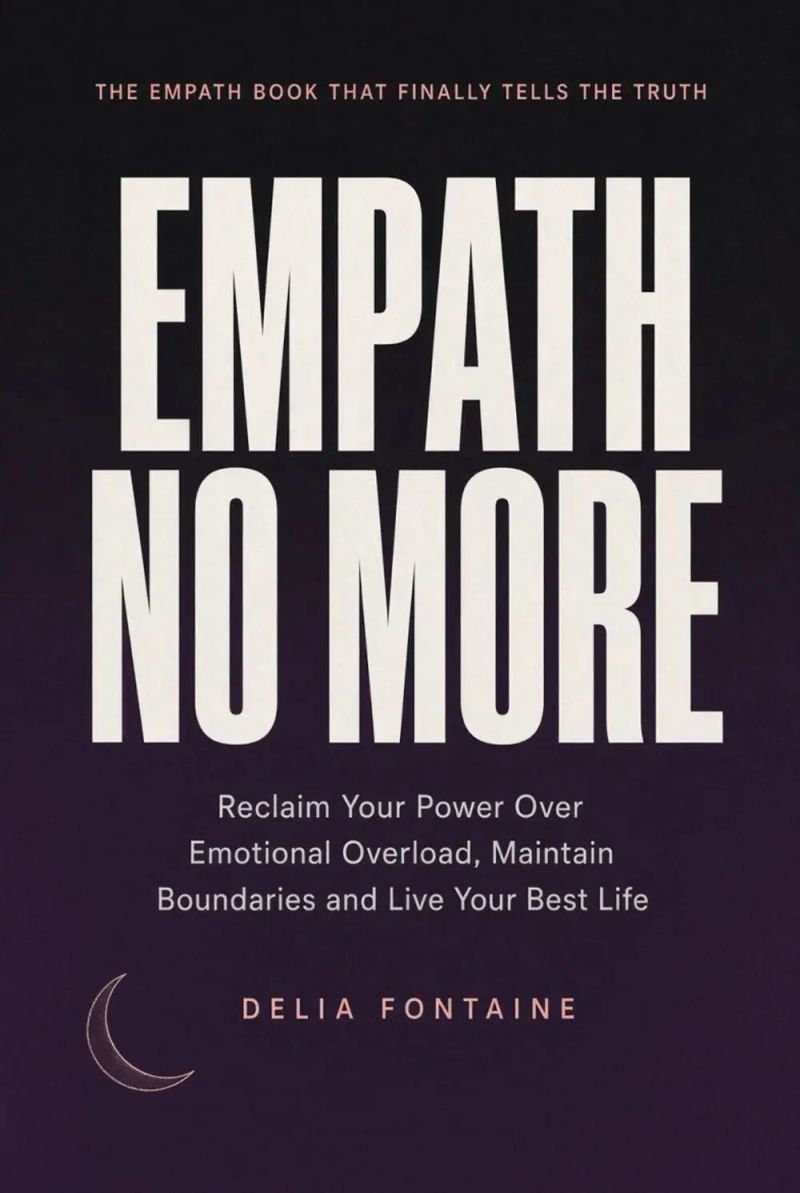
Empath No More
Reclaim Your Power Over Emotional Overload, Maintain Boundaries and Live Your Best LifeBy Delia Fontaine


Length3h 33m
About this audiobook
Do you feel all the feels — all the time?
If you're constantly searching "highly sensitive person symptoms," googling "how to stop absorbing other people's emotions" at 2am, or exhausted from being told to just "protect your energy," this book was written for you. This is not another empath book built on love-and-light platitudes and toxic positivity. It's a refreshingly honest, science-backed guide for the sensitive soul who is tired of feeling broken and ready to feel empowered.
Being an empath or highly sensitive person (HSP) can feel like a curse: constant emotional overload, chronic people-pleasing, weak boundaries, and a nervous system that absorbs every mood in the room before you've said a single word. Worse, most self-help books for empaths respond to real trauma, grief, and burnout with the same tired affirmations — "you are perfect and whole" — that quietly invalidate your anger, your exhaustion, and your pain. When real damage has been done, clichés don't heal. Practical tools do.
Inside this empowering guide to setting healthy boundaries, you'll discover how to:
Reclaim Your Power Over Emotional Overload — practical, nervous-system-based exercises to stop absorbing other people's energy, recognize empath fatigue before it becomes burnout, and finally tell the difference between anxiety, depression, and true empath exhaustion.
Maintain Boundaries That Actually Work — build real emotional and energetic boundaries, say no without guilt, and protect your peace from energy vampires, narcissists, and manipulators without losing your compassion.
Stop Suppressing and Start Embracing Your Whole Self — meet your shadow side, reclaim anger, envy, and resentment as valid information instead of things to hide, and finally stop spiritual bypassing your own pain.
Live Your Best Life as an Empowered Empath — rewire people-pleasing and fawning patterns, build unshakable self-trust and confidence, and turn your sensitivity into your greatest strength instead of your biggest liability.
Like the Japanese art of kintsugi — repairing broken pottery with gold — this book teaches that acknowledging your cracks doesn't make you broken. It makes you stronger, more resilient, and more beautifully whole. Rooted in real psychology (attachment theory, trauma responses, nervous system regulation, and self-efficacy research), this is the guide for the empath who has tried everything else and still feels stuck in emotional overload.
If you've ever searched for books on setting boundaries with toxic people, healing from narcissistic abuse, highly sensitive person self-help, how to stop being a people pleaser, or emotional intelligence for empaths — this is your way out of overload and into empowerment.
For every empath who has ever thought, "I don't want to be an empath anymore" — it's time to stop apologizing for your sensitivity and start reclaiming your power.
Scroll up and click "Buy Now" to start reclaiming your energy, your boundaries, and your life today.
Audiobook details
GenreSelf-Help
Length3 hrs 33 mins
Narrated byListen with 1,000+ voices
FormateBook with Audio
Publish dateSep 25, 2026
LanguageEnglish
Table of contents
1Introduction
2Introduction: The Gift That Didn't Feel Like One 5
3The Word That Explains Everything and Solves Nothing 5
4Why Anger Belongs in This Book 6
5Kintsugi and the Myth of the Perfectly Healed Self 6
Show all chaptersShow less
6What You Will Not Find in These Pages 7
7Who This Book Is Actually For 7
8Chapter 1: What Being an Empath Actually Means 9
91.1 Beyond the Buzzword — Separating Fact from Spiritual Marketing 9
101.2 The Nervous System of a Highly Sensitive Person 10
111.3 Why "Just Stay Positive" Was Never Good Advice 11
12Chapter 2: The Weight of Absorbing Everyone Else 12
132.1 How You Learned to Feel Everything First 12
142.2 Emotional Contagion — The Science of Catching Other People's Moods 13
152.3 The Exhaustion No One Warned You About 14
16Chapter 3: The Lie of Toxic Positivity 16
173.1 When "Love and Light" Becomes a Silencer 16
183.2 Spiritual Bypassing — Skipping Pain Instead of Healing It 17
193.3 Giving Yourself Permission to Be Angry, Sad, and Real 18
20Chapter 4: Naming the Overload 20
214.1 Recognizing the Signs Before You Burn Out 20
224.2 Empath Fatigue vs. Anxiety vs. Depression 21
234.3 The Body Keeps Score — Physical Symptoms of Emotional Overload 22
24Chapter 5: Reclaiming Your Energy 24
255.1 The Difference Between Empathy and Enmeshment 24
265.2 Practical Grounding Techniques for Real-Time Overwhelm 25
275.3 Energetic Hygiene — Clearing What Isn't Yours 26
28Chapter 6: Boundaries That Actually Work 28
296.1 Why Empaths Struggle to Say No 28
306.2 Building Boundaries Without Guilt or Apology 29
316.3 Scripts and Strategies for Difficult Conversations 30
32Chapter 7: The Empath and the Energy Vampire 32
337.1 Recognizing Manipulation, Narcissism, and Draining Relationships 32
347.2 Why Empaths Are Targeted — and How to Stop Being an Easy Mark 33
357.3 Disengaging Without Losing Yourself 34
36Chapter 8: Meeting Your Shadow Self 36
378.1 What the Shadow Is and Why Empaths Fear It 36
388.2 Reclaiming Anger, Envy, and Resentment as Information 37
398.3 Integration, Not Suppression 38
40Chapter 9: The Kintsugi Principle 40
419.1 The Art of Repairing With Gold 40
429.2 Why Your Cracks Are Not a Flaw to Hide 41
439.3 Rebuilding a Self That Is Whole, Not Perfect 41
44Chapter 10: Rewiring Old Survival Patterns 43
4510.1 People-Pleasing as a Learned Survival Skill 43
4610.2 Fawning, Freezing, and Other Trauma Responses 44
4710.3 Choosing New Patterns on Purpose 45
48Chapter 11: Discernment Over Absorption 47
4911.1 The Difference Between Compassion and Carrying 47
5011.2 Learning When to Help and When to Step Back 48
More from Delia Fontaine

Learning to PrayJames Martin13h 24m4.5 (3.4K)$33 · $0.00

Swayam Ki AwaazPrem Rawat8h 34m4.7 (1.1K)$26 · $0.00

Forever BoyKate Swenson9h 27m4.7 (5K)$29 · $0.00

You Are Worth ItKyle Carpenter, Don Yaeger8h 53m4.7 (4.8K)$29 · $0.00

The Happiest Man on EarthEddie Jaku3h 48m4.6 (178K)$7 · $0.00

Finding MeViola Davis9h 15m4.6 (256.4K)$29 · $0.00

Spiritual AnatomyDaaji Kamlesh D. Patel9h 47m4.7 (319)$29 · $0.00

The Dangerous Truth about Today’s MarijuanaLaura Stack CSP, MBA9h 57m4.7 (385)$20 · $0.00

The Gospel according to Spiritualism (Translated)Allan Kardec14h 39m4.6 (3.9K)$5.70 · $0.00

Birdie & HarlowTaylor Wolfe7h 50m4.6 (6.5K)$26 · $0.00

CrossroadsKaleb Dahlgren7h 56m4.6 (4.9K)$26 · $0.00

Life on the BridgeKaelynn Partlow5h 40m4.6 (1.1K)$24 · $0.00

Keep Your Love OnDanny Silk9h 4m4.6 (8.1K)$10 · $0.00
The Tao of Joy Every DayDerek Lin10h 24m4.6 (762)$20 · $0.00
UndividedVicky Beeching9h 2m4.6 (1.3K)$29 · $0.00

HE CAN WHO THINKS HE CAN & OTHER BOOKS ON SUCCESSOrison Swett Marden5h 54m4.6 (1.2K)$1.99 · $0.00
Level UpRob Dial7h 42m4.6 (3.3K)$26 · $0.00

Burn the HaystackJennie Young, PhD9h 30m4.6 (543)$29 · $0.00

ACRES OF DIAMONDS: Our Every-day Opportunities (Wisdom & Empowerment Series) (Annotated)Russell Conwell2h 26m4.6 (1K)$2 · $0.00

Good InsideBecky Kennedy9h 55m4.5 (59.3K)$29 · $0.00
You may also like
Pitch PerfectBill McGowan7h 52m4.0 (2.6K)$26 · $0.00
Mindful BirthingNancy Bardacke15h 39m4.3 (3.9K)$33 · $0.00

Breakup BootcampAmy Chan8h 44m4.2 (1.7K)$26 · $0.00

Bipolar Disorder: Step by Step Techniques to Manage Bipolar Disorder (The Truth About Bipolar Disorder and How to Understand and Find the Best Ways to Gain Control)Mason g, Bruce Walters1h 54m$8.10 · $0.00
Narcissism: Revolutionary Ways for Extraordinary Emotional Abuse Recovery (Understanding Narcissistic Behaviour, Coping Strategies, Set Boundaries, Boost Self-Esteem)John Ziegler2h 55m$3.50 · $0.00

Narcissism: Your Ultimate Guide to Overcoming Your Toxic Ego (The Secrets of Understanding Narcissism and the Mindset of Toxic People)Benjamin Genthner2h 9m$3.50 · $0.00

A Better YouElijah C. Prescott7h 16m$4.10 · $0.00

The Truth About Postpartum Depression and How to CopeAurora Brooks1h 13m$3.50 · $0.00

Hyper IndipendentDiletta Armstrong1h 41m$5.70 · $0.00
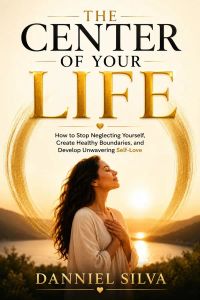
The Center of Your LifeDanniel Silva3h 31m$1.80 · $0.00

The Modern Stoic HandbookLucian Webb7h 56m$11.50 · $0.00
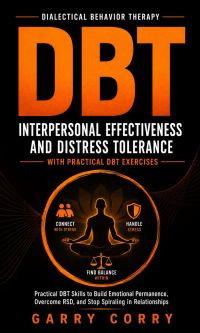
Dbt: Interpersonal Effectiveness and Distress Tolerance With Practical dbt Exercises (Practical dbt Skills to Build Emotional Permanence, Overcome Rsd, and Stop Spiraling in Relationships)Garry Corry2h 15m$3.50 · $0.00

The Monk’s MindsetSam Yo7h4.6 (239)$23
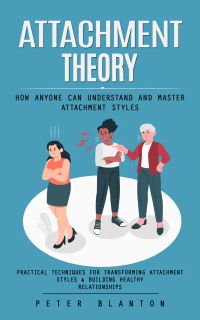
Attachment Theory: How Anyone Can Understand and Master Attachment Styles (Practical Techniques for Transforming Attachment Styles & Building Healthy Relationships)Peter Blanton1h 1m$3.50 · $0.00

Destination UnknownElijah C. Prescott7h 2m$4.10 · $0.00
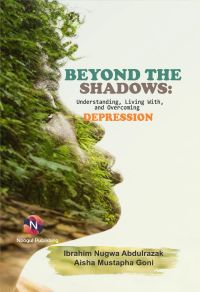
Beyond The Shadows: Understanding, Living With, and Overcoming DepressionIBRAHIM ABDULRAZAK NUGWA14h 38m$26 · $0.00

Trapped in ProductivityNoah W. Harrington5h 14m$4.10 · $0.00
Growth Is Uncomfortable and NecessaryNora Rothberg5h 2m$5
The Resilient FounderSloane Whitford5h 29m$10 · $0.00

Empowering Affirmations for WomenWillow R. Stone4h 24m$3.50 · $0.00