
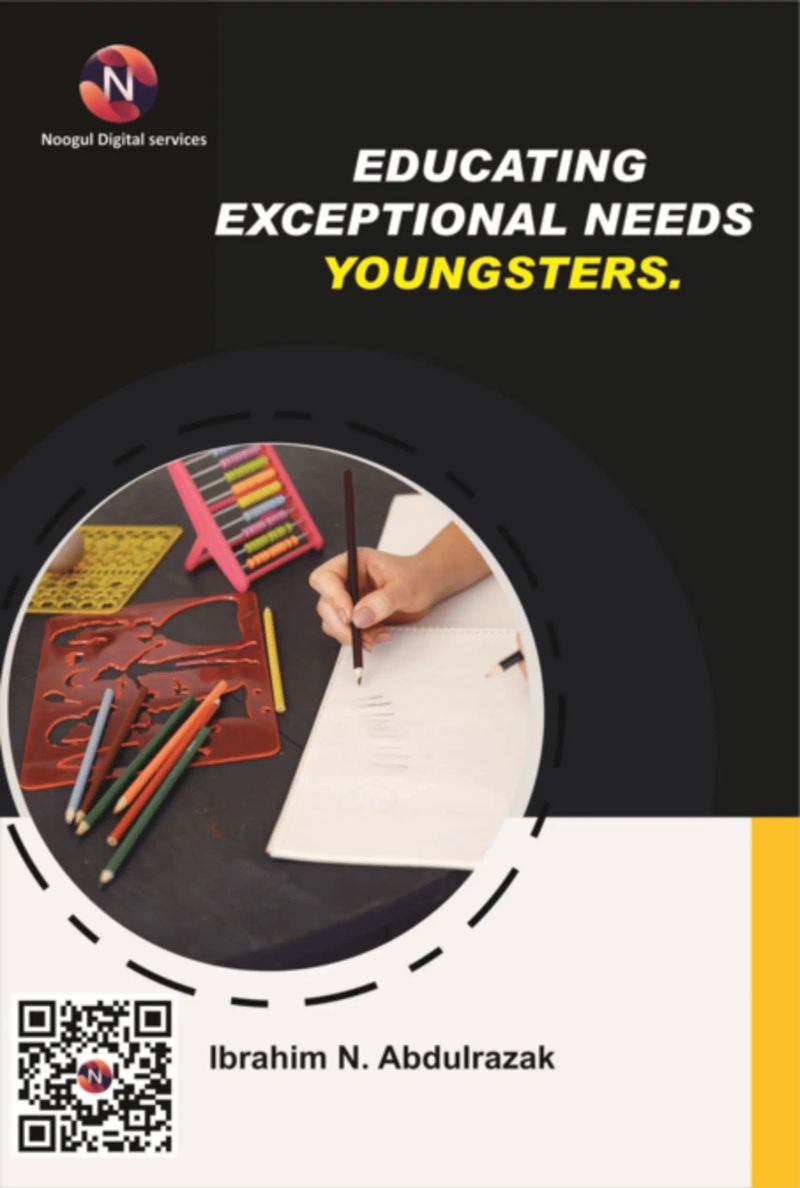
Educating Exceptional Needs Youngsters.
By Ibrahim Nugwa Abdulrazak


Length5h 31m
About this audiobook
Educating Exceptional Needs Youngsters is a comprehensive guide designed to support educators, parents, and healthcare professionals in addressing the multifaceted needs of children with special education requirements. The book covers a wide array of topics that span early childhood education, guidance and counseling, technology integration, rehabilitation, and specialized training, offering practical strategies and theoretical insights for effective support and intervention. In Section One, the book delves into the philosophy and goals of early childhood education for children with special needs, emphasizing early detection and collaboration between parents and professionals. It provides detailed frameworks for evaluating and assessing children, as well as suggestions for home-based and center-based programs tailored to diverse educational needs. Section Two focuses on guidance and counseling, outlining essential strategies for addressing the emotional, psychological, vocational, and social needs of children with special needs. It highlights the critical role of counseling for both children and their families, providing insight into effective communication, adjustment, and reality counseling, as well as the importance of family involvement. Section Three explores the use of Information and Communication Technology (ICT) as a vital tool for supporting children with hearing and visual impairments. This section emphasizes the role of ICT in enhancing educational experiences and social interaction, while also discussing the prerequisites for successful implementation. In Section Four, the book addresses rehabilitation, distinguishing between rehabilitation and habituation, and outlining different forms of rehabilitation, such as educational, vocational, and medical. It provides guidance on establishing rehabilitation settings and understanding the stages of medical and psychosocial rehabilitation. Section Five covers the development of independent living skills and basic work skills for individuals with special needs. The section outlines various training techniques in self-help, communication, socialization, and vocational skills, with a focus on enabling individuals to live fulfilling, independent lives. Sections Six, Seven, and Eight provide practical insights into diagnostic and remedial strategies for subjects like mathematics, reading, and writing. These sections tackle the challenges children with learning disabilities face, offering targeted interventions and strategies for overcoming barriers in academic performance. Section Nine delves into language and speech disorders, providing a thorough understanding of various speech and language impairments, including dysarthria, aphasia, and dysphonia. It discusses the assessment tools available for speech therapy and offers treatment options for children with these challenges. Finally, Section Ten examines disorders of learning, detailing specific learning disabilities and the strategies educators can employ to address them. This section also includes a discussion on specific reading problems and provides practical approaches to help children overcome learning difficulties. Overall, Educating Exceptional Needs Youngsters serves as an invaluable resource for all those involved in the education and care of children with special needs, combining theoretical foundations with practical advice to promote their development and well-being.
Audiobook details
GenreEducation and Learning
Length5 hrs 31 mins
Narrated byListen with 1,000+ voices
FormateBook with Audio
Publish dateJan 23, 2025
LanguagePortuguese
Table of contents
1Introduction
2SECTION ONE:
3EARLY CHILDHOOD EDUCATION FOR CHILDREN WITH SPECIAL NEEDS.
4The Philosophy of Pre-primary (Kindergarten) and Primary (Elementary) Education
5Nature, Purpose and Types of Early Child Education.
Show all chaptersShow less
6Purpose of Early Child Education
7Early Detection and Identification of Children with Special Education Needs
8Identification
9Working With Parents (Counseling) On Continuing Work Done In School At Home
10A productive parent professional relationship provides professionals with:
11The productive parent professional relationship provides the parents with the followings:
12And of most importance, a productive parent professional relationship provides the child with:
13Evaluation and Assessment of Child
14Referrals:
15Collaboration:
16Educational Needs of Pre School Children with Special Needs
17SECTION TWO:
18GUIDANCE AND COUNSELING FOR LEARNERS WITH SPECIAL NEEDS.
19Introduction
20The Goals or Objectives of Guidance and Counseling for Special Needs Persons
21Scope of Counseling and Guidance
22How to Carry Out G/C to Special Needs Learners
23Guidance Needs of Learners with Special Needs
24Clues on How to Counsel Special Need Persons or Students
25Qualities of A Good Counsellor to Special Needs Persons
26Counseling the Special Needs Persons through Parents, Relatives, Friends and School Staff
27Counseling Needs Of Families with Special Needs Learners
28The Counseling Needs
29SECTION THREE:
30INFORMATION COMMUNICATION TECHNOLOGY ICT FOR LEARNERS WITH SPECIAL NEEDS
31What is Information Technology?
32Information:
33Computer
34History of computer technology
35First Generation of Computer (1940s-1950s)
36Second Generation of Computer (1950s-1960s)
37Third Generation of Computer (1960s-1970s)
38Fourth Generation of Computer (1970s-1980s)
39Fifth Generation of Computer (1980s-1990s)
40The Role of Information and Communication Technology
41Need for Communication and Information
42I C T for persons with hearing problems
43ICT for Persons with Visual Problems
44Computer-Based Instruction
45Social Interaction and Recreation
46Importance of ICT in Special Needs Education
47Prerequisites for Computer Use
48The Educational Uses of Information and Communication Technology
49The use of Information and Communication Technology in Teaching the Deaf.
50ICT for Distance Learning
More from Ibrahim Nugwa Abdulrazak
As Obras De PlatãoPlatão3h 57m4.7 (1.3K)$6 · $0.00

Árvore e folhaJ.R.R. Tolkien4h 59m4.3 (6.3K)$12 · $0.00

Ética, Espiritualidade E CidadaniaAri Antônio Da Silva7h 40m$10 · $0.00

Homo Sapiens Teknelogo - A Superficial Condição HumanaAna Paula Pinho9h 43m$17 · $0.00

O Homem EternoAlexandre Marcondes3h 10m4.8 (3.9K)$5 · $0.00

Filhos Melhores Para O MundoBárbara Flores5h 30m4.8 (1.1K)$7 · $0.00
Seja YounikTiago Bruneto2h 32m4.7 (3.7K)$6 · $0.00

O Livro Dos Mártires IlustradoJohn Foxe11h 52m4.6 (5.1K)$5 · $0.00
Dicionário Paulo FreireUnknown Author26h 51m4.6 (1.4K)$10.99 · $0.00
As Obras De PlatãoPlatão3h 48m4.6 (682)$6 · $0.00
Em defesa da escolaJan Masschelein, Maarten Simons5h 26m4.6 (726)$10 · $0.00

Meditação: Homem-perfeição Na Deus-satisfaçãoSri Chinmoy6h 44m4.6 (470)$13 · $0.00
Avaliação E Educação InfantilJussara Hoffmann3h 45m4.5 (2.7K)$9 · $0.00

Teoria Dos JogosFernando Barrichelo2h 21m4.5 (543)$5 · $0.00

O homem e seus símbolosCarl G. Jung, Joseph L. Henderson, M.-L. von Franz, Aniela Jaffé, Jolande Jacobi, John Freeman14h 50m4.4 (156.9K)$14 · $0.00
Focado Em PessoasPedro Janot6h 48m4.4 (1.8K)$7 · $0.00

Gramática da fantasiaGianni Rodari6h 59m4.4 (3.2K)$9 · $0.00
Faça-os ler!Michel Desmurget12h 5m4.5 (321)$11.99 · $0.00
Para além da aprendizagem - Educação democrática para um futuro humanoGert Biesta5h 57m4.5 (278)$9 · $0.00

Piaget, Vigotski, WallonYves de La Taille, Marta Kohl de Oliveira, Heloysa Dantas5h 10m4.3 (3.4K)$8 · $0.00
You may also like

Como falar para seu filho ouvir e como ouvir para seu filho falarAdele Faber, Elaine Mazlish7h 45m4.5 (12.3K)$12 · $0.00
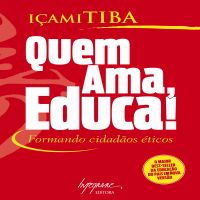
Quem ama, educa!Içami Tiba9h 50m4.3 (1.6K)$8 · $0.00
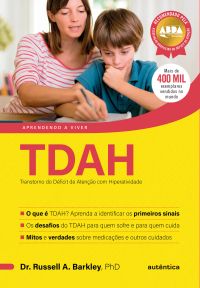
TDAH - Transtorno do Déficit de Atenção com HiperatividadeRussell A. Barkley19h 1m4.8 (1.2K)$14.99
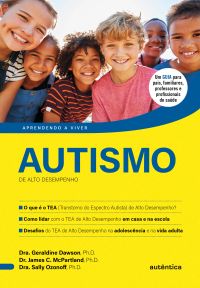
Autismo de Alto DesempenhoGeraldine Dawson - PhD, James C. McPartland - PhD, Sally Ozonoff - PhD10h 48m4.4 (1.1K)$15

Mãe PresenteWilma Oliveira44m4.9 (24)$9 · $0.00

A Jornada Da Menina AutistaViviane Sdj6m$5 · $0.00

"mentes Brilhantes"Elaine Apolonio2h 39m$7 · $0.00

Coleção Lendo E Aprendendo Sobre O Autismo Diagnóstico Precoce: A Chave Para O Desenvolvimento No AutismoIris Cristina Gomes Do Nascimento Ferreira59m$7 · $0.00
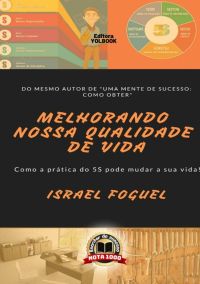
Melhorando Nossa Qualidade De VidaIsrael Foguel2h 29m$7 · $0.00

Guia Do Relacionamento "perfeito"Diógenes Firmiano2h 9m$6 · $0.00
Criando Filhos Com TdahOdilon Reis3h 8m$8 · $0.00

Nutrição e transtornos alimentaresUnknown Author52m4.6 (40)$9 · $0.00

Um novo olhar no cuidado com a gestaçãoCristiano José da Silva7h 45m$13 · $0.00
Ensine a criança a pensar e a tomar decisõesAna Maria de Almeida Motta5h 8m$13 · $0.00

Perseguido Por Ele - Todos Os DiasFabricio Santolli14h 34m$6 · $0.00

Virtuoso Ou Vicioso?Luis Henrique Faiock4h 19m$6 · $0.00

A Tríade Da VidaMarco Oliveira3h 19m$6 · $0.00

Dê Adeus Ao DesesperoBruno Costa15m$6 · $0.00
A relação entre afetividade e inclusão escolarSuze Almeida Oliveira Menezes1h 20m$10 · $0.00
Laços Afetivos Na EducaçãoJacqueline Rodrigues Silva2h 7m$6 · $0.00