
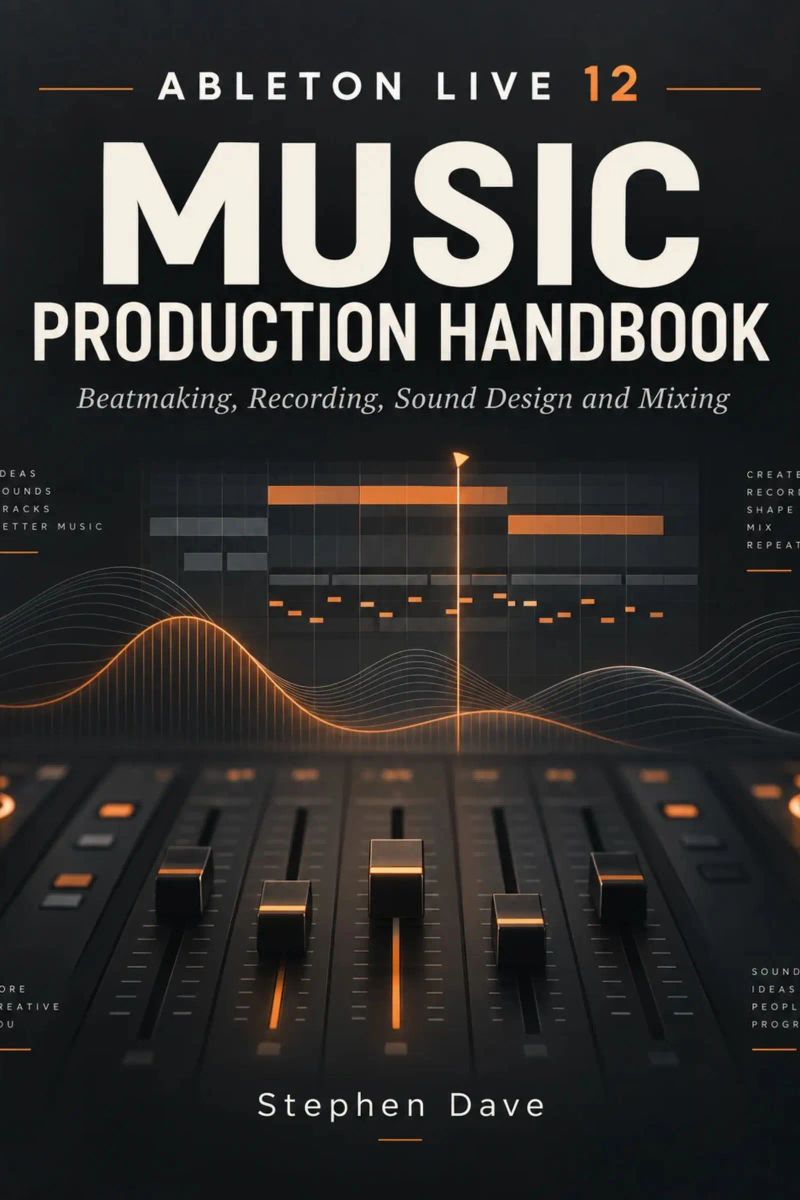
ABLETON LIVE 12 MUSIC PRODUCTION HANDBOOK
Beatmaking, Recording, Sound Design and MixingBy Stephen Dave


Length21h 54m
About this audiobook
Modern music-production software brings composition, recording, editing, sound design, mixing, performance, and file management into one environment. The challenge is learning how those systems connect.
A silent track, weak groove, late recording, missing file, overloaded effect chain, or unfinished arrangement can come from very different causes. Random clicking may hide the real problem rather than solve it.
This handbook provides a practical workflow for building projects, shaping sounds, arranging complete songs, recording performances, mixing effectively, and troubleshooting common production problems.
Readers begin with installation, audio configuration, workspace navigation, monitoring, latency, folders, and project organization before moving into rhythm programming, harmony, bass, MIDI editing, sampling, clip-based composition, and timeline arrangement.
More advanced chapters explore recording, comping, timing correction, synthesis, effects, automation, resampling, signal routing, gain structure, equalization, dynamics, stereo processing, mastering, export, live performance, controller mapping, optimization, and project recovery.
Inside, you will learn how to:
• Configure audio interfaces, monitoring, buffers, controllers, and project folders.
• Program drums, grooves, bass lines, harmony, and melodic parts.
• Use clips and timeline arrangements to develop complete songs.
• Record, edit, comp, and correct performances.
• Build sounds through synthesis, sampling, modulation, and resampling.
• Route signals through tracks, buses, sends, returns, and effects.
• Apply gain staging, EQ, compression, spatial processing, and automation.
• Prepare finished projects for export and performance.
• Diagnose silence, latency, overloads, missing media, routing errors, and project problems.
The emphasis throughout is on understanding signal flow and cause-and-effect rather than memorizing isolated commands. Practical workflows, comparison tables, troubleshooting paths, and decision points help readers build repeatable production habits.
Written for beginning and intermediate producers, beatmakers, musicians, songwriters, home-recording creators, performers, educators, and experienced users who want a structured reference, this handbook can be read from beginning to end or opened whenever a particular production workflow breaks down.
Build stronger projects, make clearer technical decisions, and develop a music-production workflow you can repeat with confidence.
Audiobook details
GenreOther
Length21 hrs 54 mins
Narrated byListen with 1,000+ voices
FormateBook with Audio
Publish dateSep 29, 2026
LanguageEnglish
Table of contents
1Understanding Ableton Live 12
21.1 Live is an instrument, recorder, sequencer, and performance environment
31.2 Think in musical material, signal paths, and song structure
41.3 Session View: a place to test combinations
51.4 Arrangement View: a place to control the complete journey
Show all chaptersShow less
61.5 Tracks: the working channels of the song
71.6 Clips: containers for musical events
81.7 Audio and MIDI: two different kinds of information
91.8 Devices: how signals become sounds and change character
101.9 The browser, mixer, and control bar: three jobs, not three mysteries
111.10 Understanding what an edition gives you
121.11 A project is more than the file you click to open
131.12 Three production routes through the same software
141.13 Running project: the Harbor Lights sketch
151.14 A five-minute orientation exercise
161.15 Diagnose the concept before diagnosing the software
17Chapter checkpoint
18Installation and Audio Configuration
192.1 Confirm the system, edition, and installer before changing anything
202.2 Separate Live authorization from plug-in and content authorization
212.3 Understand the complete audio route
222.4 Set the driver and devices correctly
232.5 Choose buffer size according to the work being done
242.6 Make the first input and output tests independently
252.7 Configure a basic MIDI keyboard without enabling unnecessary switches
262.8 Set up the working directory and recovery habits
272.9 Diagnose the setup by locating the first broken link
282.10 Practice: certify the setup for Harbor Lights
29Navigating the Live 12 Workspace
303.1 Orient yourself around a six-stage work path
313.2 Read the control bar without treating it as decoration
323.3 Use the Browser as a search system, not an endless audition list
333.4 Distinguish the two views while remembering that tracks are shared
343.5 Recognize the different track types by what flows through them
353.6 Find Clip View when the musical content must change
363.7 Open Device View to follow the processing chain
373.8 Read mixer information before reaching for a plug-in
383.9 Choose a short list of shortcuts worth retaining
393.10 Practice: locate the cause of five familiar problems
40Building Your First Music Project
414.1 Define the first music project
424.2 Build a four-bar rhythmic foundation
434.3 Add a bass part with a defined relationship to the drums
444.4 Write a chord layer that supports rather than fills every space
454.5 Create one memorable lead phrase, then stop searching
464.6 Convert the loop into a simple sixteen-bar arrangement
474.7 Use processing only when you can name the problem
484.8 Save a project that another session can actually open
494.9 Evaluate the sketch using musical questions
504.10 Chapter checkpoint: the evidence of a working project
More from Stephen Dave
CHAMSYS MAGICQ LIGHTING CONTROL HANDBOOKStephen Dave18h 18m$9
Akai MPC One G2 & One+ Music Production HandbookStephen Dave15h 52m4.4 (16)$10

Akai MPC One G2 & One+ MusikproduktionshandbuchStephen Dave18h 58m$9
Akai MPC One G2 & One+ Manuel de la production musicaleStephen Dave18h 52m$9
DEEPSKYSTACKER 6 Astrophotography HandbookStephen Dave7h 57m$9

FL Studio HANDBUCH FÜR MUSIKPRODUKTION 2027Stephen Dave25h 48m$9
CHAMSYS MAGICQ LICHTSTEUERUNGSHANDBUCHStephen Dave21h 29m$9
FL STUDIO MUSIC PRODUCTION HANDBOOK 2027Stephen Dave21h 10m$9
DEEPSKYSTACKER 6 Manuel d'astrophotographieStephen Dave10h 7m$9

DEEPSKYSTACKER 6 Handbuch der AstrofotografieStephen Dave9h 52m$9
CHAMSYS MAGICQ MANUEL DE CONTRÔLE DE L'ÉCLAIRAGEStephen Dave21h 30m$9
Bluebeam revu 21 Baustart & SchätzungshandbuchStephen Dave21h 40m$10
Bluebeam Revu 21 Décollage en construction & Manuel d'estimationStephen Dave21h 56m$10
Bluebeam revu 21 Construction Takeoff & Estimating HandbookStephen Dave18h 31m$10
ABLETON LIVE 12 HANDBUCH DER MUSIKPRODUKTIONStephen Dave26h 42m$10
ABLETON LIVE 12 MANUEL DE PRODUCTION MUSICALEStephen Dave26h 22m4.8 (12)$10

Mere ChristianityC. S. Lewis7h 7m4.4 (519.7K)$24 · $0.00

Her Daily BreadKate Wood12h 57m4.6 (153)$33 · $0.00
The Holy Bible - 1 SamuelKing James2h 13m4.8 (1.6K)$3 · $0.00

The American Standard Bible — The Gospel of MatthewMatthew3h 56m4.7 (3K)$2 · $0.00

Bad Fat Black GirlSesali Bowen6h 32m4.7 (2.8K)$24 · $0.00
The King James Audio Bible New Testament CompleteChristopher Glyn20h 2m4.7 (2.6K)$12 · $0.00

Faiths CheckbookCharles Spurgeon12h 44m4.7 (3.2K)$11 · $0.00

Ten Things I Wish You Knew About Your Child's Mental HealthDr. Billy Garvey4h 53m4.7 (2.4K)$20 · $0.00
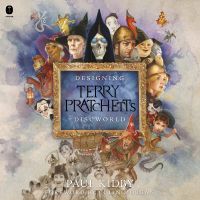
Designing Terry Pratchett’s DiscworldPaul Kidby3h 52m4.7 (343)$20 · $0.00

The Chosen Book OneAmanda Jenkins, Kristen Hendricks, Dallas Jenkins3h 8m4.6 (4.9K)$10 · $0.00
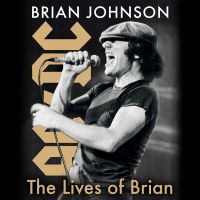
The Lives of BrianBrian Johnson9h 45m4.6 (3.5K)$29 · $0.00
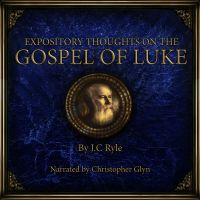
Expository Thoughts on the Gospel of LukeJ.C. Ryle27h 13m4.7 (536)$18 · $0.00

CrossroadsKaleb Dahlgren7h 56m4.6 (4.9K)$26 · $0.00

Across the RiverKent Babb11h 40m4.6 (927)$29 · $0.00

Brain Training for RidersAndrea Monsarrat Waldo5h 56m4.7 (550)$19 · $0.00

My Effin' LifeGeddy Lee17h 11m4.6 (13.1K)$40 · $0.00

Kings and PawnsHoward Bryant10h 9m4.6 (678)$29 · $0.00

The Elementia Chronicles #2: The New OrderSean Fay Wolfe11h 17m4.6 (841)$29 · $0.00

The ActsLuke2h 55m4.6 (19.7K)$12 · $0.00

New Testament - Easy NavigationWorld English Bible19h 35m4.6 (1.3K)$1.30 · $0.00
You may also like

Der StruwwelpeterHeinrich Hoffmann2m4.0 (20.2K)$2.30

Volkswagen Transporters T4 Workshop ManualOwners Edition4m4.4 (42)$24 · $0.00

How to Play Chess (Annotated)Charlotte Boardman Rogers2h 43m4.1 (12)$2 · $0.00

Prelude in Cm (Chopin)Bill Brown Jr.30m$2

How to Make Money Flipping Houses - How to Find Undervalued Properties, Control Renovation Costs, and Sell at the Right PriceJACK FLIPWELL4h 31m$7.70 · $0.00
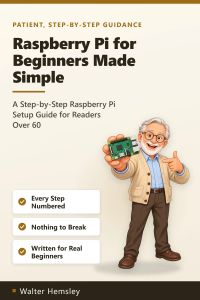
Raspberry Pi for Beginners Made SimpleWalter Hemsley4h 21m$13

Garmin Watch Made SimpleWalter Hemsley4h 17m$8

Samsung Galaxy for SeniorsWalter Hemsley3h 47m$7

The Senior-Friendly Guide to SpotifyWalter Hemsley3h 34m$5

Open Arms – Classical soloBill Brown Jr.45m$4
Thoughtful Engineering DecisionsDevin Marchetti11h 40m$45
Lookin' Out My Back DoorBill Brown Jr.1h 2m$10

Inglês Para Quem Ainda Não Sabe Tudo.William Mcpower2h 29m$9 · $0.00

Microsoft Planner Made SimpleRuth Callender4h 24m$8

Competitive Dynamics Of Air Transport In Brazil: 2008-2014Luiz Fernando Abel4h 55m$18 · $0.00

The Money Pit, Vol. 13Tom Kraeutler, Leslie Segrete9h 41m$20

What Even Is an APIFlorence Larkin7h$5 · $0.00

The Little Girl's Sewing BookVarious2h 41m$1 · $0.00

Up Around the BendBill Brown Jr.29m$2

Dear Hearts and Gentle PeopleBill Brown Jr.37m$4