
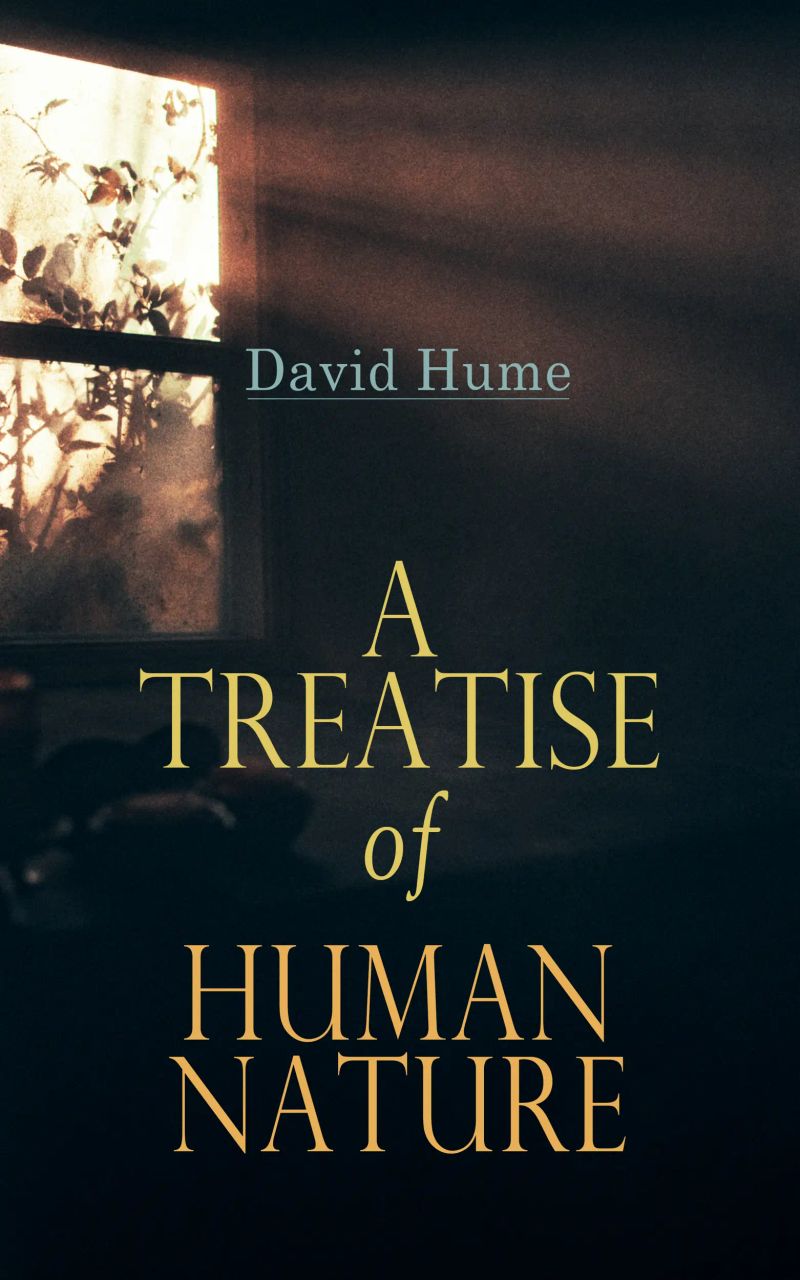


Length24h 51m
About this audiobook
A Treatise of Human Nature by David Hume is considered by many to be his most important work and one of the most influential works in the history of philosophy. The Treatise is a classic statement of philosophical empiricism, skepticism, and naturalism. In the introduction Hume presents the idea of placing all science and philosophy on a novel foundation: namely, an empirical investigation into human nature. Contemporary philosophers have written of Hume that "no man has influenced the history of philosophy to a deeper or more disturbing degree" and that Hume's Treatise is "the founding document of cognitive science" and the "most important philosophical work written in English."
Contents:
Of the Understanding
Of Ideas, Their Origin, Composition, Connexion, Abstraction, Etc.
Of the Ideas of Space and Time.
Of Knowledge and Probability.
Of the Sceptical and Other Systems of Philosophy.
Of the Passions
Of Pride and Humility
Of Love and Hatred
Of the Will and Direct Passions
Of Morals
Of Virtue and Vice in General
Of Justice and Injustice
Of the Other Virtues and Vices
Audiobook details
GenrePhilosophy
Length24 hrs 51 mins
Narrated byListen with 1,000+ voices
FormateBook with Audio
Publish dateApr 4, 2019
LanguageEnglish
Table of contents
1Introduction
54Section X. Of Property And Riches
2BOOK I. OF THE UNDERSTANDING
55Section XI. Of The Love Of Fame
3Part I. Of Ideas, Their Origin, Composition, Connexion, Abstraction, Etc.
56Section XII. Of The Pride And Humility Of Animals
4Section I. Of The Origin Of Our Ideas
57Part II. Of Love And Hatred
5Section II. Division Of The Subject
58Section I. Of The Object And Causes Of Love And Hatred
Show all chaptersShow less
6Section III. Of The Ideas Of The Memory And Imagination
59Section II. Experiments To Confirm This System
7Section IV. Of The Connexion Or Association Of Ideas
60Section III. Difficulties Solved
8Section V. Of Relations
61Section IV. Of The Love Of Relations
9Section VI. Of Modes And Substances
62Section V. Of Our Esteem For The Rich And Powerful
10Section VII. Of Abstract Ideas
63Section VI. Of Benevolence And Anger
11Part II. Of The Ideas Of Space And Time
64Section VII. Of Compassion
12Section I. Of The Infinite Divisibility Of Our Ideas Of Space And Time
65Section VIII. Of Malice And Envy
13Section II. Of The Infinite Divisibility Of Space And Time
66Section IX. Of The Mixture Of Benevolence And Anger With Compassion And Malice
14Section III. Of The Other Qualities Of Our Idea Of Space And Time
67Section X. Of Respect And Contempt
15Section IV. Objections Answered
68Section XI. Of The Amorous Passion, Or Love Betwixt The Sexes
16Section V. The Same Subject Continued
69Section XII. Of The Love And Hatred Of Animals
17Section VI. Of The Idea Of Existence, And Of External Existence
70Part III. Of The Will And Direct Passions
18Part III. Of Knowledge And Probability
71Section I. Of Liberty And Necessity
19Section I. Of Knowledge
72Section II. The Same Subject Continued
20Section II. Of Probability, And Of The Idea Of Cause And Effect
73Section III. Of The Influencing Motives Of The Will
21Section III. Why A Cause Is Always Necessary
74Section IV. Of The Causes Of The Violent Passions
22Section IV. Of The Component Parts Of Our Reasonings Concerning Cause And Effect
75Section V. Of The Effects Of Custom
23Section V. Of The Impressions Of The Senses And Memory
76Section VI. Of The Influence Of The Imagination On The Passions
24Section VI. Of The Inference From The Impression To The Idea
77Section VII. Of Contiguity And Distance In Space And Time
25Section VII. Of The Nature Of The Idea Or Belief
78Section VIII. The Same Subject Continued
26Section VIII. Of The Causes Of Belief
79Section IX. Of The Direct Passions
27Section IX. Of The Effects Of Other Relations And Other Habits
80Section X. Of Curiosity, Or The Love Of Truth
28Section X. Of The Influence Of Belief
81BOOK III. OF MORALS
29Section XI. Of The Probability Of Chances
82Part I. Of Virtue And Vice In General
30Section XII. Of The Probability Of Causes
83Section I. Moral Distinctions Not Derived From Reason
31Section XIII. Of Unphilosophical Probability
84Section II. Moral Distinctions Derived From A Moral Sense
32Section XIV. Of The Idea Of Necessary Connexion
85Part II. Of Justice And Injustice
33Section XV. Rules By Which To Judge Of Causes And Effects
86Section I. Justice, Whether A Natural Or Artificial Virtue?
34Section XVI. Of The Reason Of Animals
87Section II. Of The Origin Of Justice And Property
35Part IV. Of The Sceptical And Other Systems Of Philosophy
88Section III. Of The Rules Which Determine Property
36Section I. Of Scepticism With Regard To Reason
89Section IV. Of The Transference Of Property By Consent
37Section II. Of Scepticism With Regard To The Senses
90Section V. Of The Obligation Of Promises
38Section III. Of The Antient Philosophy
91Section VI. Some Farther Reflections Concerning Justice And Injustice
39Section IV. Of The Modern Philosophy
92Section VII. Of The Origin Of Government
40Section V. Of The Immateriality Of The Soul
93Section VIII. Of The Source Of Allegiance
41Section VI. Of Personal Identity
94Section IX. Of The Measures Of Allegiance
42Section VII. Conclusion Of This Book
95Section X. Of The Objects Of Allegiance
43BOOK II. OF THE PASSIONS
96Section XI. Of The Laws Of Nations
44Part I. Of Pride And Humility
97Section XII. Of Chastity And Modesty
45Section I. Division Of The Subject
98Part III. Of The Other Virtues And Vices
46Section II. Of Pride And Humility, Their Objects And Causes
99Section I. Of The Origin Of The Natural Virtues And Vices
47Section III. Whence These Objects And Causes Are Derived
100Section II. Of Greatness Of Mind
48Section IV. Of The Relations Of Impressions And Ideas
101Section III. Of Goodness And Benevolence
49Section V. Of The Influence Of These Relations On Pride And Humility
102Section IV. Of Natural Abilities
50Section VI. Limitations Of This System
103Section V. Some Farther Reflections Concerning The Natural Virtues
51Section VII. Of Vice And Virtue
104Section VI. Conclusion Of This Book
52Section VIII. Of Beauty And Deformity
105Appendix
53Section IX. Of External Advantages And Disadvantages

The Essence of Hume's PhilosophyDavid Hume37h 36m$2 · $0.00

Dialogues Concerning Natural ReligionDavid Hume5h 4m$1 · $0.00

The Natural History of ReligionDavid Hume4h$2 · $0.00

The History of England (Complete 6 Volumes)David Hume131h 50m$1 · $0.00

An Enquiry Concerning Human UnderstandingDavid Hume6h 43m$2 · $0.00

David Hume: The Collected WorksDavid Hume37h 13m$1 · $0.00

Of the Standard of TasteDavid Hume52m$2 · $0.00

The History of England (Summarized Edition)David Hume25h 41m$2

An Enquiry Concerning Human UnderstandingDavid Hume7h 23m$1 · $0.00
The Complete Works of David HumeDavid Hume216h 9m$1 · $0.00

The History of England: From Elizabeth to James IDavid Hume28h 13m$2 · $0.00
The Essence of Hume's PhilosophyDavid Hume36h 17m$2 · $0.00
An Enquiry Concerning Human UnderstandingDavid Hume5h 22m$1 · $0.00

Dialoge über natürliche Religion (Zusammengefasste Ausgabe)David Hume2h 11m$2

Of the Standard of TasteDavid Hume2h 14m$2 · $0.00

The History of England (Summarized Edition)David Hume25h 34m$2

The History of England (Vol. 1-6)David Hume130h 50m$1 · $0.00

The History of England: From Henry VII. to MaryDavid Hume16h 53m$1 · $0.00

Eine Untersuchung über den menschlichen VerstandDavid Hume7h 55m$2 · $0.00

Dialoge über natürliche ReligionDavid Hume4h 31m$2 · $0.00

The Tao of Joy Every DayDerek Lin10h 24m$20 · $0.00

Old Path White CloudsThich Nhat Hanh16h 39m$25

Plato: Complete WorksPlato141h 44m$2 · $0.00

WitnessAriel Burger8h 1m$20 · $0.00

Philosophy and Opinions of Marcus GarveyMarcus Mosiah Garvey3h 1m$2 · $0.00

Feeling Is The SecretNeville Goddard44m5 (1)$2 · $0.00

The Way to a Beautiful WorldJames Norbury44m$9 · $0.00

The Collected Works of Friedrich NietzscheFriedrich Nietzsche92h$2 · $0.00
The Practicing StoicWard Farnsworth9h 56m$20

Moral Letters to LuciliusLucius Annaeus Seneca25h 38m$2 · $0.00

THE THREE CRITIQUES: The Critique of Pure Reason, The Critique of Practical Reason & The Critique of JudgmentImmanuel Kant46h 10m$1 · $0.00

The Complete Essays of MontaigneMichel de Montaigne45h 30m$2 · $0.00

The Origin of OthersToni Morrison2h 25m$20
The LawFrédéric Bastiat2h 7m$10

IlluminationsWalter Benjamin10h 12m$20 · $0.00

Tâo Teh KingLaozi2h 38m$2 · $0.00

Buddhist Boot CampTimber Hawkeye2h 39m$18 · $0.00

The DhammapadaFriedrich Max Müller1h 30m$15

Change Your MindRJ Spina7h 5m$17

SUMMA THEOLOGICAThomas Aquinas282h 57m$1 · $0.00
You may also like

ADHD & FocusEric Holt3h 36m Only with Ultra
The Essence of Hume's PhilosophyDavid Hume37h 36m$2 · $0.00

ListenMichel Faber12h 49m$33 · $0.00

A Treatise of Human NatureDavid Hume24h 50m$2.30

Children and Their BooksJames Hosmer Penniman40m$2 · $0.00

Power of Mental ImageryWarren Hilton48m$1 · $0.00

The Physical Basis of MindGeorge Henry Lewes20h 14m$2 · $0.00

Matter & MemoryHenri Bergson10h 36m$2 · $0.00

PsychologyDon Baucum PhD8h 30m$17

The Seven Sins Of MemoryDaniel L. Schacter13h 14m$33 · $0.00

The Physical Basis of MindGeorge Henry Lewes19h 5m$2 · $0.00

HENRY BERGSON Premium CollectionHenri Bergson27h 58m$2 · $0.00

Ask the Brains, Part 1Scientific American3h 18m$15 · $0.00

Brief Amicus Curiae of the American Psychological AssociationSupreme Court of the State of California1h 53m$2 · $0.00

Psychoanalysis and LoveAndré Tridon7h 27m$1 · $0.00

Facets of Ayn RandMary Ann Sures, Charles Sures3h 51m$12 · $0.00

The Predictably IrrationalDan Ariely7h 24m$24 · $0.00

Psychopathology of Everyday LifeSigmund Freud7h 53m$2 · $0.00

PrefaceJohn Cheever6m$4 · $0.00
What to Read and WhyFrancine Prose10h 14m$29 · $0.00