
Zoonomia - The Laws of Organic Life (Vol. 1&2)
By Erasmus Darwin


Length46h 56m
About this audiobook
Erasmus Darwin's Zoonomia - The Laws of Organic Life (Vol. 1&2) is a groundbreaking work that delves into the principles of physiology and pathology, interweaving scientific knowledge with poetic flair. Written in a complex yet engaging style, Darwin's exploration of the vital processes of life reflects the Enlightenment-era fascination with natural philosophy. The book covers a wide range of topics, from the functions of organs to the mechanisms of diseases, all presented with vivid descriptions and insightful observations. Zoonomia stands as a testament to Darwin's innovative approach to scientific writing, paving the way for future generations of biologists and philosophers. Erasmus Darwin's background as a physician and polymath provides a unique perspective that enriches the content of the book. His keen intellect and passion for understanding the mysteries of life shine through in every page, making Zoonomia a captivating read for anyone interested in the history of biology and medicine. I highly recommend Zoonomia to readers seeking a profound exploration of organic life, as well as those fascinated by the intersection of science and literature.
Audiobook details
Rating★★★★ 3.7 (13)
Includes Goodreads
GenreHealth and Wellness
Length46 hrs 56 mins
Narrated byListen with 1,000+ voices
FormateBook with Audio
Publish dateJan 4, 2022
LanguageEnglish
Table of contents
1Charles Darwin: On the Origin of Species & On the Tendency of Species to Form Varieties
2Zoonomia: The Laws of Organic Life
3Volume 1
4PREFACE.
5Part I.
Show all chaptersShow less
6SECT. I. OF MOTION.
7SECT. II. EXPLANATIONS AND DEFINITIONS.
8SECT. III. THE MOTIONS OF THE RETINA DEMONSTRATED BY EXPERIMENTS.
9SECT. IV. LAWS OF ANIMAL CAUSATION.
10SECT. V. OF THE FOUR FACULTIES OR MOTIONS OF THE SENSORIUM.
11SECT. VI. OF THE FOUR CLASSES OF FIBROUS MOTIONS.
12SECT. VII. OF IRRITATIVE MOTIONS.
13SECT. VIII. OF SENSITIVE MOTIONS.
14SECT. IX. OF VOLUNTARY MOTIONS.
15SECT. X. OF ASSOCIATE MOTIONS.
16SECT. XI. ADDITIONAL OBSERVATIONS ON THE SENSORIAL POWERS.
17SECT. XII. OF STIMULUS, SENSORIAL EXERTION, AND FIBROUS CONTRACTION.
18SECT. XIII. OF VEGETABLE ANIMATION.
19SECT. XIV. OF THE PRODUCTION OF IDEAS.
20SECT. XV. OF THE CLASSES OF IDEAS.
21SECT. XVI. OF INSTINCT.
22SECT. XVII. THE CATENATION OF MOTIONS.
23SECT. XVIII. OF SLEEP.
24SECT. XIX. OF REVERIE.
25SECT. XX. OF VERTIGO.
26SECT. XXI. OF DRUNKENNESS.
27SECT. XXII. OF PROPENSITY TO MOTION, REPETITION AND IMITATION.
28SECT. XXIII. OF THE CIRCULATORY SYSTEM.
29SECT. XXIV. OF THE SECRETIONS OF SALIVA, AND OF TEARS, AND OF THE LACRYMAL SACK.
30SECT. XXV. OF THE STOMACH AND INTESTINES.
31SECT. XXVI. OF THE CAPILLARY GLANDS AND MEMBRANES.
32SECT. XXVII. OF HÆMORRHAGES.
33SECT. XXVIII. OF THE PARALYSIS OF THE ABSORBENT SYSTEM.
34SECT. XXIX. ON THE RETROGRADE MOTIONS OF THE ABSORBENT SYSTEM.
35SECT. XXX. PARALYSIS OF THE LIVER AND KIDNEYS.
36SECT. XXXI. OF TEMPERAMENTS.
37SECT. XXXII. DISEASES OF IRRITATION.
38SECT. XXXIII. DISEASES OF SENSATION.
39SECT. XXXIV. DISEASES OF VOLITION.
40SECT. XXXV. DISEASES OF ASSOCIATION.
41SECT. XXXVI. OF THE PERIODS OF DISEASES.
42SECT. XXXVII. OF DIGESTION, SECRETION, NUTRITION.
43SECT. XXXVIII. OF THE OXYGENATION OF THE BLOOD IN THE LUNGS, AND IN THE PLACENTA.
44SECT. XXXIX. OF GENERATION.
45SECT. XL.
46PREFACE.
47Part II.
48CLASSES OF DISEASES.
49The Orders and Genera of the First Class of Diseases.
50The Orders, Genera, and Species, of the First Class of Diseases.
More from Erasmus Darwin
Hour of the HeartIrvin D. Yalom, Benjamin Yalom8h 19m4.6 (2.3K)$26 · $0.00

The Yoga Sutras of PatanjaliPatanjali4h 8m4.5 (18.5K)$6 · $0.00

The Lost VoiceGreta Morgan8h 30m4.7 (285)$26 · $0.00

Healthy Kids, Happy KidsElisa Song14h 18m4.6 (760)$33 · $0.00
Eat It!Jordan Syatt, Michael Vacanti4h 40m4.6 (1.5K)$20 · $0.00

Consent Laid BareChanel Contos7h 11m4.5 (1.7K)$24 · $0.00
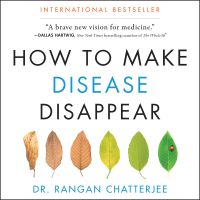
How to Make Disease DisappearRangan Chatterjee5h 26m4.5 (3.5K)$24 · $0.00

The Complete Herbal (Annotated)Nicholas Culpeper29h 8m4.5 (1.4K)$2 · $0.00

A Plague Upon Our HouseScott W. Atlas MD10h 37m4.5 (3.4K)$20 · $0.00

The Cancer CodeDr. Jason Fung10h 48m4.5 (5.3K)$29 · $0.00

The Gift of TherapyIrvin Yalom7h 39m4.5 (38.8K)$26 · $0.00

EarlySarah DiGregorio9h 47m4.5 (1.3K)$29 · $0.00

Bottle of LiesKatherine Eban14h 25m4.4 (12K)$33 · $0.00

The 36-Hour DayNancy L. Mace, Peter V. Rabins17h 13m4.4 (9.2K)$28 · $0.00

FlooredSara Reardon10h 36m4.5 (1K)$29 · $0.00

Radical RemissionKelly A. Turner9h 26m4.4 (8.1K)$29 · $0.00
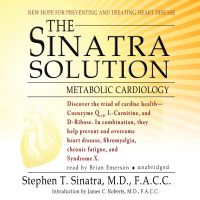
The Sinatra SolutionStephen T. Sinatra MD9h4.5 (899)$20 · $0.00

The Songaminute ManSimon McDermott6h 12m4.5 (280)$24 · $0.00
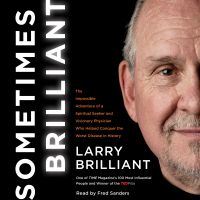
Sometimes BrilliantLarry Brilliant12h 27m4.5 (954)$29 · $0.00

Live Your LifeAmanda Kloots, Anna Kloots10h 54m4.4 (13.7K)$29 · $0.00
You may also like

Super GutWilliam Davis8h 21m4.1 (7K)$26 · $0.00
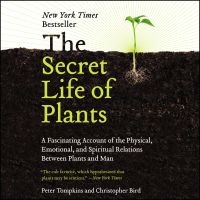
The Secret Life of PlantsPeter Tompkins, Christopher Bird16h 27m4.0 (5.5K)$40 · $0.00
The Mind-Gut ConnectionEmeran Mayer9h 58m4.0 (14.9K)$29 · $0.00
An Enquiry Concerning the Principles of MoralsDavid Hume4h 1m4.1 (7.1K)Free

Why Do Men Fall Asleep After SexMark Leyner, Billy Goldberg6h 32m3.7 (2.2K)$24 · $0.00

Gut CheckSteven R. Gundry, MD9h3.9 (2K)$29 · $0.00

Organ SpeakGiulia Enders8h 53m4.2 (1.5K)$29 · $0.00
Change Your Schedule, Change Your LifeSuhas Kshirsagar, Michelle D. Seaton7h 49m4.2 (5.5K)$26 · $0.00
Hatha Yoga (translated)William Walker Atkinson6h 56m4.2 (1.7K)$4.70 · $0.00

Pets on the CouchNicholas Dodman DVM8h 42m4.0 (1.1K)$20 · $0.00

Barium: A Cause of the Loco-Weed DiseaseAlbert Cornelius Crawford4h$2 · $0.00

Airs, Waters, PlacesHippocrates59m3.4 (98)$2 · $0.00

A Guide to HealthMahatma Gandhi2h 17m3.5 (154)$2 · $0.00
How to Stay WellChristian D.8h 46m$3.50 · $0.00
Beauty of the BeastJohn Bascom1h 44m$15 · $0.00

Understanding Fly FishingGrayson I. Pierce9h 46m$4.10 · $0.00

Forest Bathing: Reconnecting With Nature for Inner Peace (Mindful Meditation Connecting You to Nature and Eco-consciousness Through the Practice)Earnest Diamond2h 24m$3.50 · $0.00
The Science of Diet & ExerciseScientific American2h 36m$15

Forest Bathing: A Healing Guide to Self-love, Reducing Stress (The Comprehensive Guide to Immersing Yourself in Nature to Reduce Stress)William barker2h 2m$3.50 · $0.00

The Weed WizardHarper B. Caldwell3h 32m$3.50 · $0.00