
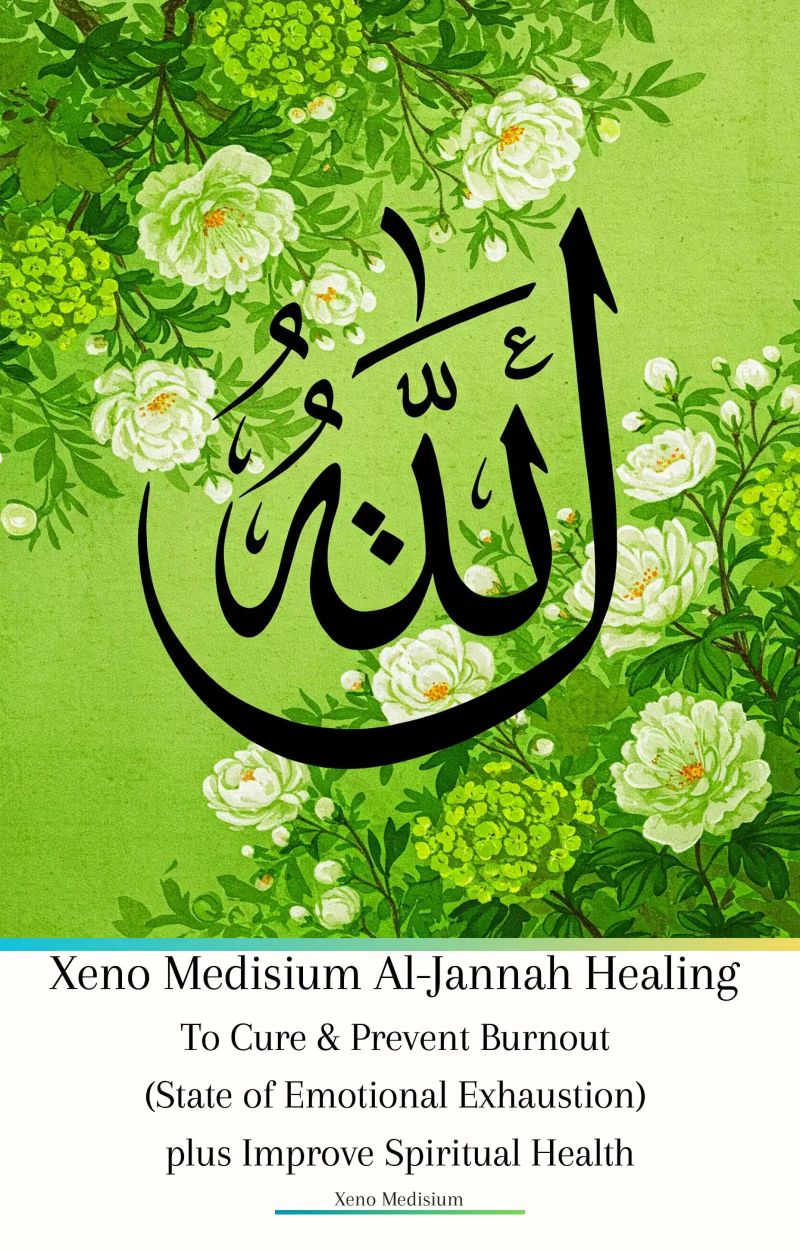
Xeno Medisium Al-Jannah Healing To Cure & Prevent Burnout (State of Emotional Exhaustion)
Plus Improve Spiritual HealthBy Xeno Medisium


Length34m
About this audiobook
In Islamic health medicine, burnout is not described using the modern term, but its concept is understood through the lens of excessive fatigue, emotional burden, and spiritual imbalance resulting from continuous stress and neglect of the soul (ruh), body (jasad), and mind ('aql). Classical Islamic scholars like Al-Razi, Ibn Sina (Avicenna), and Al-Ghazali acknowledged the interconnectedness of mental, physical, and spiritual well-being. Burnout, from an Islamic perspective, is seen as a condition where a person becomes overwhelmed due to imbalance in their lifestyle, neglecting their fitrah (natural disposition), and overstepping the bounds of moderation (wasatiyyah).
Audiobook details
GenreHealth and Wellness, Spirituality and Religion
Length34 mins
Narrated byListen with 1,000+ voices
FormateBook with Audio
Publish dateMay 31, 2025
LanguageEnglish
More from Xeno Medisium

Consent Laid BareChanel Contos7h 11m4.5 (1.7K)$24 · $0.00

How to Make Disease DisappearRangan Chatterjee5h 26m4.5 (3.5K)$24 · $0.00

The Complete Herbal (Annotated)Nicholas Culpeper29h 8m4.5 (1.4K)$2 · $0.00

A Plague Upon Our HouseScott W. Atlas MD10h 37m4.5 (3.4K)$20 · $0.00

The Cancer CodeDr. Jason Fung10h 48m4.5 (5.3K)$29 · $0.00

The Gift of TherapyIrvin Yalom7h 39m4.5 (38.8K)$26 · $0.00

EarlySarah DiGregorio9h 47m4.5 (1.3K)$29 · $0.00

Bottle of LiesKatherine Eban14h 25m4.4 (12K)$33 · $0.00
The 36-Hour DayNancy L. Mace, Peter V. Rabins17h 13m4.4 (9.2K)$28 · $0.00

FlooredSara Reardon10h 36m4.5 (1K)$29 · $0.00
Radical RemissionKelly A. Turner9h 26m4.4 (8.1K)$29 · $0.00
The Sinatra SolutionStephen T. Sinatra MD9h4.5 (899)$20 · $0.00

The Songaminute ManSimon McDermott6h 12m4.5 (280)$24 · $0.00
Sometimes BrilliantLarry Brilliant12h 27m4.5 (954)$29 · $0.00

Live Your LifeAmanda Kloots, Anna Kloots10h 54m4.4 (13.7K)$29 · $0.00

All in Her HeadElizabeth Comen13h 25m4.4 (18.2K)$33 · $0.00
The Wisdom of Your BodyHillary McBride9h 14m4.4 (6.7K)$29 · $0.00

The Alzheimer's SolutionDean Sherzai, Ayesha Sherzai9h 47m4.4 (1.9K)$29 · $0.00
Rewire Your MindsetBrian Keane6h 49m4.5 (896)$23 · $0.00
Tuning The Human Biofield: Healing With Vibrational MedicineCENTER FOR SOUND THERAPY13h 28m4.4 (2.5K)$35 · $0.00

Loved BabySarah Philpott4h 51m4.8 (1.4K)$10 · $0.00

The QuranAllah23h 7m4.7 (136.1K)$1 · $0.00

The Secret of the RosaryLouis de Montfort6h 1m4.7 (16K)$2 · $0.00

The Holy Qur-an: Text, Translation and CommentaryAbdullah Yusuf Ali22h 16m4.7 (133K)$1 · $0.00
All of Grace (Annotated)Charles Spurgeon5h 1m4.7 (1.3K)$1.99 · $0.00
Steps to ChristEllen G. White3h 12m4.7 (13.8K)$2 · $0.00

The Doctrine and Covenants of the Church of Jesus Christ of Latter Day Saints (Annotated)Joseph Smith13h 57m4.7 (575)$2 · $0.00
Sinners in the Hands of an Angry God & Other Sermons (Annotated)Jonathan Edwards7h 51m4.7 (1.5K)$2 · $0.00
Swayam Ki AwaazPrem Rawat8h 34m4.7 (1.1K)$26 · $0.00
Behind the BadgeAdam Davis10h 18m4.7 (2.7K)$10 · $0.00
The New Human Revolution, vol. 1Daisaku Ikeda7h 46m4.7 (669)$12 · $0.00

You Are Worth ItKyle Carpenter, Don Yaeger8h 53m4.7 (4.8K)$29 · $0.00
Praying GraceDavid A. Holland3h 2m4.7 (658)$10 · $0.00

Evidence Not SeenDarlene Deibler Rose11h 11m4.6 (11.9K)$29 · $0.00

The Christ KeyChad Bird, Chad Bird7h 33m4.7 (592)$17.40 · $0.00
Your Body Already KnowsNidhi Pandya Bhanshali9h 7m4.7 (360)$16 · $0.00

The Complete WorksFlorence Scovel Shinn7h 59m4.6 (6.6K)$2 · $0.00
Driven by EternityJohn Bevere3h 50m4.6 (3.2K)$10 · $0.00
Spiritual AnatomyDaaji Kamlesh D. Patel9h 47m4.7 (319)$29 · $0.00
The Mahabharata of Krishna-Dwaipayana Vyasa Translated into English ProseAnonymous8h 1m4.7 (1.9K)$2 · $0.00
You may also like

The Oak PapersJames Canton6h 54m4.0 (1K)$24 · $0.00

Parents And ChildrenCharlotte M. Mason13h 8m4.6 (1K)$2.30
The Hindu-Yogi Science of BreathWilliam Walker2h 30m4.1 (3.3K)$3.50 · $0.00

The Seven CirclesChelsey Luger, Thosh Collins7h 58m4.4 (927)$26 · $0.00
The Secret of the RosaryLouis de Montfort6h 1m4.7 (16K)$2 · $0.00
House Made of DawnN. Scott Momaday6h 29m3.8 (12.9K)$4 · $0.00
Care of the Soul, Twenty-fifth Anniversary EdThomas Moore12h 17m4.2 (22.3K)$29 · $0.00

Water Crystal Healing: Music to Restore Your Well-BeingDavid Halpern15h 27m4.5 (581)$18 · $0.00

The New Moon’s ArmsNalo Hopkinson9h 59m4.0 (1.8K)$30 · $0.00
The Anatomy of AnxietyEllen Vora8h 8m4.1 (4.5K)$26 · $0.00

LagomNiki Brantmark4h3.8 (6.5K)$20 · $0.00

Crystals for HealingKaren Frazier6h 55m4.5 (6.5K)$20 · $0.00

Forbidden AsiaHans-Jürgen Döpp1h 3m3.1 (19)$13.50 · $0.00

The Healing HouseHaruki Nishimura/ Luiz Santos8h 15m$7 · $0.00
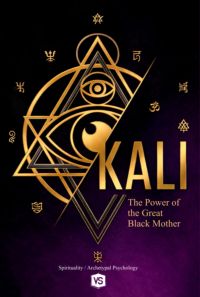
KaliRegina A. Sarayan / Virginia Santos5h 45m$9 · $0.00
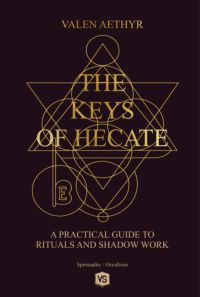
The Keys Of HecateValen Aethyr / Virginia Santos5h 39m$9 · $0.00

Feng ShuiLuan Ferr3h 55m$6 · $0.00
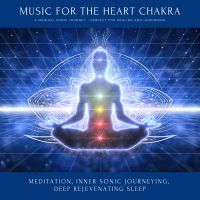
Music for the Heart Chakra: A Magical Sonic Journey - Perfect for Healing & UnwindingYella A. Deeken10h 14m$23 · $0.00

Overcome Spider PhobiaGary G. Nicely1h 34m$2.30
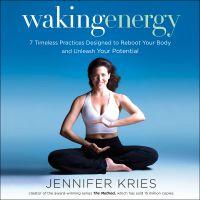
Waking EnergyJennifer Kries14h 38m3.6 (52)$33 · $0.00