
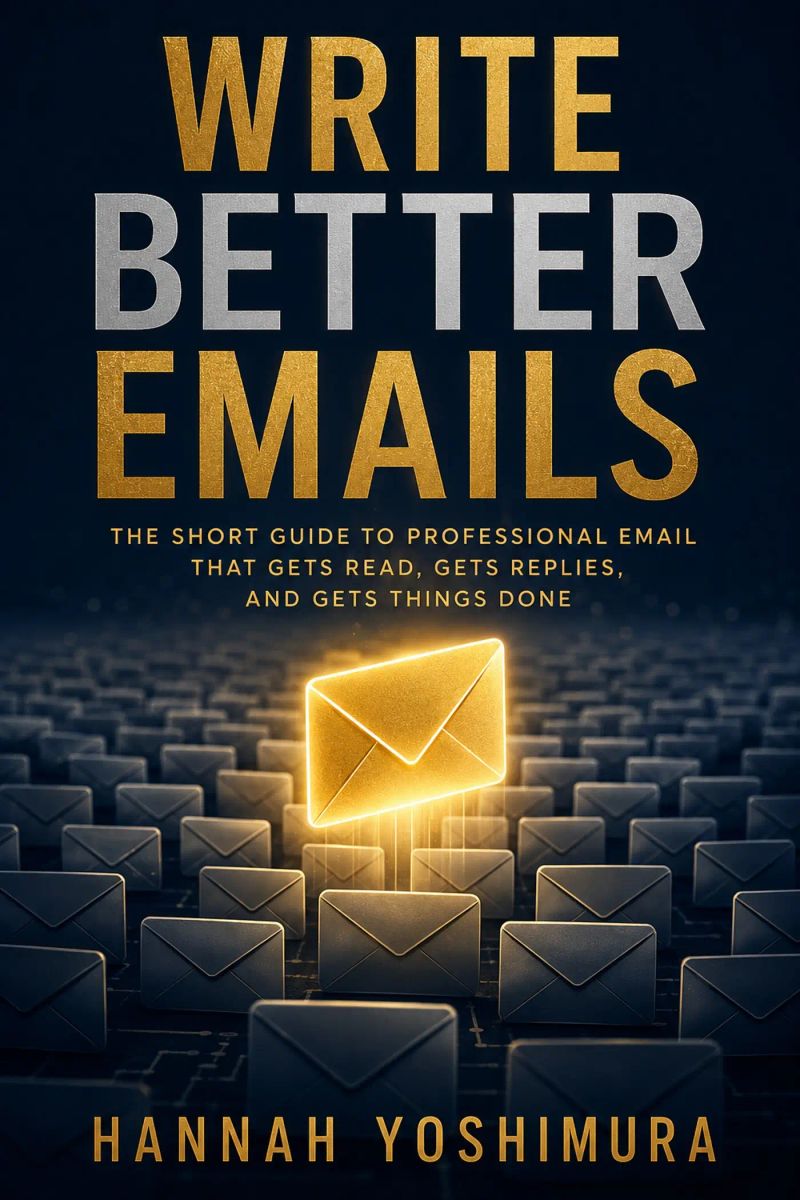
Write Better Emails
The Short Guide to Professional Email That Gets Read, Gets Replies, and Gets Things DoneBy Hannah Yoshimura


Length7h 20m
About this audiobook
Write better emails fast: this short guide to professional email writing shows you how to write work emails that get read, get replies, and get things done, with business email templates for cold outreach, follow-ups, and difficult conversations.
A regional sales director once sent the author a four-hundred-and-seventy-two-word email about rescheduling a meeting. The actual request was twelve words: "Can we push our Thursday call to Friday at the same time?" Those twelve words sat in the fourth paragraph, buried under apologies, calendar excuses, and small talk. He is not unusual. He is the median. After thirteen years coaching executives, founders, lawyers, and consultants on professional email writing, Yoshimura has met exactly four people who write good email by default.
Most professional emails are too long, too vague, and too late. Fix those three and you have fixed eighty percent of the problem. This short guide to better business email writing teaches the reader-first email: a subject line that earns the open, a first sentence that says why you are writing, the ask in the second sentence instead of the seventh paragraph, and a sign-off that does not apologize for the email's existence. The middle chapters drill into the hard situations professionals dread, with real before-and-after examples on every page.
Inside this professional email writing guide:
• The subject line that earns the open — the action-topic structure ("Approval needed by Friday: Q3 vendor contract") that lets a buried recipient triage your email in one second without opening it
• Cold outreach emails that don't get deleted — why the standard "I hope this email finds you well" pitch reads as a formula within two sentences, and what to send instead
• Follow-up emails without being annoying — the cadence and wording that get a reply, plus the rule that if you have sent three follow-ups the problem is not the recipient
• The bad-news and apology emails — how to deliver hard news and repair a relationship without sounding like a press release written by a lawyer
• Negotiation, boss, coworker, and customer emails — situation-specific moves for pricing and counter-offers, asking your boss for what you want, and service recovery
• The three habits killing your email — narrating ("I just wanted to reach out"), hedging ("when you have a chance"), and the bolted-on warmth paragraph, with a fix for each
• A "Try this" experiment in every chapter — concrete, equipment-free drills you can run within twenty-four hours, because reading without doing is how communication books fail
The stakes are not five saved minutes a day. The way you write determines what people think it is like to work with you, and that determines what they offer you and what they withhold. If your email is hard to read, you are hard to work with. If your email is clear, you are clear. This is the email writing skill that gets people remembered, recommended, and promoted.
For readers of Chris Voss's Never Split the Difference and Michael Bungay Stanier's The Coaching Habit.
Audiobook details
GenreBusiness and Economics, Self-Help
Length7 hrs 20 mins
Narrated byListen with 1,000+ voices
FormateBook with Audio
Publish dateSep 29, 2026
LanguageEnglish
Table of contents
1Introduction
2Chapter 1 — The Email Problem Most Professionals Don’t Know They Have
3Chapter 2 — The Subject Line That Earns the Open
4Chapter 3 — The Opening Sentence That Earns the Read
5Chapter 4 — The Body That Earns a Reply
Show all chaptersShow less
6Chapter 5 — The Ask That Actually Gets Answered
7Chapter 6 — The Sign-Off and the Signature
8Chapter 7 — Cold Outreach Emails That Don’t Get Deleted
9Chapter 8 — Follow-Up Emails Without Being Annoying
10Chapter 9 — The Bad-News Email
11Chapter 10 — The Apology Email That Repairs the Relationship
12Chapter 11 — Negotiation Emails: Pricing, Terms, Counter-Offers
13Chapter 12 — The Difficult Coworker Email
14Chapter 13 — The Boss Email: Asking for What You Want
15Chapter 14 — The Customer Email: Service Recovery and Difficult Situations
16Chapter 15 — Email Threads: When to Reply All, When to Take It Private
17Chapter 16 — Internal vs. External Emails: Different Rules
18Chapter 17 — The Email That Replaces a Meeting
19Chapter 18 — Managing Your Inbox Without Losing Your Day
20Chapter 19 — Auto-Responders, Templates, and the AI Question
21Chapter 20 — Building a Sustainable Email Practice
22Conclusion
23Appendix A — Fifteen Email Scenarios Walked Through
24Appendix B — The Email Templates That Aren’t Templates
25About the Author
More from Hannah Yoshimura
Never Split the DifferenceChris Voss, Tahl Raz8h 7m4.4 (277.7K)$26 · $0.00
The Intelligent Investor Rev Ed.Benjamin Graham17h 48m4.3 (191.5K)$40 · $0.00
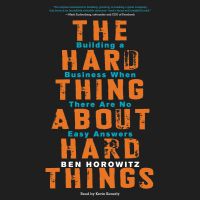
The Hard Thing About Hard ThingsBen Horowitz7h 57m4.2 (134.3K)$26 · $0.00
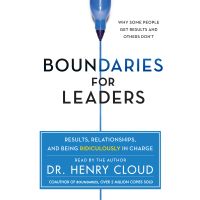
Boundaries for LeadersHenry Cloud7h 36m4.3 (3.6K)$26 · $0.00

Not Everything Counts but Everything Matters: The powerful and inspirational new book about leadership and achieving success from the visionary multi-premiership winning Panthers coachIvan Cleary6h 1m4.6 (680)$24 · $0.00
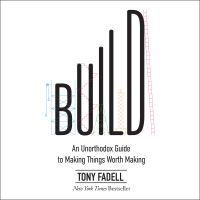
BuildTony Fadell11h 5m4.5 (14.3K)$8 · $0.00
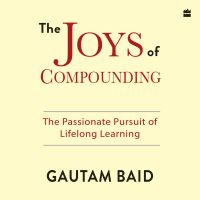
The Joys Of CompoundingGautam Baid17h 34m4.5 (2.5K)$18 · $0.00
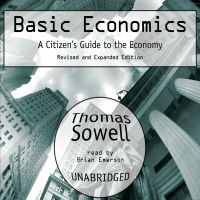
Basic EconomicsThomas Sowell18h 32m4.5 (29.3K)$28 · $0.00

Poor Charlie’s AlmanackGrover Gardener, Charles T. Munger13h 9m4.5 (24.7K)$18 · $0.00

The Ambuja StoryNarotam Sekhsaria13h 59m4.5 (830)$33 · $0.00

The Secret Door to SuccessFlorence Scovel Shinn2h 25m4.5 (2.1K)$1.20 · $0.00

This Is Going to HurtAdam Kay5h 47m4.4 (444.7K)$24 · $0.00

Big TrustShadé Zahrai, Fayçal Sekkouah8h 36m4.6 (406)$26 · $0.00
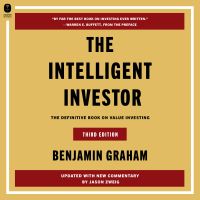
The Intelligent Investor Third EditionBenjamin Graham, Jason Zweig20h4.4 (156.6K)$46 · $0.00

Bottle of LiesKatherine Eban14h 25m4.4 (12K)$33 · $0.00

The Antiracist Business BookTrudi Lebrón6h 10m4.6 (275)$17 · $0.00
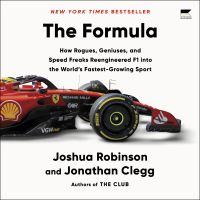
The FormulaJoshua Robinson, Jonathan Clegg10h 41m4.4 (6.9K)$29 · $0.00
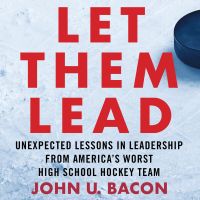
Let Them LeadJohn U. Bacon7h 10m4.5 (1.4K)$24 · $0.00

Secrets of the Millionaire MindT. Harv Eker5h 11m4.4 (301.4K)$24 · $0.00

The Person You Mean to BeDolly Chugh9h 6m4.4 (7.2K)$29 · $0.00
Learning to PrayJames Martin13h 24m4.5 (3.4K)$33 · $0.00

Forever BoyKate Swenson9h 27m4.7 (5K)$29 · $0.00

You Are Worth ItKyle Carpenter, Don Yaeger8h 53m4.7 (4.8K)$29 · $0.00

The Happiest Man on EarthEddie Jaku3h 48m4.6 (178K)$7 · $0.00

Finding MeViola Davis9h 15m4.6 (256.4K)$29 · $0.00

Spiritual AnatomyDaaji Kamlesh D. Patel9h 47m4.7 (319)$29 · $0.00

The Dangerous Truth about Today’s MarijuanaLaura Stack CSP, MBA9h 57m4.7 (385)$20 · $0.00

Birdie & HarlowTaylor Wolfe7h 50m4.6 (6.5K)$26 · $0.00

CrossroadsKaleb Dahlgren7h 56m4.6 (4.9K)$26 · $0.00

Life on the BridgeKaelynn Partlow5h 40m4.6 (1.1K)$24 · $0.00

Keep Your Love OnDanny Silk9h 4m4.6 (8.1K)$10 · $0.00
The Tao of Joy Every DayDerek Lin10h 24m4.6 (762)$20 · $0.00
UndividedVicky Beeching9h 2m4.6 (1.3K)$29 · $0.00
Level UpRob Dial7h 42m4.6 (3.3K)$26 · $0.00

He Can Who Thinks He Can (Annotated)Orison Swett Marden5h 11m4.6 (1.2K)$1.20 · $0.00

Burn the HaystackJennie Young, PhD9h 30m4.6 (543)$29 · $0.00

ACRES OF DIAMONDS: Our Every-day Opportunities (Wisdom & Empowerment Series) (Annotated)Russell Conwell2h 26m4.6 (1K)$2 · $0.00

Good InsideBecky Kennedy9h 55m4.5 (59.3K)$29 · $0.00

The Lost VoiceGreta Morgan8h 30m4.7 (285)$26 · $0.00

Stripped DownBunnie Xo8h 25m4.5 (32.9K)$26 · $0.00
You may also like

The Art of FictionHenry James2h 17m3.8 (1.5K)$2.30 · $0.00

The Science of Getting RichWallace D. Wattles2h 4m4.2 (64.7K)$1 · $0.00
Executive Presence 2.0Sylvia Ann Hewlett9h 10m3.5 (2.6K)$29 · $0.00

Magic WordsJonah Berger6h 54m3.9 (2.6K)$24 · $0.00

The Invisible Hand of the Market: The Theory of Moral Sentiments + The Wealth of NationsAdam Smith59h 8m4.2 (1.6K)$2 · $0.00
BuildTony Fadell11h 5m4.5 (14.3K)$8 · $0.00
Choose PossibilitySukhinder Singh Cassidy7h 33m4.0 (774)$26 · $0.00

Impact PlayersLiz Wiseman10h 49m4.1 (4K)$29 · $0.00
Email Marketing: A Step-by-step Storybrand Guide for Any Business (The Step-by-step System for Building an Email List of Raving Fans Who Buy From You and Share Your Message)Roland Castillo1h 11m$3.50 · $0.00
The Simple Path to More Profit: The 3P SystemPhilip Semmelroth59m4.8 (20)$0.00 · $0.00

VIRGINIA DMV Permit Study GuideLUCAS CRANE9h 13m$11.50 · $0.00
Organizational BehaviorKnowledge Flow2h 3m$4.10 · $0.00
The Nonverbal CommunicatorMade for Success6h 27m$20
Coaching and Mentoring Resource ManualJimmy Petruzzi3h 47m$8 · $0.00

History of the French NovelGeorge Saintsbury46h 9m$1 · $0.00
Innovation CultureChristian Buchholz, Rainer Krumm1h 56m$10 · $0.00
Charming Your Way to the TopMichael Levine6h 35m3.0 (86)$14

One Hundred Best Books (Annotated)John Cowper Powys3h 16m3.7 (136)$2 · $0.00

The Metaphysical Elements of EthicsImmanuel Kant2h 50m4.0 (65)$2 · $0.00
Digital Nomad: The Ultimate Guide to Thriving as a Digital Nomad (The Step-by-step System to Work From Anywhere and Build Freedom Online)Marcus g, Mathew Mastro4h 6m$17 · $0.00