
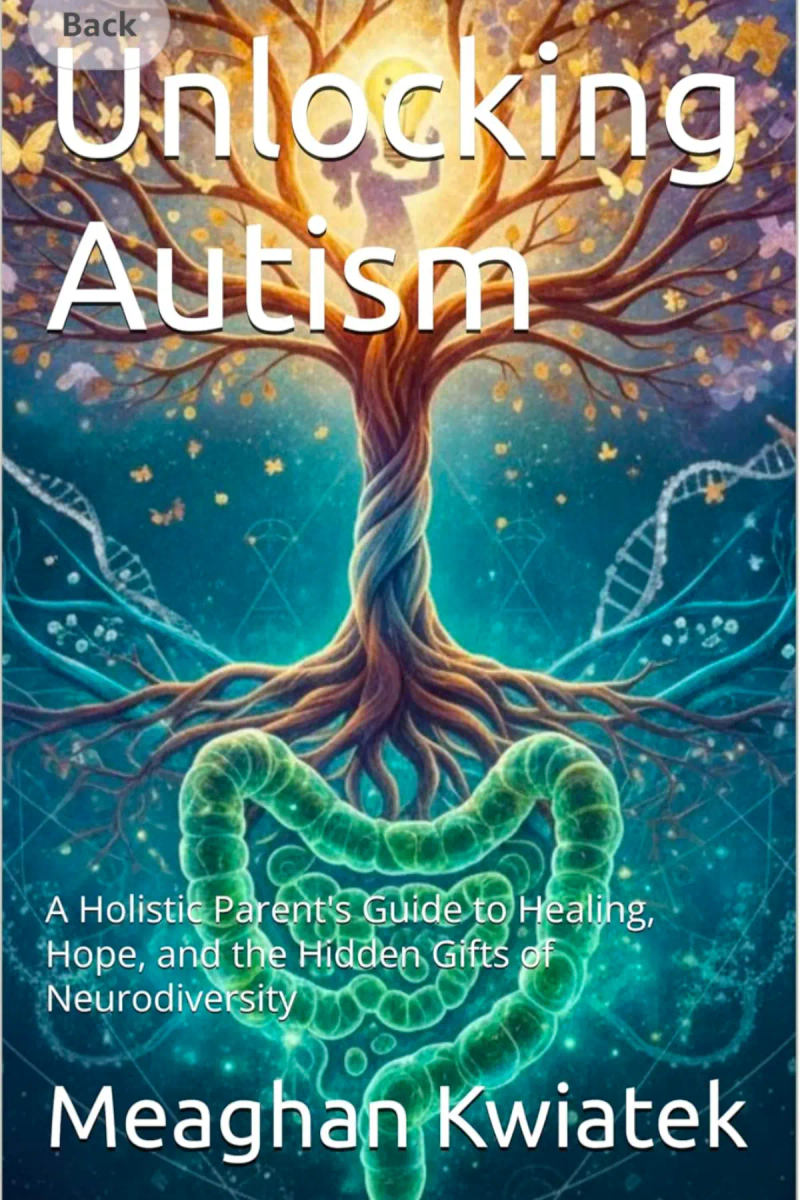
Unlocking Autism
A Holistic Parent's Guide to Healing, Hope, and the Hidden Gifts of NeurodiversityBy Meaghan KwiatekRecorded TrackLength11h 35m
About this audiobook
What if autism isn't a lifelong sentence of struggle, but a unique neurological and spiritual experience that can be supported and even transformed through natural, holistic approaches? In 'Unlocking Autism: A Holistic Parent's Guide to Healing, Hope, and the Hidden Gifts of Neurodiversity,' parents are empowered to challenge mainstream narratives and discover the root causes of their child's symptoms. This groundbreaking book dives deep into the interconnected roles of genetics, environment, and spirituality in autism, offering a comprehensive framework for understanding and addressing the condition beyond conventional medical perspectives. Readers will explore the impact of inflammation, toxicity, and gut health on autistic symptoms, and learn how to recognize and nurture the spiritual and neurological gifts of their children. The book provides actionable strategies for reducing toxic exposures, healing the gut, and supporting the body's natural detoxification processes.
Audiobook details
Rating★★★★★ 4.5 (21)
Includes Amazon, Goodreads
GenreHealth and Wellness, Education and Learning
Length11 hrs 35 mins
Narrated byRecorded Track
FormatAudiobook
Publish dateDec 25, 2025
LanguageEnglish
Table of contents
1Introduction
2TableofContents
3Chapter1:UnderstandingAutism: A MultifacetedApproach
4References:
5The interconnected roles of genetics,environment,andspiritualityinautism: References:
Show all chaptersShow less
6Why a one-size-fits-all approach failsautisticchildrenandtheirfamilies: References:
7The importance of individualized careinaddressingrootcausesofautism: References:
8How inflammation, toxicity, and guthealthcontributetoautisticsymptoms: References:
9Recognizing the spiritual and neurological giftsofautisticindividuals: References:
10The role of parental intuition in guidinghealingandsupportstrategies: References:
11Challenging mainstream narratives andseekingalternativesolutions: References:
12Building a foundation of knowledge toempowerparentsandcaregivers: References:
13Chapter 2: Genetic Influences andPredispositionsinAutism
14References:
15Understanding single nucleotidepolymorphisms(SNPs)andtheirroleinautism: References:
16The connection between geneticpredispositionsandenvironmentaltriggers: References:
17Howgenetictestingcanrevealpersonalizedpathwaystohealing: References:
18The role of epigenetics in turning genes on oroffthroughlifestylechoices: References:
19Common genetic mutations in autistic childrenandtheirimplications: References:
20How to interpret genetic test results foractionablehealthstrategies
21Supporting genetic health throughnutrition,detoxification,andtargetedsupplements
22The limitations of genetic determinism andthepowerofenvironmentalinfluence: References:
23Chapter3:ToxicInfluenceson Autistic Symptoms
24References:
25How vaccines and their ingredients maycontributetoneuroinflammationandautism: References:
26PANSandPANDAS:TheroleofinfectionslikestrepandLymeinautisticbehaviors: References:
27Environmental toxins in food, water, and airandtheircumulativeeffects: References:
28Thedangersofpesticides,herbicides,and geoengineeringfalloutinourfoodsupply: References:
29How to identify and reduce toxic exposures in yourchild’senvironment: References:
30Safeandeffectivedetoxificationstrategiesforheavymetalsandchemicals: References:
31The role of the liver and kidneys in processingandeliminatingtoxins: References:
32Building resilience against toxic overloadthroughnutritionandlifestyle: References:
33Chapter 4: The Gut-BrainConnectioninAutism
34References:
35The role of the microbiome inregulatinginflammationandimmuneresponses: References:
36Leaky gut syndrome and its connectiontoneuroinflammationandautism: References:
37Common gut issues in autistic children and howtoaddressthemnaturally: References:
38The impact of food sensitivities and allergiesonautisticsymptoms: References:
39How to heal the gut through diet, probiotics,anddigestiveenzymes: References:
40The role of short-chain fatty acids in gut-braincommunication: References:
41Testing for gut health imbalances andinterpretingresults: References:
42Long-term strategies for maintaining a healthygutandbrainconnection: References:
43Chapter5:SpiritualSensitivityandtheGiftsofAutism
44TheTelepathyTapesandevidenceofextraordinaryperceptualabilities: References:
45Howautisticchildrenoftenperceiverealitiesbeyondconventionalunderstanding: References:
46The role of Buddhism in supportingspiritualgrowthandemotionalbalance
47Christian perspectives on autism as a divinegiftandpathtoenlightenment: References:
48Practical ways to nurture and protect thespiritualgiftsofautisticchildren: References:
49Creating a supportive environment forspiritualexplorationandexpression: References:
50The importance of grounding techniquestomanagesensoryandspiritualoverwhelm

The Dangerous Truth about Today’s MarijuanaLaura Stack CSP, MBA9h 57m4.7 (385)$20 · $0.00
Hour of the HeartIrvin D. Yalom, Benjamin Yalom8h 19m4.6 (2.3K)$26 · $0.00

The Yoga Sutras of PatanjaliPatanjali4h 8m4.5 (18.5K)$6 · $0.00
The Lost VoiceGreta Morgan8h 30m4.7 (285)$26 · $0.00
Healthy Kids, Happy KidsElisa Song14h 18m4.6 (760)$33 · $0.00
Eat It!Jordan Syatt, Michael Vacanti4h 40m4.6 (1.5K)$20 · $0.00

Consent Laid BareChanel Contos7h 11m4.5 (1.7K)$24 · $0.00
How to Make Disease DisappearRangan Chatterjee5h 26m4.5 (3.5K)$24 · $0.00

The Complete Herbal (Annotated)Nicholas Culpeper29h 8m4.5 (1.4K)$2 · $0.00

A Plague Upon Our HouseScott W. Atlas MD10h 37m4.5 (3.4K)$20 · $0.00

The Cancer CodeDr. Jason Fung10h 48m4.5 (5.3K)$29 · $0.00

The Gift of TherapyIrvin Yalom7h 39m4.5 (38.8K)$26 · $0.00

EarlySarah DiGregorio9h 47m4.5 (1.3K)$29 · $0.00

Bottle of LiesKatherine Eban14h 25m4.4 (12K)$33 · $0.00
The 36-Hour DayNancy L. Mace, Peter V. Rabins17h 13m4.4 (9.2K)$28 · $0.00

FlooredSara Reardon10h 36m4.5 (1K)$29 · $0.00
Radical RemissionKelly A. Turner9h 26m4.4 (8.1K)$29 · $0.00
The Sinatra SolutionStephen T. Sinatra MD9h4.5 (899)$20 · $0.00

The Songaminute ManSimon McDermott6h 12m4.5 (280)$24 · $0.00
Sometimes BrilliantLarry Brilliant12h 27m4.5 (954)$29 · $0.00
A Brief History of IntelligenceMax S. Bennett12h 18m4.6 (6.6K)$29 · $0.00
HomeschooledStefan Merrill Block7h 10m3.6 (18.5K)$28 · $0.00

EXPERIENCE AND EDUCATION – Premium Edition (Including Democracy & Education) (Annotated)John Dewey19h 17m4.6 (1K)$2 · $0.00

WitnessAriel Burger8h 1m4.6 (1.3K)$20 · $0.00

EducationEllen G. White9h 41m4.6 (1.5K)$2 · $0.00

Parents and Children (Annotated)Charlotte Mason9h 23m4.6 (988)$2 · $0.00

Children Under FireJohn Woodrow Cox10h 17m4.5 (1.6K)$29 · $0.00

The State Must ProvideAdam Harris7h 15m4.5 (775)$24 · $0.00

The Call of the Wild and FreeAinsley Arment9h 7m4.4 (21.2K)$29 · $0.00
The Freelance WayRobert Vlach19h 48m4.5 (528)$40 · $0.00
Race to the BottomLuke Rosiak9h 20m4.5 (600)$29 · $0.00

They Came for the SchoolsMike Hixenbaugh9h 5m4.5 (2.6K)$8 · $0.00

Find Me UnafraidKennedy Odede, Jessica Posner11h 11m4.5 (2.7K)$29 · $0.00

Asking for ItKate Harding8h 55m4.4 (5.3K)$20 · $0.00
Defining Moments in Black HistoryDick Gregory7h 37m4.4 (6K)$26 · $0.00

The Emerald Tablets of Thoth the AtlanteanMaurice Doreal3h 4m4.4 (8.8K)$6 · $0.00

Learning AmericaLuma Mufleh6h 37m4.4 (564)$24 · $0.00
Math-ishJo Boaler7h 21m4.4 (588)$24 · $0.00

Daddy-Long-LegsJean Webster12h 18m4.2 (91K)$1.99 · $0.00
It Worked For MeColin Powell7h 42m4.3 (9.8K)$26 · $0.00
You may also like

Sacred Pampering PrinciplesDebrena Jackson Gandy7h 45m4.5 (290)$26 · $0.00
Waking Up in WinterCheryl Richardson5h 23m3.8 (1.3K)$24 · $0.00
Spiritual PartnershipGary Zukav9h 57m4.2 (1.7K)$29 · $0.00
Fed UpGemma Hartley8h 23m4.0 (6.2K)$26 · $0.00
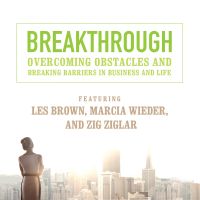
BreakthroughMade for Success10h 41m4.1 (2.9K)$20

Women Don't Owe You PrettyFlorence Given3h 30m3.8 (94.7K)$15
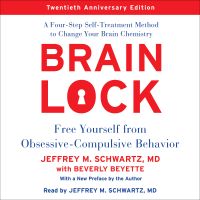
Brain Lock, Twentieth Anniversary EditionJeffrey M. Schwartz10h 45m4.1 (4.8K)$29 · $0.00
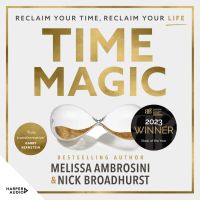
Time MagicMelissa Ambrosini, Nick Broadhurst8h 2m4.0 (420)$26 · $0.00
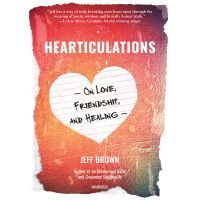
HearticulationsJeff Brown2h 57m4.4 (480)$15
Do What Feels GoodHannah Bronfman5h 8m3.9 (248)$24 · $0.00
Praying for Money, Subconscious Religion & Health, Healing, and FaithRussell Conwell4h 45m3.6 (36)$1.99 · $0.00

NiksenOlga Mecking5h 5m3.5 (2.6K)$24 · $0.00
MamasteLori Bregman4h 33m3.8 (173)$20 · $0.00

Overcoming Mom Guilt: A Working Mom's PerspectiveAurora Brooks1h 1m$3.50 · $0.00
Health, Healing and Faith (Annotated)Russell H. Conwell2h 7m3.6 (11)$1.99 · $0.00
Autism A Look Beyond Diagnosis KnowledgeJose Marconi Teixeira12m$15 · $0.00
The Engagement EffectWillow R. Stone5h 14m$6.40 · $0.00

The Call Of The WombEduarda Santos5h 38m$7 · $0.00

Love, Life & WorkElbert Hubbard3h 47m3.8 (110)$1 · $0.00
Hidden BrillianceLynn Kern Koegel, Claire LaZebnik8h 37m3.8 (120)$26 · $0.00