
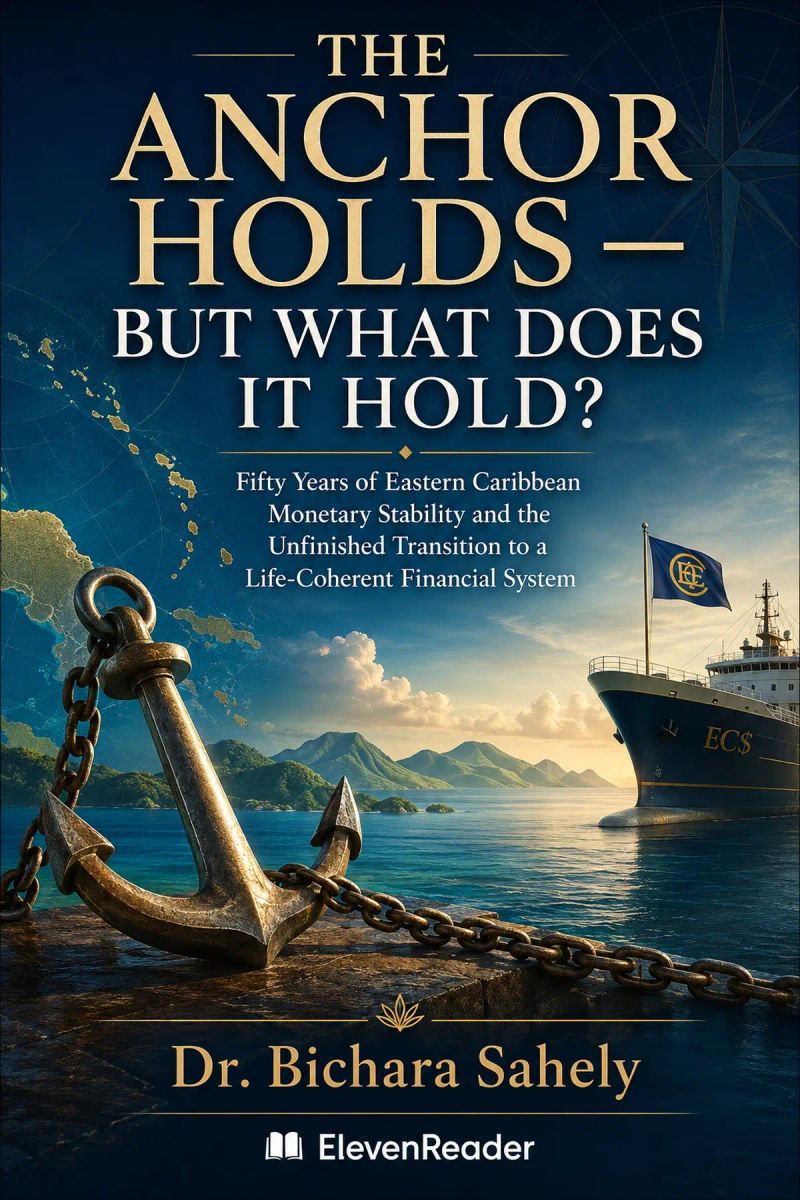
THE ANCHOR HOLDS — BUT WHAT DOES IT HOLD?
Fifty Years of Eastern Caribbean Monetary Stability and the Unfinished Transition to a Life-Coherent Financial SystemBy Dr. Bichara Sahely


Length1h 41m
About this audiobook
For fifty years, the Eastern Caribbean currency arrangement has provided one of the region’s most durable shared institutions. Yet a stable monetary anchor does not by itself create productive diversification, broad ownership, ecological resilience, or secure livelihoods.
In this academic white paper, Dr. Bichara Sahely examines what the EC dollar’s stability has protected—and what remains unfinished. He develops a life-coherent framework for finance that links credit, savings, investment, development institutions, foreign-exchange discipline, ecological limits, and democratic accountability.
The central argument is clear: the anchor should be preserved, while the wider financial vessel is repaired and transformed. The next fifty years require institutions capable of converting monetary confidence into productive, resilient, just, and ecologically viable regional life.
Audiobook details
GenreBusiness and Economics, Politics and Government
Length1 hr 41 mins
Narrated byListen with 1,000+ voices
FormateBook with Audio
Publish dateJul 13, 2026
LanguageEnglish
Table of contents
1Chapter 1
2Opening Note to the Listener
3Introduction — Fifty Years at Anchor
4Part One — THE MAKING OF THE MONETARY ANCHOR
5Chapter 1 — Before the Anchor: Colonial Currency and Regional Monetary Inheritance
Show all chaptersShow less
6Chapter 2 — From ECCA to the US-Dollar Peg
7Chapter 3 — From Monetary Arrangement to Regional Institution
8Chapter 4 — Why the Anchor Endured
9Part Two — WHAT THE ANCHOR ACTUALLY HOLDS
10Chapter 5 — Anatomy of the Eastern Caribbean Monetary System
11Chapter 6 — The Currency as a Regional Civil Commons
12Chapter 7 — The Necessary Disciplines of the Peg
13Chapter 8 — What Monetary Stability Can — and Cannot — Do
14Part Three — THE STABLE CURRENCY AND THE VULNERABLE ECONOMY
15Chapter 9 — The Structural Economy Beneath the Peg
16Chapter 10 — Debt, Fiscal Space and Recurrent Shock
17Chapter 11 — Where Does the Credit Go?
18Chapter 12 — Liquidity Without Transformation
19Chapter 13 — Ownership, Returns and Financial Outflows
20Chapter 14 — Who Is Secured by Stability?
21Part Four — TOWARD A LIFE-COHERENT FINANCIAL SYSTEM
22Chapter 15 — From Nominal Stability to Life-Capacity
23Chapter 16 — The Life-Coherence Test for Credit and Investment
24Chapter 17 — Foreign-Exchange-Aware Development
25Chapter 18 — The Civil Commons of Regional Production
26Chapter 19 — Finance Within Ecological Limits
27Part Five — PRESERVING THE ANCHOR, TRANSFORMING THE VESSEL
28Chapter 20 — Principles for Institutional Design
29Chapter 21 — A Regional Architecture for Development Finance
30Chapter 22 — Mobilizing Eastern Caribbean Savings
31Chapter 23 — Purpose-Governed Credit
32Chapter 24 — A Life-Coherent Investment Taxonomy
33Chapter 25 — Measuring What the Anchor Is For
34Chapter 26 — Governance, Accountability and Protection Against Capture
35Chapter 27 — A Sequenced Transition
36Conclusion — The Next Fifty Years
37Listener’s Guide — Questions to Carry Forward
38About the Author

Preserving Life, Transforming Power in GazaDr Bichara Sahely1h 42mFree

Preserving Life, Transforming PowerDr. Bichara Sahely1h 4mFree

Putting the Missing Bridge to WorkDr. Bichara Sahely2h 12mFree

The Missing BridgeDr. Bichara Sahely1h 5mFree

Transformational Laboratories ProtocolDr. Bichara Sahely2h 33mFree
Artificial Intelligence and the Epistemic CommonsDr Bichara Sahely3h 12mFree

Conflict, Repair, and Non-DominationDr Bichara Sahely2h 21mFree

Institutions of Reflexive TransformationDr Bichara Sahely1h 51mFree

The Politics of Civilizational HealingDr. Bichara Sahely2h 13mFree

The Missing Grammar of Modern CivilizationDr. Bichara Sahely2h 8mFree
Civilizational Healing Research ArchitectureDr. Bichara Sahely1h 24mFree

How Does a Civilization Learn to Heal?Dr. Bichara Sahely1h 16mFree

From Competent Physicians to Healing SocietiesDr. Bichara Sahely2h 20mFree

Competence Is Necessary, but Not SufficientDr. Bichara Sahely1h 15mFree

Life-Grounding CanMEDSDr. Bichara Sahely1h 13mFree

The Dynamic Architecture of ViabilityDr Bichara Sahely2h 1mFree

Completing the Life-Value Onto-Axiology ProgramDr. Bichara Sahely1h 9m5.0 (1)Free

BEYOND GLOBAL JUSTICEDr. Bichara Sahely1h 25mFree

The Sweetness That Consumed the WorldBichara Sahely16h 14mFree
THE SOVEREIGNTY OF CREDITDr. Bichara Sahely3h 56mFree
Never Split the DifferenceChris Voss, Tahl Raz8h 7m4.4 (277.7K)$26 · $0.00
The Intelligent Investor Rev Ed.Benjamin Graham17h 48m4.3 (191.5K)$40 · $0.00
The Hard Thing About Hard ThingsBen Horowitz7h 57m4.2 (134.3K)$26 · $0.00
Boundaries for LeadersHenry Cloud7h 36m4.3 (3.6K)$26 · $0.00
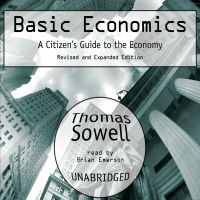
Basic EconomicsThomas Sowell18h 32m4.5 (29.3K)$28 · $0.00

Poor Charlie’s AlmanackGrover Gardener, Charles T. Munger13h 9m4.5 (24.7K)$18 · $0.00

The Ambuja StoryNarotam Sekhsaria13h 59m4.5 (830)$33 · $0.00

The Secret Door to SuccessFlorence Scovel Shinn2h 25m4.5 (2.1K)$1.20 · $0.00

This Is Going to HurtAdam Kay5h 47m4.4 (444.7K)$24 · $0.00

Big TrustShadé Zahrai, Fayçal Sekkouah8h 36m4.6 (406)$26 · $0.00
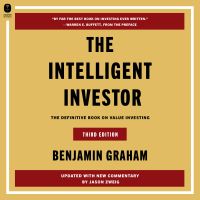
The Intelligent Investor Third EditionBenjamin Graham, Jason Zweig20h4.4 (156.6K)$46 · $0.00

Bottle of LiesKatherine Eban14h 25m4.4 (12K)$33 · $0.00

The Antiracist Business BookTrudi Lebrón6h 10m4.6 (275)$17 · $0.00
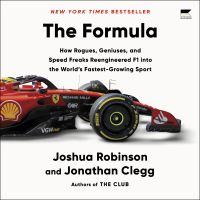
The FormulaJoshua Robinson, Jonathan Clegg10h 41m4.4 (6.9K)$29 · $0.00

Let Them LeadJohn U. Bacon7h 10m4.5 (1.4K)$24 · $0.00

Secrets of the Millionaire MindT. Harv Eker5h 11m4.4 (301.4K)$24 · $0.00

The Person You Mean to BeDolly Chugh9h 6m4.4 (7.2K)$29 · $0.00
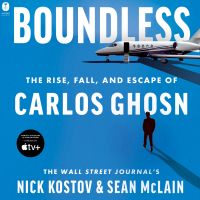
BoundlessNick Kostov, Sean McLain9h 17m4.5 (1.1K)$29 · $0.00
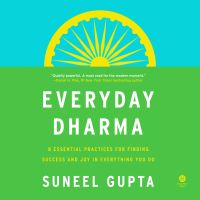
Everyday DharmaSuneel Gupta5h 2m4.5 (761)$20 · $0.00
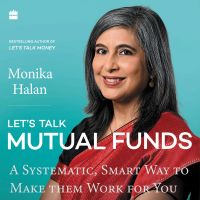
Let's Talk Mutual FundsMonika Halan7h 5m4.4 (2.4K)$16 · $0.00
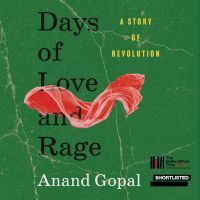
Days of Love and Rage: A Story of RevolutionAnand Gopal22h 36m4.7 (584)$34 · $0.00

KrantikariSanjeev Sanyal11h 44m4.6 (1.3K)$16 · $0.00

Unbroken Bonds of BattleJohnny Joey Jones8h 31m4.6 (2.6K)$8 · $0.00
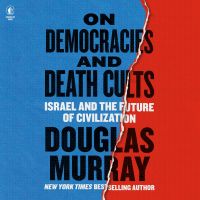
On Democracies and Death CultsDouglas Murray10h 38m4.6 (6.5K)$29 · $0.00

Balcony Over Jerusalem: A Middle East Memoir - Israel, Palestine and BeyondJohn Lyons12h 37m4.6 (1.4K)$33 · $0.00
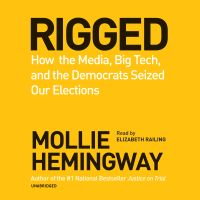
RiggedMollie Hemingway12h 48m4.6 (4.2K)$23 · $0.00

SledgehammerDavid Friedman8h 21m4.7 (589)$26 · $0.00

Citizenship in a Republic (Annotated)Theodore Roosevelt2h 44m4.6 (1.4K)$2 · $0.00

No EscapeNury Turkel9h 30m4.6 (809)$28 · $0.00

Always FaithfulThomas Schueman, Zainullah Zaki12h 12m4.6 (977)$29 · $0.00

UnthinkableJamie Raskin15h 8m4.5 (9.3K)$8 · $0.00

My Fourth Time, We DrownedSally Hayden13h 59m4.6 (2.9K)$23 · $0.00
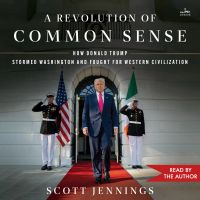
A Revolution of Common SenseScott Jennings9h 29m4.6 (528)$29 · $0.00

Statement From the Dock at the Rivonia TrialNelson Mandela2h 18m4.6 (1.3K)$1 · $0.00

Lessons from the EdgeMarie Yovanovitch17h 11m4.5 (5.9K)$40 · $0.00

To Rescue the American SpiritBret Baier10h 12m4.5 (2.7K)$8 · $0.00

StonewalledSharyl Attkisson15h 19m4.5 (4.3K)$33 · $0.00
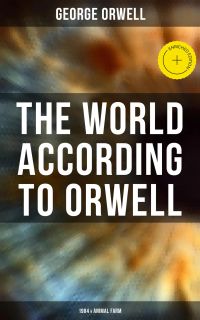
The World According to Orwell: 1984 & Animal FarmGeorge Orwell15h 42m4.6 (1.1K)$1 · $0.00
Basic EconomicsThomas Sowell18h 32m4.5 (29.3K)$28 · $0.00
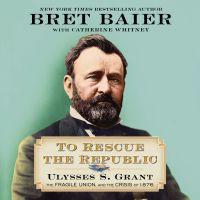
To Rescue the RepublicBret Baier, Catherine Whitney11h 42m4.5 (8.6K)$29 · $0.00
You may also like

The Disease DelusionJeffrey S. Bland11h 56m4.2 (1.6K)$29 · $0.00

Let There Be WaterSeth M. Siegel8h 36m4.2 (2.3K)$20 · $0.00

The Day the World Stops ShoppingJ.B. MacKinnon11h 54m4.3 (10.9K)$29 · $0.00
The Shark’s PaintbrushJay Harman11h 50m4.1 (459)$20

Of Time and TurtlesSy Montgomery10h 34m4.5 (5K)$29 · $0.00

Short History of the World (Summarized Edition)H. G. Wells3h 22m4.0 (5.5K)$2

An Appeal to the WorldDalai Lama, Franz Alt1h 24m4.3 (1.4K)$9 · $0.00

I Contain MultitudesEd Yong9h 52m4.3 (49.4K)$29 · $0.00
Confessions of a Radical IndustrialistRay C. Anderson11h 16m4.2 (348)$21 · $0.00

The Best American Science and Nature Writing 2022Ayana Elizabeth Johnson, Jaime Green12h 27m4.0 (623)$29 · $0.00

The Country-Life Movement in the United StatesL. H. Bailey3h 38m$1 · $0.00
Climate ChangeScientific American8h 36m4.1 (32)$20

Agribusiness Management in Sustainable Agricultural EnterprisesRichard Skiba26h 27m$7 · $0.00

The Nation's River: A report on the PotomacUnited States. Department of the Interior5h 39m$2 · $0.00
The Impactful VeganRobert Cheeke8h 48m4.3 (122)$23

The wonders of chemistryKidsChoice42m$12 · $0.00
A Better PlanetDaniel C. Esty14h 40m3.9 (85)$23

Future History Of The AmazonCarlos Araujo Carujo1h 14m$7 · $0.00

Break ThroughTed Nordhaus, Michael Shellenberger9h 39m3.7 (413)$20

Path to ZeroTucker Perkins4h 33m3.5 (13)$20