


Length13h 13m
About this audiobook
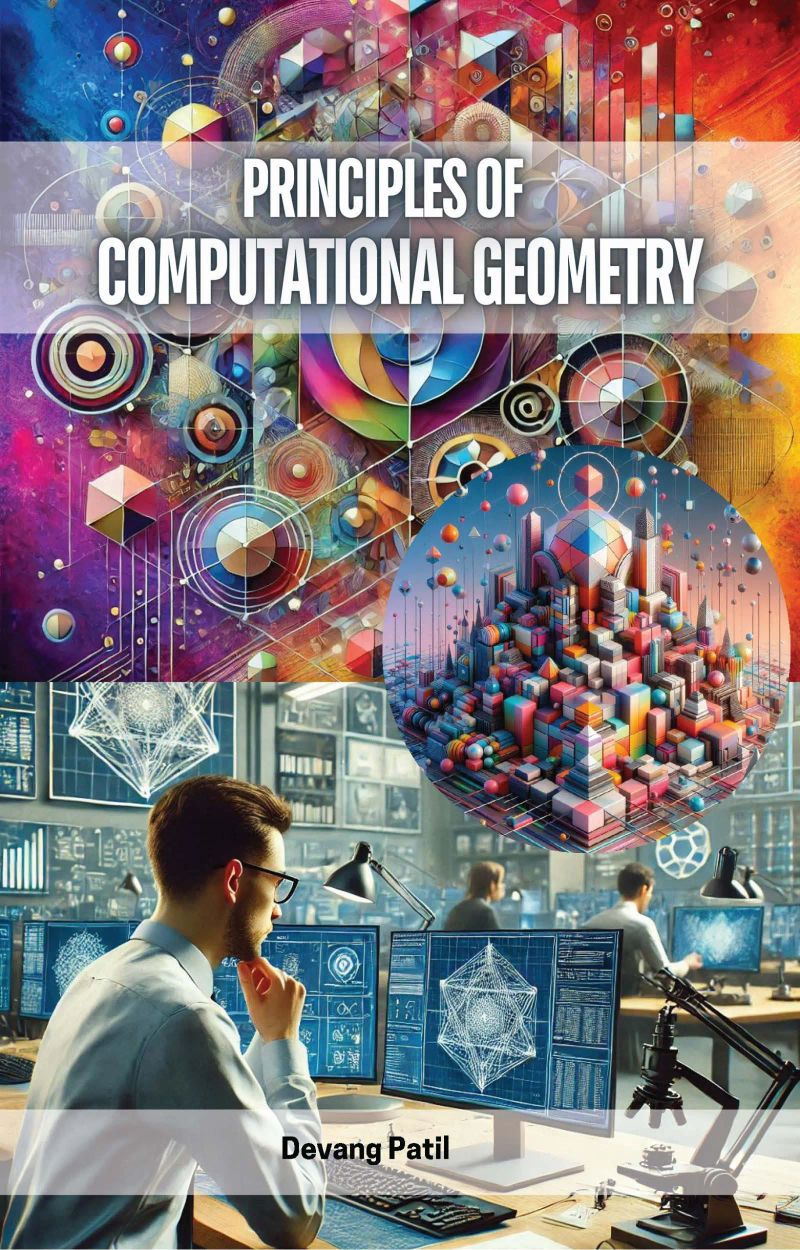
"Principles of Computational Geometry" delves into the intersection of mathematics, algorithms, and computer science to solve geometric problems using computational methods. We cover a wide range of topics, from fundamental geometric concepts to advanced algorithmic techniques. Our book explores geometric data structures and algorithms designed to efficiently tackle issues like geometric modeling, spatial analysis, and geometric optimization.
We introduce readers to key concepts like convex hulls, Voronoi diagrams, and Delaunay triangulations, which serve as building blocks for solving complex geometric problems. Additionally, we discuss techniques for geometric transformation, intersection detection, and geometric search, providing the tools needed to analyze and manipulate geometric data effectively.
Throughout the text, we highlight practical applications of computational geometry, ranging from computer graphics and image processing to robotics and geographic information systems. We also explore the theoretical underpinnings of computational geometry, offering insights into the mathematical foundations of algorithms and their computational complexity.
Overall, "Principles of Computational Geometry" serves as a comprehensive guide for students, researchers, and practitioners interested in leveraging computational methods to solve geometric problems efficiently and effectively. With its blend of theory and practical applications, our book offers a valuable resource for anyone exploring the rich and diverse field of computational geometry.
Audiobook details
GenreScience and Nature, Education and Learning
Length13 hrs 13 mins
Narrated byListen with 1,000+ voices
FormateBook with Audio
Publish dateFeb 20, 2025
LanguageEnglish
Table of contents
1Introduction to Computational Geometry
21.1 Definition and Scope
3Geometric Primitives:
4Geometric Algorithms:
5Data Structures:: Computational Complexity:
Show all chaptersShow less
61.2 Historical Overview
71.2.1 Milestones in the Development of Computational Geometry
81.2.2 Influential Figures in the Field
9Early Developments and Foundations
10Key Concepts and Problems
11Influential Figures in Computational Geometry
12Algorithmic Breakthroughs and Advancements
13Applications and Impact
14Future Directions and Challenges
151.2.3 Evolution of Key Algorithms and Techniques
16Early Developments
17Convex Hull Algorithms
18Voronoi Diagrams
19Delaunay Triangulation
20Line Segment Intersection
21Geometric Data Structures
22Computational Geometry in Practice
231.3 Importance and Applications
24Importance of Computational Geometry:
25Applications of Computational Geometry:
261.3.1 Role in Geographic Information Systems (GIS)
271.3.2 Impact on Computer Graphics and Animation
281.3.3 Applications in Robotics and Automation
29Understanding Computational Geometry:: Key Concepts in Computational Geometry:
301.4 Challenges and Current Trends: Applications of Computational Geometry
311.5 Summary
321.6 Exercise
33Foundations of Geometry
34Historical Background:
35Euclidean Geometry:
36Non-Euclidean Geometries:
37Spherical Geometry:
38Hyperbolic Geometry:
39Foundational Issues and Axiomatic Systems:: Hilbert’s axioms for geometry included:
402.1 Euclidean Geometry
412.1.1 Properties of Euclidean Space
422.1.2 Euclidean Transformations
43Foundations of Geometry:
44Euclidean Transformations:
45Properties of Euclidean Transformations:
46Types of Euclidean Transformations:
47Applications of Euclidean Transformations:
48Conclusion:
492.1.3 Euclidean Distance and Metrics
50Euclidean Geometry Fundamentals
More from Devang Patil


A Brief History of IntelligenceMax S. Bennett12h 18m4.6 (6.6K)$29 · $0.00
The Story of BirdsSteve Brusatte11h 49m4.6 (401)$29 · $0.00

My Life Among the UnderdogsTia Torres5h 51m4.5 (4K)$24 · $0.00

What It Takes to Save a LifeKwane Stewart6h4.6 (556)$24 · $0.00

Pastoral SongJames Rebanks8h 35m4.5 (12K)$26 · $0.00

How Stella Learned to TalkChristina Hunger7h4.5 (10.9K)$24 · $0.00

Craig & FredCraig Grossi8h 6m4.5 (9.6K)$26 · $0.00
Celebrating BirdsNatalia Rojas, Ana Maria Martinez6h 47m4.6 (330)$24 · $0.00

Saving JemimaJulie Zickefoose4h 59m4.5 (749)$20 · $0.00

Will's Red CoatTom Ryan8h 23m4.5 (2.3K)$26 · $0.00

Of Time and TurtlesSy Montgomery10h 34m4.5 (5K)$29 · $0.00

Zen and the Art of Saving the PlanetThich Nhat Hanh9h 20m4.5 (3.9K)$29 · $0.00

Bottle of LiesKatherine Eban14h 25m4.4 (12K)$33 · $0.00
IngrainedCallum Robinson8h 10m4.5 (1.1K)$26 · $0.00

The Lion Tracker's Guide To LifeBoyd Varty3h 1m4.4 (4.8K)$18 · $0.00

Born for LoveBruce D. Perry, Maia Szalavitz11h 42m4.4 (4K)$29 · $0.00

The Mountains of California (With Original Drawings & Photographs) (Annotated)John Muir11h 35m4.5 (1.1K)$2 · $0.00

The New GuysMeredith Bagby16h 50m4.4 (1.2K)$40 · $0.00

Blue PasturesMary Oliver3h 23m4.4 (3.8K)$18 · $0.00
The Rise and Reign of the MammalsSteve Brusatte13h 26m4.4 (11.1K)$33 · $0.00
A Brief History of IntelligenceMax S. Bennett12h 18m4.6 (6.6K)$29 · $0.00

HomeschooledStefan Merrill Block7h 10m3.6 (18.5K)$28 · $0.00

How We ThinkJohn Dewey7h 6m4.0 (1.1K)Free

WitnessAriel Burger8h 1m4.6 (1.3K)$20 · $0.00

EducationEllen G. White9h 41m4.6 (1.5K)$2 · $0.00

Parents and Children (Annotated)Charlotte Mason9h 23m4.6 (988)$2 · $0.00

Children Under FireJohn Woodrow Cox10h 17m4.5 (1.6K)$29 · $0.00

The State Must ProvideAdam Harris7h 15m4.5 (775)$24 · $0.00

The Call of the Wild and FreeAinsley Arment9h 7m4.4 (21.2K)$29 · $0.00
The Freelance WayRobert Vlach19h 48m4.5 (528)$40 · $0.00
Race to the BottomLuke Rosiak9h 20m4.5 (600)$29 · $0.00

They Came for the SchoolsMike Hixenbaugh9h 5m4.5 (2.6K)$8 · $0.00

Find Me UnafraidKennedy Odede, Jessica Posner11h 11m4.5 (2.7K)$29 · $0.00

Asking for ItKate Harding8h 55m4.4 (5.3K)$20 · $0.00
Defining Moments in Black HistoryDick Gregory7h 37m4.4 (6K)$26 · $0.00

The Emerald Tablets of Thoth the AtlanteanMaurice Doreal3h 4m4.4 (8.8K)$6 · $0.00

Learning AmericaLuma Mufleh6h 37m4.4 (564)$24 · $0.00
Math-ishJo Boaler7h 21m4.4 (588)$24 · $0.00
It Worked For MeColin Powell7h 42m4.3 (9.8K)$26 · $0.00

Little SoldiersLenora Chu11h 30m4.3 (3.1K)$29 · $0.00
You may also like

Pete the Cat: Robo-PeteJames Dean5m4.0 (2.3K)$4 · $0.00

ITIL Foundation Essentials ITIL 4 Edition - The ultimate revision guide, second editionClaire Agutter1h 12m4.2 (462)$27 · $0.00

Pete the Cat Saves UpJames Dean, Kimberly Dean6m4.4 (255)$4 · $0.00
AutonomyLawrence D. Burns, Christopher Shulgan11h 21m4.1 (1.1K)$29 · $0.00

Machines of Loving GraceJohn Markoff11h 53m3.8 (1.4K)$29 · $0.00

The Highway Code UKDepartment for Transport3h 33m4.2 (36.6K)$11 · $0.00

12 BytesJeanette Winterson9h4.0 (2.5K)$20
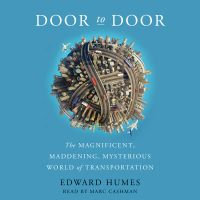
Door to DoorEdward Humes11h 20m3.9 (1.4K)$29 · $0.00

Collected Writings of Nikola TeslaNikola Tesla, Thomas Commerford Martin21h 50m4.3 (1.7K)$1 · $0.00

Machines at WorkMary Elting37m3.9 (18)$2 · $0.00

Disturbance rejection control for bipedal robot walkersJaime Arcos Legarda4h 24m$7 · $0.00
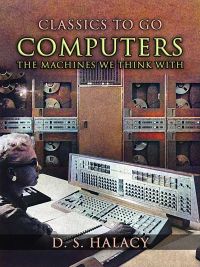
Computers The Machines We Think WithD. S. Halacy8h 40m3.5 (10)$2.30

Cranky Makes a FriendPhuc Tran9m3.7 (188)$4 · $0.00

DriverlessHod Lipson, Melba Kurman9h 57m3.9 (552)$20

Robot RightsDavid J. Gunkel10h 58m4.1 (122)$23 · $0.00
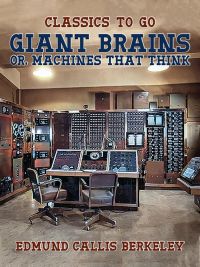
Giant Brains, or, Machines That ThinkEdmund Callis Berkeley9h 21m$2.30

Tech of TomorrowJulie Murray18m$3
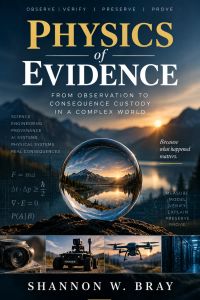
The Physics of EvidenceShannon W. Bray6h 10m4.3 (11)$19.99
THE RISE OF PHYSICAL AI and HUMANOIDSGathu Kamau2h 59m4.7 (134)$4.99 · $0.00

Master AiHenrique Xavier Oliveira2h 5m$6 · $0.00