


Length9h 1m
About this audiobook
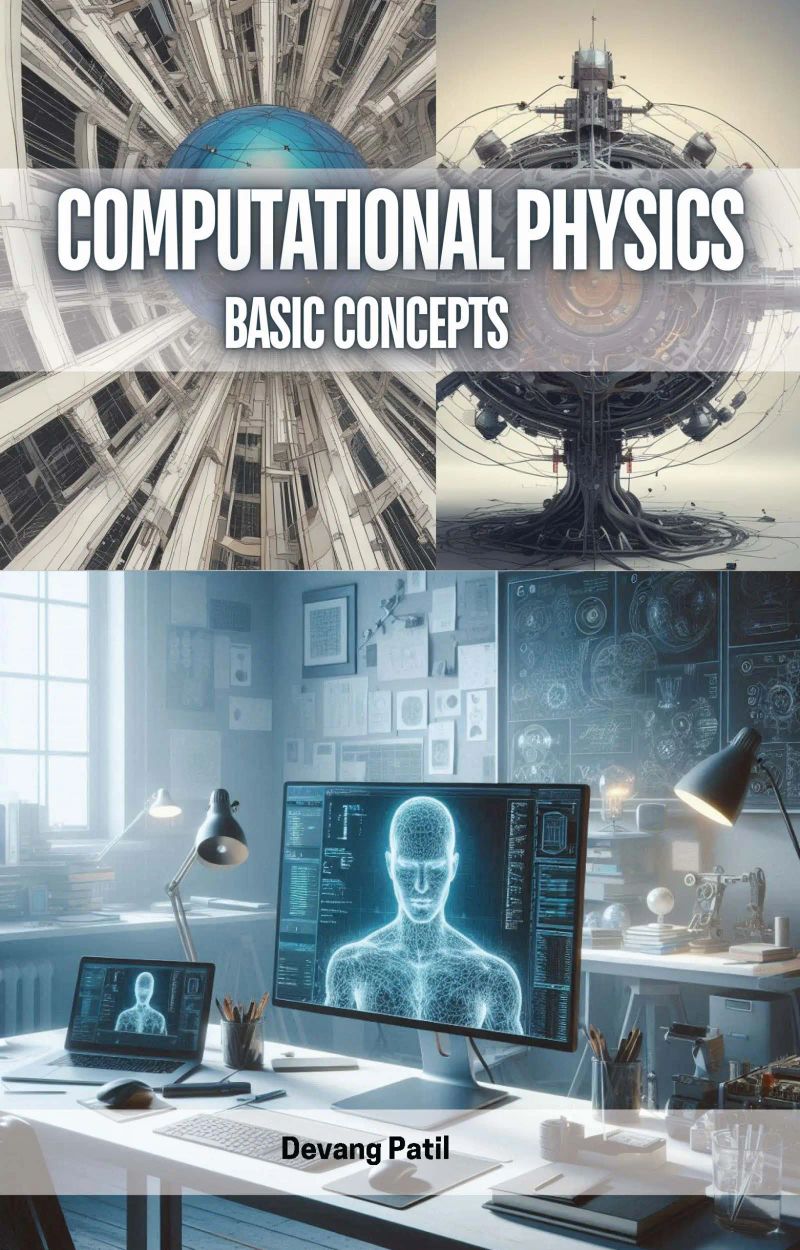
"Computational Physics: Basic Concepts" serves as an indispensable guide for students, researchers, and enthusiasts exploring the intersection of physics and computational methods. This book offers a comprehensive exploration of the fundamental principles of computational physics, providing a solid foundation to tackle complex problems in various branches of physics.
The book begins by elucidating the foundational principles and theoretical underpinnings essential for effective computational simulations. It covers a variety of numerical techniques, including finite difference methods and Monte Carlo simulations, with practical examples and applications.
Recognizing the importance of coding skills, it includes a section on programming tailored for physicists, teaching readers to implement numerical algorithms using popular programming languages.
"Computational Physics: Basic Concepts" extends its coverage to diverse branches of physics such as classical mechanics, electromagnetism, quantum mechanics, and statistical physics, illustrating the versatility of computational techniques. Each chapter includes problem-solving exercises designed to reinforce understanding and enhance computational skills. Techniques for data visualization and interpretation are discussed, enabling effective communication of findings. The book also shares practical tips and best practices to optimize computational workflows and avoid common pitfalls.
Whether you're a student new to computational physics or a seasoned researcher, "Computational Physics: Basic Concepts" provides a thorough and accessible resource for mastering the essential elements of this dynamic field.
Audiobook details
GenreScience and Nature, Education and Learning
Length9 hrs 1 min
Narrated byListen with 1,000+ voices
FormateBook with Audio
Publish dateFeb 20, 2025
LanguageEnglish
Table of contents
1Chapter 1 Introduction to Computational Physics
21.0.1. Genesis of Computational Physics
31.0.2. Fundamentals of Numerical Methods
41.0.3. Simulation Techniques in Computational Physics
51.0.4. High-Performance Computing
Show all chaptersShow less
61.0.5. Applications Across Physics Domains
71.0.6. Computational Challenges and Future Horizons
81.0.7. Interdisciplinary Collaborations
91.0.8. Data-Driven Approaches in Computational Physics
101.0.9. Ethical Considerations in Computational Physics
111.0.10. Educational Perspectives and Resources
121.0.11. Case Studies and Applications in Industry
131.0.12. Challenges and Open Problems
14SUMMARY
15QUICK QUESTIONS
16REFERENCES
172.1.1. Overview of Numerical Methods
181.1.1 Introduction to Numerical Analysis:
191.1.2 Key Numerical Techniques:
202.1.2. Numerical Approximation Techniques
212.1.3. Discretization and Mesh Generation
222.1.4. Linear Algebra in Numerical Methods
232.1.5. Solving Differential Equations Numerically
242.1.6. Applications in Physics
252.1.7. Data Analysis and Visualization
262.1.8. Challenges and Future Directions
272.2.1. Precision in Numerical Calculations:
282.2.2. Accuracy in Numerical Calculations:
292.2.3. Stability in Numerical Calculations:
302.2.4. Interplay of Precision, Accuracy, and Stability:
31SUMMARY
32QUICK QUESTIONS
33REFERENCES
34Chapter 3 Differential Equations in Physics
35SUMMARY
36QUICK QUESTIONS
37REFERENCES
38SUMMARY
39QUICK QUESTIONS
40REFERENCES
41SUMMARY
42QUICK QUESTIONS
43REFERENCES
44Chapter 6 Computational Quantum Mechanics
45SUMMARY
46QUICK QUESTIONS
47REFERENCES
48SUMMARY
49QUICK QUESTIONS
50REFERENCES
More from Devang Patil

A Brief History of IntelligenceMax S. Bennett12h 18m4.6 (6.6K)$29 · $0.00

The Story of BirdsSteve Brusatte11h 49m4.6 (401)$29 · $0.00

My Life Among the UnderdogsTia Torres5h 51m4.5 (4K)$24 · $0.00

What It Takes to Save a LifeKwane Stewart6h4.6 (556)$24 · $0.00

Pastoral SongJames Rebanks8h 35m4.5 (12K)$26 · $0.00

How Stella Learned to TalkChristina Hunger7h4.5 (10.9K)$24 · $0.00

Craig & FredCraig Grossi8h 6m4.5 (9.6K)$26 · $0.00

Celebrating BirdsNatalia Rojas, Ana Maria Martinez6h 47m4.6 (330)$24 · $0.00

Saving JemimaJulie Zickefoose4h 59m4.5 (749)$20 · $0.00

Will's Red CoatTom Ryan8h 23m4.5 (2.3K)$26 · $0.00

Of Time and TurtlesSy Montgomery10h 34m4.5 (5K)$29 · $0.00

Zen and the Art of Saving the PlanetThich Nhat Hanh9h 20m4.5 (3.9K)$29 · $0.00

Bottle of LiesKatherine Eban14h 25m4.4 (12K)$33 · $0.00

IngrainedCallum Robinson8h 10m4.5 (1.1K)$26 · $0.00

The Lion Tracker's Guide To LifeBoyd Varty3h 1m4.4 (4.8K)$18 · $0.00

Born for LoveBruce D. Perry, Maia Szalavitz11h 42m4.4 (4K)$29 · $0.00

The Mountains of California (With Original Drawings & Photographs) (Annotated)John Muir11h 35m4.5 (1.1K)$2 · $0.00

The New GuysMeredith Bagby16h 50m4.4 (1.2K)$40 · $0.00

Blue PasturesMary Oliver3h 23m4.4 (3.8K)$18 · $0.00

The Rise and Reign of the MammalsSteve Brusatte13h 26m4.4 (11.1K)$33 · $0.00
A Brief History of IntelligenceMax S. Bennett12h 18m4.6 (6.6K)$29 · $0.00

HomeschooledStefan Merrill Block7h 10m3.6 (18.5K)$28 · $0.00

How We ThinkJohn Dewey7h 6m4.0 (1.1K)Free

WitnessAriel Burger8h 1m4.6 (1.3K)$20 · $0.00

EducationEllen G. White9h 41m4.6 (1.5K)$2 · $0.00

Parents and Children (Annotated)Charlotte Mason9h 23m4.6 (988)$2 · $0.00

Children Under FireJohn Woodrow Cox10h 17m4.5 (1.6K)$29 · $0.00

The State Must ProvideAdam Harris7h 15m4.5 (775)$24 · $0.00

The Call of the Wild and FreeAinsley Arment9h 7m4.4 (21.2K)$29 · $0.00
The Freelance WayRobert Vlach19h 48m4.5 (528)$40 · $0.00

Race to the BottomLuke Rosiak9h 20m4.5 (600)$29 · $0.00

They Came for the SchoolsMike Hixenbaugh9h 5m4.5 (2.6K)$8 · $0.00

Find Me UnafraidKennedy Odede, Jessica Posner11h 11m4.5 (2.7K)$29 · $0.00

Asking for ItKate Harding8h 55m4.4 (5.3K)$20 · $0.00

Defining Moments in Black HistoryDick Gregory7h 37m4.4 (6K)$26 · $0.00

The Emerald Tablets of Thoth the AtlanteanMaurice Doreal3h 4m4.4 (8.8K)$6 · $0.00

Learning AmericaLuma Mufleh6h 37m4.4 (564)$24 · $0.00
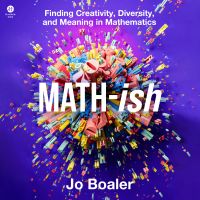
Math-ishJo Boaler7h 21m4.4 (588)$24 · $0.00

It Worked For MeColin Powell7h 42m4.3 (9.8K)$26 · $0.00

Little SoldiersLenora Chu11h 30m4.3 (3.1K)$29 · $0.00
You may also like
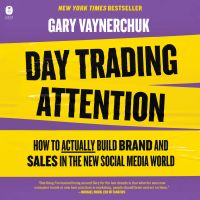
Day Trading AttentionGary Vaynerchuk8h 25m4.3 (1.8K)$28 · $0.00

Planet GoogleRandall Stross7h 44m3.7 (1.8K)$17 · $0.00
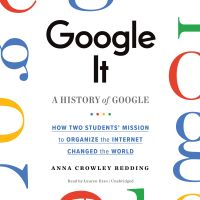
Google ItAnna Crowley Redding4h 18m4.0 (711)$15
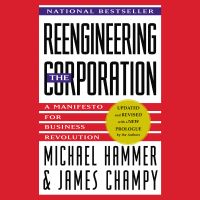
Reengineering the CorporationMichael Hammer, James Champy1h 29m3.8 (7.3K)$16 · $0.00

The Outlook for Cryptocurrencies in the US for the year 2024Unknown Author27m$17 · $0.00

Meet Me in the MiddleGary Vaynerchuk9m3.6 (26)$4 · $0.00

Blockchain : The technology that will transform commerceUnknown Author1h 9m$17 · $0.00

Javascript. A Comprehensive Manual For Creating Dynamic, Responsive Websites And ApplicationsIbrahim Nugwa Abdulrazak8h$16 · $0.00

Ethereum (ETH): What it is, how it works, how to buy, how to sell and how to set up a profitable portfolioUnknown Author1h 11m$17 · $0.00
Creators Take ControlEdward Lee11h 17m4.2 (16)$29 · $0.00
How To Code For Quantum ComputersNivio Dos Santos2h 19m$46 · $0.00

The Definitive Guide To The World's Leading Artificial IntelligenceKael Novera6h 51m$8 · $0.00

Law of Startups in Brazil and the WorldVitor Mendonça Prado3h 51m$12 · $0.00

How To Be an AuthortunistAngela Yuriko Smith4h 12m4.5 (17) Only with Ultra

Story Behind HyperfaceRekha Balakrishnan9m$4

Gamification (Audiobook)Unknown Author1h 30m$18 · $0.00

Introduction manual to S&OPCristina Peña1h 34m4.4 (15)$23 · $0.00

The Evolution of Technologythe Speech Resource Company9h 30m$20

Generation and Transfer of Knowledge for Digital TransformationUnknown Author6h 15m$8 · $0.00

The Start-up Founder's Guide to Digital MarketingPramod Maloo8h 17m4.6 (27)$20 · $0.00