
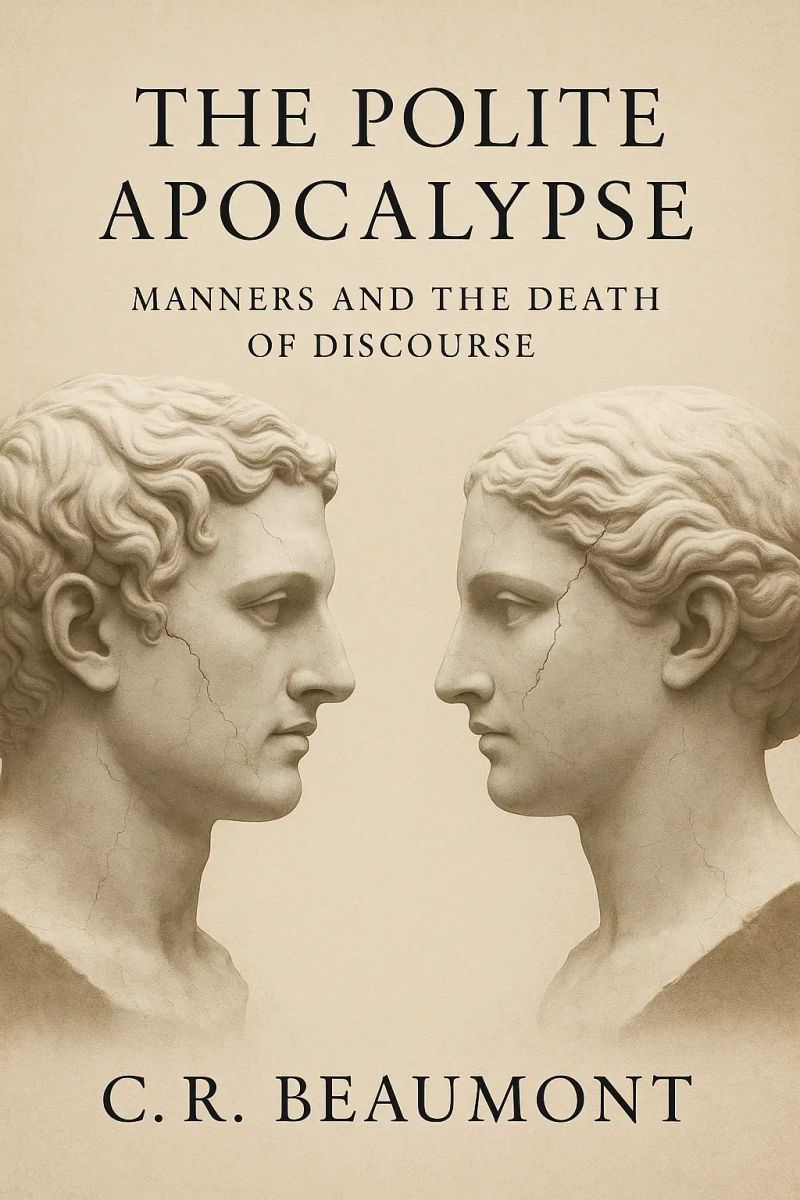
THE POLITE APOCALYPSE
Manners and the death of discourseBy C.R. Beaumont


Length23h 18m
About this audiobook
THE POLITE APOCALYPSE: MANNERS AND THE DEATH OF DISCOURSE
In The Polite Apocalypse, C.R. Beaumont uncovers the quiet cultural collapse happening around us: the fraying of civility, the vanishing of everyday courtesy, and the slow death of meaningful discourse. Through vivid stories, historical insight, and razor-sharp analysis, Beaumont shows how time, technology, and a culture of speed have reshaped our ability to listen, disagree, and coexist.
This is not a book about nostalgia. It is a map of what we lost—and a guide to what we can rebuild. With chapters on institutional silence, digital outrage, moral psychology, lost rituals, and the architecture of civility, Beaumont offers a deeply human vision for a gentler future.
The Polite Apocalypse is both warning and invitation: a reminder that the survival of our civilization may depend on something as simple—and as difficult—as learning to say “please” and “thank you” again.
Audiobook details
GenrePhilosophy, Self-Help
Length23 hrs 18 mins
Narrated byListen with 1,000+ voices
FormateBook with Audio
Publish dateSep 12, 2023
LanguageEnglish
Table of contents
1Introduction
2Prologue — The Silence After the Shouting
3I. Opening Imagery — The Noise That Drowned the World
4[Vignette: The Thanksgiving Table, 2024]
5II. Defining the "Polite Apocalypse"
Show all chaptersShow less
6III. The Lost Social Contract of Speech
7IV. Political Correctness, Outrage, and the Performance of Virtue
8V. The Moral Function of Manners
9VI. The Algorithm of Contempt
10VII. Why This Book Exists
11VIII. Closing Image — The Whisper That Can Still Be Heard
12[Vignette: The Coffee Shop, 2025]
13References
14Part I — The Architecture of Courtesy
15Chapter 1: The Grammar of Grace
161. Prelude: When Gesture Became Language
172. Origins of Politeness: From Survival to Symmetry
183. The Moral Architecture of Manners
194. The Social Syntax: How Etiquette Became Grammar
205. Courtesy as Cognitive Technology
216. The Sacredness of Restraint
227. When Etiquette Becomes Elitism
23[Vignette: The Drawing Room, 1885]
248. Toward a Democratic Decorum
259. Manners as Moral Muscle
2610. Closing Reflection: The Whisper Beneath the Roar
27References
28Part I — The Architecture of Courtesy
29Chapter 2: The Victorian Virtue Machine
301. Prelude: Steam, Soot & Silver Spoons
312. Etiquette as Empire Engineering
323. The Factory of Virtue: Time, Discipline, and Decorum
334. Gender & the Angel of the Parlor
345. The Moral Economy of Politeness
356. Cleanliness, Control & the Aesthetic of Order
367. The Shadow Side: Snobbery and Suppression
378. Transatlantic Echoes: Gilded Age America
389. Epilogue: The Etiquette Manual as Moral Machine
3910. Collapse of the Virtue Machine
40References
41Part I — The Architecture of Courtesy
42Chapter 3: The Republic of Decorum
431. Prelude: The Manners of a Republic
442. The Founders' Civility: Liberty in Restraint
453. The Civility of the Common Man
464. The Frontier and the Gentleman Farmer
475. Decorum as Democratic Ritual
486. Emily Post and the Gospel of Good Form
497. Manners as Civic Literacy
508. The Civility Wars: Class, Race, and Inclusion

IlluminationsWalter Benjamin10h 12m4.4 (16.2K)$20 · $0.00

That Bird Has My WingsJarvis Jay Masters9h 49m4.4 (13.7K)$29 · $0.00

Tâo Teh KingLaozi2h 34m4.4 (230.9K)$2 · $0.00

SymposiumPlato3h 26m4.4 (97.9K)$1.20 · $0.00

Buddhist Boot CampTimber Hawkeye2h 39m4.4 (8.4K)$18 · $0.00

Enchiridion & The Discourses of Epictetus (Annotated)Arrian Epictetus18h 9m4.4 (3.5K)$2 · $0.00

The Meditations of the Emperor Marcus Aurelius AntoninusEmperor of Rome Marcus Aurelius5h 41m4.4 (1.8M)$1 · $0.00

Crime and PunishmentFyodor Dostoevsky23h 11m4.4 (1.3M)$12 · $0.00

MeditationsMarcus Aurelius5h 52m4.4 (433.7K)$1 · $0.00

Everyday DharmaSuneel Gupta5h 2m4.5 (761)$20 · $0.00

The Joyful Wisdom ("La Gaya Scienza")Friedrich Wilhelm Nietzsche11h 37m4.4 (26.6K)$1 · $0.00
The Art of LivingEpictetus, Sharon Lebell3h 16m4.4 (50.1K)$18 · $0.00
MeditationsEmperor Of Rome Marcus Aurelius7h 23m4.3 (477.5K)$1.20 · $0.00

The Imitation of ChristThomas à Kempis6h 27m4.3 (84.6K)$21 · $0.00

Sadhana: the realisation of lifeRabindranath Tagore3h 49m4.4 (8.6K)$6 · $0.00
SapiensYuval Noah Harari15h 18m4.3 (1.4M) · 1193$33 · $0.00

You BelongSebene Selassie8h 35m4.4 (2.7K)$26 · $0.00

The Song Celestial; Or, Bhagavad-Gîtâ (from the Mahâbhârata)Anonymous2h 18m4.4 (3.2K)$2 · $0.00

The KybalionThe Three Initiates3h 47m4.3 (58.7K)$20 · $0.00

Chuang Tzu: Mystic, Moralist, and Social ReformerZhuangzi14h 42m4.4 (1.2K)$1 · $0.00

Learning to PrayJames Martin13h 24m4.5 (3.4K)$33 · $0.00

The Dangerous Truth about Today’s MarijuanaLaura Stack CSP, MBA9h 57m4.7 (385)$20 · $0.00
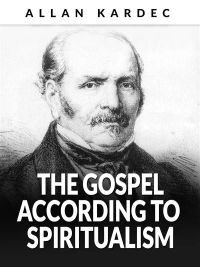
The Gospel according to Spiritualism (Translated)Allan Kardec14h 39m4.6 (3.9K)$5.70 · $0.00

Birdie & HarlowTaylor Wolfe7h 50m4.6 (6.5K)$26 · $0.00

CrossroadsKaleb Dahlgren7h 56m4.6 (4.9K)$26 · $0.00

Life on the BridgeKaelynn Partlow5h 40m4.6 (1.1K)$24 · $0.00

Keep Your Love OnDanny Silk9h 4m4.6 (8.1K)$10 · $0.00

The Tao of Joy Every DayDerek Lin10h 24m4.6 (762)$20 · $0.00

UndividedVicky Beeching9h 2m4.6 (1.3K)$29 · $0.00

HE CAN WHO THINKS HE CAN & OTHER BOOKS ON SUCCESSOrison Swett Marden5h 54m4.6 (1.2K)$1.99 · $0.00
Level UpRob Dial7h 42m4.6 (3.3K)$26 · $0.00

Burn the HaystackJennie Young, PhD9h 30m4.6 (543)$29 · $0.00

ACRES OF DIAMONDS: Our Every-day Opportunities (Wisdom & Empowerment Series) (Annotated)Russell Conwell2h 26m4.6 (1K)$2 · $0.00

Good InsideBecky Kennedy9h 55m4.5 (59.3K)$29 · $0.00

The Lost VoiceGreta Morgan8h 30m4.7 (285)$26 · $0.00

Stripped DownBunnie Xo8h 25m4.5 (32.9K)$26 · $0.00

UnthinkableJamie Raskin15h 8m4.5 (9.3K)$8 · $0.00

Wallace D. Wattles Ultimate Collection Wallace D. Wattles16h 53m4.6 (1.3K)$1 · $0.00

Inquire WithinIn-Q2h 18m4.6 (993)$16 · $0.00

Under His WingsEmily Compagno7h 16m4.6 (848)$22 · $0.00
You may also like

The Machine StopsE. M. Forster1h 19m4.2 (26.1K)$1 · $0.00
The Last Economy: A Guide to the Age of Intelligent EconomicsEmad Mostaque3h 54m4.3 (345)Free

THE ATTENTION SPANAuthor name53m3.7 (2.5K) Only with Ultra

Who's Raising the Kids?Susan Linn11h 7m4.0 (488)$20

After AmericaSteyn, Mark15h 10m4.2 (3.2K)Free

Love in the RuinsWalker Percy11h 30m4.0 (7.2K)$20

The Great DerangementAmitav Ghosh6h 7m4.1 (8.3K)$17

Notes on a Nervous PlanetMatt Haig5h 11m4.1 (64.5K)$24 · $0.00
Dismantling AmericaThomas Sowell8h 8m4.5 (4.7K)$17
Half-Earth SocialismTroy Vettese, Drew Pendergrass7h 1m4.2 (763)$17 · $0.00

The Machine StopsEdward Morgan Forster1h 31m4.1 (28.3K)$10 · $0.00

The Last Man & FrankensteinMary Shelley28h 2m3.6 (11.8K)$1.99 · $0.00

THE CERTAINTY COLLAPSEA.M. Winters50m4.9 (12) Only with Ultra

Twilight of American SanityAllen Frances12h 38m3.8 (637)$33 · $0.00

Plagues, Potions & Progress – A Journey Through Medical HistoryVlad Pop56m5.0 (3) Only with Ultra

Caesar’s ColumnIgnatius Donnelly10h 43m3.1 (124)$21 · $0.00
Pay AttentionDavid Pakman9h 27m$29 · $0.00
No More WorkJames Livingston3h 16m3.7 (449)$15

THE SLEEPER AWAKES & THE TIME MACHINE (Dystopian Classics) (Annotated)H. G. Wells13h 37m$2 · $0.00

THOMAS MORE Premium Edition (Annotated)Thomas More40h 18m$2 · $0.00