

The Licentiate Vidriera (Doctor Glass-Case)
By Miguel de Cervantes


Length2h 28m
About this audiobook
In "The Licentiate Vidriera (Doctor Glass-Case)," Miguel de Cervantes crafts a rich narrative exploring themes of madness, identity, and societal perception through the lens of a seemingly delusional protagonist. Set in early 17th-century Spain, the story follows the life of a young man who, after a series of unfortunate events, becomes convinced that he is made of glass. Cervantes employs a satirical tone, blending elements of realism and absurdity, while employing his characteristic wit to dissect societal norms and the fragility of human nature. The novella serves as both a poignant commentary on mental health in a time of rigid social hierarchies and an engaging exploration of the thin line between genius and insanity. Cervantes, a pivotal figure in Spanish literature, is often celebrated for his iconic work "Don Quixote." His experiences as a soldier, prisoner, and tax collector exposed him to the complexities and injustices of human existence, likely influencing his portrayal of the character's plight in "Doctor Glass-Case." Cervantes's keen observations of society, combined with his personal struggles, give the work an authenticity that resonates deeply with readers. This novella is highly recommended for those interested in the intersections of mental health, identity, and societal expectations. Cervantes's intricate storytelling offers not only entertainment but also profound insights into human experience, inviting readers to reflect on the nature of reality and perception. "The Licentiate Vidriera" is a timeless reflection on the human condition, making it an essential read for scholars and enthusiasts of literature alike.
Audiobook details
Rating★★★★ 3.7 (1.4K)
Includes Goodreads, Amazon, LibraryThing, StoryGraph
GenreLiterary Classics, Humor
Length2 hrs 28 mins
Narrated byListen with 1,000+ voices
FormateBook with Audio
Publish dateSep 15, 2022
LanguageEnglish
Table of contents
1Introduction
6The Licentiate Vidriera (Doctor Glass-Case)
2Introduction
7Analysis
3Synopsis
8Reflection
4Historical Context
9Memorable Quotes
5Author Biography

Don Quijote de la ManchaMiguel de Cervantes41h 4m4.1 (352.4K)$0.99 · $0.00

Don Quixote (illustrated & annotated) (Annotated)Miguel de Cervantes45h 48m4.3 (1.3K)$2 · $0.00

Novelas Ejemplares (Anotado)Miguel de Cervantes20h 54m$0.99 · $0.00

Don Quijote von der Mancha (Kommentiert)Miguel de Cervantes52h 5m$2 · $0.00

Novelas Ejemplares (Anotado)Miguel de Cervantes20h 53m4.3 (10.2K)$0.99 · $0.00

Gesammelte Werke (Kommentiert)Miguel de Cervantes95h 32m4.5 (20)$1 · $0.00
Rinconete and Cortadillo (Peter of the Corner and the Little Cutter) (Annotated)Miguel de Cervantes3h 31m3.1 (1.7K)$2 · $0.00

Los trabajos de Persiles y SigismundaMiguel de Cervantes15h 30m3.8 (721)$12 · $0.00
El curioso impertinenteMiguel de Cervantes1h 50m3.9 (293)$7 · $0.00

Colección integral de Miguel de CervantesMiguel de Cervantes88h 48m$5 · $0.00

The Exemplary Novels of CervantesMiguel de Cervantes19h 21m3.7 (1.9K)$1 · $0.00

The Spanish-English LadyMiguel de Cervantes2h 54m3.5 (534)$2 · $0.00

Don Quixote (illustrated & annotated)Miguel de Cervantes44h 11m4.7 (63)$1 · $0.00

The Licentiate Vidriera (Doctor Glass-Case)Miguel de Cervantes2h 19m3.2 (1.2K)$2 · $0.00

Novelas EjemplaresMiguel de Cervantes20h 38m4.2 (14.3K)$2 · $0.00

Colección integral de Miguel de CervantesMiguel de Cervantes88h 55m$4.99 · $0.00

Novelas EjemplaresMiguel de Cervantes19h 36m4.2 (14.4K)$2 · $0.00

Don Quijote von der ManchaMiguel de Cervantes52h 20m4.1 (352.1K)$2 · $0.00

Don Quijote von der Mancha (Zusammengefasste Ausgabe)Miguel de Cervantes10h 21m$2
Rinconete and Cortadillo (Peter of the Corner and the Little Cutter)Miguel de Cervantes3h 29m3.1 (1.7K)$2 · $0.00

This Side of Paradise - The Original 1920 Edition (Annotated)F. Scott Fitzgerald11h 30m4.6 (1.6K)$2 · $0.00
The Great Gatsby: Original 1925 Edition (An F. Scott Fitzgerald Classic NovelFrancis Scott Fitzgerald4h 45m4.6 (9.3K)$18 · $0.00

Ivanhoe (Annotated)Walter Scott22h 52m4.8 (88)$2 · $0.00
The Fire Next TimeJames Baldwin2h 25m4.6 (159.1K)$15

The Complete Histories / History Plays of William Shakespeare (Annotated)William Shakespeare29h 42m4.6 (2.3K)$0.99 · $0.00

Braving the TruthRachel Held Evans11h 31m4.7 (359)$29 · $0.00

Richard Wagamese SelectedRichard Wagamese3h 14m4.6 (594)$15

The Old Man and the Sea (Annotated)Ernest Hemingway4h 27m4.6 (1.4K)$2 · $0.00

Twelfth Night (The Unabridged Play) + The Classic Biography (Annotated)William Shakespeare, Sidney Lee16h 38m4.6 (1.4K)$2 · $0.00
Henry V (The Play, Historical Background and Analysis of the Character in the Play)William Shakespeare, William Hazlitt8h 40m4.6 (1.3K)$1 · $0.00
Pathways to LightPrakash Amte7h 6m4.6 (1.3K)$8

These Vital SignsSayed Tabatabai3h 20m4.7 (215)$18 · $0.00
H. P. LOVECRAFT Ultimate Collection: Novellas, Short Stories, Poetry & Essays (Annotated)H. P. Lovecraft12h 28m4.6 (2.3K)$2 · $0.00
Time RegainedMarcel Proust15h 54m4.5 (10.6K)$2 · $0.00
Lessons in TruthH. Emilie3h 50m4.6 (1.4K)$4.70 · $0.00

TORAH - Bilingual Edition: English/Hebrew (Annotated)Max Margolis, JPS28h 26m4.6 (1K)$2 · $0.00

The Poetic EddaJackson Crawford6h 24m4.5 (19.8K)$17

Betty Crocker picture cooky bookBetty Crocker, Inc. General Mills2h 13m4.5 (6.5K)$1 · $0.00

The Complete Tales of Beatrix PotterBeatrix Potter3h 36m4.5 (75K)$3 · $0.00

Anne of Green GablesL. M. Montgomery11h 1m4.5 (1.2M)$2.30 · $0.00
Chaos in a CoupeDivya Dugar9h 18m4.7 (177)$18 · $0.00

The Life of DaiDai Henwood, Jaquie Brown8h 2m4.6 (790)$26 · $0.00
What If? 10th Anniversary EditionRandall Munroe7h 29m4.5 (41.4K)$23
Welcome to PawneeJim O'Heir6h 24m4.5 (5.3K)$24 · $0.00
Going PostalTerry Pratchett13h 36m4.5 (163.8K)$33 · $0.00

Woman UninterruptedBrodie Kane7h 1m4.6 (562)$24 · $0.00
1984 & Animal Farm (Annotated)George Orwell15h 54m4.5 (220.8K)$1.99 · $0.00

Kingsblood Royal (Annotated)Sinclair Lewis14h 42m4.6 (264)$2 · $0.00

Hot Cowgirl Sh*tLacie Evans2h 15m4.7 (103)$15

This Is Going to HurtAdam Kay5h 47m4.4 (444.7K)$24 · $0.00

You Will Get Through This NightDaniel Howell6h 56m4.4 (11.8K)$24 · $0.00

Northanger Abbey (Annotated)Jane Austen10h 7m4.5 (1.6K)$2 · $0.00

My Dear HamiltonStephanie Dray, Laura Kamoie23h 7m4.4 (63.6K)$46 · $0.00
THE SCREWTAPE LETTERS & SCREWTAPE PROPOSES A TOAST (Annotated)C. S. Lewis5h 6m4.4 (471K)$2 · $0.00

Jungle UpNick Pirog10h 8m4.4 (3.1K)$20
The 13½ Lives of Captain BluebearWalter Moers16h 10m4.4 (34.3K)$28
Damon Runyon OmnibusDamon Runyon27h4.5 (242)$2 · $0.00

WotchaKev Saunders14h 41m5.0 (18)$8 · $0.00
BufferingHannah Hart5h 55m4.4 (12.4K)$24 · $0.00

The Office BFFsJenna Fischer, Angela Kinsey8h 26m4.3 (45.4K)$26 · $0.00
You may also like
We Are Experiencing a Slight DelayGary Janetti4h 33m4.1 (4.8K)$20 · $0.00
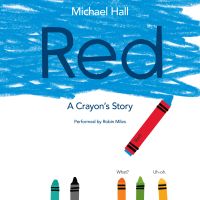
RedMichael Hall5m4.5 (49.4K)$4 · $0.00

A Room of One's OwnVirginia Woolf5h 24m4.3 (318K)$12 · $0.00
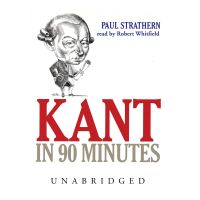
Kant in 90 MinutesPaul Strathern1h 23m3.6 (2K)$7
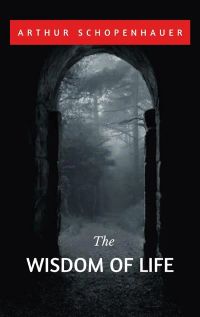
The Wisdom of LifeArthur Schopenhauer3h 20m4.2 (21K)$3.50 · $0.00

Dr. Montessori's Own HandbookMaria Montessori2h 42m4.3 (1.3K)$10 · $0.00
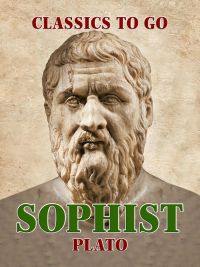
SophistPlato5h 18m4.1 (4.3K)$2.30
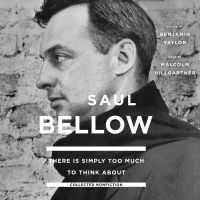
There Is Simply Too Much to Think AboutSaul Bellow20h 28m4.0 (272)$30
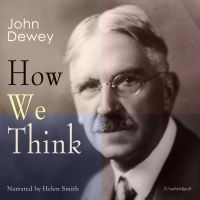
How We ThinkJohn Dewey8h 52m4.0 (1.6K)$22 · $0.00

Elmer GantrySinclair Lewis15h 57m4.0 (14.6K)$25

Zen in the Martial ArtsJoe Hyams2h 37m4.3 (14.1K)$10

The AmbassadorsHenry James20h 1m3.7 (19.7K)$2 · $0.00
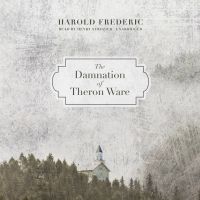
The Damnation of Theron WareHarold Frederic13h 56m3.9 (2K)$23
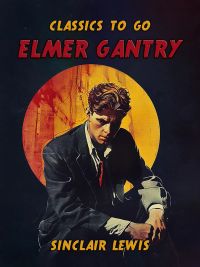
Elmer GantrySinclair Lewis17h 30m4.0 (8.9K)$2.40

Irrationally YoursDan Ariely3h 23m3.7 (2.8K)$18 · $0.00
The Licentiate Vidriera (Doctor Glass-Case)Miguel de Cervantes2h 19m3.2 (1.2K)$2 · $0.00

The Man Who Tried to Impress G. K. ChestertonOtto Handley2h 39m$15

The Emily Emmins PapersCarolyn Wells4h 11m$2 · $0.00

Die Hot With a VengeanceSable Yong7h 37m3.5 (884)$26 · $0.00

Jonathan and His Continent: Rambles Through American SocietyJack Allyn, Max O'Rell5h 42m$2 · $0.00