
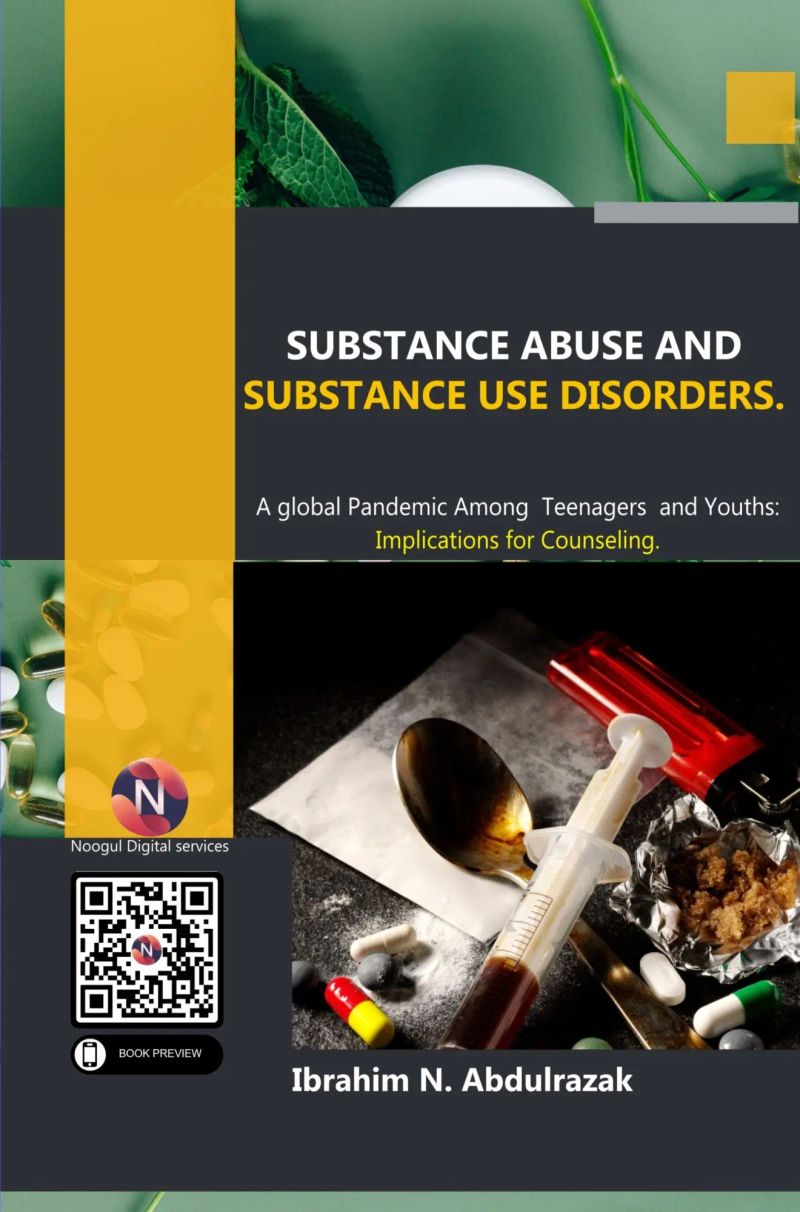
Substance Abuse and Substance Use Disorders.
By Ibrahim Nugwa Abdulrazak


Length8h 41m
About this audiobook
Substance Abuse and Substance Use Disorders: A Global Pandemic Among Teenagers and youths: Implications for Counseling is a book revealed, to meet contemporary substance-related challenges. Substance/drug abuse with its associated physical, social and mental pathologies has become a global challenge. ‘Innovative Substances’ exposed in this book have added new dimensions to the problems of substances, especially socio-demographic boundaries. This author has, in this book, creatively classified the substances in the most understandable typology for ease of reading and comprehension by his diverse target audience. The book dedicates each chapter to a class presenting their brief origins, forms, types, pathogenetic sequences, recognition of symptoms, and management of the abuse/addictions as well as their related disorders. Exciting classes of substances such as Dissociatives and empathogens (aka entactogens) are new additions to the whole discussion of substances in modern day society. The book focuses on the distils to the role of the counselor and counseling in managing substances in our fast moving society. The easy-to-read format of the book should make it appealing to readers. Professionals in the Social Sciences, Education, Health, and other Helping Professions will find the book highly valuable. Every family also needs to read and keep a copy.
Audiobook details
GenrePsychology
Length8 hrs 41 mins
Narrated byListen with 1,000+ voices
FormateBook with Audio
Publish dateApr 24, 2026
LanguageEnglish
Table of contents
1Introduction
2Using stimulants with other drugs
3Health and safety
4What do they look like?
5Slang names
Show all chaptersShow less
6Overdose
7Withdrawal
8Cultural practice
9How is it used?
10Betel quids
11Effects of betel nut
12Long-term effects
13Using betel nut with other drugs
14The interactions of betel nut with other pharmaceuticals, whether over-the-counter or prescribed, can be unexpected and harmful, and can result in:
15- Tobacco and betel nut: substantially raises the risk of mouth cancer (WHO, 2012).
16Effects of caffeine
17Overdose: Long-term effects
18Using caffeine with other drugs
19Withdrawal: Other names
20Effects of Cocaine
21Coming down
22Withdrawal
23Phases of withdrawal
24Overdose
25Coming down
26Long-term effects of ice
27Dependence
28Regular ice users might soon get addicted to the substance. They may believe they require ice to go about their daily activities such as working, learning, and socializing, or just to get through the day.
29Mental health problems
30Some persons who use ice on a regular basis may begin to appreciate their daily activities less. They are easily stressed, and their emotions might swing dramatically. These alterations can contribute to long-term anxiety and depression issues. People may experience these consequences for several weeks or months after quitting ice.
31Mixing ice with other drugs
32The interactions of ice with other substances, including over-the-counter or prescription pharmaceuticals, can be unexpected and deadly, resulting in:
33Ice + speed or ecstasy: extreme pressure on the heart and other organs, perhaps leading to stroke.
34- Ice + alcohol, cannabis, or benzodiazepines: massive strain on the body, with a higher risk of overdose. Ice's stimulant properties may mask the effects of depressant medicines such as benzodiazepines, increasing the danger of overdose (Brands et’al, 1998).
35Withdrawal
36Giving off ice after a long period of use is difficult since the body must adjust to operating without it. Withdrawal symptoms usually subside after a week and completely gone within a month. Symptoms may include:
37- Ice cravings
38- Anxiety, sadness, and paranoia
39- Increased hunger
40- Confusion and irritability
41- Aches and pains
42- Exhaustion
43- Restless sleep and nightmares
44Treatment for ice misuse
45Drug abuse treatment options include:
46- Individual counseling
47- Group treatment
48- Peer support, or talking to others in similar situations, may also be beneficial.
49Some drug rehabilitation facilities provide therapeutic day rehabilitation, allowing you to focus on your drug usage while staying at home. This is regular day programs held over a certain length of time that include methodologies such as:
50- Cognitive behavioral therapy (CBT)
More from Ibrahim Nugwa Abdulrazak
Educating Exceptional Needs Youngsters. A Resource For Educators, Parents, And Healthcare Practitioners: Counseling RamificationsIbrahim Nugwa Abdulrazak5h 50m$17 · $0.00
Abuse and Misuse of Psychedelic Substances: Its Implications on Health and Wellness.Ibrahim Nugwa Abdulrazak1h 17m$12 · $0.00

JavaScript. A Comprehensive manual for creating dynamic, responsive websites and applicationsIbrahim Nugwa Abdulrazak8h 38m$17 · $0.00
Cannabinoid Abuse And Misuse: Its Connected Impact On Health And Well-BeingIbrahim Nugwa Abdulrazak1h 27m$17 · $0.00
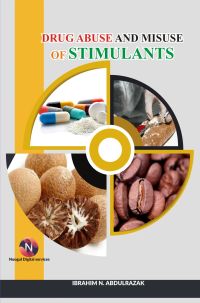
Drug Abuse and Misuse of StimulantsIbrahim Nugwa Abdulrazak1h 25m$12 · $0.00
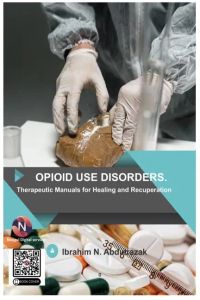
Opioid Use Disorders: Therapeutic Manuals for Healing and RecuperationIbrahim Nugwa Abdulrazak1h 46m$13 · $0.00

Comprehensive Hypertext Markup Language (HTML). A Tutorial Guide to Editing and Developing a Responsive and Dynamic Website for Beginners.Ibrahim Nugwa Abdulrazak4h 43m$18 · $0.00

A simplified Nursing Informatics. A Modern Age Health Technology for Nurses and MidwivesIbrahim Nugwa Abdulrazak2h$17 · $0.00
What to Make of a LifeJim Collins13h 31m4.4 (794)$33 · $0.00

Invisible StormJason Kander6h 48m4.7 (3.2K)$24 · $0.00

I Am The StormJanice Dean9h4.6 (1.5K)$8 · $0.00

On Democracies and Death CultsDouglas Murray10h 38m4.6 (6.5K)$29 · $0.00

TerraformPropaganda5h 39m4.7 (594)$24 · $0.00

Southern Horrors: Lynch Law in All Its Phases (Annotated)Ida B. Wells-Barnett2h 44m4.6 (1.3K)$2 · $0.00

Hour of the HeartIrvin D. Yalom, Benjamin Yalom8h 19m4.6 (2.3K)$26 · $0.00

Braving the TruthRachel Held Evans11h 31m4.7 (359)$29 · $0.00
Level UpRob Dial7h 42m4.6 (3.3K)$26 · $0.00

As a JewSarah Hurwitz8h 36m4.6 (1.2K)$26 · $0.00

Saint Joan (Annotated)George Bernard Shaw6h 20m4.6 (1.2K)$1.20 · $0.00
Burn the HaystackJennie Young, PhD9h 30m4.6 (543)$29 · $0.00

Woman and the New Race (Annotated)Margaret Sanger6h 30m4.6 (1K)$1.99 · $0.00

Good InsideBecky Kennedy9h 55m4.5 (59.3K)$29 · $0.00

The Mis-Education of the NegroCarter Godwin Woodson5h 4m4.5 (29.4K)$1.20 · $0.00

Du Bois: EssaysW.E.B. Du Bois6h 22m4.6 (1.5K)$1 · $0.00

The North American Indian (Illustrated Edition)Edward S. Curtis, Frederick Webb Hodge5h 59m4.6 (1.4K)$2 · $0.00

Valley of the BirdtailAndrew Stobo Sniderman, Douglas Sanderson10h 1m4.6 (2.4K)$29 · $0.00

Lies My Therapist Told MeGreg E. Gifford9h 3m4.6 (503)$29 · $0.00

Disturbed in Their NestsAlephonsion Deng, Judy A. Bernstein11h 22m4.6 (595)$23 · $0.00
You may also like

Heart 411Marc Gillinov MD, Steven Nissen MD19h 52m4.3 (349)$30 · $0.00

Be CalmJill Weber PhD4h 39m4.1 (2.2K)$20
Communicate with ConfidenceMade for Success4h 51m4.1 (256)$20

Body Love Every DayKelly LeVeque8h 24m4.3 (1.9K)$26 · $0.00
How to Master the Art of SellingTom Hopkins15h 27m4.3 (4K)$35

Boost Your Fertility- Preconception Strategies That WorkAurora Brooks1h 18m$3.50 · $0.00

Childbirth preparation with hypnosis - for HERDr. Nidal Moughrabi38m$10

Budget With Irregular IncomeImad Muratspahic3h 22m$12 · $0.00
Preconception and Weight- Striving for a Healthy Body Mass IndexAurora Brooks52m$3.50 · $0.00
Bitterly SweetAmelia T. Montgomery6h 28m$4.10 · $0.00

The Code of Communication Between Two PeopleDanniel Silva6h 37m$1.80 · $0.00

Yoga for the SlopesYoga 2 Hear, Sue Fuller3h 24m$15

The 28-Day Cortisol Reset Meal PlanKATE M KEARNS5h 24m$5.50 · $0.00
THE SPINE RECOVERY GUIDELUCAS M. BENNETT4h 43m$8
Every Day I Have to Figure Out What to Eat - How to Stop Losing Your Life to “What's for Dinner?”Max Paradox6h 58m$7.70 · $0.00
Mastering Your FinancesAdira D. York6h 14m$6.40 · $0.00

A Creative Rebel's Guide to Writing Amazing FictionMeghan March7h 54m4.2 (117)$20

Restorative YogaSue Fuller3h 6m$15

Investing for People Who Hate SpreadsheetsHugo Mendelssohn7h 48m$7 · $0.00

How to Stop AddictionsAnthony Ekanem33m$4 · $0.00