
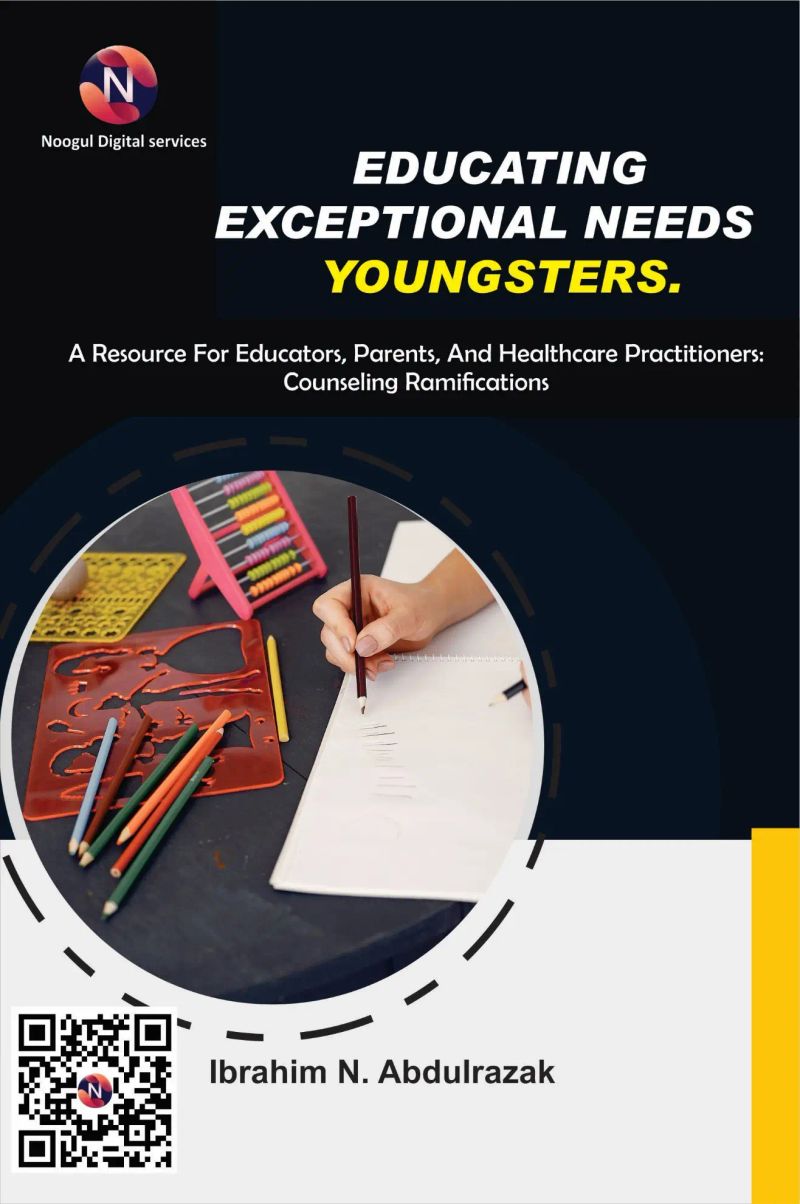
Educating Exceptional Needs Youngsters. A Resource For Educators, Parents, And Healthcare Practitioners: Counseling Ramifications
By Ibrahim Nugwa Abdulrazak


Length5h 50m
About this audiobook
Educating Exceptional Needs Youngsters is a comprehensive guide designed to support educators, parents, and healthcare professionals in addressing the multifaceted needs of children with special education requirements. The book covers a wide array of topics that span early childhood education, guidance and counseling, technology integration, rehabilitation, and specialized training, offering practical strategies and theoretical insights for effective support and intervention.
In Section One, the book delves into the philosophy and goals of early childhood education for children with special needs, emphasizing early detection and collaboration between parents and professionals. It provides detailed frameworks for evaluating and assessing children, as well as suggestions for home-based and center-based programs tailored to diverse educational needs.
Section Two focuses on guidance and counseling, outlining essential strategies for addressing the emotional, psychological, vocational, and social needs of children with special needs. It highlights the critical role of counseling for both children and their families, providing insight into effective communication, adjustment, and reality counseling, as well as the importance of family involvement.
Section Three explores the use of Information and Communication Technology (ICT) as a vital tool for supporting children with hearing and visual impairments. This section emphasizes the role of ICT in enhancing educational experiences and social interaction, while also discussing the prerequisites for successful implementation.
In Section Four, the book addresses rehabilitation, distinguishing between rehabilitation and habituation, and outlining different forms of rehabilitation, such as educational, vocational, and medical. It provides guidance on establishing rehabilitation settings and understanding the stages of medical and psychosocial rehabilitation.
Section Five covers the development of independent living skills and basic work skills for individuals with special needs. The section outlines various training techniques in self-help, communication, socialization, and vocational skills, with a focus on enabling individuals to live fulfilling, independent lives.
Sections Six, Seven, and Eight provide practical insights into diagnostic and remedial strategies for subjects like mathematics, reading, and writing. These sections tackle the challenges children with learning disabilities face, offering targeted interventions and strategies for overcoming barriers in academic performance.
Section Nine delves into language and speech disorders, providing a thorough understanding of various speech and language impairments, including dysarthria, aphasia, and dysphonia. It discusses the assessment tools available for speech therapy and offers treatment options for children with these challenges.
Finally, Section Ten examines disorders of learning, detailing specific learning disabilities and the strategies educators can employ to address them. This section also includes a discussion on specific reading problems and provides practical approaches to help children overcome learning difficulties.
Overall, Educating Exceptional Needs Youngsters serves as an invaluable resource for all those involved in the education and care of children with special needs, combining theoretical foundations with practical advice to promote their development and well-being.
Audiobook details
GenreEducation and Learning, Psychology
Length5 hrs 50 mins
Narrated byListen with 1,000+ voices
FormateBook with Audio
Publish dateApr 24, 2026
LanguageEnglish
Table of contents
1SECTION ONE:
2EARLY CHILDHOOD EDUCATION FOR CHILDREN WITH SPECIAL NEEDS
3The Philosophy of Pre-primary (Kindergarten) and Primary (Elementary) Education
4Nature, Purpose and Types of Early Child Education.
5Purpose of Early Child Education
Show all chaptersShow less
6Early Detection and Identification of Children with Special Education Needs
7Identification
8Working With Parents (Counseling) On Continuing Work Done In School At Home
9A productive parent professional relationship provides professionals with:
10The productive parent professional relationship provides the parents with the followings:
11And of most importance, a productive parent professional relationship provides the child with:
12Evaluation and Assessment of Child
13Referrals:
14Collaboration:
15Educational Needs of Pre School Children with Special Needs
16a. Home Based Programs:
17b. Centre Based Programmes:
18c. Combine Home Centre Programs:
19SECTION TWO:
20GUIDANCE AND COUNSELING FOR LEARNERS WITH SPECIAL NEEDS
21Introduction
22The Goals or Objectives of Guidance and Counseling for Special Needs Persons
23Scope of Counseling and Guidance
241. Educational
252. Vocational
263. Social
274. Psychological
28Guidance Needs of Learners with Special Needs
29Clues on How to Counsel Special Need Persons or Students
30Qualities of A Good Counsellor to Special Needs Persons
31Counseling the Special Needs Persons through Parents, Relatives, Friends and School Staff
32Counseling Needs Of Families with Special Needs Learners
33The Counseling Needs
34a. Information counseling:
35b. Adjustment Counseling
36c. Reality Counseling
37d. Taking away the mental pain
38e. . Community Involvement
39SECTION THREE:
40INFORMATION COMMUNICATION TECHNOLOGY (ICT) FOR LEARNERS WITH SPECIAL NEEDS
41What is Information Technology?
42Information:
43Computer
44History of computer technology
45First Generation of Computer (1940s-1950s)
46Second Generation of Computer (1950s-1960s)
47Third Generation of Computer (1960s-1970s)
48Fourth Generation of Computer (1970s-1980s)
49Fifth Generation of Computer (1980s-1990s)
50The Role of Information and Communication Technology
More from Ibrahim Nugwa Abdulrazak
Abuse and Misuse of Psychedelic Substances: Its Implications on Health and Wellness.Ibrahim Nugwa Abdulrazak1h 17m$12 · $0.00
JavaScript. A Comprehensive manual for creating dynamic, responsive websites and applicationsIbrahim Nugwa Abdulrazak8h 38m$17 · $0.00

Cannabinoid Abuse And Misuse: Its Connected Impact On Health And Well-BeingIbrahim Nugwa Abdulrazak1h 27m$17 · $0.00
Drug Abuse and Misuse of StimulantsIbrahim Nugwa Abdulrazak1h 25m$12 · $0.00

Opioid Use Disorders: Therapeutic Manuals for Healing and RecuperationIbrahim Nugwa Abdulrazak1h 46m$13 · $0.00
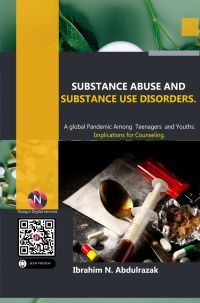
Substance Abuse and Substance Use Disorders.Ibrahim Nugwa Abdulrazak8h 41m$27 · $0.00
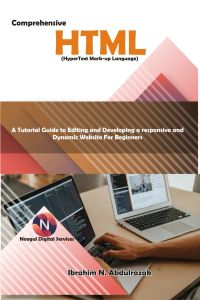
Comprehensive Hypertext Markup Language (HTML). A Tutorial Guide to Editing and Developing a Responsive and Dynamic Website for Beginners.Ibrahim Nugwa Abdulrazak4h 43m$18 · $0.00
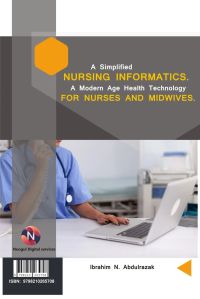
A simplified Nursing Informatics. A Modern Age Health Technology for Nurses and MidwivesIbrahim Nugwa Abdulrazak2h$17 · $0.00
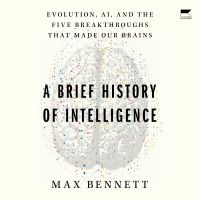
A Brief History of IntelligenceMax S. Bennett12h 18m4.6 (6.6K)$29 · $0.00
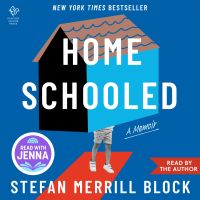
HomeschooledStefan Merrill Block7h 10m3.6 (18.5K)$28 · $0.00

EducationEllen G. White9h 41m4.6 (1.5K)$2 · $0.00

Parents and Children (Annotated)Charlotte Mason9h 23m4.6 (988)$2 · $0.00
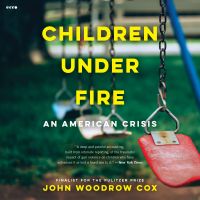
Children Under FireJohn Woodrow Cox10h 17m4.5 (1.6K)$29 · $0.00

The State Must ProvideAdam Harris7h 15m4.5 (775)$24 · $0.00
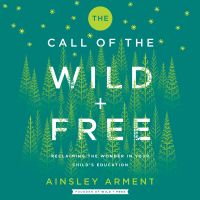
The Call of the Wild and FreeAinsley Arment9h 7m4.4 (21.2K)$29 · $0.00
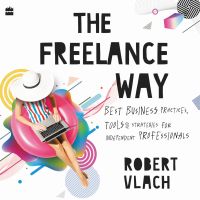
The Freelance WayRobert Vlach19h 48m4.5 (528)$40 · $0.00
Race to the BottomLuke Rosiak9h 20m4.5 (600)$29 · $0.00

They Came for the SchoolsMike Hixenbaugh9h 5m4.5 (2.6K)$8 · $0.00
Find Me UnafraidKennedy Odede, Jessica Posner11h 11m4.5 (2.7K)$29 · $0.00

Asking for ItKate Harding8h 55m4.4 (5.3K)$20 · $0.00
Defining Moments in Black HistoryDick Gregory7h 37m4.4 (6K)$26 · $0.00
The Emerald Tablets of Thoth the AtlanteanMaurice Doreal3h 4m4.4 (8.8K)$6 · $0.00
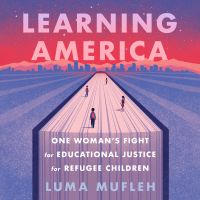
Learning AmericaLuma Mufleh6h 37m4.4 (564)$24 · $0.00
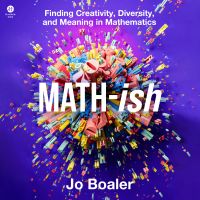
Math-ishJo Boaler7h 21m4.4 (588)$24 · $0.00

Daddy-Long-LegsJean Webster12h 18m4.2 (91K)$1.99 · $0.00
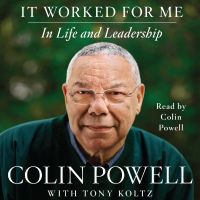
It Worked For MeColin Powell7h 42m4.3 (9.8K)$26 · $0.00
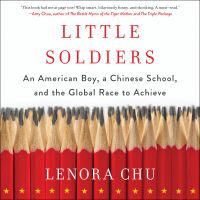
Little SoldiersLenora Chu11h 30m4.3 (3.1K)$29 · $0.00
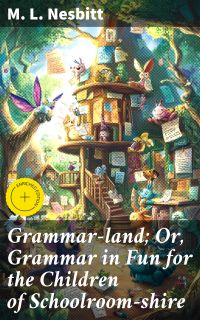
Grammar-land; Or, Grammar in Fun for the Children of Schoolroom-shireM. L. Nesbitt2h 36m4.4 (488)$1 · $0.00
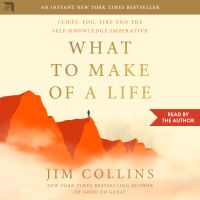
What to Make of a LifeJim Collins13h 31m4.4 (794)$33 · $0.00

Invisible StormJason Kander6h 48m4.7 (3.2K)$24 · $0.00
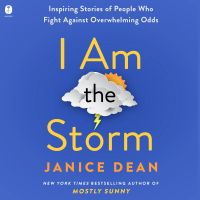
I Am The StormJanice Dean9h4.6 (1.5K)$8 · $0.00
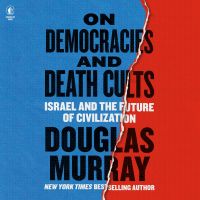
On Democracies and Death CultsDouglas Murray10h 38m4.6 (6.5K)$29 · $0.00

TerraformPropaganda5h 39m4.7 (594)$24 · $0.00

Southern Horrors: Lynch Law in All Its Phases (Annotated)Ida B. Wells-Barnett2h 44m4.6 (1.3K)$2 · $0.00
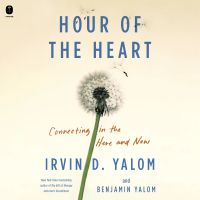
Hour of the HeartIrvin D. Yalom, Benjamin Yalom8h 19m4.6 (2.3K)$26 · $0.00
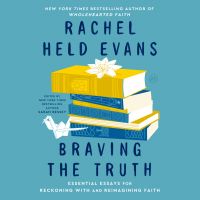
Braving the TruthRachel Held Evans11h 31m4.7 (359)$29 · $0.00
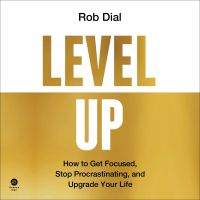
Level UpRob Dial7h 42m4.6 (3.3K)$26 · $0.00

As a JewSarah Hurwitz8h 36m4.6 (1.2K)$26 · $0.00

Saint Joan (Annotated)George Bernard Shaw6h 20m4.6 (1.2K)$1.20 · $0.00
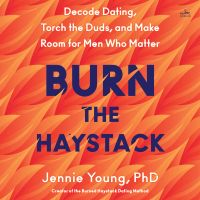
Burn the HaystackJennie Young, PhD9h 30m4.6 (543)$29 · $0.00

Woman and the New Race (Annotated)Margaret Sanger6h 30m4.6 (1K)$1.99 · $0.00
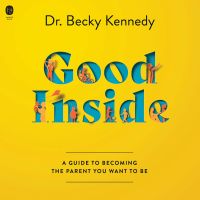
Good InsideBecky Kennedy9h 55m4.5 (59.3K)$29 · $0.00
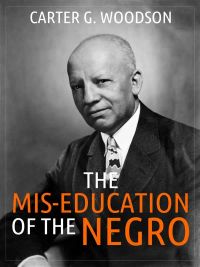
The Mis-Education of the NegroCarter Godwin Woodson5h 4m4.5 (29.4K)$1.20 · $0.00

Du Bois: EssaysW.E.B. Du Bois6h 22m4.6 (1.5K)$1 · $0.00

The North American Indian (Illustrated Edition)Edward S. Curtis, Frederick Webb Hodge5h 59m4.6 (1.4K)$2 · $0.00

Valley of the BirdtailAndrew Stobo Sniderman, Douglas Sanderson10h 1m4.6 (2.4K)$29 · $0.00
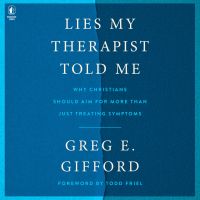
Lies My Therapist Told MeGreg E. Gifford9h 3m4.6 (503)$29 · $0.00
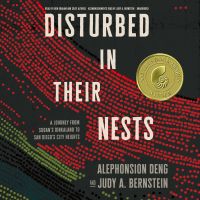
Disturbed in Their NestsAlephonsion Deng, Judy A. Bernstein11h 22m4.6 (595)$23 · $0.00
You may also like
How To Make Friends And Influence PeopleDale Carnegie22h 1m4.3 (1.3M)$1 · $0.00
Why Mars and Venus CollideJohn Gray6h 58m3.9 (2.2K)$24 · $0.00
13 Things Mentally Strong Parents Don't DoAmy Morin10h 10m4.2 (4.7K)$29 · $0.00
Why Mars and Venus CollideJohn Gray3h 48m3.9 (2.2K)$20 · $0.00
Ignore It!Catherine Pearlman PhD, LCSW5h 51m3.9 (1.4K)$20 · $0.00

Money and LoveMyra Strober, Abby Davisson8h 46m4.1 (368)$29 · $0.00

Meet Your Genes!Jasmin Sarif1h 25m$6.80 · $0.00
The Ultimate Guide to Managing Work and Family as a MomAurora Brooks59m$3.50 · $0.00
Getting Ready to be a MotherCarolyn Conant Van Blarcom6h 32m$1 · $0.00
Codependency: The Inner Anchor Technique That Stops Obsessive Thinking and End Toxic Relationship Cycles (Breaking the Chains of Codependent Behavior, Setting Boundaries Without Guilt, and Cultivating Healthier Relationships)Stanley Atkins2h 23m$3.50 · $0.00
Emotional Intelligence At WorkDalip Singh5h 28m4.0 (218)$24 · $0.00
LoveSteve Pavlina2h 10m4.1 (21)$10 · $0.00
The Truth About Mom Guilt: Letting Go and Moving OnAurora Brooks1h 2m$3.50 · $0.00

Emotional Regulation for MenImad Muratspahic3h 54m$12 · $0.00
Rent, Rules, ResetImad Muratspahic3h 39m4.9 (27)$13 · $0.00

How to Talk to Your Child about BullyingAurora Brooks1h 14m$3.50 · $0.00
The Psychology of Male BehaviorDaniel Hartmann5h 42m5.0 (1)$5.20 · $0.00
OCD: A Practical OCD Guide and Workbook for Adults to Rewire Your Brain With Exercises (Your Guide to Avoiding Intrusive Thoughts and Controlling Obsessive & Compulsive Behaviors Using Mindfulness and Cbt)Scott Pedro1h 58m$3.50 · $0.00

Is it I? A book for every manHoratio Robinson Storer4h 24m$2 · $0.00
The Family Group Chat Is on Fire Again - How to Survive WhatsApp Without Leaving the FamilyMax Paradox6h 36m$7.70 · $0.00