

Slavery and Freedom: The Owned and the Owner in the Book
The Slave-File, the Freedom-Economy, and the Manumission-Path — From Property to PersonBy Aira Aurora


Length1h 37m
About this audiobook
The Quran met slavery as a standing institution and legislated its narrowing and its exits, and this book reads the whole ownership-file at the Book's own court: the freedom-frame of 16:75-76's two-slave parable (the tawhid argued at the institution's own grammar — owned by the One or owned by the many); the institution-named at 24:32-33 (the marriage-command covering the owned household, the poverty-promise of enrichment, and the mukataba emancipation-contract granted, capitalized, and zakat-funded); the freeing-commands (90:12-16's steep-path first rung, 2:177's birr-pillar, 9:60's public budget-line); the atonement-files (4:92's accidental-killing double-debt, 5:89's broken-oath menu, 58:3's zihar-key — the freed soul legislated as the Court's own preferred currency); the kindness-file (4:36's one-comma clause, 76:8-9's captive-plate, the Prophet's brothers-instruction, labeled, and the workload-mercy case-law, labeled); the equality-register (2:221 and 4:25's better-clauses, the
Audiobook details
GenreSpirituality and Religion
Length1 hr 37 mins
Narrated byListen with 1,000+ voices
FormateBook with Audio
Publish dateSep 17, 2026
LanguageEnglish
Table of contents
1Title Page
2Introduction: The Ownership the Book Legislates
3Chapter 1: The Freedom-Frame — The Two-Men Parable
4Chapter 2: The Institution-Named — The Marriage-File and the Contract
5Chapter 3: The Freeing-Commands — The Steep-Path and the Budget-Line
Show all chaptersShow less
6Chapter 4: The Atonement-Files — The Freed Soul as the Court's Own Currency
7Chapter 5: The Kindness-File — The Household's Own Law
8Chapter 6: The Equality-Register — The Marriage-Files and the Freedman's Minaret
9Chapter 7: The Gender-Protections — The Compulsion-Prohibition
10Chapter 8: The Honor-Clause — The Dignity-Architecture
11Chapter 9: The Captive-File — The War-Economy's Own Exit
12Chapter 10: The Mukataba-Economics — The Emancipation-Deed's Own Ledger
13Chapter 11: The History-Column — The Prophet's Freedmen and the Empires' Deviations
14Chapter 12: The True Freedom — The Tawhid's Own Emancipation-Deed
15Chapter 13: The Release-Demand — Pharaoh's Captives and the Book's Own Liberation-Mandate
16Chapter 14: The Weakened Made Inheritors — 28:5 and 14:6's Memory-Liturgy
17Chapter 15: The Captive's Better-Than — 8:70-71's Second Chance
18Disclaimer
19Frequently Asked Questions
20Glossary
21About the Author
22Series Info
Series


Ruqyah: The Recited CureAira Aurora1h 21m$2.99

Money Lenders and Loan Sharks: The Predatory File in the BookAira Aurora1h 58m$2.99
Across Traditions: Quranic Prophets in Judaism and ChristianityAira Aurora1h 33m$2.99
The Unnamed Messengers: Prophets Beyond the Twenty-FiveAira Aurora1h 33m$2.99

Muhammad: The Final Messenger and the Seal of the ProphetsAira Aurora1h 31m$2.99

Al-Kawthar: The Abundance and the RiverAira Aurora1h 23m$2.99
Isa: The Messiah, the Miracles, and the Word from AllahAira Aurora1h 27m$2.99

Al-A'raf: The Heights Between Paradise and HellAira Aurora1h 22m$2.99

Yahya: The Forerunner and the Prophet of PurityAira Aurora1h 30m$2.99

Intercession: Shafa'ahAira Aurora1h 22m$2.99

Zakariya: The Father in Old Age and the Gift of YahyaAira Aurora1h 28m$2.99

The Scale and the Bridge: Al-Mizan wa As-SiratAira Aurora1h 16m$2.99

Yunus: The Reluctant Messenger and the WhaleAira Aurora1h 29m$2.99

Loans, Transfers, and Credit Cards: The Modern Debt-File in the BookAira Aurora1h 50m$2.99

The Judgment: Al-HisabAira Aurora1h 19m$2.99

Alyasa: The Inheritor of the Prophetic MissionAira Aurora1h 33m$2.99

The Six Pillars of Faith in the QuranAira Aurora1h 22m$2.99

Marital Intimacy: The Approach-File in the BookAira Aurora1h 41m$2.99

Prohibition of Gambling: The Maysir-File in the BookAira Aurora2h$2.99

Tabuk: The Last MarchAira Aurora1h 25m$2.99

Proud Police WifeRebecca Lynn4h 52m4.8 (14K)$10 · $0.00

I Hear His Whisper 365 Daily Devotions (Gift Edition)Brian Simmons, Gretchen Rodriguez9h 23m4.8 (2K)$10 · $0.00

A Little God Time for Women Morning & Evening DevotionalBroadStreet Publishing Group LLC15h 15m4.9 (1.2K)$10 · $0.00

The Chosen Presents: A Blended Harmony of the GospelsSteve Laube, Amanda Jenkins, Dallas Jenkins7h 8m4.9 (823)$10 · $0.00
Prayers from the Throne RoomBrian Simmons8h 55m4.9 (256)$10 · $0.00
31 Decrees of Blessing for Your LifePatricia King2h 38m4.8 (1.4K)$10 · $0.00

Loved BabySarah Philpott4h 51m4.8 (1.4K)$10 · $0.00

The QuranAllah23h 7m4.7 (136.1K)$1 · $0.00

The Secret of the RosaryLouis de Montfort6h 1m4.7 (16K)$2 · $0.00
The Holy Qur-an: Text, Translation and CommentaryAbdullah Yusuf Ali22h 16m4.7 (133K)$1 · $0.00
All of Grace (Annotated)Charles Spurgeon5h 1m4.7 (1.3K)$0.99 · $0.00
Steps to ChristEllen G. White3h 12m4.7 (13.8K)$2 · $0.00
The Doctrine and Selected CovenantsJoseph Smith13h 53m4.7 (10.4K)$1.99 · $0.00

Sinners in the Hands of an Angry God & Other Sermons (Annotated)Jonathan Edwards7h 51m4.7 (1.5K)$2 · $0.00

Swayam Ki AwaazPrem Rawat8h 34m4.7 (1.1K)$26 · $0.00

Behind the BadgeAdam Davis10h 18m4.7 (2.7K)$10 · $0.00
The New Human Revolution, vol. 1Daisaku Ikeda7h 46m4.7 (669)$12 · $0.00

You Are Worth ItKyle Carpenter, Don Yaeger8h 53m4.7 (4.8K)$29 · $0.00
Praying GraceDavid A. Holland3h 2m4.7 (658)$10 · $0.00

Evidence Not SeenDarlene Deibler Rose11h 11m4.6 (11.9K)$29 · $0.00
You may also like

The Church of MercyPope Francis4h 32m4.3 (1.4K)$14
One Covenant, One BodyDaniel Schwartz3h 30m4.9 (267)$2.99 · $0.00

WorthyElyse Fitzpatrick, Eric Schumacher9h 48m4.4 (1.5K)$20

Still the Best HopeDennis Prager15h 30m4.4 (1.6K)$33 · $0.00

The Divine Conspiracy ContinuedDallas Willard, Gary Black13h 12m4.3 (557)$33 · $0.00

God's PoliticsJim Wallis7h 33m3.8 (4.3K)$26 · $0.00

Unspoken Sermons, Series I., II., and IIIGeorge MacDonald18h4.6 (1.1K)$1 · $0.00
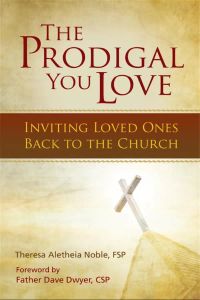
The Prodigal You LoveTheresa Aletheia Noble5h 56m4.5 (428)$12 · $0.00

The War on MenOwen Strachan7h 22m4.4 (416)$17
If the Church Were ChristianPhilip Gulley4h 57m4.2 (1.5K)$20 · $0.00
The End of ReligionBruxy Cavey6h 25m4.4 (1.2K)$20
Long Days of Small ThingsCatherine McNiel4h 44m4.4 (802)$15

Whatever Happened to the Gospel of Grace?James Montgomery Boice7h 40m4.4 (484)$17 · $0.00
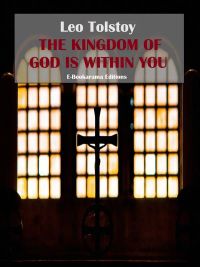
The Kingdom of God is Within YouLeo Tolstoy13h 32m4.3 (8.2K)$16 · $0.00
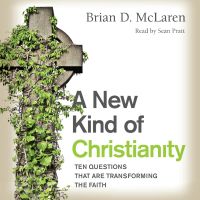
A New Kind of ChristianityBrian D. McLaren11h 10m4.0 (3.8K)$29 · $0.00
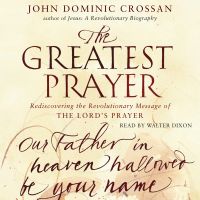
The Greatest PrayerJohn Dominic Crossan7h 42m4.2 (1.7K)$26 · $0.00
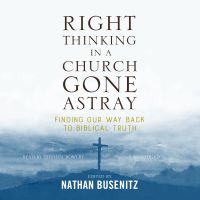
Right Thinking in a Church Gone AstrayNathan Busenitz7h 42m4.2 (54)$20 · $0.00

Occasional Thoughts in Reference to a Vertuous or Christian lifeLady Damaris Masham3h 47m$1 · $0.00

Prelude on the Babylonian Captivity of the ChurchMartin Luther4h 44m4.1 (242)$1 · $0.00

The Religion of PoliticsEzra S. Gannett1h 3m$2 · $0.00