
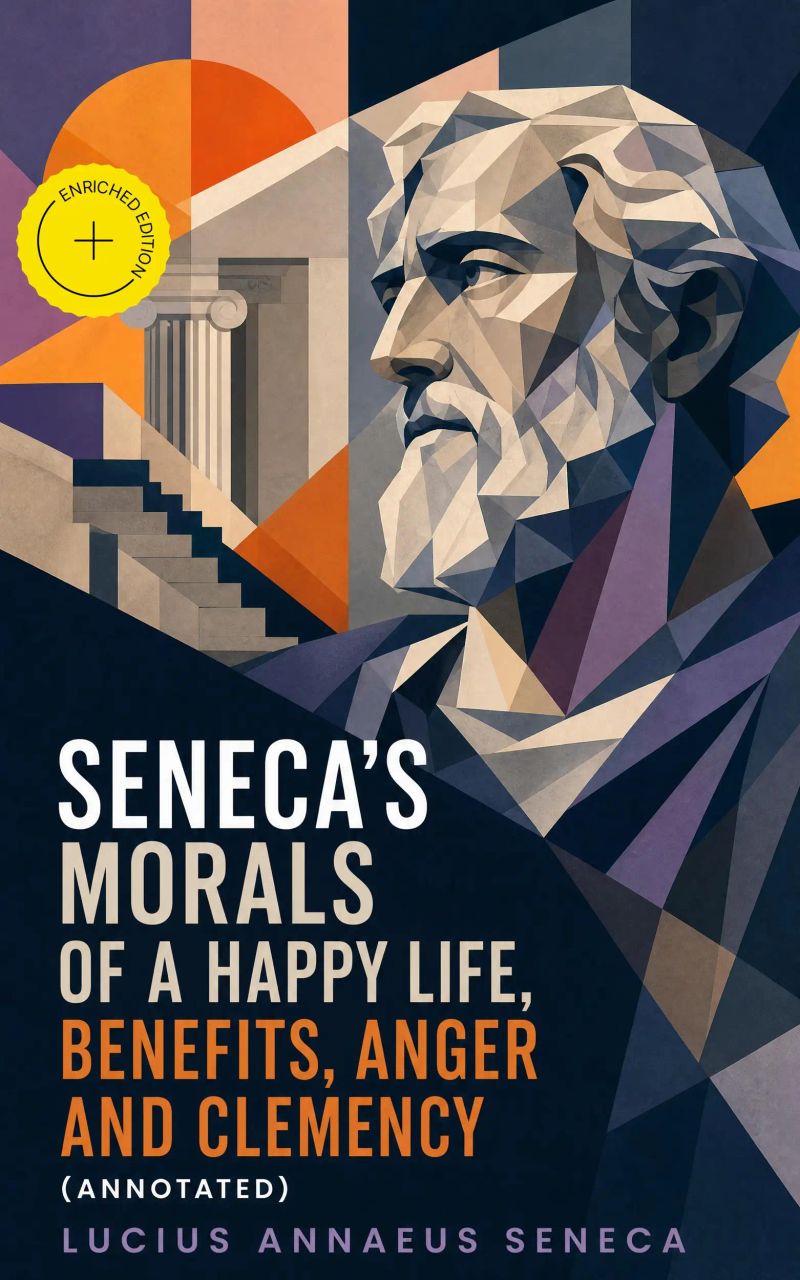
Seneca's Morals of a Happy Life, Benefits, Anger and Clemency (Annotated)
Enriched Edition. Stoic Essays on Happiness, Gratitude, Anger, Mercy, and Ethical PowerBy Lucius Annaeus Seneca


Length12h 36m
About this audiobook
Seneca's Morals of a Happy Life, Benefits, Anger and Clemency gathers four central Stoic treatises concerned with ethical self-command and public conduct. In lucid, aphoristic prose, Seneca examines the nature of happiness, the moral economy of giving and receiving, the destructive psychology of anger, and the ruler's obligation to temper power with mercy. Written within the Roman imperial world yet indebted to Greek Stoicism, these essays combine philosophical argument, rhetorical brilliance, and practical counsel. Lucius Annaeus Seneca, born in Corduba around 4 BCE, was a statesman, dramatist, philosopher, and adviser to the emperor Nero. His turbulent career—marked by exile, political prominence, court danger, and eventual forced suicide—gave urgency to his reflections on fortune, virtue, restraint, and authority. Seneca's moral writings are not detached abstractions; they emerge from a life spent near power and peril. This volume is recommended to readers seeking a disciplined yet humane guide to ethical living. Students of classical philosophy will value its place in Roman Stoicism, while general readers will find its insights into anger, generosity, happiness, and leadership remarkably contemporary.
This enriched edition has been carefully crafted to add value to your reading experience.
- A comprehensive Introduction outlines these selected works' unifying features, themes, or stylistic evolutions.
- The Author Biography highlights personal milestones and literary influences that shape the entire body of writing.
- A Historical Context section situates the works in their broader era—social currents, cultural trends, and key events that underpin their creation.
- A concise Synopsis (Selection) offers an accessible overview of the included texts, helping readers navigate plotlines and main ideas without revealing critical twists.
- A unified Analysis examines recurring motifs and stylistic hallmarks across the collection, tying the stories together while spotlighting the different work's strengths.
- Reflection questions inspire deeper contemplation of the author's overarching message, inviting readers to draw connections among different texts and relate them to modern contexts.
- Lastly, our hand‐picked Memorable Quotes distill pivotal lines and turning points, serving as touchstones for the collection's central themes.
Audiobook details
Rating★★★★ 4.1 (51)
Includes Goodreads
GenrePhilosophy
Length12 hrs 36 mins
Narrated byListen with 1,000+ voices
FormateBook with Audio
Publish dateNov 21, 2023
LanguageEnglish
Table of contents
1Introduction
2Introduction
3Author Biography
4Historical Context
5Synopsis (Selection)
Show all chaptersShow less
6Seneca's Morals of a Happy Life, Benefits, Anger and Clemency
7TO THE READER.
8OF SENECA’S WRITINGS.
9SENECA’S LIFE AND DEATH.
10SENECA OF BENEFITS.
11CHAPTER I. OF BENEFITS IN GENERAL.
12CHAPTER II. SEVERAL SORTS OF BENEFITS.
13CHAPTER III. A SON MAY OBLIGE HIS FATHER, AND A SERVANT HIS MASTER.
14CHAPTER IV. IT IS THE INTENTION, NOT THE MATTER, THAT MAKES THE BENEFIT.
15CHAPTER V. THERE MUST BE JUDGMENT IN A BENEFIT, AS WELL AS MATTER AND INTENTION; AND ESPECIALLY IN THE CHOICE OF THE PERSON.
16CHAPTER VI. THE MATTER OF OBLIGATIONS, WITH ITS CIRCUMSTANCES.
17CHAPTER VII. THE MANNER OF OBLIGING.
18CHAPTER VIII. THE DIFFERENCE AND VALUE OF BENEFITS.
19CHAPTER IX. AN HONEST MAN CANNOT BE OUTDONE IN COURTESY.
20CHAPTER X. THE QUESTION DISCUSSED, WHETHER OR NOT A MAN MAY GIVE OR RETURN A BENEFIT TO HIMSELF?
21CHAPTER XI. HOW FAR ONE MAN MAY BE OBLIGED FOR A BENEFIT DONE TO ANOTHER.
22CHAPTER XII. THE BENEFACTOR MUST HAVE NO BY-ENDS.
23CHAPTER XIII. THERE ARE MANY CASES WHEREIN A MAN MAY BE MINDED OF A BENEFIT, BUT IT IS VERY RARELY TO BE CHALLENGED, AND NEVER TO BE UPBRAIDED.
24CHAPTER XIV. HOW FAR TO OBLIGE OR REQUITE A WICKED MAN.
25CHAPTER XV. A GENERAL VIEW OF THE PARTS AND DUTIES OF THE BENEFACTOR.
26CHAPTER XVI. HOW THE RECEIVER OUGHT TO BEHAVE HIMSELF.
27CHAPTER XVII. OF GRATITUDE.
28CHAPTER XVIII. GRATITUDE MISTAKEN.
29CHAPTER XIX. OF INGRATITUDE.
30CHAPTER XX. THERE CAN BE NO LAW AGAINST INGRATITUDE.
31SENECA OF A HAPPY LIFE.
32CHAPTER I. OF A HAPPY LIFE, AND WHEREIN IT CONSISTS.
33CHAPTER II. HUMAN HAPPINESS IS FOUNDED UPON WISDOM AND VIRTUE; AND FIRST, OF WISDOM.
34CHAPTER III. THERE CAN BE NO HAPPINESS WITHOUT VIRTUE.
35CHAPTER IV. PHILOSOPHY IS THE GUIDE OF LIFE.
36CHAPTER V. THE FORCE OF PRECEPTS.
37CHAPTER VI. NO FELICITY LIKE PEACE OF CONSCIENCE.
38CHAPTER VII. A GOOD MAN CAN NEVER BE MISERABLE, NOR A WICKED MAN HAPPY.
39CHAPTER VIII. THE DUE CONTEMPLATION OF DIVINE PROVIDENCE IS THE CERTAIN CURE OF ALL MISFORTUNES.
40CHAPTER IX. OF LEVITY OF MIND, AND OTHER IMPEDIMENTS OF A HAPPY LIFE.
41CHAPTER X. HE THAT SETS UP HIS REST UPON CONTINGENCIES SHALL NEVER BE QUIET.
42CHAPTER XI. A SENSUAL LIFE IS A MISERABLE LIFE.
43CHAPTER XII. AVARICE AND AMBITION ARE INSATIABLE AND RESTLESS.
44CHAPTER XIII. HOPE AND FEAR ARE THE BANE OF HUMAN LIFE.
45CHAPTER XIV. IT IS ACCORDING TO THE TRUE OR FALSE ESTIMATE OF THINGS THAT WE ARE HAPPY OR MISERABLE.
46CHAPTER XV. THE BLESSINGS OF TEMPERANCE AND MODERATION.
47CHAPTER XVI. CONSTANCY OF MIND GIVES A MAN REPUTATION, AND MAKES HIM HAPPY IN DESPITE OF ALL MISFORTUNE.
48CHAPTER XVII. OUR HAPPINESS DEPENDS IN A GREAT MEASURE UPON THE CHOICE OF OUR COMPANY.
49CHAPTER XVIII. THE BLESSINGS OF FRIENDSHIP.
50CHAPTER XIX. HE THAT WOULD BE HAPPY MUST TAKE AN ACCOUNT OF HIS TIME.
More from Lucius Annaeus Seneca
Moral Letters to LuciliusLucius Annaeus Seneca24h 26m4.5 (71.7K)$1.99 · $0.00

Minor Dialogues, Together With the Dialogue on Clemency (Annotated)Lucius Annaeus Seneca12h 29m4.1 (35)$2 · $0.00

Yale Classics (Vol. 2) (Annotated)Lucius Annaeus Seneca, Julius Caesar, Boethius, Horace, Plutarch, Apuleius, Virgil, Persius, Terence, Ammianus Marcellinus, Sallust, Juvenal, Lucan, Suetonius, Tibullus, Tacitus, Petronius, Cornelius Nepos, Lucretius, Martial, Catullus, Cicero, Claudian, Pliny the Younger, Saint Augustine of Hippo, Plautus, Ennius, Propertius, The Metamorphoses, Augustus, Quintilian332h 3m$2 · $0.00

Seneca's Morals of a Happy Life, Benefits, Anger and ClemencyLucius Annaeus Seneca11h 32m4.1 (51)$1 · $0.00

ApocolocyntosisLucius Annaeus Seneca1h 50m3.8 (888)$2 · $0.00

The Greatest Works of Roman Classical LiteratureLucius Annaeus Seneca, Julius Caesar, Boethius, Horace, Plutarch, Apuleius, Virgil, Persius, Terence, Ammianus Marcellinus, Sallust, Juvenal, Lucan, Suetonius, Tibullus, Tacitus, Petronius, Cornelius Nepos, Lucretius, Martial, Catullus, Cicero, Claudian, Pliny the Younger, Saint Augustine of Hippo, Plautus, Ennius, The Metamorphoses, Augustus, Quintilian332h 55m$1 · $0.00

Minor Dialogues, Together With the Dialogue on ClemencyLucius Annaeus Seneca11h 14m$1 · $0.00
Seneca's Morals of a Happy Life, Benefits, Anger and ClemencyLucius Annaeus Seneca12h 28m4.3 (184)$2 · $0.00
Moral Letters to LuciliusLucius Annaeus Seneca25h 24m4.4 (67.9K)$2 · $0.00

The Greatest Works of Roman Classical Literature (Annotated)Lucius Annaeus Seneca, Julius Caesar, Boethius, Horace, Plutarch, Apuleius, Virgil, Persius, Terence, Ammianus Marcellinus, Sallust, Juvenal, Lucan, Suetonius, Tibullus, Tacitus, Petronius, Cornelius Nepos, Lucretius, Martial, Catullus, Cicero, Claudian, Pliny the Younger, Saint Augustine of Hippo, Plautus, Ennius, The Metamorphoses, Augustus, Quintilian331h 48m4.5 (12)$1.99 · $0.00

Die GemütsruheLucius Annaeus Seneca1h 12m4.3 (281)$13 · $0.00

Auf dem Weg zum Glück: Die große Hörbuch Box der philosophischen Anregungen, Teil 1Lucius Annaeus Seneca, Friedrich Nietzsche, Georg Christoph Lichtenberg, Johann Wolfgang von Goethe11h 26m$21 · $0.00
Lucius Annaeus Seneca: Vom Zorn – De iraLucius Annaeus Seneca5h 2m4.3 (2.4K)$12 · $0.00

That Bird Has My WingsJarvis Jay Masters9h 49m4.4 (13.7K)$29 · $0.00

Tâo Teh KingLaozi2h 34m4.4 (230.9K)$2 · $0.00

SymposiumPlato3h 26m4.4 (97.9K)$1.20 · $0.00

Buddhist Boot CampTimber Hawkeye2h 39m4.4 (8.4K)$18 · $0.00
Enchiridion & The Discourses of Epictetus (Annotated)Arrian Epictetus18h 9m4.4 (3.5K)$2 · $0.00

The Meditations of the Emperor Marcus Aurelius AntoninusEmperor of Rome Marcus Aurelius5h 41m4.4 (1.8M)$1 · $0.00
Crime and PunishmentFyodor Dostoevsky23h 11m4.4 (1.3M)$12 · $0.00

MeditationsMarcus Aurelius5h 52m4.4 (433.7K)$1 · $0.00
Everyday DharmaSuneel Gupta5h 2m4.5 (761)$20 · $0.00

The Joyful Wisdom ("La Gaya Scienza")Friedrich Wilhelm Nietzsche11h 37m4.4 (26.6K)$1 · $0.00
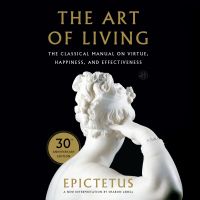
The Art of LivingEpictetus, Sharon Lebell3h 16m4.4 (50.1K)$18 · $0.00
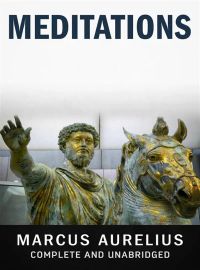
MeditationsEmperor Of Rome Marcus Aurelius7h 23m4.3 (477.5K)$1.20 · $0.00

The Imitation of ChristThomas à Kempis6h 27m4.3 (84.6K)$21 · $0.00

Sadhana: the realisation of lifeRabindranath Tagore3h 49m4.4 (8.6K)$6 · $0.00
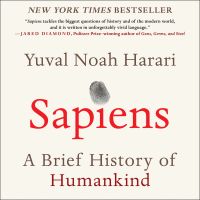
SapiensYuval Noah Harari15h 18m4.3 (1.4M) · 1205$33 · $0.00
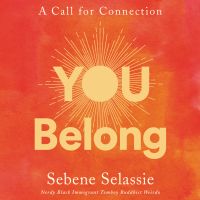
You BelongSebene Selassie8h 35m4.4 (2.7K)$26 · $0.00
The Song Celestial; Or, Bhagavad-Gîtâ (from the Mahâbhârata)Anonymous2h 18m4.4 (3.2K)$2 · $0.00

The KybalionThe Three Initiates3h 47m4.3 (58.7K)$20 · $0.00

Chuang Tzu: Mystic, Moralist, and Social ReformerZhuangzi14h 42m4.4 (1.2K)$1 · $0.00

High-RisersBen Austen13h 33m4.4 (2.8K)$33 · $0.00
You may also like

Shut Up and RunRobin Arzon3h 29m4.1 (4.3K)$18 · $0.00
The Mindful DayLaurie J. Cameron8h 15m4.1 (2.8K)$20

How to Get What You Want (Unabridged)Wallace D. Wattles1h 14m4.0 (710)$1 · $0.00
GratefulDiana Butler Bass7h 51m4.1 (1.8K)$26 · $0.00
Open WhenJulie Smith7h 43m4.0 (2.2K)$26 · $0.00
Misogynoir TransformedMoya Bailey9h 13m4.4 (307)$20 · $0.00
The Life of DaiDai Henwood, Jaquie Brown8h 2m4.6 (790)$26 · $0.00
Why Has Nobody Told Me This Before?Julie Smith7h 16m4.2 (109.1K)$24 · $0.00

Don’t Text Your Ex Happy BirthdayNick Viall6h 4m3.9 (3.2K)$17 · $0.00

This Isn’t the Life I OrderedJenniffer Weigel6h 4m3.9 (1.7K)$20

Reasons Not to WorryBrigid Delaney8h 25m4.1 (3.2K)$26 · $0.00
Operation HappinessKristi Ling7h 48m4.2 (205)$20

The New Beginning Lives Within YouDanniel Silva3h 25m$1.80 · $0.00

Living With AnxietyCamille DrysDale7h 53m$7

21 Days to a Less Anxious YouAnna Ferguson9h 41m3.9 (19)$29 · $0.00

The Mindful LeaderImogen Tate7h 14m$12 · $0.00
30 Days 30 Ways To Overcome DepressionBev Aisbett2h 52m2.8 (62)$18 · $0.00

Transition BlissWillow R.3h 13m$6.40 · $0.00

The Courage to Start OverDanniel Silva3h 36m$1.80 · $0.00

DECENTERING THE NARCISSISTSara Gleen1h 21m$7.50 · $0.00