
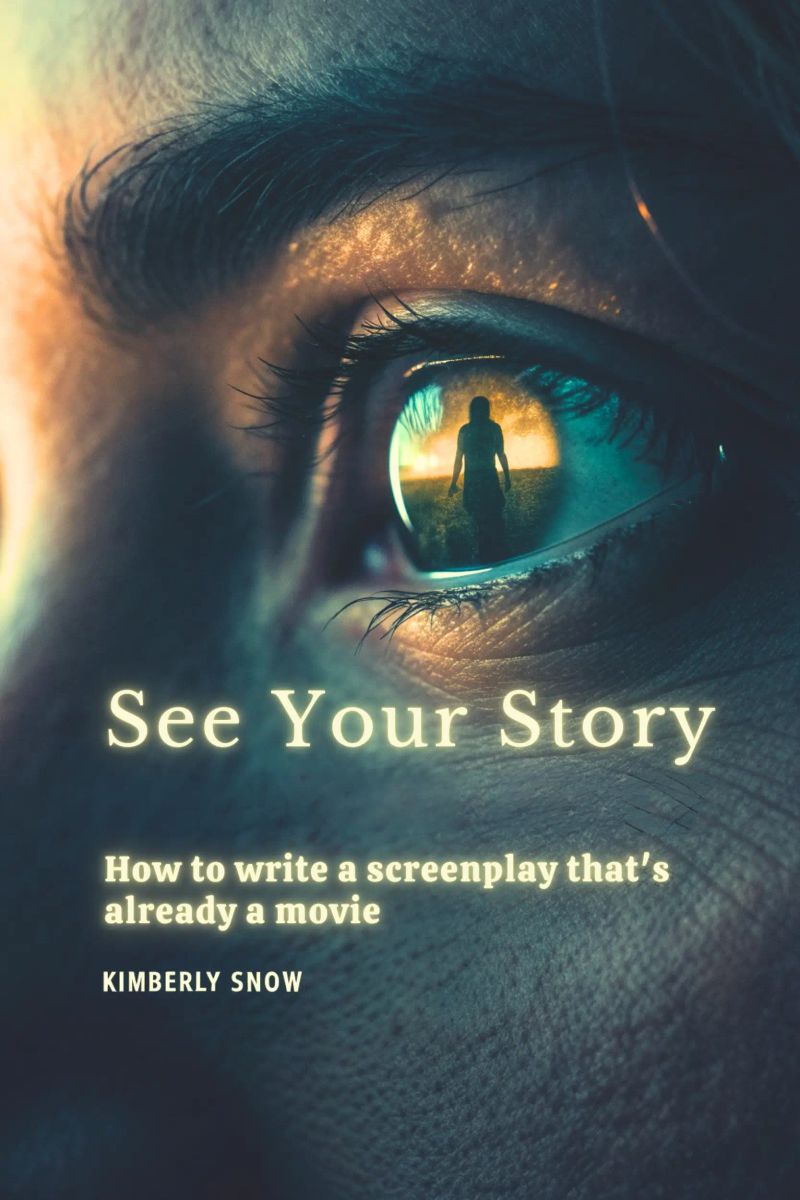
See Your Story
How to Write a Screenplay That's Already a MovieBy Kimberly Snow


Length1h 38m
About this audiobook
Your script has a problem: it reads like a script. Let’s fix that.
You have a movie in your head—vivid, emotional, cinematic. But when you write it down, the magic evaporates. The action turns mechanical. The emotion gets explained in dialogue. The descriptions feel like stage directions instead of images. What you end up with is a document… not a film on the page.
See Your Story closes that gap. It’s a practical, no-nonsense guide for screenwriters who want to master visual storytelling and write scripts that read like a finished movie. Author Kimberly Snow breaks the craft down into clear, usable techniques you can apply immediately—so your pages create pictures, tension, atmosphere, and feeling in the reader’s mind.
Inside, you’ll learn how to:
Write action that breathes: Build visceral sequences with clear geography, emotional stakes, and a chain of cause-and-effect that actually makes the scene move.
Craft dialogue that shows, not tells: Use subtext, restraint, and implication so characters reveal themselves through what they avoid, distort, and leave unsaid.
Build worlds that feel real: Layer in sensory detail—sound, texture, temperature, smell—to create environments that shape mood and behavior.
Think like a director (without directing on the page): Control pacing, tension, and attention with word choice, emphasis, and scene construction that guides the reader effortlessly.
Use symbolism with purpose: Weave visual motifs and metaphors that add meaning without turning your script into a riddle.
If you’re tired of scripts that merely tell a story and ready to write scripts that make a reader see the movie, this is your next essential read. A screenplay isn’t a summary—it’s a compelling experience that demands to be made.
Give your story the cinematic life it deserves.
Click “Buy Now” and learn to write the movie you see in your head.
What does it mean to “see your story” on the page?
It means every word earns its place through visual and emotional impact. The reader doesn’t just understand that your character is sad—they feel the weight of it. Your action isn’t homework—it’s momentum. Your scenes don’t explain—they play.
TAGS: see your story, screenwriting techniques, cinematic writing, writing for the screen, screenplay book, how to write a movie, visual storytelling, screenplay format, script writing guide, show don't tell, writing better scenes, script advice, filmmaking for writers
Audiobook details
GenreOther, General Fiction
Length1 hr 38 mins
Narrated byListen with 1,000+ voices
FormateBook with Audio
Publish dateDec 12, 2025
LanguageEnglish
Table of contents
1Introduction: Don't Just Write Your Movie, Direct It on the Page
2Part 1: The Foundations of Visual Storytelling
3Chapter 1: The Cinematic Eye: Shifting from Words to Images
4Chapter 2: The Language of Cinema: A Writer's Toolkit
5Part 2: Image-First Writing Techniques
Show all chaptersShow less
6Chapter 3: Crafting Visually Rich Scenes
7Chapter 4: The Art of Subtext: Saying More with Less
8Part 3: Advanced Visual Techniques
9Chapter 5: The Art of the Montage: Bending Time and Space
10Chapter 6: Visual Metaphors and Symbolism: The Unseen Story
11Chapter 7: The Unseen Editor: Visual Pacing and Rhythm
12Part 4: Character and World Through the Lens
13Chapter 8: Visual Characterization: Building People from the Outside In
14Part 5: The Writer's Lens: Directing Without Directing
15Chapter 9: The Fine Line: Implying the Camera Without Overstepping
16Chapter 10: Visuals in Motion: Crafting Unforgettable Action Sequences
17Part 6: The Visual Screenwriter in Practice
18Chapter 11: Reading Scripts with a Director's Eye
19Chapter 12: Adapting Your Visual Style to Genre
20Chapter 13: Putting It All Together: A Case Study
21Chapter 14: Conclusion: Finding Your Visual Voice
22Appendices
The Prompt-to-Production PlaybookKimberly Snow4h 18m$7
The Playwright’s PlaybookKimberly Snow2h 14m$5
The Physics of CharacterKimberly Snow1h 36m$5
The Memory EngineKimberly Snow1h 37m$5
The Minimalist StageKimberly Snow2h 9m$5
The Rhythm of LaughterKimberly Snow1h 31m$5
The Art of TroubleKimberly Snow3h 23m$6
The Unseen CharacterKimberly Snow1h 19m$5
Beautifully BrokenKimberly Snow1h 25m$5
The Story's HeartbeatKimberly Snow2h 4m$5
The Art of the AnthologyKimberly Snow2h 58m$6

The Playwright as ArchitectKimberly Snow2h 44m$6
The Alchemist's ArtKimberly Snow1h 43m$5
The Character's ShadowKimberly Snow1h 59m$5

Fire and Flood, Ink and CelluloidKimberly Snow2h 25m$5
UnmaskedKimberly Snow1h 38m$5
The Playwright's BlueprintKimberly Snow1h 54m$5
The Character DetectiveKimberly Snow1h 26m$5
The Playwright's BusinessKimberly Snow1h 41m$5
The Character WebKimberly Snow2h 40m$5
Mere ChristianityC. S. Lewis7h 7m4.4 (519.7K)$24 · $0.00

Her Daily BreadKate Wood12h 57m4.6 (153)$33 · $0.00
The Holy Bible - 1 SamuelKing James2h 13m4.8 (1.6K)$3 · $0.00
The American Standard Bible — The Gospel of MatthewMatthew3h 56m4.7 (3K)$2 · $0.00
Bad Fat Black GirlSesali Bowen6h 32m4.7 (2.8K)$24 · $0.00
The King James Audio Bible New Testament CompleteChristopher Glyn20h 2m4.7 (2.6K)$12 · $0.00
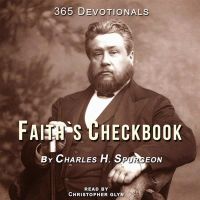
Faiths CheckbookCharles Spurgeon12h 44m4.7 (3.2K)$11 · $0.00
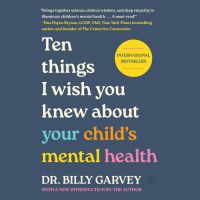
Ten Things I Wish You Knew About Your Child's Mental HealthDr. Billy Garvey4h 53m4.7 (2.4K)$20 · $0.00
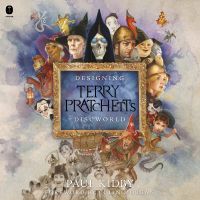
Designing Terry Pratchett’s DiscworldPaul Kidby3h 52m4.7 (343)$20 · $0.00
The Chosen Book OneAmanda Jenkins, Kristen Hendricks, Dallas Jenkins3h 8m4.6 (4.9K)$10 · $0.00
The Lives of BrianBrian Johnson9h 45m4.6 (3.5K)$29 · $0.00
Expository Thoughts on the Gospel of LukeJ.C. Ryle27h 13m4.7 (536)$18 · $0.00
CrossroadsKaleb Dahlgren7h 56m4.6 (4.9K)$26 · $0.00

Across the RiverKent Babb11h 40m4.6 (927)$29 · $0.00
Brain Training for RidersAndrea Monsarrat Waldo5h 56m4.7 (550)$19 · $0.00
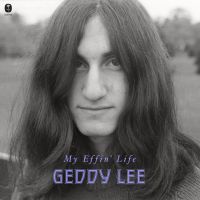
My Effin' LifeGeddy Lee17h 11m4.6 (13.1K)$40 · $0.00
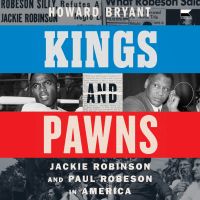
Kings and PawnsHoward Bryant10h 9m4.6 (678)$29 · $0.00
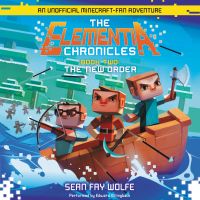
The Elementia Chronicles #2: The New OrderSean Fay Wolfe11h 17m4.6 (841)$29 · $0.00
The ActsLuke2h 55m4.6 (19.7K)$12 · $0.00
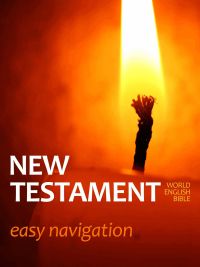
New Testament - Easy NavigationWorld English Bible19h 35m4.6 (1.3K)$1.30 · $0.00
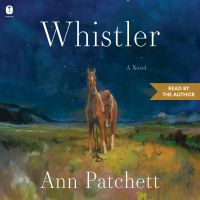
WhistlerAnn Patchett10h 45m4.6 (4.6K)$29 · $0.00
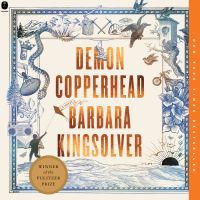
Demon CopperheadBarbara Kingsolver21h 3m4.5 (949.4K)$46 · $0.00
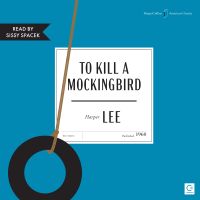
To Kill a MockingbirdHarper Lee12h 18m4.5 (7.4M)$29 · $0.00
Remarkably Bright CreaturesShelby Van Pelt11h 17m4.4 (1.7M)$29 · $0.00

War LordBernard Cornwell13h 21m4.6 (33.1K)$33 · $0.00
The Great Gatsby: Original 1925 Edition (An F. Scott Fitzgerald Classic NovelFrancis Scott Fitzgerald4h 45m4.6 (9.3K)$18 · $0.00
Something Like LoveBeverly Jenkins10h 21m4.6 (2.7K)$29 · $0.00
Black History CollectionFrederick Douglass, Harriet Ann Jacobs, Booker T. Washington, W.E.B. Du Bois27h 9m4.6 (2.6K)$18 · $0.00
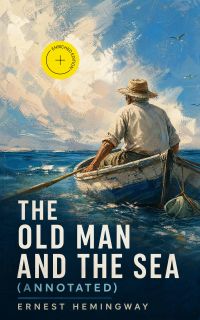
The Old Man and the Sea (Annotated)Ernest Hemingway4h 27m4.6 (1.4K)$2 · $0.00

White HotIlona Andrews13h 18m4.5 (136.9K)$5 · $0.00
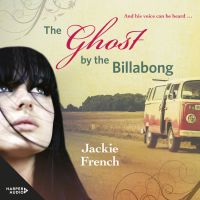
The Ghost by the Billabong (The Matilda Saga, #5)Jackie French14h 58m4.6 (773)$33 · $0.00
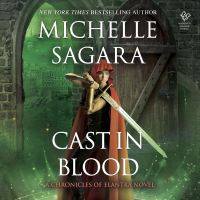
Cast in BloodMichelle Sagara16h 35m4.6 (607)$33 · $0.00
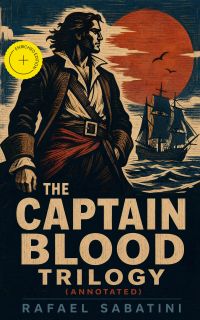
The Captain Blood Trilogy (Annotated)Rafael Sabatini29h 20m4.6 (1K)$3 · $0.00
Ship of the Line (Annotated)Cecil Louis Troughton Smith11h 13m4.6 (1K)$2 · $0.00
The George Orwell CollectionGeorge Orwell24h 46m4.5 (14.4K)$12 · $0.00
ShivajiRanjit Desai25h 13m4.6 (3.1K)$24 · $0.00
Time RegainedMarcel Proust15h 38m4.5 (9.2K)$2 · $0.00
Driving ForceElle James4h 58m4.6 (407)$20 · $0.00
When God Calls the HeartBrian Bird, Michelle Cox3h 24m4.6 (439)$10 · $0.00
Five Little IndiansMichelle Good10h 34m4.5 (64.5K)$29 · $0.00
You may also like
Splat the Cat and the Duck with No QuackRob Scotton6m4.1 (2K)$4 · $0.00
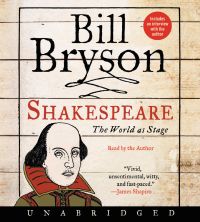
ShakespeareBill Bryson5h 29m4.0 (58.6K)$24 · $0.00
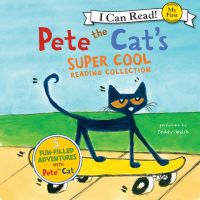
Pete the Cat's Super Cool Reading CollectionJames Dean18m4.5 (4.4K)$7 · $0.00
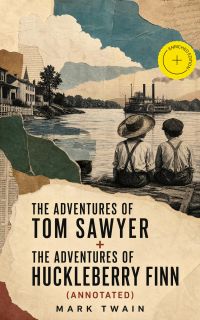
The Adventures of Tom Sawyer + The Adventures of Huckleberry Finn (Annotated)Mark Twain27h 3m4.3 (3.1K)$2 · $0.00
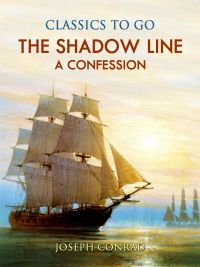
The Shadow Line A ConfessionJoseph Conrad4h 19m3.9 (10K)$2.30
What's Gotten Into YouDan Levitt12h 39m4.2 (1.1K)$33 · $0.00

The AmateurRichard Harding Davis0m3.5 (33)$2 · $0.00
My Weird School Special: No More School, April Fools!Dan Gutman1h 14m4.6 (158)$13 · $0.00
The Complete Autobiographical Works of Mark TwainMark Twain235h 30m4.5 (65)$1.99 · $0.00
Heroes of Fire and Flames: 4 Classic Books on Firefighting and SafetyFrank Eugene Martin, George Moses Davis, Harvey Jerrold O'Higgins, F. M. Holmes, James Braidwood18h 10m$0.99 · $0.00
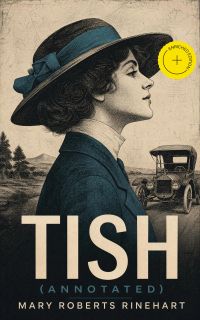
TISH (Annotated)Mary Roberts Rinehart22h 50m$2 · $0.00
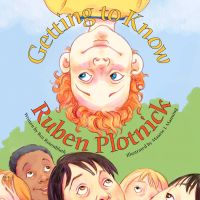
Getting to Know Ruben PlotnickRoz Rosenbluth7m4.2 (55)$5 · $0.00
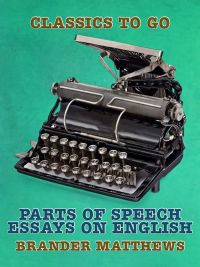
Parts of Speech, Essays on EnglishBrander Matthews7h 39m$2.30
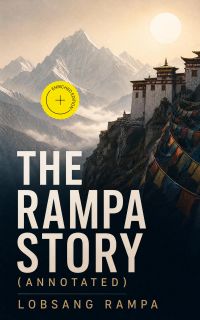
The Rampa Story (Annotated)Lobsang Rampa9h 22m$2 · $0.00

The Girls of GreycliffHarriet Pyne Grove5h 47m$2 · $0.00
The King of the MountainsEdmond About7h 1m3.7 (282)$21 · $0.00
Graphic Films Collection - woman in the moon – act 3G. B. Royer6m$11 · $0.00
The Story of LingerieMuriel Barbier5h 7m3.9 (17)$18 · $0.00

A Chronicle History of the Life and Work of William ShakespeareFrederick Gard Fleay6h 29m$2 · $0.00
Monograms & CiphersCarlton Studio, A. A. Turbayne29m4.3 (130)$2 · $0.00