
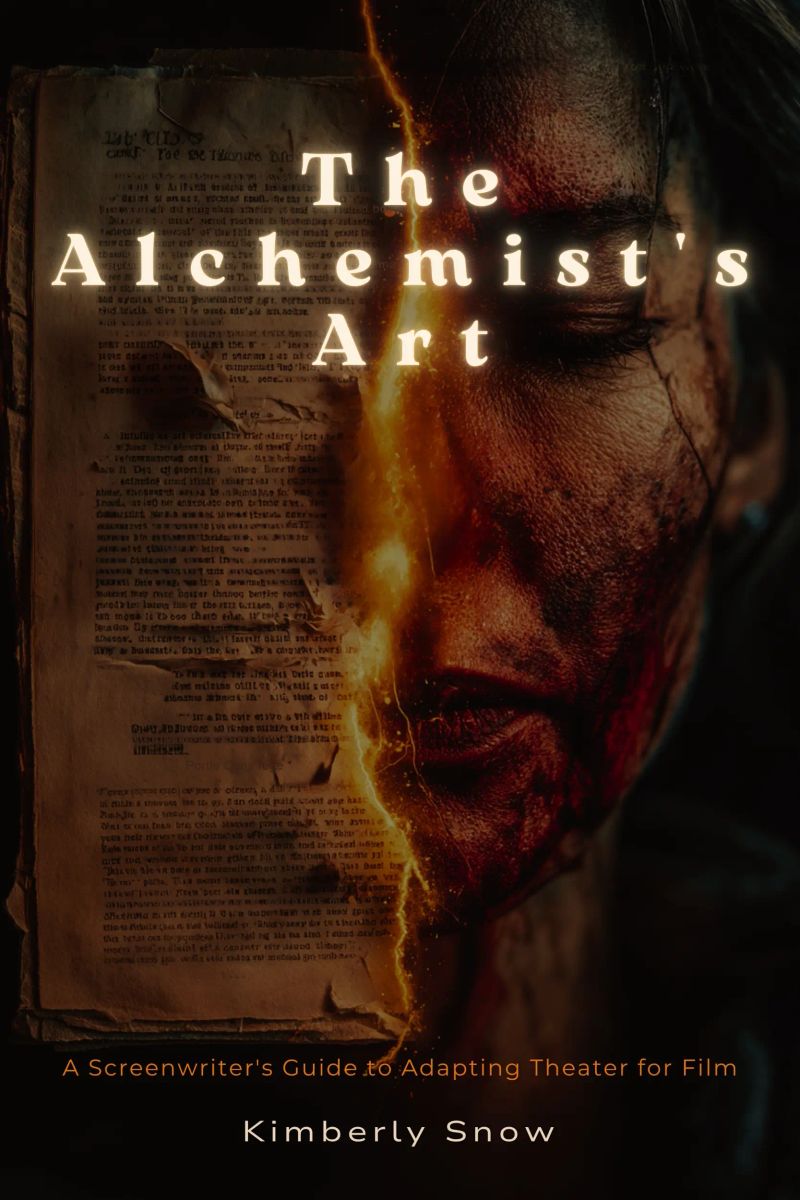
The Alchemist's Art
A Screenwriter's Guide to Adapting Theater for FilmBy Kimberly Snow


Length1h 43m
About this audiobook
A Practical Guide to Transforming Theatrical Power into Cinematic Gold.
Have you ever watched a powerful play and thought, “This would make an incredible movie,” only to wonder how to even begin? The journey from stage to screen is filled with traps for the unwary writer. A direct copy can result in a static, “filmed play,” while a careless rewrite can lose the very soul that made the story great. The solution isn’t just translation—it’s a craft of deliberate transmutation.
In The Alchemist's Art, author Kimberly Snow demystifies the complex process of play adaptation, providing a comprehensive guide for any screenwriter ready to take on this unique creative challenge. This is not another dry, academic text; it’s a hands-on workshop packed with actionable techniques, practical drills, and proven principles for preserving a story’s heart while giving it a new, cinematic body.
This book explores how to be both a faithful servant to the source material and a confident architect of the new medium.
Inside, you will explore techniques to:
Expand the World with Purpose: Learn how to "open up" a single-set play in a way that deepens character and enhances theme, not just for the sake of adding locations.
Tame the Monologue: Work through the "De-Monologuing" process to convert powerful stage speeches into dynamic, visual, and emotionally resonant cinematic sequences.
Develop Powerful Subtext: Move beyond on-the-nose theatrical dialogue by strengthening your use of subtext and visual storytelling—a cardinal rule of cinema.
Build on a Solid Foundation: Learn to identify the "load-bearing walls" of any play's structure, ensuring your adaptation retains its narrative integrity.
Learn from Real-World Case Studies: Go deep into the vastly different but equally brilliant adaptation philosophies behind films like Fences and Chicago to see these principles in action.
Whether you’re a film student, a working screenwriter looking to expand your toolkit, or a playwright curious about the cinematic potential of your work, The Alchemist's Art is an essential, practical guide for your bookshelf.
Ready to tackle the art of adaptation? Scroll up and click “Buy Now” to get your guide today.
The first step in any successful adaptation is understanding the fundamental differences between the two art forms. As this book explains: “Theater is an art of language and presence. A character’s soul is laid bare through soliloquy... Film, on the other hand, is an art of the image and perspective. The camera is its primary tool of communication. It can whisper a secret with an extreme close-up on a trembling lip or shout the scale of an epic with a sweeping aerial shot.”
With this core difference established, you’ll learn how to perform a "story autopsy" to find the play's soul before you write a single scene. You’ll explore the crucial pre-writing steps, from asking the right questions to the process of securing the rights.
TAGS: screenwriting guide, play adaptation, stage to screen, film adaptation, how to adapt a play, screenplay writing, scriptwriting book, filmmaking techniques, visual storytelling, dialogue writing, story structure, character development, cinematic language, adapting monologues
Audiobook details
GenreOther, General Fiction
Length1 hr 43 mins
Narrated byListen with 1,000+ voices
FormateBook with Audio
Publish dateDec 18, 2025
LanguageEnglish
Table of contents
1Introduction: The Alchemist’s Art
2Chapter 1: To Adapt or Not to Adapt?
3Chapter 2: The Business of Adaptation
4Chapter 3: Finding the Soul of the Play
5Chapter 4: From Black Box to Big Screen
Show all chaptersShow less
6Chapter 5: The Screenwriter's Toolkit
7Chapter 6: Case Studies in Alchemy
8Chapter 7: The Nuances of Adaptation
9Takeaways from Chapter 7
10Drill: The Pacing & Motif Challenge
11Chapter 8: The Collaborative Screenwriter
12Takeaways from Chapter 8
13Drill: The Pitch to Polish Cycle
14Chapter 9: The Power of Sound and Silence
15Takeaways from Chapter 9
16Drill: The Soundscape Sketch
17Chapter 10: The Ethics of Adaptation
18Takeaways from Chapter 10
19Drill: The Ethical Dilemma
20Chapter 11: Marketing Your Adapted Film
21Takeaways from Chapter 11
22Drill: The Marketing Memo
23Conclusion: Your Story to Tell
24Appendix
25A. Glossary of Adaptation & Screenwriting Terms
26B. Essential Reading & Viewing List
27C. Legal & Business Considerations
28D. Adaptation Planning Templates
29E. Further Resources & Organizations
The Prompt-to-Production PlaybookKimberly Snow4h 18m$7
The Playwright’s PlaybookKimberly Snow2h 14m$5
The Physics of CharacterKimberly Snow1h 36m$5
The Memory EngineKimberly Snow1h 37m$5
The Minimalist StageKimberly Snow2h 9m$5
The Rhythm of LaughterKimberly Snow1h 31m$5
The Art of TroubleKimberly Snow3h 23m$6
The Unseen CharacterKimberly Snow1h 19m$5

Beautifully BrokenKimberly Snow1h 25m$5
The Story's HeartbeatKimberly Snow2h 4m$5
The Art of the AnthologyKimberly Snow2h 58m$6

The Playwright as ArchitectKimberly Snow2h 44m$6
The Character's ShadowKimberly Snow1h 59m$5

Fire and Flood, Ink and CelluloidKimberly Snow2h 25m$5
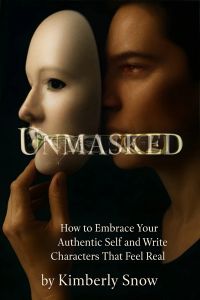
UnmaskedKimberly Snow1h 38m$5
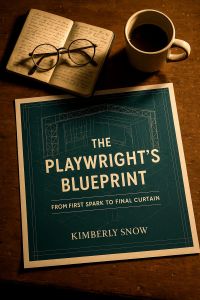
The Playwright's BlueprintKimberly Snow1h 54m$5
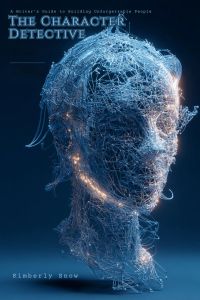
The Character DetectiveKimberly Snow1h 26m$5
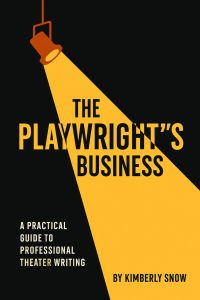
The Playwright's BusinessKimberly Snow1h 41m$5
The Character WebKimberly Snow2h 40m$5
Mere ChristianityC. S. Lewis7h 7m4.4 (519.7K)$24 · $0.00

Her Daily BreadKate Wood12h 57m4.6 (153)$33 · $0.00
The Holy Bible - 1 SamuelKing James2h 13m4.8 (1.6K)$3 · $0.00
The American Standard Bible — The Gospel of MatthewMatthew3h 56m4.7 (3K)$2 · $0.00
Bad Fat Black GirlSesali Bowen6h 32m4.7 (2.8K)$24 · $0.00
The King James Audio Bible New Testament CompleteChristopher Glyn20h 2m4.7 (2.6K)$12 · $0.00
Faiths CheckbookCharles Spurgeon12h 44m4.7 (3.2K)$11 · $0.00
Ten Things I Wish You Knew About Your Child's Mental HealthDr. Billy Garvey4h 53m4.7 (2.4K)$20 · $0.00
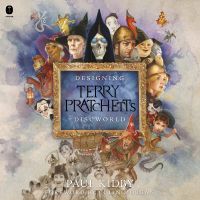
Designing Terry Pratchett’s DiscworldPaul Kidby3h 52m4.7 (343)$20 · $0.00
The Chosen Book OneAmanda Jenkins, Kristen Hendricks, Dallas Jenkins3h 8m4.6 (4.9K)$10 · $0.00
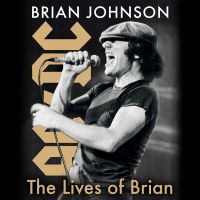
The Lives of BrianBrian Johnson9h 45m4.6 (3.5K)$29 · $0.00
Expository Thoughts on the Gospel of LukeJ.C. Ryle27h 13m4.7 (536)$18 · $0.00
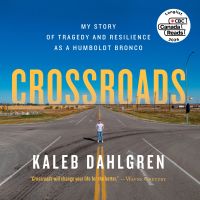
CrossroadsKaleb Dahlgren7h 56m4.6 (4.9K)$26 · $0.00

Across the RiverKent Babb11h 40m4.6 (927)$29 · $0.00
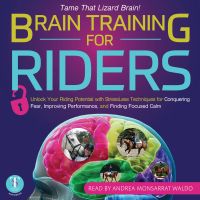
Brain Training for RidersAndrea Monsarrat Waldo5h 56m4.7 (550)$19 · $0.00
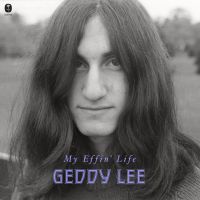
My Effin' LifeGeddy Lee17h 11m4.6 (13.1K)$40 · $0.00
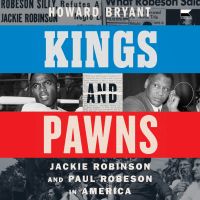
Kings and PawnsHoward Bryant10h 9m4.6 (678)$29 · $0.00
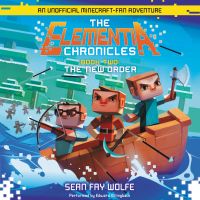
The Elementia Chronicles #2: The New OrderSean Fay Wolfe11h 17m4.6 (841)$29 · $0.00
The ActsLuke2h 55m4.6 (19.7K)$12 · $0.00
New Testament - Easy NavigationWorld English Bible19h 35m4.6 (1.3K)$1.30 · $0.00

WhistlerAnn Patchett10h 45m4.6 (4.6K)$29 · $0.00
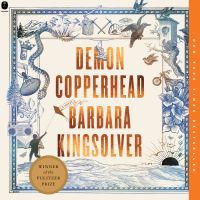
Demon CopperheadBarbara Kingsolver21h 3m4.5 (949.4K)$46 · $0.00

To Kill a MockingbirdHarper Lee12h 18m4.5 (7.4M)$29 · $0.00
Remarkably Bright CreaturesShelby Van Pelt11h 17m4.4 (1.7M)$29 · $0.00

War LordBernard Cornwell13h 21m4.6 (33.1K)$33 · $0.00
The Great Gatsby: Original 1925 Edition (An F. Scott Fitzgerald Classic NovelFrancis Scott Fitzgerald4h 45m4.6 (9.3K)$18 · $0.00
Something Like LoveBeverly Jenkins10h 21m4.6 (2.7K)$29 · $0.00
Black History CollectionFrederick Douglass, Harriet Ann Jacobs, Booker T. Washington, W.E.B. Du Bois27h 9m4.6 (2.6K)$18 · $0.00
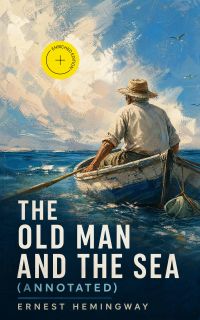
The Old Man and the Sea (Annotated)Ernest Hemingway4h 27m4.6 (1.4K)$2 · $0.00

White HotIlona Andrews13h 18m4.5 (136.9K)$5 · $0.00

The Ghost by the Billabong (The Matilda Saga, #5)Jackie French14h 58m4.6 (773)$33 · $0.00
Cast in BloodMichelle Sagara16h 35m4.6 (607)$33 · $0.00
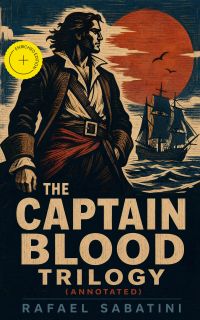
The Captain Blood Trilogy (Annotated)Rafael Sabatini29h 20m4.6 (1K)$3 · $0.00
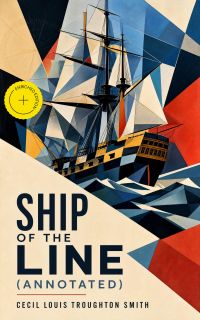
Ship of the Line (Annotated)Cecil Louis Troughton Smith11h 13m4.6 (1K)$2 · $0.00
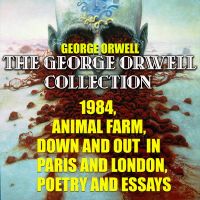
The George Orwell CollectionGeorge Orwell24h 46m4.5 (14.4K)$12 · $0.00
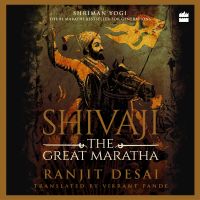
ShivajiRanjit Desai25h 13m4.6 (3.1K)$24 · $0.00
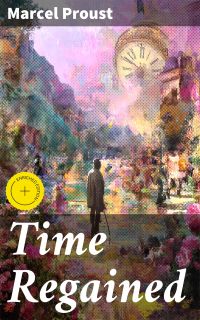
Time RegainedMarcel Proust15h 38m4.5 (9.2K)$2 · $0.00

Driving ForceElle James4h 58m4.6 (407)$20 · $0.00

When God Calls the HeartBrian Bird, Michelle Cox3h 24m4.6 (439)$10 · $0.00
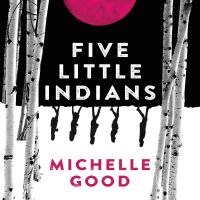
Five Little IndiansMichelle Good10h 34m4.5 (64.5K)$29 · $0.00
You may also like
Around the World in Seventy-Two DaysNellie Bly7h 55m4.0 (3.7K)$1 · $0.00

Flat Stanley's Worldwide Adventures #6: The African Safari DiscoveryJeff Brown45m4.3 (1.1K)$11 · $0.00
Who We Are and How We Got HereDavid Reich10h 51m4.3 (10.5K)$23
What's Gotten Into YouDan Levitt12h 39m4.2 (1.1K)$33 · $0.00

The EuropeansOrlando Figes21h 39m4.3 (6.3K)$30

Hegel: The Science of LogicGeorg Wilhelm Friedrich Hegel17h 53m4.3 (4.5K)$1.99 · $0.00
London. Hörbuch auf Englisch.Matthias Morgenroth49m$10 · $0.00
Following the Sun-Flag: A Vain Pursuit Through ManchuriaJohn Jr. Fox2h 29m3.9 (18)$2 · $0.00

Verbalicious Vocabulary SystemLiv Montgomery2h 56m3.7 (20)$14
From Dublin to Chicago: Some Notes on a Tour in AmericaGeorge A. Birmingham6h 5m$2 · $0.00
Making Your Camera PayFrederick C. Davis1h 55m$2 · $0.00
Pyongyang Travel Guide for Solo WomenAtlas Travel4h 5m$6.30 · $0.00

American Adventures: A Second Trip 'Abroad at home'Julian Street14h 49m$2 · $0.00
Vermeer and His TimePhilip L. Hale3h 11m$18 · $0.00
Business-Englisch lernen Audio - Körpersprache bei PräsentationenCarol Scheunemann, Ken Taylor1h 14m$17
The Origin of VertebratesWalter Holbrook Gaskell22h 22m$2 · $0.00

The Truth About Ireland, Or Through The Emerald Isle With An AeroplaneAlexander Corkey3h 14m$2.30

A Tramp's Wallet stored by an English goldsmith during his wanderings in Germany and FranceWilliam Duthie9h 19m$2 · $0.00

Travels in Southern Europe and the Levant, 1810-1817C. R. Cockerell8h 10m4.0 (18)$2 · $0.00

Russian Life To-dayHerbert Bp. Bury5h 6m$2 · $0.00