
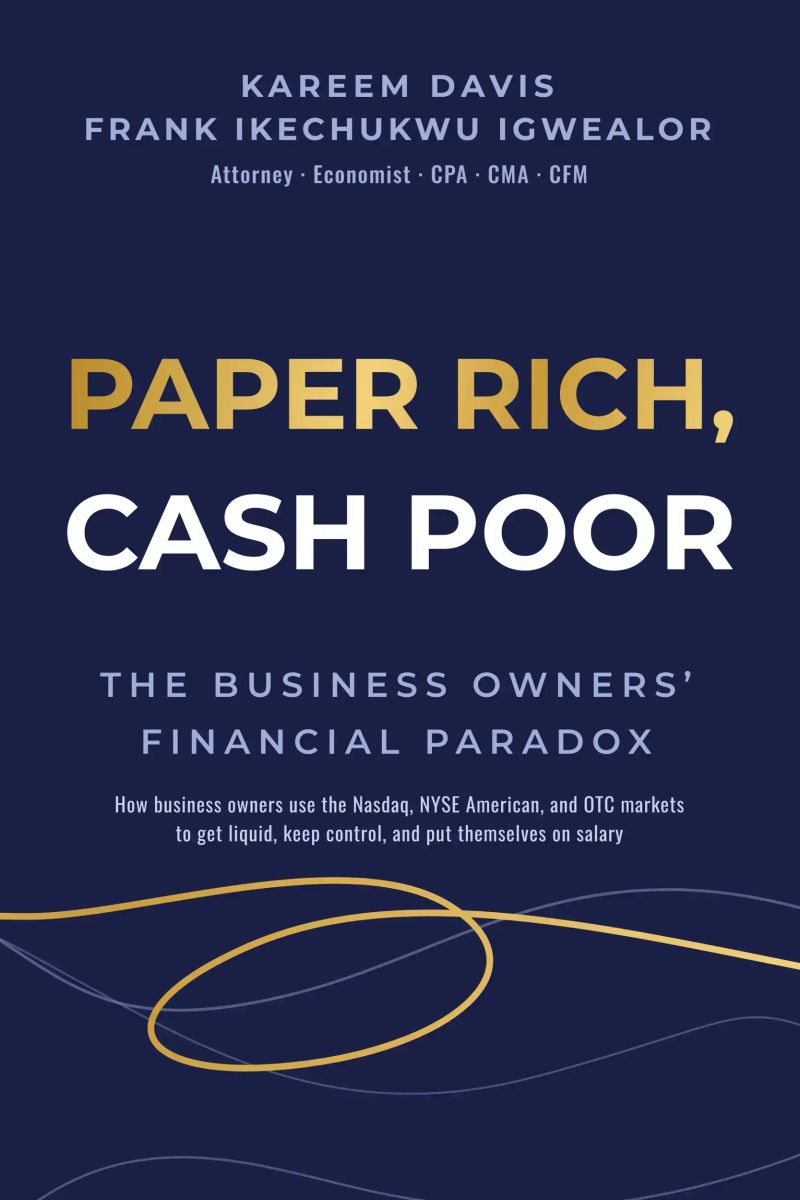
PAPER RICH, CASH POOR
The Business Owners’ Financial Paradox - How Business Owners Use the Nasdaq, NYSE American, and OTC Markets to Get Liquid, Keep Control, and Put Themselves on SalaryBy Frank Ikechukwu Igwealor & Kareem DavisRecorded TrackLength14h
About this audiobook
Rich on paper. Poor in the bank. There is a third way out.
You built a company worth millions, yet most of your wealth is locked inside it: consumed by growth, hidden by tax-driven books, and tied to your household through personal guarantees. You have been told there are only two choices. Stay illiquid, or sell the business you spent your life building.
Paper Rich, Cash Poor shows successful owners a third door: sell a slice of the company to public investors on the Nasdaq, NYSE American, or OTC markets while keeping control, adding a contractual salary, and giving the company capital to grow. Written by attorney, economist, and CPA Frank Ikechukwu Igwealor and Los Angeles entrepreneur Kareem Davis, it is a practical and candid guide to liquidity without surrender.
Audiobook details
GenreBusiness and Economics, Self-Help
Length14 hrs
Narrated byRecorded Track
FormatAudiobook
Publish dateOct 16, 2026
LanguageEnglish
Table of contents
1How Business Owners Use the Nasdaq, NYSE American, and OTC Markets to Get Liquid, Keep Control, and Put Themselves on Salary
2Preface
3CHAPTER 1: Paper Rich, Cash Poor: Portrait of the Paradox
4CHAPTER 2: How Success Creates the Trap
5CHAPTER 3: Measuring Your Paradox
Show all chaptersShow less
6CHAPTER 4: The Hidden Costs of Living Paper Rich
7CHAPTER 5: Why Owners Sell When They Do Not Want To
8CHAPTER 6
9CHAPTER 7: The Conventional Exits and What They Cost
10CHAPTER 8: Why Selling 100% May Be Selling Too Much
11CHAPTER 9: The Third Door: Sell a Slice, Keep the Whole
12CHAPTER 10: Three Assets to Monetize, Three Things to Keep
13CHAPTER 11: Private Company versus Public Company
14CHAPTER 12: The Capital-Market Ladder
15CHAPTER 13: Listing Standards Decoded
16CHAPTER 14: The OTC Markets: Stepping Stone or Graveyard
17CHAPTER 15: Who Buys Your Shares
18CHAPTER 16: The Public Market Is a Financing System, Not an ATM
19CHAPTER 17: What Is Your Paper Actually Worth?
20CHAPTER 18: Private Value versus Public Value
21CHAPTER 19: The Liquidity Discount and the Liquidity Opportunity
22CHAPTER 20: Dilution: The Price of Outside Capital
23CHAPTER 21: How Much to Sell
24CHAPTER 22: The Founder Liquidity Ladder
25CHAPTER 23: Is Your Business Public-Market Ready?
26CHAPTER 24: Cleaning the Corporate House
27CHAPTER 25: From Entrepreneurial Accounting to Public-Company Accounting
28CHAPTER 26: Related-Party Rules and the End of the Old Lifestyle
29CHAPTER 27: Building the Management Team
30CHAPTER 28: What Exactly Are You Selling? Primary versus Secondary Shares
31CHAPTER 29: The Primary Offering: Funding the Business
32CHAPTER 30: The Secondary Component: Funding the Founder
33CHAPTER 31: The Hybrid Transaction
34CHAPTER 32: The Menu of Doors
358. The over-the-counter quotation alone
36CHAPTER 33: The Traditional Underwritten IPO
37CHAPTER 34: Registration on Form S-1, Including Self-Underwritten Offerings
38CHAPTER 35: Regulation A+ and Other Exempt Offerings
39CHAPTER 36: Direct Listings
40CHAPTER 37: Reverse Mergers and Public Shells
41CHAPTER 38: SPAC Mergers
42CHAPTER 39: The Uplisting Strategy
43CHAPTER 40: Choosing Your Pathway and Your Market
44CHAPTER 41: Control Is Not the Same as Ownership
45CHAPTER 42: Dual-Class Shares and Voting Trusts
46CHAPTER 43: The Controlled Company Exemption
47CHAPTER 44: A Board That Supports Rather Than Replaces the Founder
48CHAPTER 45: Charter, Bylaw, and Takeover Protections
49CHAPTER 46: Where Control Ends: Your Shareholders Are Now Your Partners
50CHAPTER 47: From Owner's Draw to Executive Compensation
More from Frank Ikechukwu Igwealor & Kareem Davis
BILLIONAIRE TRADER’S CODEFrank Ikechukwu Igwealor25h 34m$19.99

STEPS OF FAITHFrank Ikechukwu Igwealor11h 15m$9.99

FEEDING THE WOLFFrank Ikechukwu Igwealor19h 28m$9.99
CASHING OUT WITHOUT SELLING OUTFrank Ikechukwu Igwealor13h 39m$9.99
OPPORTUNISTIC - Spotting Fleeting Moments and Striking While the Iron Is HotFrank Ikechukwu Igwealor26h 46m$9.99
The Fallacy of Reciprocity of GenerosityFrank Ikechukwu Igwealor13h 1m$9.99
WHY CHRISTIANS CANNOT IN GOOD CONSCIENCE SUPPORT OR VOTE FOR THE DEMOCRATIC PARTYFrank Ikechukwu Igwealor8h 17m5.0 (1)$9.99

THE BEAUTIFUL LIEFrank Ikechukwu Igwealor16h 11m$9.99
The 10X Stock FinderFrank Ikechukwu Igwealor29h 2m$9.99
Never Split the DifferenceChris Voss, Tahl Raz8h 7m4.4 (277.7K)$26 · $0.00
The Intelligent Investor Rev Ed.Benjamin Graham17h 48m4.3 (191.5K)$40 · $0.00
The Hard Thing About Hard ThingsBen Horowitz7h 57m4.2 (134.3K)$26 · $0.00
Boundaries for LeadersHenry Cloud7h 36m4.3 (3.6K)$26 · $0.00
Good to GreatJim Collins9h 59m4.1 (325.2K)$29 · $0.00
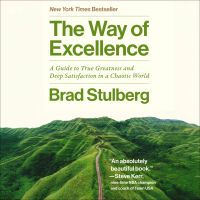
The Way of ExcellenceBrad Stulberg6h 46m4.2 (1.1K)$24 · $0.00
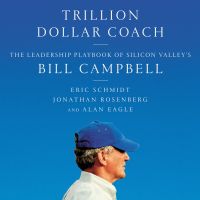
Trillion Dollar CoachEric Schmidt, Jonathan Rosenberg, Alan Eagle5h 40m4.1 (22.2K)$24 · $0.00
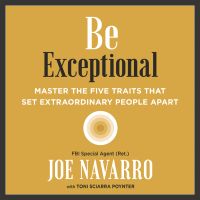
Be ExceptionalJoe Navarro, Toni Sciarra Poynter9h 11m4.0 (1.3K)$29 · $0.00
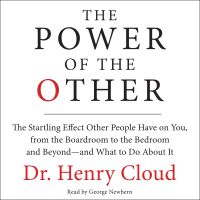
The Power of the OtherHenry Cloud5h 52m4.2 (3.5K)$24 · $0.00
Basic EconomicsThomas Sowell18h 32m4.5 (29.3K)$28 · $0.00

The Ambuja StoryNarotam Sekhsaria13h 59m4.5 (830)$33 · $0.00

The Secret Door to SuccessFlorence Scovel Shinn2h 25m4.5 (2.1K)$1.20 · $0.00

This Is Going to HurtAdam Kay5h 47m4.4 (444.7K)$24 · $0.00

Big TrustShadé Zahrai, Fayçal Sekkouah8h 36m4.6 (406)$26 · $0.00
The Intelligent Investor Third EditionBenjamin Graham, Jason Zweig20h4.4 (156.6K)$46 · $0.00

Bottle of LiesKatherine Eban14h 25m4.4 (12K)$33 · $0.00

The Antiracist Business BookTrudi Lebrón6h 10m4.6 (275)$17 · $0.00
The FormulaJoshua Robinson, Jonathan Clegg10h 41m4.4 (6.9K)$29 · $0.00

Let Them LeadJohn U. Bacon7h 10m4.5 (1.4K)$24 · $0.00

Secrets of the Millionaire MindT. Harv Eker5h 11m4.4 (301.4K)$24 · $0.00

A Different WayChristopher A. Hall10h 45m4.5 (165)$29 · $0.00
The Hard Thing About Hard ThingsBen Horowitz7h 57m4.2 (134.3K)$26 · $0.00

10% Happier 10th AnniversaryDan Harris9h 28m4.1 (137.1K)$29 · $0.00
The Power of the OtherHenry Cloud5h 52m4.2 (3.5K)$24 · $0.00

What You Are Looking For Is in the LibraryMichiko Aoyama7h 19m4.1 (156.7K)$24 · $0.00
The Way of ExcellenceBrad Stulberg6h 46m4.2 (1.1K)$24 · $0.00

The AlchemistPaulo Coelho4h 1m4.1 (3.9M) · 1215$23 · $0.00

Change the RecipeJosé Andrés, Richard Wolffe4h 57m4.1 (2K)$20 · $0.00

The Lucky RideYasushi Kitagawa4h 26m4.1 (1.8K)$20 · $0.00
Be ExceptionalJoe Navarro, Toni Sciarra Poynter9h 11m4.0 (1.3K)$29 · $0.00

The Subtle Art of Not Giving a F*ckMark Manson5h 18m3.9 (1.7M)$24 · $0.00

HomeschooledStefan Merrill Block7h 10m3.6 (18.5K)$28 · $0.00

Autoimmunity and the Good GirlsSara Hirsh Bordo7h 51m$26 · $0.00

The Purpose Driven® Liferick warren9h 23m4.0 (896.8K) Only with Ultra

Your Desired FutureHenry Cloud6h 43m$24 · $0.00
Learning to PrayJames Martin13h 24m4.5 (3.4K)$33 · $0.00

The Happiest Man on EarthEddie Jaku3h 48m4.6 (178K)$7 · $0.00

Finding MeViola Davis9h 15m4.6 (256.4K)$29 · $0.00

Spiritual AnatomyDaaji Kamlesh D. Patel9h 47m4.7 (319)$29 · $0.00

The Dangerous Truth about Today’s MarijuanaLaura Stack CSP, MBA9h 57m4.7 (385)$20 · $0.00
You may also like

Maxims and ReflectionsJohann Wolfgang von Goethe3h 23m4.2 (1.4K)$2.30
The Joys Of CompoundingGautam Baid17h 34m4.5 (2.5K)$18 · $0.00

The Critique of Practical ReasonImmanuel Kant6h 30m4.1 (24.6K)$1.20 · $0.00

SucceedHeidi Grant Halvorson PhD8h 25m4.4 (4.4K)$17 · $0.00
The Ethics of AristotleAristotle10h 7m4.2 (70.6K)$2

Fundamental Principles of the Metaphysic of MoralsImmanuel Kant3h 21m4.0 (24.5K)$0.60 · $0.00

Charlie's Good TonightPaul Sexton7h 11m4.3 (1.1K)$24 · $0.00

Hegel's Philosophy of MindGeorg Wilhelm Friedrich Hegel14h 28m4.0 (717)$1 · $0.00

Biographia Literaria (Complete Edition)Samuel Taylor Coleridge15h 43m3.9 (4.1K)$2.99 · $0.00

Turn the TablesJ.M. Snyder18m3.9 (17)$1 · $0.00

Business BrandingAnthony Ekanem59m5.0 (1)$4 · $0.00
Marketing for Dummies 2nd Ed.Alexander Hiam3h 6m3.8 (321)$18 · $0.00

Selecting Projects WiselySteve Pavlina15m$4 · $0.00
How to Rock It like a TED TalkCathey Armillas3h 46m3.6 (128)$80

Project Manager Technology SuiteDawn Jones, Sherry Prindle4h 25m$75
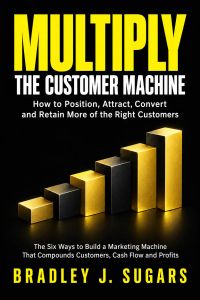
Multiply - The Customer MachineBradley J Sugars29h 34m4.3 (20)Free
Fifteen Thousand Useful PhrasesGrenville Kleiser15h 35m3.5 (226)$2.30
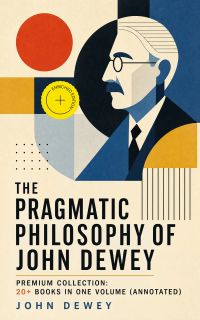
The Pragmatic Philosophy of John Dewey – Premium Collection: 20+ Books in One Volume (Annotated)John Dewey88h 49m4.5 (17)$1.99 · $0.00
Enjoying Rich and Abundant RelationshipsSteve Pavlina50m$6 · $0.00

Spend SmartOwen J. Kim4h 3m$4 · $0.00