


Length11h 35m
About this audiobook
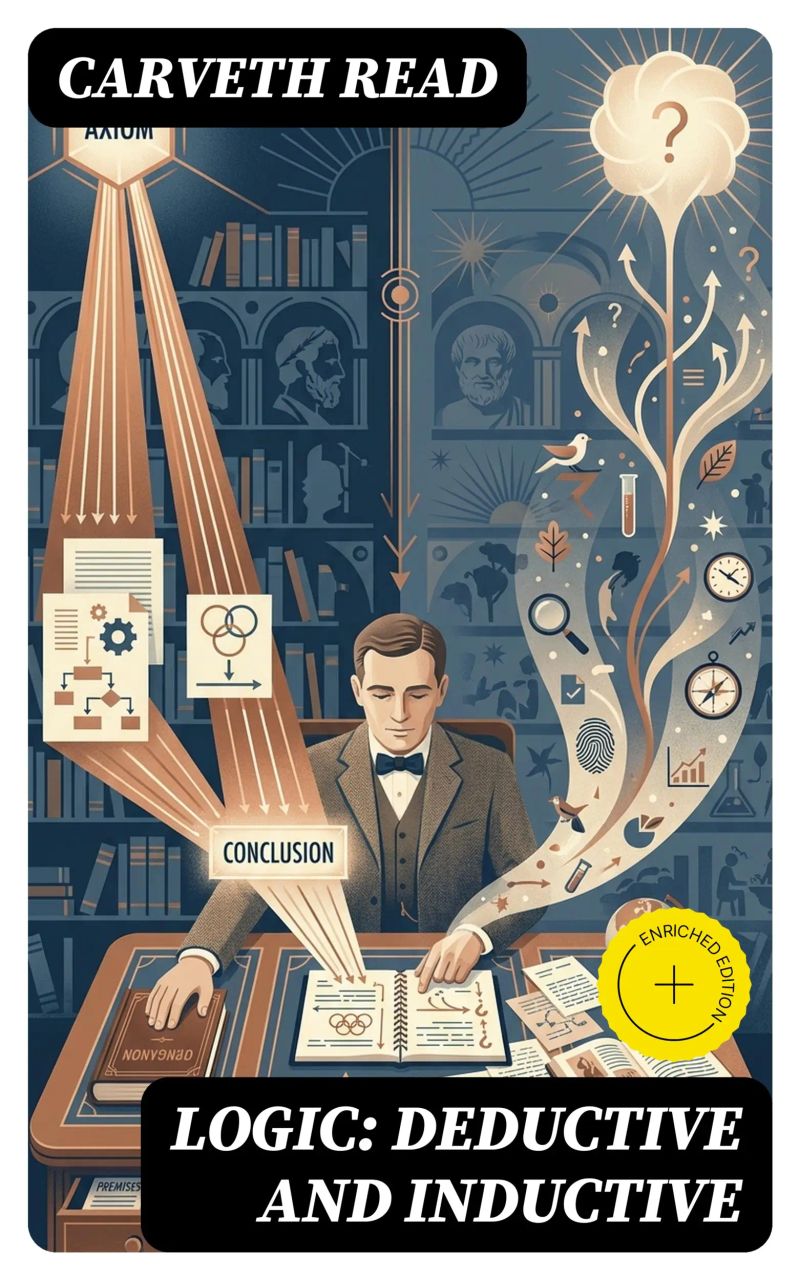
In "Logic: Deductive and Inductive," Carveth Read delves into the fundamental principles of logical reasoning, meticulously distinguishing between deductive and inductive methods. The book employs a clear and accessible literary style, seamlessly blending theoretical exploration with practical examples to elucidate complex concepts. Read engages with historical and contemporary philosophical discourse, offering insights into the evolution of logic as both a discipline and a tool for critical thinking. This work serves not only as a textbook for students but also as a reflective piece for anyone interested in the structure of reasoning and its implications in everyday life. Carveth Read, a notable figure in early 20th-century philosophy, was deeply influenced by the work of his contemporaries and predecessors in logic and epistemology. His academic pursuits were rooted in a desire to democratize philosophical thought, making it accessible to a broader audience. Read's passion for education and clarity in thought is evident in his writings, which often sought to bridge the gap between abstract philosophical theories and practical applications. I highly recommend "Logic: Deductive and Inductive" to students, educators, and enthusiasts of philosophy. This book not only enhances one's understanding of logical frameworks but also encourages critical engagement with ideas. Read's rigorous approach and clarity make this an indispensable resource for anyone looking to refine their reasoning skills.
Audiobook details
Rating★★★★ 3.7 (110)
Includes Goodreads
GenrePhilosophy
Length11 hrs 35 mins
Narrated byListen with 1,000+ voices
FormateBook with Audio
Publish dateSep 4, 2022
LanguageEnglish
Table of contents
1Introduction
14CHAPTER XV
2Introduction
15§ 2. The Canon of the Joint Method of Agreement in Presence and in Absence.
3Synopsis
16§ 5. The Canon Of Residues.
4Historical Context
17CHAPTER XVIII
5Logic: Deductive and Inductive
18CHAPTER XX
Show all chaptersShow less
6PREFACE
19CHAPTER XXII
7LOGIC
20CHAPTER XXIII
8CHAPTER IV
21QUESTIONS
9CHAPTER VI
22IV. INDUCTION, ETC.
10CHAPTER VIII
23Analysis
11CHAPTER IX
24Reflection
12CHAPTER XI
25Memorable Quotes
13CHAPTER XIII
More from Carveth Read


The Tao of Joy Every DayDerek Lin10h 24m4.6 (762)$20 · $0.00

Old Path White CloudsThich Nhat Hanh16h 39m4.6 (15K)$25
Metaphysics (Annotated)Aristotle13h 30m4.6 (1.2K)$2 · $0.00
Sceptical Essays (Annotated)Bertrand Russell9h 16m4.6 (1K)$2 · $0.00

WitnessAriel Burger8h 1m4.6 (1.3K)$20 · $0.00
The Magic PresenceGodfré Ray King10h 21m4.6 (307)$1.20 · $0.00
The Practicing StoicWard Farnsworth9h 56m4.5 (9.2K)$20
Moral Letters to LuciliusLucius Annaeus Seneca24h 35m4.4 (71.8K)$0.99 · $0.00
Lessons in TruthH. Emilie Cady3h 50m4.5 (2.4K)$20 · $0.00
The LawFrédéric Bastiat2h 7m4.4 (17K)$10
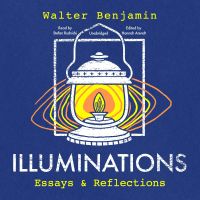
IlluminationsWalter Benjamin10h 12m4.4 (16.2K)$20 · $0.00
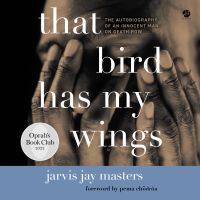
That Bird Has My WingsJarvis Jay Masters9h 49m4.4 (13.7K)$29 · $0.00

Tâo Teh KingLaozi2h 34m4.4 (230.9K)$2 · $0.00
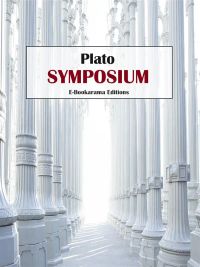
SymposiumPlato3h 26m4.4 (97.9K)$1.20 · $0.00

Buddhist Boot CampTimber Hawkeye2h 39m4.4 (8.4K)$18 · $0.00

Change Your MindRJ Spina7h 5m4.6 (288)$17
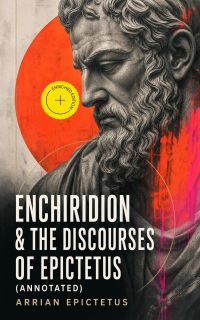
Enchiridion & The Discourses of Epictetus (Annotated)Arrian Epictetus18h 9m4.4 (3.5K)$2 · $0.00

The Meditations of the Emperor Marcus Aurelius AntoninusEmperor of Rome Marcus Aurelius5h 41m4.4 (1.8M)$1 · $0.00
Crime and PunishmentFyodor Dostoevsky23h 11m4.4 (1.3M)$12 · $0.00

MeditationsMarcus Aurelius5h 52m4.4 (433.7K)$1 · $0.00
You may also like
The Theory of RelativityAlbert Einstein4h 58m4.2 (28.5K)$2 · $0.00
How Fiction WorksJames Wood5h 48m4.0 (11.1K)$14 · $0.00
EthicsBenedictus de Spinoza9h 38m4.3 (25.5K)$2.30

An Enquiry Concerning the Principles of MoralsDavid Hume5h 28m4.2 (7K)$2.30

On Sense and ReferenceGottlob Frege2h 14m4.1 (484)$1 · $0.00

The Meaning of TruthWilliam James6h 24m4.1 (442)$2 · $0.00

The MonadologyGottfried Wilhelm43m4.1 (2.7K)$3.50 · $0.00

Fallen LeavesWill Durant5h 18m4.2 (2K)$17
The Problems of PhilosophyBertrand Russell4h 32m4.0 (25.8K)Free
THE THREE CRITIQUES: The Critique of Pure Reason, The Critique of Practical Reason & The Critique of JudgmentImmanuel Kant46h 8m4.2 (1.6K)$2 · $0.00
The Critique of Practical ReasonImmanuel Kant6h 52m4.0 (23.5K)$3.50 · $0.00
Forallx - An Introduction to Formal Logic (Annotated)P.D. Magnus6h 14m$2 · $0.00
On Sophistical RefutationsAristotle2h 27m3.8 (170)$1.80 · $0.00
How Can I Increase the Value of My Business?Richard Mowrey3h 22m$15

Of the Standard of TasteDavid Hume2h 14m3.8 (458)$2 · $0.00
Colour vision : Being the Tyndall Lectures delivered in 1894 at the Royal InstitutionSir William de Wiveleslie Abney4h 47m$1 · $0.00

Literary BlundersHenry B. Wheatley2h 44m$2 · $0.00

Fashion and Culture: 6 Classic BooksJane Warren Wells, G. Woolliscroft Rhead, Ethel Beatrice Abrahams, Dorothy Quigley, Virginia M. Alexander, Helen Kinne, Anna M. Cooley21h 12m$0.99 · $0.00

The Science of GeniusScientific American6h 14m3.9 (13)$17
Reality in BrandingArnd Zschiesche, Oliver Errichiello6h 41m$25 · $0.00