

Guarding Democracy
Strategies to prevent the rise of psychopathic influencersBy Ian PyeRecorded TrackLength1h 36m
About this audiobook
Have you found yourself worrying about the slow, obvious erosion of some democracies around the world—and wondering what we, as communities, can do to strengthen them so we can return to the freedoms and sense of wellbeing many of us once took for granted? I’m fortunate to live in a strong and still‑standing liberal democracy, but I lose sleep thinking about those who no longer do.
For me, it’s therapeutic to understand why this has happened, and to explore the mechanisms that ordinary people, institutions, professionals, politicians, and political parties can use to prevent further damage to democratic systems. It is at least, good to know that there are ways to resolve this world problem. This book only scratches the surface of the strategies available, but my hope is that it helps keep the principles and vision of liberal democracy alive and well.
Audiobook details
GenreEducation and Learning, Politics and Government
Length1 hr 36 mins
Narrated byRecorded Track
FormatAudiobook
Publish dateApr 28, 2026
LanguageEnglish
Table of contents
1Introduction
2Prologue
31. Introduction
42. Understanding Psychopathy and Its Impact
53. Notable psychopathic leaders – Past and Present
Show all chaptersShow less
6Caligula — Rome’s Nightmare in Human Form
7Ivan the Terrible — Russia’s Descent into Fear
8Why People Follow These Leaders
9More Recent Examples
10A Note About Hitler
11Why This Chapter Matters
124. Psychopathic Leaders and Threats to Democracy
13What Makes a Good Leader?
14The Threat to Democracy Isn’t Just the Leader — It’s the System’s Response
15The Warning Signs
16Why Democracies Struggle to Respond
17Preventing Harm: The Real Challenge
185. Mitigating the spread of shared psychopathy
19How Shared Psychopathy Spreads
20🌱 Education and Awareness
21🏛️ Strengthening Institutions
22🧠 Psychological Screening
23🧩 Community Resilience
24⚖️ Legal Reforms
25🌍 International Cooperation
26Why This Chapter Matters
276. The Duty to Warn and Its Challenges
28The Tarasoff Case — Where the Duty to Warn Began
29Applying Duty to Warn Beyond Clinical Settings
30Risk Analysis Without Direct Assessment
31Balancing Confidentiality and Public Safety
32Cultural Sensitivity and Legal Constraints
33What Mental Health Professionals Can Do
34When Psychopathic Influencers Don’t Consent to Diagnosis
35Why This Chapter Matters
367. Psychopathic Leader doesn’t Give Informed Consent for Diagnosis
37The Limits of Diagnosis in Public Life
38📣 Public Awareness Campaigns
39🕵️ Whistleblowers and Anonymous Reporting
40👥 Community-Based Monitoring
41🧠 Independent Psychological Commentary
42⚖️ Legal Reforms
43📰 Media Investigation and Reporting
44🌍 International Cooperation
45⚖️ Ethical Dilemmas and Public Interest
46Why This Chapter Matters
478. The Role of Others in The Community: What Can They Do to Help?
48🕵️ Whistleblowers and Insiders
49🧩 Civil Society Organisations and Activists
50📣 Public Awareness Campaigns

A Brief History of IntelligenceMax S. Bennett12h 18m4.6 (6.6K)$29 · $0.00

HomeschooledStefan Merrill Block7h 10m3.6 (18.5K)$28 · $0.00

How We ThinkJohn Dewey7h 6m4.0 (1.1K)Free

EducationEllen G. White9h 41m4.6 (1.5K)$2 · $0.00

Parents and Children (Annotated)Charlotte Mason9h 23m4.6 (988)$2 · $0.00

Children Under FireJohn Woodrow Cox10h 17m4.5 (1.6K)$29 · $0.00

The State Must ProvideAdam Harris7h 15m4.5 (775)$24 · $0.00

The Call of the Wild and FreeAinsley Arment9h 7m4.4 (21.2K)$29 · $0.00

The Freelance WayRobert Vlach19h 48m4.5 (528)$40 · $0.00

Race to the BottomLuke Rosiak9h 20m4.5 (600)$29 · $0.00

They Came for the SchoolsMike Hixenbaugh9h 5m4.5 (2.6K)$8 · $0.00

Find Me UnafraidKennedy Odede, Jessica Posner11h 11m4.5 (2.7K)$29 · $0.00

Asking for ItKate Harding8h 55m4.4 (5.3K)$20 · $0.00

Defining Moments in Black HistoryDick Gregory7h 37m4.4 (6K)$26 · $0.00

The Emerald Tablets of Thoth the AtlanteanMaurice Doreal3h 4m4.4 (8.8K)$6 · $0.00

Learning AmericaLuma Mufleh6h 37m4.4 (564)$24 · $0.00

Math-ishJo Boaler7h 21m4.4 (588)$24 · $0.00
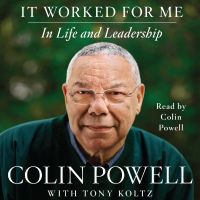
It Worked For MeColin Powell7h 42m4.3 (9.8K)$26 · $0.00

Little SoldiersLenora Chu11h 30m4.3 (3.1K)$29 · $0.00

Financial FeministTori Dunlap8h 3m4.2 (22.2K)$8 · $0.00

KrantikariSanjeev Sanyal11h 44m4.6 (1.3K)$16 · $0.00

Unbroken Bonds of BattleJohnny Joey Jones8h 31m4.6 (2.6K)$8 · $0.00

On Democracies and Death CultsDouglas Murray10h 38m4.6 (6.5K)$29 · $0.00

Balcony Over Jerusalem: A Middle East Memoir - Israel, Palestine and BeyondJohn Lyons12h 37m4.6 (1.4K)$33 · $0.00
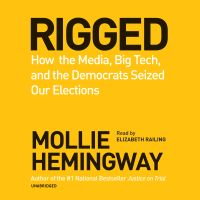
RiggedMollie Hemingway12h 48m4.6 (4.2K)$23 · $0.00

SledgehammerDavid Friedman8h 21m4.7 (589)$26 · $0.00

Citizenship in a Republic (Annotated)Theodore Roosevelt2h 44m4.6 (1.4K)$2 · $0.00

No EscapeNury Turkel9h 30m4.6 (809)$28 · $0.00

Always FaithfulThomas Schueman, Zainullah Zaki12h 12m4.6 (977)$29 · $0.00

UnthinkableJamie Raskin15h 8m4.5 (9.3K)$8 · $0.00

My Fourth Time, We DrownedSally Hayden13h 59m4.6 (2.9K)$23 · $0.00

A Revolution of Common SenseScott Jennings9h 29m4.6 (528)$29 · $0.00

Statement From the Dock at the Rivonia TrialNelson Mandela2h 18m4.6 (1.3K)$1 · $0.00

Lessons from the EdgeMarie Yovanovitch17h 11m4.5 (5.9K)$40 · $0.00

To Rescue the American SpiritBret Baier10h 12m4.5 (2.7K)$8 · $0.00

StonewalledSharyl Attkisson15h 19m4.5 (4.3K)$33 · $0.00

The World According to Orwell: 1984 & Animal FarmGeorge Orwell15h 42m4.6 (1.1K)$1 · $0.00

Basic EconomicsThomas Sowell18h 32m4.5 (29.3K)$28 · $0.00

To Rescue the RepublicBret Baier, Catherine Whitney11h 42m4.5 (8.6K)$29 · $0.00

Modern WarriorsPete Hegseth7h 10m4.5 (4.7K)$24 · $0.00
You may also like

Stock Investing for Dummies 2nd Ed.Paul Mladjenovic3h 21m3.8 (1.6K)$18 · $0.00

Make America Healthy AgainNicole Saphier8h 54m4.2 (569)$29 · $0.00

Habits of a PeacemakerSteven T. Collis9h 16m4.5 (468)$23

PowerJeffrey Pfeffer8h 4m4.0 (6.2K)$26 · $0.00

Courting DisasterMarc A. Thiessen12h 18m4.1 (277)$23 · $0.00

Chanakya and the Art of Getting RichRadhakrishnan Pillai4h 9m3.9 (1.1K)$8

Believe MeTahereh Mafi4h 38m4.4 (230.7K)$20 · $0.00

ExcitotoxinsRussell L. Blaylock MD9h 40m4.2 (1.7K)$20 · $0.00

Mean Streak: A moral vacuum, a dodgy debt generator and a multi-billion-dollar government shake down - the powerful story of robodebt, WINNER of the Walkley Book Award 2025Rick Morton15h 32m4.4 (502)$33 · $0.00
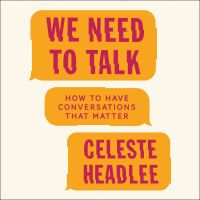
We Need to TalkCeleste Headlee5h 11m4.1 (9.9K)$24 · $0.00

PossibleWilliam Ury10h 14m4.4 (528)$29 · $0.00

Coping SkillsFaith G. Harper PhD1h 56m4.1 (1.2K)$10

THE ART OF PEACEUnknown Author1h 7m4.3 (9K)$17 · $0.00

Uncle Tom’s CabinHarriet Beecher Stowe20h 7m4.1 (277.4K)$2.40 · $0.00

RiversnowTess Thompson8h 11m4.7 (1.3K)$20

On BenefitsSeneca8h 21m4.3 (463)$0.60 · $0.00

InflationSteve Forbes, Nathan Lewis, Elizabeth Ames4h 49m4.0 (820)$15

How to Negotiate with People Like Donald TrumpSam Dowed4h 45m$12 · $0.00

Address to the Non-Slaveholders of the South on the Social and Political Evils of SlaveryLewis Tappan2h 35m$2 · $0.00

The Bonobo SisterhoodDiane Rosenfeld7h 34m4.4 (246)$25 · $0.00