
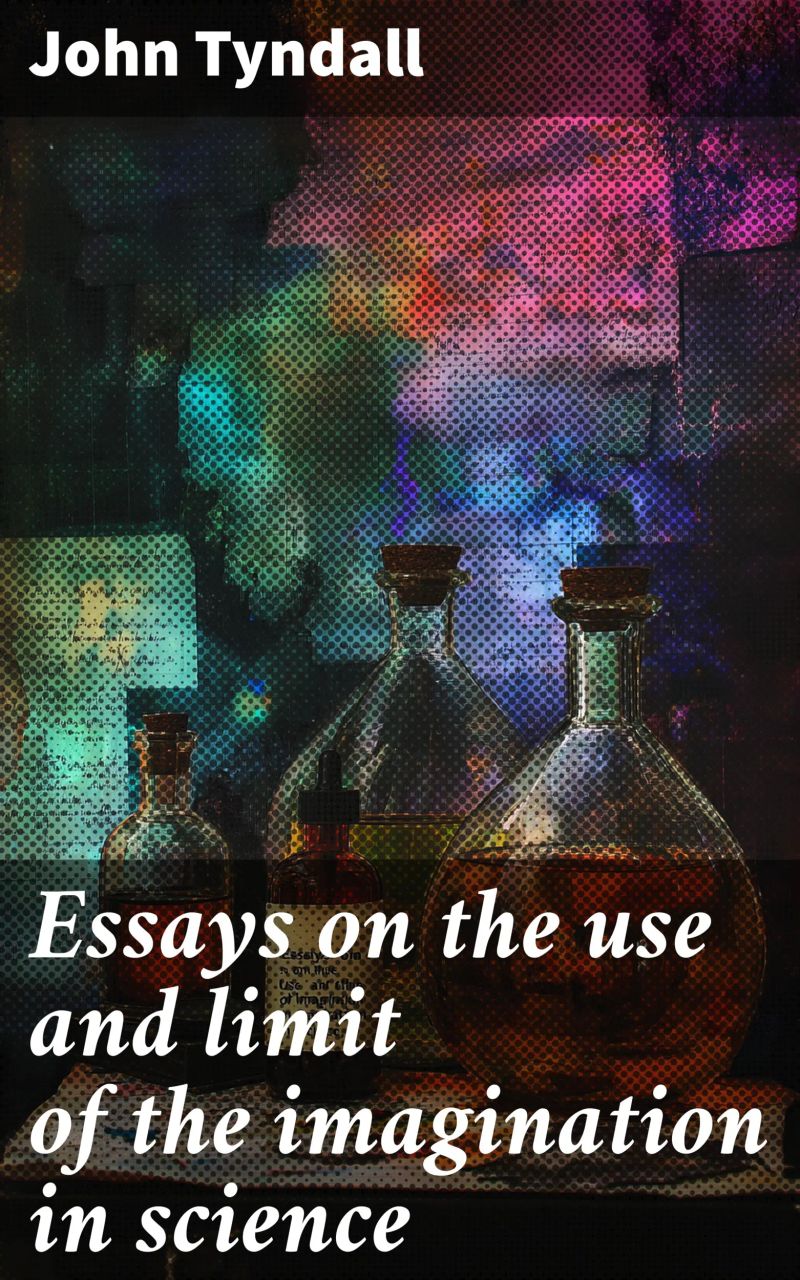
Essays on the use and limit of the imagination in science
By John Tyndall


Length2h 25m
About this audiobook
In "Essays on the Use and Limit of the Imagination in Science," John Tyndall explores the intricate relationship between imagination and scientific inquiry, delving into how creative thought complements empirical investigation. Tyndall, known for his eloquent prose and analytical approach, employs a blend of philosophical discourse and scientific examples, emphasizing the importance of the imagination in inspiring hypotheses and guiding scientific discovery. Through a series of essays, he adeptly juxtaposes the confines of empirical evidence with the boundless reaches of imaginative thought, engaging with the evolving landscape of scientific methodology in the Victorian era. John Tyndall, a prominent Irish physicist and a key figure in the development of modern science, was deeply influenced by the burgeoning scientific advancements of his time. His experiences in natural philosophy and participations in the debates surrounding the limits of scientific knowledge prompted his exploration of imaginative thought within the empirical framework. Tyndall's commitment to elucidating complex ideas for a wider audience reflects his belief in the interconnectedness of scientific progress and imaginative reasoning. Readers interested in the philosophy of science, as well as those curious about the cognitive processes underpinning scientific innovation, will find Tyndall's essays both enlightening and provocative. This work not only contributes to an understanding of the role of imagination in science but also invites us to consider how our creative faculties can shape the future of scientific inquiry.
Audiobook details
GenreScience and Nature
Length2 hrs 25 mins
Narrated byListen with 1,000+ voices
FormateBook with Audio
Publish dateApr 24, 2025
LanguageEnglish
Table of contents
1Introduction
2PROS AND CONS TOUCHING THE FIRST EDITION.
3SCIENTIFIC USE OF THE IMAGINATION.
4SCIENTIFIC LIMIT OF THE IMAGINATION.[7]
5FOOTNOTES:
More from John Tyndall

A Brief History of IntelligenceMax S. Bennett12h 18m4.6 (6.6K)$29 · $0.00
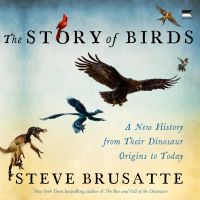
The Story of BirdsSteve Brusatte11h 49m4.6 (401)$29 · $0.00

Craig & FredCraig Grossi8h 6m4.5 (9.6K)$26 · $0.00
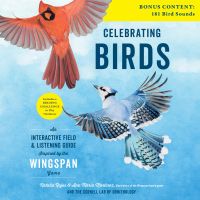
Celebrating BirdsNatalia Rojas, Ana Maria Martinez6h 47m4.6 (330)$24 · $0.00

Saving JemimaJulie Zickefoose4h 59m4.5 (749)$20 · $0.00

Will's Red CoatTom Ryan8h 23m4.5 (2.3K)$26 · $0.00
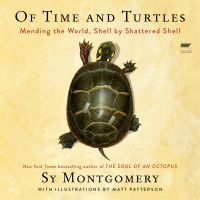
Of Time and TurtlesSy Montgomery10h 34m4.5 (5K)$29 · $0.00
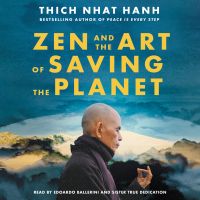
Zen and the Art of Saving the PlanetThich Nhat Hanh9h 20m4.5 (3.9K)$29 · $0.00
BLACK BEAUTY (With Original Illustrations)Anna Sewell7h 31m4.5 (1.3K)$1.99 · $0.00

Bottle of LiesKatherine Eban14h 25m4.4 (12K)$33 · $0.00
IngrainedCallum Robinson8h 10m4.5 (1.1K)$26 · $0.00
The Lion Tracker's Guide To LifeBoyd Varty3h 1m4.4 (4.8K)$18 · $0.00

Born for LoveBruce D. Perry, Maia Szalavitz11h 42m4.4 (4K)$29 · $0.00
The Mountains of California (With Original Drawings & Photographs) (Annotated)John Muir11h 35m4.5 (1.1K)$2 · $0.00

The New GuysMeredith Bagby16h 50m4.4 (1.2K)$40 · $0.00
Blue PasturesMary Oliver3h 23m4.4 (3.8K)$18 · $0.00
The Rise and Reign of the MammalsSteve Brusatte13h 26m4.4 (11.1K)$33 · $0.00

VaccinatedPaul A. Offit8h 30m4.4 (3.7K)$26 · $0.00

The Light EatersZoë Schlanger10h 57m4.4 (22.8K)$29 · $0.00

Where the Lost Dogs GoSusannah Charleson11h 7m4.5 (699)$23 · $0.00
You may also like

The Tao Teh KingLaozi1h 11m4.4 (228.4K)$2.30
Kant's Prolegomena to Any Future MetaphysicsImmanuel Kant5h 2m4.1 (12.3K)$2.30

Pilgrim at Tinker CreekAnnie Dillard10h 31m4.2 (40.7K)$8 · $0.00
The Evolution of EverythingMatt Ridley13h 10m4.0 (4.9K)$33 · $0.00
The Critique of Judgment: Theory of the Aesthetic Judgment and Theory of the Teleological Judgment (Annotated)Immanuel Kant15h 31m4.1 (15.7K)$1.99 · $0.00

An Altar in the WorldBarbara Brown Taylor6h 57m4.4 (9.9K)$24 · $0.00
The Piazza TalesHerman Melville9h 3m4.0 (2.8K)$2.30
DiscourseDescartes2h 24m4.0 (71.5K)$2.30
THE THREE CRITIQUES: The Critique of Pure Reason, The Critique of Practical Reason & The Critique of JudgmentImmanuel Kant46h 10m4.5 (1.4K)$1 · $0.00
Leonardo da Vinci: Thoughts on Art & LifeLeonardo da Vinci5h 10m4.1 (1.1K)$1 · $0.00
Goethe's Theory of ColoursJohann Wolfgang von Goethe11h 25m4.1 (2.3K)$2.30
The Reluctant Mr. DarwinDavid Quammen7h 45m4.1 (3.4K)$26
NatureRalph Waldo Emerson1h 38m4.0 (9K)$2.30

Fabre's Book of InsectsJean-Henri Fabre7h 37m4.4 (403)$2 · $0.00
The AbundanceAnnie Dillard7h 46m4.1 (3.2K)$26 · $0.00
The Changing Conceptions of the Universe - From Newton to Einstein -Benjamin Harrow, Albert Einstein, Arthur Stanley Eddington, Joseph Sweetman Ames, Joseph John Thomson, Frank Watson Dyson3h 11m3.6 (16)$1.99 · $0.00
Collected Works of Immanuel Kant: Complete Critiques, Philosophical Works and Essays (Including Kant's Inaugural Dissertation) (Annotated)Immanuel Kant83h 45m4.3 (18)$2 · $0.00
The Analysis of Beauty (Annotated)William Hogarth6h 26m3.9 (139)$2 · $0.00
A Preliminary Dissertation on the Mechanisms of the Heavens (Annotated)Mary Somerville3h 48m$2 · $0.00
IMMANUEL KANT: Philosophical Books, Critiques & EssaysImmanuel Kant83h 15m4.4 (143)$1.99 · $0.00