
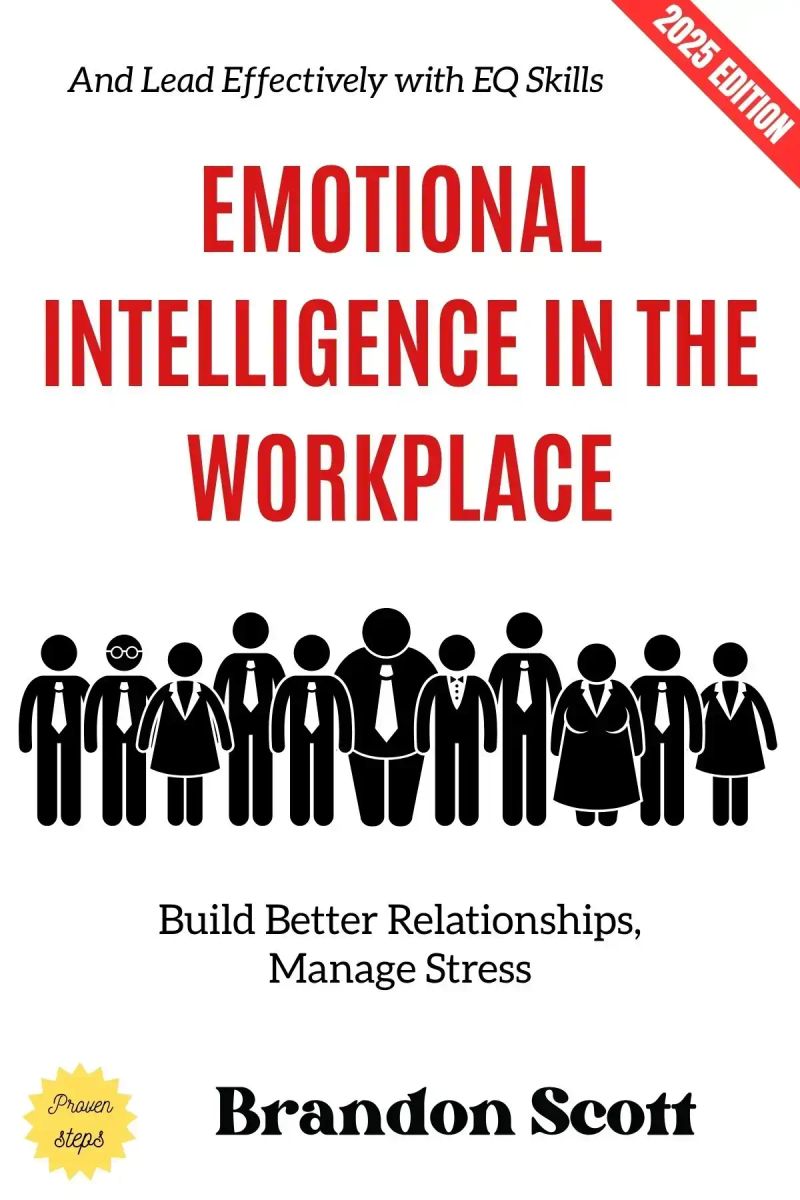
Emotional Intelligence in Workplace
Build Better Relationships, Manage Stress, and Lead Effectively with EQ SkillsBy Brandon Scott


Length2h 36m
About this audiobook
In today’s professional world, success depends on more than technical skills. Emotional Intelligence in the Workplace explores how understanding and managing emotions can improve communication, strengthen leadership, and build healthier work environments.
This guide explains how Emotional Intelligence shapes teamwork, decision-making, and professional relationships. With practical insights and relatable workplace scenarios, you’ll learn how to respond thoughtfully under pressure, resolve conflicts effectively, and create stronger connections with colleagues.
Here's a Preview of What You'll Learn...
The fundamentals of emotional intelligence at work
Managing stress and practicing self-regulation
Leading with emotional intelligence and authenticity
Applying EQ in remote and hybrid workplaces
Building a positive and emotionally intelligent work culture
Develop the awareness and leadership skills that help professionals and teams thrive.
Scroll up and Grab your Copy Today!
Audiobook details
GenreHealth and Wellness, Self-Help
Length2 hrs 36 mins
Narrated byListen with 1,000+ voices
FormateBook with Audio
Publish dateMar 9, 2026
LanguageEnglish
Table of contents
1Introduction
2Understanding Emotional Intelligence at Work
3The Science Behind Emotions and Behavior
4Self-Awareness: The Foundation of Workplace EQ
5Mastering Self-Regulation in High-Stress Environments
Show all chaptersShow less
6The Role of Motivation in Emotional Intelligence
7Empathy: The Superpower of Effective Teams
8Social Skills That Build Strong Professional Relationships
9EQ vs. IQ: Why Emotional Intelligence Matters More
10Communicating with Emotional Clarity and Impact
11Conflict Resolution through Emotional Agility
12Leading with Emotional Intelligence
13Developing EQ Across Departments and Roles
14Measuring and Growing EQ in the Workplace
15EQ in Remote and Hybrid Work Environments
16Creating an Emotionally Intelligent Organizational Culture
17Conclusion

Whispers in the DarkJonathan Kade50m$9.99

The Last KeyClara Whitfield47m5.0 (1)Free

Beyond the Null HorizonAlaric Shade51m$2.99 · $0.00

Apex of ShadowsLucien Crow53m$2.99 · $0.00

Neon Echoes of TomorrowSeraphine Ember47m$4.99 · $0.00

Whispers of the Shattered RealmKael Dusk47m$2.99 · $0.00

Crimson OdysseyEvelyn Frost58m$2.99 · $0.00

Shadows Between CluesSebastian Grey59m$2.99 · $0.00

Fractured HorizonsSable Thorn1h 4m$2.99 · $0.00

The Shadow AlgorithmLuna Ray49m$2.99 · $0.00

The Echo of Blue GlassClara Whitmore50m$2.99 · $0.00

The Ember TrailElysia Storm58m$2.99 · $0.00

The Ember VeilTaylor Morgan51m$2.99 · $0.00

The Singularity ParadoxJack Morrison56m Only with Ultra

Edge of the Forgotten FrontierNolan Drake47m$2.99 · $0.00

The Last FrequencyCasey Flint55mFree

Shadows of the ForgottenAvery Knight51m$2.99 · $0.00

Edge of the HorizonWyatt Stone53m$2.99 · $0.00

Whispers Between the RainDashiell Cross48m$4.99

Shadows in the AlleyCyrus Falcon46m$2.99 · $0.00

Your Body Already KnowsNidhi Pandya Bhanshali9h 7m4.7 (360)$16 · $0.00

The Dangerous Truth about Today’s MarijuanaLaura Stack CSP, MBA9h 57m4.7 (384)$20 · $0.00
Hour of the HeartIrvin D. Yalom, Benjamin Yalom8h 19m4.6 (2.3K)$26 · $0.00

The Yoga Sutras of PatanjaliPatanjali4h 8m4.5 (18.5K)$6 · $0.00

The Lost VoiceGreta Morgan8h 30m4.7 (285)$26 · $0.00

Healthy Kids, Happy KidsElisa Song14h 18m4.6 (760)$33 · $0.00
Eat It!Jordan Syatt, Michael Vacanti4h 40m4.6 (1.5K)$20 · $0.00

Consent Laid BareChanel Contos7h 11m4.5 (1.7K)$24 · $0.00

How to Make Disease DisappearRangan Chatterjee5h 26m4.5 (3.5K)$24 · $0.00

The Complete Herbal (Annotated)Nicholas Culpeper29h 8m4.5 (1.4K)$2 · $0.00

A Plague Upon Our HouseScott W. Atlas MD10h 37m4.5 (3.4K)$20 · $0.00

The Cancer CodeDr. Jason Fung10h 48m4.5 (5.3K)$29 · $0.00

The Gift of TherapyIrvin Yalom7h 39m4.5 (38.8K)$26 · $0.00

EarlySarah DiGregorio9h 47m4.5 (1.3K)$29 · $0.00

Bottle of LiesKatherine Eban14h 25m4.4 (12K)$33 · $0.00
The 36-Hour DayNancy L. Mace, Peter V. Rabins17h 13m4.4 (9.2K)$28 · $0.00

FlooredSara Reardon10h 36m4.5 (1K)$29 · $0.00

Radical RemissionKelly A. Turner9h 26m4.4 (8.1K)$29 · $0.00
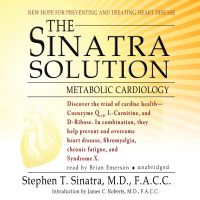
The Sinatra SolutionStephen T. Sinatra MD9h4.5 (899)$20 · $0.00

The Songaminute ManSimon McDermott6h 12m4.5 (280)$24 · $0.00
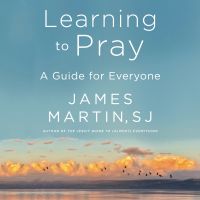
Learning to PrayJames Martin13h 24m4.5 (3.4K)$33 · $0.00
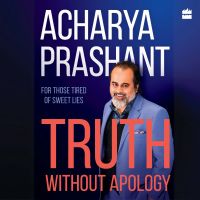
Truth Without ApologyAcharya Prashant6h 41m4.8 (2.2K)$18 · $0.00

Autism Out Loud: the instant New York Times Bestseller. Moving Stories and Parenting Lessons Learned from Three Mothers of Children with AutismKate Swenson, Carrie Cariello, Adrian Wood8h 41m4.8 (2.1K)$26 · $0.00

Swayam Ki AwaazPrem Rawat8h 34m4.7 (1.1K)$26 · $0.00

Forever BoyKate Swenson9h 27m4.7 (5K)$29 · $0.00

You Are Worth ItKyle Carpenter, Don Yaeger8h 53m4.7 (4.8K)$29 · $0.00

The Happiest Man on EarthEddie Jaku3h 48m4.6 (178K)$7 · $0.00

Finding MeViola Davis9h 15m4.6 (256.4K)$29 · $0.00

Spiritual AnatomyDaaji Kamlesh D. Patel9h 47m4.7 (319)$29 · $0.00
The Dangerous Truth about Today’s MarijuanaLaura Stack CSP, MBA9h 57m4.7 (384)$20 · $0.00

Birdie & HarlowTaylor Wolfe7h 50m4.6 (6.5K)$26 · $0.00

CrossroadsKaleb Dahlgren7h 56m4.6 (4.9K)$26 · $0.00

Life on the BridgeKaelynn Partlow5h 40m4.6 (1.1K)$24 · $0.00

Keep Your Love OnDanny Silk9h 4m4.6 (8.1K)$10 · $0.00
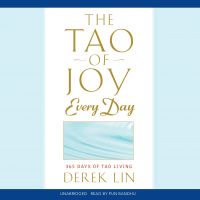
The Tao of Joy Every DayDerek Lin10h 24m4.6 (762)$20 · $0.00
UndividedVicky Beeching9h 2m4.6 (1.3K)$29 · $0.00
Level UpRob Dial7h 42m4.6 (3.3K)$26 · $0.00

Burn the HaystackJennie Young, PhD9h 30m4.6 (543)$29 · $0.00

ACRES OF DIAMONDS: Our Every-day Opportunities (Wisdom & Empowerment Series) (Annotated)Russell Conwell2h 26m4.6 (1K)$2 · $0.00

Good InsideBecky Kennedy9h 55m4.5 (59.3K)$29 · $0.00
You may also like

MeditationsMarcus Aurelius6h 48m4.3 (440.3K)$4 · $0.00
Burn the Fat, Feed the MuscleTom Venuto11h 24m4.3 (14.9K)$20

Nicomachean Ethics (Annotated)Aristotle11h 23m4.2 (344)$2 · $0.00

Morning and Evening ThoughtsJames Allen39m4.4 (1.8K)$1 · $0.00
The Science of Being GreatWallace D. Wattles2h 18m4.2 (3.4K)$12 · $0.00

The EnchiridionEpictetus0m4.4 (41.3K)$1 · $0.00
Feeling GoodDavid D. Burns13h 21m4.2 (77.3K)$8 · $0.00
Unstoppable TeamsAlden Mills5h 24m4.1 (620)$24 · $0.00
The Law of Success in Sixteen LessonsNapoleon Hill2h 39m4.4 (17.2K)$2 · $0.00

Self-Control, Its Kingship and MajestyWilliam George Jordan3h 20m4.5 (757)$1 · $0.00
Critical Thinking & StoicismHarrison Walton2h 47m4.4 (18) Only with Ultra
How To Win At Everything: The Formula To Transform Your Life In Record TimeSamuel Lawrence1h 16m$6 · $0.00
Executive Function Mastery For Adults With ADHDMark F. Gerald3h 34m4.7 (23)$4.99
Live HappyDeborah K. Heisz8h 40m3.8 (396)$26 · $0.00

Secrets to Life and HappinessChris Widener2h 26m4.0 (28)$18

Wellness Within: A Human Guide to Health, Mind, and BodyHamlin Timothy57m4.9 (25) Only with Ultra
Women of InfluenceDawn Jones8h 19m$80

FriendingGina Handley Schmitt MA, LMHC3h 24m4.1 (234)$15 · $0.00

Life is FriendsJeanne Martinet6h 56m3.9 (136)$20 · $0.00
The Gentle Art of PersuasionTom Hopkins3h 45m4.3 (120)$87