
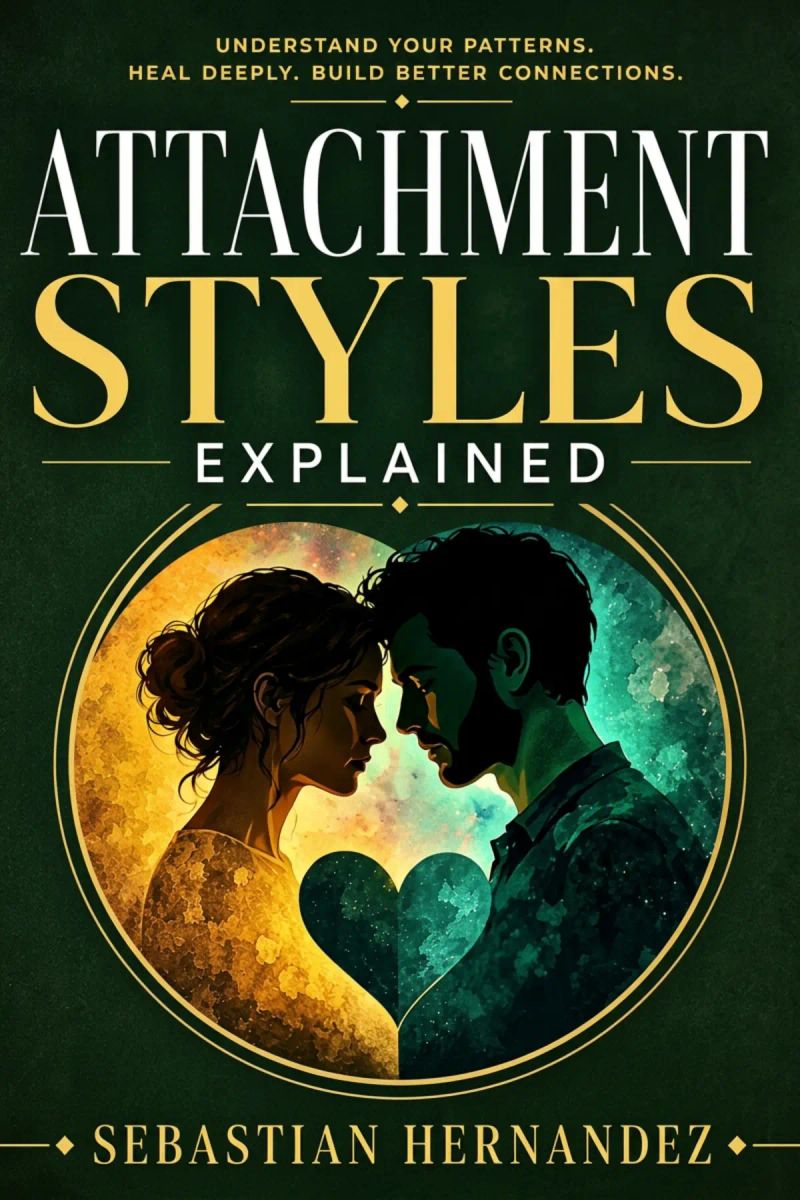


Length58m
About this audiobook
Attachment Styles Explained is a powerful, practical guide to understanding how your emotional patterns shape your relationships, communication, trust, and connection with others.
Have you ever wondered why some people fear abandonment, avoid vulnerability, overthink relationships, struggle with emotional intimacy, or repeat unhealthy relationship cycles? This ebook breaks down the psychology behind attachment styles in a clear, relatable, and life-changing way.
Inside this comprehensive guide, you’ll learn:
The 4 main attachment styles explained in depth
How childhood experiences shape adult relationships
Why people become anxious, avoidant, emotionally distant, or fearful in love
How attachment affects dating, communication, conflict, and trust
Practical ways to heal emotional wounds and build healthier relationships
How to become more emotionally secure and confident
Red flags, green flags, boundaries, emotional maturity, and more
Audiobook details
GenrePhilosophy, Self-Help
Length58 mins
Narrated byListen with 1,000+ voices
FormateBook with Audio
Publish dateJun 2, 2026
LanguageEnglish
Table of contents
1Chapter 1
2Introduction
3abandonment.
4—Where Attachment Styles Come From—
5Inconsistent
Show all chaptersShow less
6—The Four Main Attachment Styles—
7—Secure Attachment Explained—
8Characteristics of secure attachment include:
9People with anxious attachment often fear abandonment, rejection, or emotional distance.
10—Avoidant Attachment Explained—
11They may:
12—Childhood Experiences and Emotional Development—
13—Trauma and Attachment—
14For example:
15—Attachment Styles and Communication—
16Avoidant daters may:
17—Conflict and Emotional Triggers—
18During conflict:
19—Boundaries and Emotional Safety–
20—Trust, Intimacy, and Vulnerability—
21—Attachment Styles in Friendships—
22—Attachment Styles in Family Relationships—
23—Attachment in Marriage and Long-Term Commitment—
24—Attachment and Self-Esteem—
25—Social Media, Modern Dating, and Attachment—
26—Healing Insecure Attachment Styles—
27—Building Secure Attachment–
28Emotional Reflection
29Emotionally mature people:
30Example 1: Anxious and Avoidant Dynamic
31—Why People Repeat Unhealthy Relationship Patterns—
32—The Importance of Emotional Accountability—
33—Therapy and Professional Support—
34—Parenting and Attachment—
35Self-awareness changes everything.
36—How to Create Healthier Relationships—
37—Final Thoughts—
38—Conclusion—
39—Deep Dive: Understanding Emotional Needs—
40For example:
41—Emotional Regulation and the Nervous System—
42—The Difference Between Healthy Independence and Emotional Avoidance—
43For example:
44—Healing After Toxic Relationships—
45—Understanding Emotional Triggers More Deeply—
46—How Attachment Styles Affect Physical Intimacy—
47—The Power of Secure Relationships—
48Breakups affect attachment styles differently.
49—Learning to Trust Again—
50—Inner Child Healing—
More from Sebastian Hernandez


WitnessAriel Burger8h 1m4.6 (1.3K)$20 · $0.00

The Magic PresenceGodfré Ray King10h 21m4.6 (307)$1.20 · $0.00
The Art of LivingThich Nhat Hanh5h 1m4.5 (14.2K)$24 · $0.00

Moral Letters to LuciliusLucius Annaeus Seneca24h 26m4.5 (71.7K)$1.99 · $0.00

Lessons in TruthH. Emilie Cady3h 50m4.5 (2.4K)$20 · $0.00
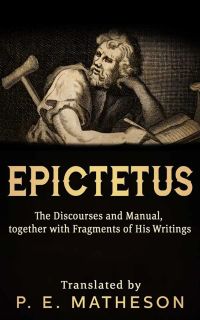
The Discourses of EpictetusP. E. MATHESOM12h 47m4.4 (17.7K)$1.20 · $0.00

IlluminationsWalter Benjamin10h 12m4.4 (16.2K)$20 · $0.00

That Bird Has My WingsJarvis Jay Masters9h 49m4.4 (13.7K)$29 · $0.00

Tâo Teh KingLaozi2h 34m4.4 (230.9K)$2 · $0.00

SymposiumPlato3h 26m4.4 (97.9K)$1.20 · $0.00

Buddhist Boot CampTimber Hawkeye2h 39m4.4 (8.4K)$18 · $0.00

Enchiridion & The Discourses of Epictetus (Annotated)Arrian Epictetus18h 9m4.4 (3.5K)$2 · $0.00

The Meditations of the Emperor Marcus Aurelius AntoninusEmperor of Rome Marcus Aurelius5h 41m4.4 (1.8M)$1 · $0.00

Crime and PunishmentFyodor Dostoevsky23h 11m4.4 (1.3M)$12 · $0.00

MeditationsMarcus Aurelius5h 52m4.4 (433.7K)$1 · $0.00
Everyday DharmaSuneel Gupta5h 2m4.5 (761)$20 · $0.00

The Joyful Wisdom ("La Gaya Scienza")Friedrich Wilhelm Nietzsche11h 37m4.4 (26.6K)$1 · $0.00
The Art of LivingEpictetus, Sharon Lebell3h 16m4.4 (50.1K)$18 · $0.00

MeditationsEmperor Of Rome Marcus Aurelius7h 23m4.3 (477.5K)$1.20 · $0.00

The Imitation of ChristThomas à Kempis6h 27m4.3 (84.6K)$21 · $0.00
Learning to PrayJames Martin13h 24m4.5 (3.4K)$33 · $0.00

Swayam Ki AwaazPrem Rawat8h 34m4.7 (1.1K)$26 · $0.00

Forever BoyKate Swenson9h 27m4.7 (5K)$29 · $0.00

You Are Worth ItKyle Carpenter, Don Yaeger8h 53m4.7 (4.8K)$29 · $0.00

The Happiest Man on EarthEddie Jaku3h 48m4.6 (178K)$7 · $0.00

Finding MeViola Davis9h 15m4.6 (256.4K)$29 · $0.00

Spiritual AnatomyDaaji Kamlesh D. Patel9h 47m4.7 (319)$29 · $0.00

The Dangerous Truth about Today’s MarijuanaLaura Stack CSP, MBA9h 57m4.7 (385)$20 · $0.00

The Gospel according to Spiritualism (Translated)Allan Kardec14h 39m4.6 (3.9K)$5.70 · $0.00

Birdie & HarlowTaylor Wolfe7h 50m4.6 (6.5K)$26 · $0.00

CrossroadsKaleb Dahlgren7h 56m4.6 (4.9K)$26 · $0.00

Life on the BridgeKaelynn Partlow5h 40m4.6 (1.1K)$24 · $0.00

Keep Your Love OnDanny Silk9h 4m4.6 (8.1K)$10 · $0.00
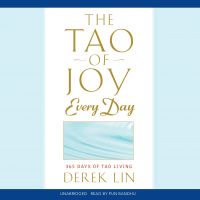
The Tao of Joy Every DayDerek Lin10h 24m4.6 (762)$20 · $0.00
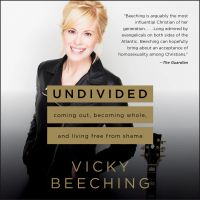
UndividedVicky Beeching9h 2m4.6 (1.3K)$29 · $0.00

HE CAN WHO THINKS HE CAN & OTHER BOOKS ON SUCCESSOrison Swett Marden5h 54m4.6 (1.2K)$1.99 · $0.00
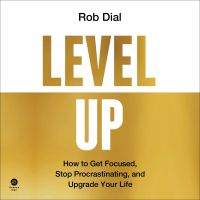
Level UpRob Dial7h 42m4.6 (3.3K)$26 · $0.00
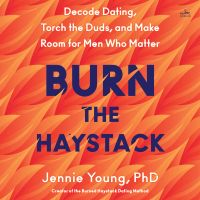
Burn the HaystackJennie Young, PhD9h 30m4.6 (543)$29 · $0.00

ACRES OF DIAMONDS: Our Every-day Opportunities (Wisdom & Empowerment Series) (Annotated)Russell Conwell2h 26m4.6 (1K)$2 · $0.00

Good InsideBecky Kennedy9h 55m4.5 (59.3K)$29 · $0.00
You may also like

Raising Your Spirited ChildMary Sheedy Kurcinka14h 8m4.3 (12.5K)$33 · $0.00

How To Make Friends And Influence People & How To Stop Worrying And Start LivingDale Carnegie22h 56m4.4 (13.4K)$1 · $0.00

Money and LoveMyra Strober, Abby Davisson8h 46m4.1 (368)$29 · $0.00

Winsome ConvictionTim Muehlhoff, Richard Langer7h 14m4.3 (383)$17 · $0.00

Making SpaceThich Nhat Hanh53m4.2 (3.2K)$5
Stop Whining, Start LivingDr. Laura Schlessinger5h 16m4.2 (1.1K)$24 · $0.00

How To Make Friends And Influence PeopleDale Carnegie23h 25m4.3 (1.4M)$1 · $0.00

Tiny TraumasMeg Arroll9h 30m3.8 (1.9K)$29 · $0.00
Never Good EnoughMonica Ramirez Basco PhD10h 19m3.6 (282)$20 · $0.00
How to Manage Mom Guilt: Finding BalanceAurora Brooks1h 6m$3.50 · $0.00

Parenting Without ComparisonElise J. Hale1h 48m$2.30 · $0.00

Love in the Time of ColicIan Kerner, Heidi Raykeil6h 17m3.7 (85)$24 · $0.00

Burnout Recovery for WomenImad Muratspahic3h 20m$4 · $0.00
Don’t Take the Bait to EscalateJay Payleitner6h 18m$17 · $0.00

How Working Moms Can Have It AllAurora Brooks1h 13m$3.50 · $0.00

The Fourth Trimester MarriageNora T. Calder1h 48m$2.30 · $0.00

The Powerhouse Moms: Balancing Work and FamilyAurora Brooks1h 26m$3.50 · $0.00

Even on Vacation, I’m Still in Charge of Everything - How to Share Trip Planning, Agree on Expectations, and Relax Without Becoming Your Family’s Full-Time Tour GuideMax Paradox2h 55m$7.70 · $0.00

Why It's Okay to Be a "Good Enough" ParentAurora Brooks1h 13m$3.50 · $0.00

The Ultimate Guide For Men With Adult ADHDMark F. Gerald3h 50m4.9 (47)$4.99