
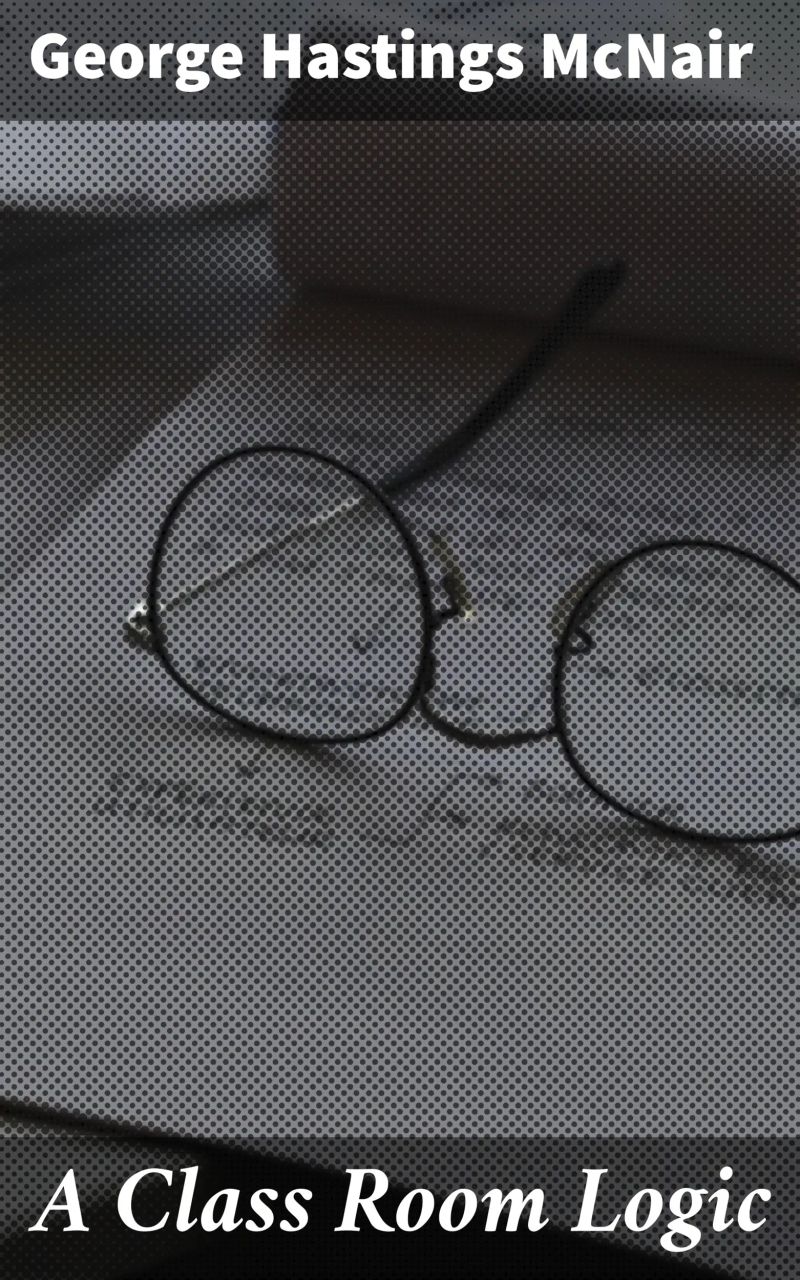
A Class Room Logic
Deductive and Inductive, with Special Application to the Science and Art of TeachingBy George Hastings McNair


Length14h 48m
About this audiobook
In "A Class Room Logic," George Hastings McNair presents an incisive exploration of reasoning within the confines of educational settings. Through a blend of analytical essays and practical examples, McNair delves into the application of logical principles in classroom discourse, emphasizing the significance of critical thinking in shaping both pedagogy and student engagement. His literary style melds clarity with rigor, reflecting an understanding of educational theories against the backdrop of mid-20th-century American education, a period marked by shifting pedagogical paradigms and increased emphasis on philosophy in teaching. George Hastings McNair, a seasoned educator and philosopher, roots his work in extensive experience within the academic landscape. His background in logic and philosophy, coupled with dedication to improving educational practices, inspired him to articulate the indispensable role of logic in effective teaching strategies. This book emerges as a reflection of his commitment to fostering intellectual inquiry and equipping educators with tools to enhance their students' analytical abilities. This compelling text is highly recommended for educators, administrators, and students alike, as it provides foundational insights into not only the mechanics of teaching logical reasoning but also its broader implications for fostering a generation of critically aware thinkers. McNair's work transcends mere theory, offering practical applications that resonate across disciplines.
Audiobook details
GenreEducation and Learning
Length14 hrs 48 mins
Narrated byListen with 1,000+ voices
FormateBook with Audio
Publish dateNov 29, 2019
LanguageEnglish
Table of contents
1A CLASS ROOM LOGIC
2CHAPTER 1. THE SCOPE AND NATURE OF LOGIC.
31. THE MIND.
42. LOGIC RELATED TO OTHER SUBJECTS.
53. LOGIC DEFINED.
Show all chaptersShow less
64. THE VALUE OF LOGIC TO THE STUDENT.
75. OUTLINE—
86. SUMMARY.
97. REVIEW QUESTIONS.
108. QUESTIONS FOR ORIGINAL THOUGHT AND INVESTIGATION.
11CHAPTER 2. THOUGHT AND ITS OPERATION.
121. THE KNOWING MIND COMPARED WITH THE THINKING MIND.
132. KNOWING BY INTUITION.
143. THE THINKING PROCESS.
154. NOTIONS, INDIVIDUAL AND GENERAL.
165. KNOWLEDGE AND IDEA AS RELATED TO THE NOTION.
176. THE LOGIC OF THE PSYCHOLOGICAL TERMS INVOLVED IN THE NOTION.
187. THOUGHT IN THE SENSATION AND PERCEPT.
198. EVOLUTION AND THE THINKING MIND.
209. THE CONCEPT AS A THOUGHT PRODUCT.
2110. THE JUDGMENT AS A THOUGHT PRODUCT.
2211. INFERENCE AS A THOUGHT PRODUCT.
2312. THINKING AND APPREHENSION.
2413. STAGES IN THINKING.
2514. OUTLINE.
2615. SUMMARY.
2716. REVIEW QUESTIONS.
2817. QUESTIONS FOR ORIGINAL THOUGHT AND INVESTIGATION.
29CHAPTER 3. THE PRIMARY LAWS OF THOUGHT.
301. TWO FUNDAMENTAL LAWS.
312. THE LAW OF IDENTITY.
323. LAW OF CONTRADICTION.
334. THE LAW OF EXCLUDED MIDDLE.
345. THE LAW OF SUFFICIENT REASON.
356. UNITY OF PRIMARY LAWS OF THOUGHT ILLUSTRATED BY SYMBOLS.
367. OUTLINE.
378. SUMMARY.
389. ILLUSTRATIVE EXERCISES.
3910. REVIEW QUESTIONS.
4011. QUESTIONS FOR ORIGINAL THOUGHT AND INVESTIGATION.
41CHAPTER 4. LOGICAL TERMS.
421. LOGICAL THOUGHT AND LANGUAGE INSEPARABLE.
432. MEANING OF LOGICAL TERM.
443. CATEGOREMATIC AND SYNCATEGOREMATIC WORDS.
454. SINGULAR TERMS.
465. GENERAL TERMS.
476. COLLECTIVE AND DISTRIBUTIVE TERMS.
487. CONCRETE AND ABSTRACT TERMS.
498. CONNOTATIVE AND NON-CONNOTATIVE TERMS.
509. POSITIVE AND NEGATIVE TERMS.

A Brief History of IntelligenceMax S. Bennett12h 18m4.6 (6.6K)$29 · $0.00

HomeschooledStefan Merrill Block7h 10m3.6 (18.5K)$28 · $0.00

Children Under FireJohn Woodrow Cox10h 17m4.5 (1.6K)$29 · $0.00

The State Must ProvideAdam Harris7h 15m4.5 (775)$24 · $0.00

The Call of the Wild and FreeAinsley Arment9h 7m4.4 (21.2K)$29 · $0.00
The Freelance WayRobert Vlach19h 48m4.5 (528)$40 · $0.00

Race to the BottomLuke Rosiak9h 20m4.5 (600)$29 · $0.00

They Came for the SchoolsMike Hixenbaugh9h 5m4.5 (2.6K)$8 · $0.00

Find Me UnafraidKennedy Odede, Jessica Posner11h 11m4.5 (2.7K)$29 · $0.00

Asking for ItKate Harding8h 55m4.4 (5.3K)$20 · $0.00
Defining Moments in Black HistoryDick Gregory7h 37m4.4 (6K)$26 · $0.00

The Emerald Tablets of Thoth the AtlanteanMaurice Doreal3h 4m4.4 (8.8K)$6 · $0.00

Learning AmericaLuma Mufleh6h 37m4.4 (564)$24 · $0.00
Math-ishJo Boaler7h 21m4.4 (588)$24 · $0.00

Daddy-Long-LegsJean Webster12h 18m4.2 (91K)$1.99 · $0.00
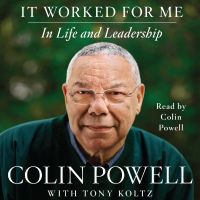
It Worked For MeColin Powell7h 42m4.3 (9.8K)$26 · $0.00

Little SoldiersLenora Chu11h 30m4.3 (3.1K)$29 · $0.00

Grammar-land; Or, Grammar in Fun for the Children of Schoolroom-shireM. L. Nesbitt2h 36m4.4 (488)$1 · $0.00

Financial FeministTori Dunlap8h 3m4.2 (22.2K)$8 · $0.00

DarkwaterWilliam Edward Burghardt Du Bois6h 40m4.3 (1.4K)$11 · $0.00
You may also like

Poor Charlie’s AlmanackGrover Gardener, Charles T. Munger13h 9m4.5 (24.7K)$18 · $0.00
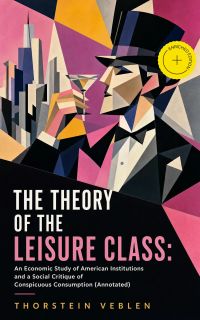
THE THEORY OF THE LEISURE CLASS: An Economic Study of American Institutions and a Social Critique of Conspicuous Consumption (Annotated)Thorstein Veblen12h 58m4.4 (1K)$0.99 · $0.00
Darwin’s House of CardsTom Bethell8h 57m4.3 (341)$20 · $0.00
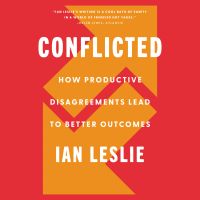
ConflictedIan Leslie7h 52m4.1 (1.4K)$26 · $0.00
Split the PieBarry Nalebuff8h 43m4.1 (598)$26 · $0.00

Aesthetic IntelligencePauline Brown6h 57m4.0 (1.2K)$24 · $0.00

I'm Expected to Deliver Results, but Nobody Added People, Budget, or a Miracle - How to Negotiate Scope, Resources, and Deadlines When Expectations Grow Faster Than Your Team's Capacity, Without Saving the Project by Working Through the NightMax Paradox6h 28m$7.70 · $0.00

I Have a Credit Card and Treat Its Limit Like a Second Paycheck - How to Use Credit Wisely, Keep Track of Due Dates and Costs, and Stop Mistaking Available Credit for My Own MoneyMax Paradox6h 23m$7.70 · $0.00

I Have ADHD and All My Systems Work for Three Days - How to Build Simpler Ways to Plan, Start, and Finish Tasks When a New Planner Stops Being Exciting on ThursdayMax Paradox6h 29m$7.70 · $0.00

The Phantom PublicWalter Lippmann3h 19m3.9 (398)$3
The Seven Tensions of NegotiationCash Nickerson5h 35m4.4 (18)$20

How to Invest in Stocks for BeginnersJoylar B. James8h 32m$10

The Art of Making Better Decisions. How to Develop More Determination Even in Complex SituationsJohanna Dahm58m$11 · $0.00

Retirement Planning: Understanding Financial Independence in Retirement (Simple Guide to Help You Take Control and Be More Optimistic About the Future)Robert Dunham3h 21m$3.50 · $0.00

20 Top Tips (Telephone Sales Tips)David Salmon38m$3 · $0.00

The Influential WriterMade for Success28m$5

Please Don't InterruptSteve Pavlina10m4.0 (1)$3 · $0.00

The Domain Of InfluenceSara Melo1h 56m$1.80 · $0.00

No One Knows What “Good Work” Looks Like Right Now - How to Clarify Goals, Success Criteria, and Responsibilities When the Company Changes Strategy Faster Than the Slides in a PresentationMax Paradox6h 41m$7.70 · $0.00
My House Is Always a Mess - How to Get Organized Without Becoming a Minimalist MonkMax Paradox8h 27m$7.80 · $0.00