

My Company Is Offering Me Shares, and All I Wanted Was a Paycheck - How to Compare Compensation Components, Understand Vesting Conditions and Concentration Risk, and Prepare Questions for Advisors Without Mistaking a Presentation Valuation for Money
De Max Paradox


Duração6h 21m
Sobre este audiolivro
Your company says your compensation package could make you wealthy. Your bank account would like to know when.
You asked for a raise. Your employer offered company shares, stock options, or restricted stock units. The presentation features impressive numbers, exciting growth projections, and enthusiastic promises about sharing in the company's future success.
There's just one tiny complication: your bills expect actual money, not a beautifully designed valuation chart.
Welcome to the confusing, occasionally ridiculous world of equity compensation.
In My Company Is Offering Me Shares, and All I Wanted Was a Paycheck, Max Paradox explains how employee equity programs really work, why attractive compensation packages can be difficult to compare, and how to make informed financial decisions without pretending to predict the stock market.
With practical examples, clear explanations, and sharp observational humor, this book helps you understand the difference between a valuable opportunity and money you can actually spend.
Inside, you'll discover how to:
Understand employee shares, RSUs, stock options, phantom equity, and vesting conditions without getting lost in corporate terminology.
Compare job offers involving base salary, performance bonuses, signing payments, and equity awards.
Recognize why a company's billion-dollar valuation doesn't automatically make its employees millionaires.
Identify concentration risk when your paycheck, bonuses, career, and investments depend on the same employer.
Understand important deadlines, exercise conditions, liquidity restrictions, and potential tax complications.
Negotiate compensation when your employer offers stock instead of the salary increase you requested.
Prepare focused questions for tax advisers, lawyers, and investment professionals.
Evaluate whether to hold, sell, or partially sell company shares when they become available.
Navigate acquisitions, declining share prices, administrative errors, and other unexpected complications.
Develop a manageable approach to reviewing your equity compensation without obsessively watching market prices.
You'll also learn why optimistic financial projections can influence your judgment, how future equity awards can quietly become imaginary household income, and why declining an attractive-looking program can sometimes be a perfectly reasonable decision.
The book doesn't promise guaranteed profits, secret investment strategies, or a magical formula for calculating your employer's future share price.
Instead, it offers something considerably more useful: a practical way to distinguish confirmed compensation from conditional benefits, evaluate the risks that matter to your circumstances, and ask better questions before making important commitments.
Whether you're considering a new job, negotiating a promotion, participating in your first employee equity program, or wondering what to do with shares you already own, this guide will help you approach the subject with greater clarity.
Written for employees, managers, specialists, and anyone whose compensation includes more abbreviations than actual paydays, it makes a complicated financial topic approachable without pretending that every answer is simple.
Because company shares can be a fantastic benefit.
But a promising valuation on a presentation slide is not the same thing as money in your bank account.
And understanding that difference might be one of the most valuable decisions you make about your career.
This publication was prepared using tools that support the creative process, including artificial intelligence solutions. The final concept, structure and editing are the responsibility of the author.
Detalhes do audiolivro
GêneroBusiness and Economics, Self-Help
Duração6 h 21 min
Narrado porOuça com mais de 1.000 vozes
FormatoeBook com áudio
Data de publicação9 de nov. de 2026
IdiomaInglês
Sumário
1INTRO
2Chapter 1 - The Headline Number Has a Publicist: Why Total Compensation Is Not a Paycheck
3Chapter 2 - Congratulations, You Own Something! Now Let's Find Out What
4Chapter 3 - The Company Is Worth a Billion Dollars, So Where Is My Money?
5Chapter 4 - Your Employer Pays Your Salary and Owns Your Portfolio: The Concentration Trap
Mostrar todos os capítulosVer menos
6Chapter 5 - The Most Expensive Date You Forgot: Vesting, Deadlines, and the Calendar That Controls Your Equity
7Chapter 6 - Congratulations on Your Bonus. Now Where Will the Tax Money Come From?
8Chapter 7 - The Presentation Promises a Fortune, but the Agreement Has Other Ideas
9Chapter 8 - The Stock Will Definitely Go Up: How Optimism Negotiates Against You
10Chapter 9 - The Spreadsheet That Tells the Truth: Comparing Job Offers Without Inventing Money
11Chapter 10 - I Asked for a Raise, Not a Lottery Ticket: Negotiating Cash and Equity Like a Grown-Up
12Chapter 11 - Your Adviser Is Not a Fortune-Teller: How to Ask Questions Worth the Consultation Fee
13Chapter 12 - Sell, Hold, or Wait for a Miracle: What to Do When the Shares Are Finally Yours
14Chapter 13 - The Company Has Been Acquired. Congratulations! Now What Happens to Your Shares?
15Chapter 14 - Rich on Your Screen, Broke at Checkout: Stop Spending Tomorrow's Shares Today
16Chapter 15 - The Stock Is Falling, the Company Is Cutting Jobs, and Your Retirement Plan Has Gone Quiet
17Chapter 16 - Your Equity Account Says Zero: Fixing Errors Without Losing Your Mind or Your Shares
18Chapter 17 - Thanks for the Shares, but Can I Say No? When Equity Compensation Doesn't Fit Your Life
19Chapter 18 - An Annual Checkup for Your Equity: Staying in Control Without Watching the Stock Market for a Living
20Chapter 19 - The Warning Lights Nobody Hears: How to Recognize When You're Believing the Equity Story Again
21Chapter 20 - Salary, Shares, and Peace of Mind: Making Your Own Decisions Without Asking the Chart for Permission

Firma proponuje mi akcje, a ja chciałem po prostu pensję - Jak porównywać składniki wynagrodzenia, rozumieć warunki nabywania uprawnień i ryzyko koncentracji oraz przygotować pytania do doradców bez uznawania wyceny na prezentacji za pieniądze na konMax Paradox6h 9min$5.10

I Live Alone and Nobody Knows Whom to Contact If I Get Sick - How to Build a Support Plan for Illness, Arrange Contacts and Access to Important Information, and Prepare Practical Help Before the First CrisisMax Paradox6h 46min$5.10

Chcę się uczyć po pięćdziesiątce, a system widzi tylko studentów - Jak wybierać dostępne formy kształcenia dorosłych, sprawdzać warunki udziału i planować naukę z własnym rytmem życia bez kupowania kolejnego kursu dla dwudziestoletniej wersji siebieMax Paradox6h 9min$5.10

Jedno z nas ma niepełnosprawność, a formularze widzą tylko opiekuna - Jak organizować wspólne życie, rozmowy z instytucjami i potrzebne wsparcie z poszanowaniem sprawczości obojga partnerów bez sprowadzania związku do funkcji opiekuńczejMax Paradox6h 15min$5.10

I Want to Learn After Fifty, but the System Only Sees Students - How to Choose Available Adult Education Options, Check Eligibility Requirements, and Plan Learning Around Your Own Pace of Life Without Buying Another Course Designed for Your Twenty-YeMax Paradox6h 41min$5.10

I Have a Degree from Another Country, and Here I’m Back to “Please Bring Your Documents” - How to Prepare Your Documents, Find the Right Path to Recognition of Qualifications, and Plan Your Entry into the Profession with Support from the Right InstitMax Paradox6h 37min$5.10

Nie mam jednego pracodawcy, tylko siedmiu małych - Jak uzgadniać dostępność, terminy i granice zobowiązań przy kilku równoległych źródłach pracy oraz porządkować współpracę bez obiecywania każdemu pełnego etatuMax Paradox6h 2min$5.10

I Work Abroad, Live in Poland, and My Paperwork Is Everywhere - How to Organize Your Cross-Border Calendar, Documents, and Specialist Contacts, and Keep Everyday Services Running Without Assuming Two Countries Automatically Share EverythingMax Paradox6h 49min$5.10

I Can't Work from Home in My Line of Work, and I Want Flexibility Too - How to Prepare for Conversations About Schedules, Shift Swaps, and Predictable Working Hours in a Job That Requires You to Be There, and Find Realistic Solutions Without PretendiMax Paradox7h 5min$5.10

W moim zawodzie nie da się pracować z domu i też chcę elastyczności - Jak przygotować rozmowy o grafiku, zamianach i przewidywalności czasu pracy w zawodzie wymagającym obecności oraz szukać realnych rozwiązań bez udawania, że każda elastyczność oznaMax Paradox6h 17min$5.10

My Partner Got Sick, and I Became the Entire Life Admin Department - How to Organize Responsibilities and Support After Your Partner's Serious Illness, Talk About Changing Roles, and Preserve Your Partnership Beyond CaregivingMax Paradox7h 2min$5.10

Zostałem związkowcem i nie chcę tylko rozdawać ulotek - Jak porządkować potrzeby reprezentowanych osób, przygotowywać rzeczowe rozmowy i współpracować z doświadczonym wsparciem bez obiecywania, że każdą sprawę rozwiąże jedna głośna interwencjaMax Paradox6h 29min$5.10

Zgłosiłem nieprawidłowość i nagle to ja mam problem - Jak porządkować dokumentację, chronić poufność i dobierać niezależną pomoc po zgłoszeniu nieprawidłowości w organizacji bez samotnego prowadzenia całego postępowaniaMax Paradox6h 17min$5.10

I Joined the Union, and I Don't Want to Just Hand Out Leaflets - How to Organize the Needs of the People You Represent, Prepare Fact-Based Conversations, and Work with Experienced Support Without Promising That One Loud Intervention Will Solve EveryMax Paradox6h 57min$5.10

Pracuję za granicą, żyję w Polsce, dokumenty żyją wszędzie - Jak uporządkować kalendarz spraw transgranicznych, dokumenty i właściwe kontakty do specjalistów oraz planować ciągłość codziennych usług bez zakładania, że dwa kraje automatycznie wymieniaMax Paradox6h 7min$5.10

Pracuję na zmiany, a moja rodzina żyje w innej strefie czasowej - Jak planować domowe obowiązki, kontakty i regenerację wokół zmiennego grafiku oraz uzgadniać potrzebne warunki pracy bez porównywania własnego tygodnia z etatem od dziewiątej do siedemMax Paradox6h 13min$5.10

One of Us Has a Disability, but the Forms Only See a Caregiver - How to Organize Life Together, Communicate with Institutions, and Get the Support We Need While Respecting Both Partners' Agency Without Reducing the Relationship to CaregivingMax Paradox6h 47min$5.10

Mam dyplom z innego kraju, a tutaj zaczynam od „Proszę przynieść” - Jak przygotować dokumenty, rozpoznać właściwą ścieżkę uznawania kwalifikacji i zaplanować etapy wejścia do zawodu ze wsparciem odpowiednich instytucji bez wysyłania tego samego komplMax Paradox6h 10min$5.10

I Reported an Irregularity and Suddenly I'm the Problem - How to Organize Documentation, Protect Confidentiality, and Choose Independent Help After Reporting Irregularities in an Organization Without Having to Handle the Entire Investigation AloneMax Paradox6h 51min$5.10

Never Split the DifferenceChris Voss, Tahl Raz8h 7min4.4 (277.7K)$26 · $0.00

The Intelligent Investor Rev Ed.Benjamin Graham17h 48min4.3 (191.5K)$40 · $0.00

The Hard Thing About Hard ThingsBen Horowitz7h 57min4.2 (134.3K)$26 · $0.00

Boundaries for LeadersHenry Cloud7h 36min4.3 (3.6K)$26 · $0.00

BuildTony Fadell11h 5min4.5 (14.3K)$8 · $0.00

The Joys Of CompoundingGautam Baid17h 34min4.5 (2.5K)$18 · $0.00
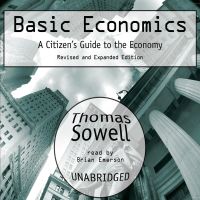
Basic EconomicsThomas Sowell18h 32min4.5 (29.3K)$28 · $0.00

The Ambuja StoryNarotam Sekhsaria13h 59min4.5 (830)$33 · $0.00

The Secret Door to SuccessFlorence Scovel Shinn2h 25min4.5 (2.1K)$1.20 · $0.00

This Is Going to HurtAdam Kay5h 47min4.4 (444.7K)$24 · $0.00

Big TrustShadé Zahrai, Fayçal Sekkouah8h 36min4.6 (406)$26 · $0.00

The Intelligent Investor Third EditionBenjamin Graham, Jason Zweig20h4.4 (156.6K)$46 · $0.00

Bottle of LiesKatherine Eban14h 25min4.4 (12K)$33 · $0.00

The Antiracist Business BookTrudi Lebrón6h 10min4.6 (275)$17 · $0.00

The FormulaJoshua Robinson, Jonathan Clegg10h 41min4.4 (6.9K)$29 · $0.00

Let Them LeadJohn U. Bacon7h 10min4.5 (1.4K)$24 · $0.00

Secrets of the Millionaire MindT. Harv Eker5h 11min4.4 (301.4K)$24 · $0.00

The Person You Mean to BeDolly Chugh9h 6min4.4 (7.2K)$29 · $0.00

BoundlessNick Kostov, Sean McLain9h 17min4.5 (1.1K)$29 · $0.00

Everyday DharmaSuneel Gupta5h 2min4.5 (761)$20 · $0.00

Learning to PrayJames Martin13h 24min4.5 (3.4K)$33 · $0.00

Forever BoyKate Swenson9h 27min4.7 (5K)$29 · $0.00

You Are Worth ItKyle Carpenter, Don Yaeger8h 53min4.7 (4.8K)$29 · $0.00

The Happiest Man on EarthEddie Jaku3h 48min4.6 (178K)$7 · $0.00

Finding MeViola Davis9h 15min4.6 (256.4K)$29 · $0.00

Spiritual AnatomyDaaji Kamlesh D. Patel9h 47min4.7 (319)$29 · $0.00

The Dangerous Truth about Today’s MarijuanaLaura Stack CSP, MBA9h 57min4.7 (385)$20 · $0.00

The Gospel according to Spiritualism (Translated)Allan Kardec14h 39min4.6 (3.9K)$5.70 · $0.00

Birdie & HarlowTaylor Wolfe7h 50min4.6 (6.5K)$26 · $0.00

CrossroadsKaleb Dahlgren7h 56min4.6 (4.9K)$26 · $0.00

Life on the BridgeKaelynn Partlow5h 40min4.6 (1.1K)$24 · $0.00

Keep Your Love OnDanny Silk9h 4min4.6 (8.1K)$10 · $0.00

The Tao of Joy Every DayDerek Lin10h 24min4.6 (762)$20 · $0.00

UndividedVicky Beeching9h 2min4.6 (1.3K)$29 · $0.00

HE CAN WHO THINKS HE CAN & OTHER BOOKS ON SUCCESSOrison Swett Marden5h 54min4.6 (1.2K)$0.99 · $0.00
Level UpRob Dial7h 42min4.6 (3.3K)$26 · $0.00

Burn the HaystackJennie Young, PhD9h 30min4.6 (543)$29 · $0.00

ACRES OF DIAMONDS: Our Every-day Opportunities (Wisdom & Empowerment Series) (Annotated)Russell Conwell2h 26min4.6 (1K)$2 · $0.00

Good InsideBecky Kennedy9h 55min4.5 (59.3K)$29 · $0.00

The Lost VoiceGreta Morgan8h 30min4.7 (285)$26 · $0.00
Você também pode gostar

Magic WordsJonah Berger6h 54min3.9 (2.6K)$24 · $0.00
BuildTony Fadell11h 5min4.5 (14.3K)$8 · $0.00

Impact PlayersLiz Wiseman10h 49min4.1 (4K)$29 · $0.00
No Fears, No ExcusesLarry Smith7h 32min4.2 (726)$26 · $0.00

THE PRINCIPLES OF PSYCHOLOGY (Complete Edition In 2 Volumes)William James63h 34min4.3 (5K)$0.99 · $0.00

How to Set BoundariesMax Paradox6h 29min4.2 (553)$5.10

The Art of FictionHenry James2h 17min3.8 (1.5K)$2.30 · $0.00

How to Analyze People on Sight - Through the Science of Human Analysis: The Five Human Types (Annotated)Ralph Paine Benedict, Elsie Lincoln Benedict7h 28min3.6 (4.1K)$1.99 · $0.00

I Have Four Generations on My Team and Four Definitions of “Normal Work” - How to Bridge Different Expectations About Communication, Feedback, Working Hours, and Careers Without Putting Anyone’s Age on TrialMax Paradox6h 43min$5.10

Every New Gadget Was Supposed to Make Life Easier. Now It Needs Its Own App - How to Stop Buying Tech Just for the Promise of “Convenience,” Choose Devices That Actually Simplify Life, and Stop Running a Zoo of ChargersMax Paradox6h 22min$5.10

Language: An Introduction to the Study of Speech (Annotated)Edward Sapir10h 43min4.0 (538)$1.99 · $0.00

A Commentary to Kant's 'Critique of Pure Reason' (Annotated)Norman Kemp Smith24h 49min4.2 (54)$1.99 · $0.00

I Do Good Work, But Nobody Sees It - How to Make Your Work Visible, Communicate Results, and Look After Your Career Without Turning Into a Walking Presentation of Your AchievementsMax Paradox4h 52min$5.10
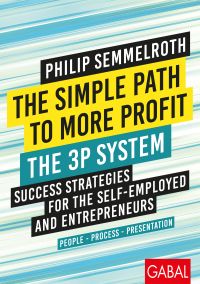
The Simple Path to More Profit: The 3P SystemPhilip Semmelroth59min4.8 (20)$0.00 · $0.00

I Can't Afford an Instagram Life - How to Stop Funding Other People's Standards with Your Own Credit CardMax Paradox7h 2min$5.10
Fewer MovesBrennan Renvik9h 47min$16 · $0.00

I Have a Day Job, but the Internet Says I Need Three More Businesses - How to Stop Feeling Like a Failure Without a Side HustleMax Paradox8h$5.10

Foreign Otherness in Japanese MediaBetsy Forero Montoya10h 6min$7 · $0.00

Every App Wants $9.99 a Month - How to Stop the Financial Bleeding from Tiny SubscriptionsMax Paradox6h 22min$5.10

I Have a Younger Boss and My Ego Is Updating Its Operating System - How to Work Well with a Younger Manager, Separate Competence from Age, and Stop Turning Every Instruction into a Test of Your Self-WorthMax Paradox6h 34min$5.10