

I Bought the Cheapest. Now I’m Paying Twice - How to Make Smarter Buying Decisions, Assess Quality and the Total Cost of Things Without Overpaying or Buying Everything Twice
By Max Paradox


Length4h 26m
About this audiobook
You bought the cheaper one.
Excellent. Money saved.
Until it broke, needed a special refill, became irritating to use, required three accessories nobody mentioned, or quietly convinced you to buy the better version six months later.
I Bought the Cheapest. Now I’m Paying Twice is a practical guide for anyone who wants to make smarter buying decisions without turning every toaster, backpack, appliance, or pair of shoes into a six-week research project.
Max Paradox looks beyond the number on the price tag and asks the questions that actually decide whether something is cheap, expensive, durable, useful, or simply very good at looking convincing on a product page. You will learn how to think about total ownership cost, identify the parts of a product that matter most, separate real quality from brand prestige, recognize when a discount is creating a need instead of improving a purchase, and decide when paying more genuinely makes sense.
The book also tackles the other expensive mistake: assuming that “buy quality” means automatically buying the premium version. Sometimes the middle option is the smartest one. Sometimes used or refurbished is better value than new. Sometimes repair beats replacement. Sometimes the cheapest product is exactly right. And sometimes the finest buying decision available is to close the browser and keep your money.
You will learn how to define what you actually need before product research rewrites your priorities, compare a few sensible finalists instead of the entire internet, test real-life usability, evaluate service and repairability, calculate realistic cost per use, and recognize hidden ecosystem costs such as consumables, accessories, subscriptions, proprietary parts, and future upgrades.
There is also room for normal life. Budgets do not always cooperate. People get tired, rushed, tempted by sales, seduced by premium features, influenced by enthusiastic friends, and occasionally buy something because it looks fantastic and they simply want it. The goal is not to become a perfectly rational purchasing machine that calculates the economic return of a coffee mug. The goal is to know what you are paying for and whether the difference matters to you.
With practical methods, everyday examples, dry humor, and zero interest in pretending there is one perfect answer for every purchase, this book helps you spend more deliberately, research less chaotically, and reduce the number of times you hear yourself say, “Fine. I’ll buy the proper one this time.”
Because the cheapest option is not always cheap.
And the expensive one is not automatically better.
This publication was prepared using tools that support the creative process, including artificial intelligence solutions. The final concept, structure and editing are the responsibility of the author.
Audiobook details
GenreBusiness and Economics, Self-Help
Length4 hrs 26 mins
Narrated byListen with 1,000+ voices
FormateBook with Audio
Publish dateOct 17, 2026
LanguageEnglish
Table of contents
1INTRO
2Chapter 1 - Price Is Not Cost
3Chapter 2 - Quality Does Not Live in the Logo
4Chapter 3 - A Discount Is Not an Argument
5Chapter 4 - The Best Can Be Too Good
Mostrar todos os capítulosVer menos
6Chapter 5 - Rush Makes You Pay More
7Chapter 6 - Cheap Product, Expensive Ecosystem
8Chapter 7 - Someone Else’s Best Choice Can Be Your Worst One
9Chapter 8 - New Is Not Always the Smarter Choice
10Chapter 9 - Write Down What You Are Actually Looking For
11Chapter 10 - Compare Finalists, Not the Entire Internet
12Chapter 11 - Test It Before You Get Attached
13Chapter 12 - The Warranty Starts After the Excitement
14Chapter 13 - What Does One Use Really Cost?
15Chapter 14 - Repair, Replace, or Leave It Alone?
16Chapter 15 - When the Budget Refuses to Cooperate
17Chapter 16 - Not Every Bad Decision Needs a Second Purchase
18Chapter 17 - Not Everything Worth Buying Fits in a Spreadsheet
19Chapter 18 - Catch the Old Habit Before Checkout
20Chapter 19 - A Good Product Tells You What Is Wrong
21Chapter 20 - You Buy a Model, But You Receive a Unit

Mam Dorosłe Rodzeństwo i Wciąż Kłócimy Się Jak w 2004 - Jak ułożyć relację z dorosłym bratem lub siostrą, rozmawiać o rodzinie i dawnych pretensjach oraz przestać wracać do ról z dzieciństwa przy każdym spotkaniuMax Paradox4h 47m$7.70 · $0.00

Poranek z Dziećmi Powinien Być Dyscypliną Olimpijską - Jak uprościć rodzinne poranki, wyjść z domu na czas i ograniczyć liczbę kryzysów wywołanych skarpetką, śniadaniem i zaginionym plecakiemMax Paradox5h 1m$7.70 · $0.00

My Child Doesn't Want to Do Homework. Neither Do I - How to Build a Calmer Study Routine, Cut Down on Daily Negotiations, and Help Your Child Without Doing School for ThemMax Paradox4h 52m$7.70 · $0.00

Każde Ubezpieczenie Brzmi Jak Instrukcja do Reaktora - Jak rozumieć najważniejsze pojęcia, porównywać zakres ochrony i pilnować terminów bez czytania trzydziestu stron drobnego druku z lupąMax Paradox4h 22m$7.70 · $0.00

Kiedyś Rozmawialiśmy. Teraz Wysyłamy Sobie Rolki - Jak odzyskać uwagę i bliskość w związku, kiedy telefony są zawsze pod ręką, a najdłuższa rozmowa dnia ma trzy emojiMax Paradox4h 51m$7.70 · $0.00

I Bought an Apartment and Now Everything Is My Problem - How to Handle the Basics of Apartment Ownership, Bills, Inspections, Repairs, and Paperwork Without Learning Every Important Thing Only After Something BreaksMax Paradox5h 1m$7.70 · $0.00

I Bought It on an Installment Plan. Now I Have Seventeen Tiny Payments - How to Regain Control of Buy Now, Pay Later, Installment Plans, and Small Financial Commitments Before “It’s Only 49 zł a Month” Turns Into a Second Rent PaymentMax Paradox4h 37m$7.70 · $0.00
Everything Is Urgent, So I Do Nothing - How to Set Priorities, Tell What's Important from What's Loud, and End the Day Without Feeling Like You Spent All Day Putting Out Other People's FiresMax Paradox4h 53m$7.70 · $0.00

Moje Dziecko Nie Chce Odrabiać Lekcji. Ja Też Nie - Jak zbudować spokojniejszą rutynę nauki, ograniczyć codzienne negocjacje i pomagać dziecku bez odrabiania szkoły za nieMax Paradox4h 34m$7.70 · $0.00

Every Insurance Policy Sounds Like a Reactor Manual - How to Understand the Key Terms, Compare Coverage, and Keep Track of Deadlines Without Reading Thirty Pages of Fine Print with a Magnifying GlassMax Paradox4h 53m$7.70 · $0.00

Mornings with Kids Should Be an Olympic Sport - How to Simplify Family Mornings, Get Out the Door on Time, and Reduce the Number of Meltdowns Caused by a Sock, Breakfast, and a Missing BackpackMax Paradox5h 13m$7.70 · $0.00

I Bought a Plant and Now I'm Responsible for Someone's Life - How Not to Kill Your Houseplants with Too Much Love, Too Little Water, and Moving the Pot Every Three Days Because “It Probably Gets Better Light Here”Max Paradox4h 31m$7.70 · $0.00

Kupiłem Mieszkanie i Teraz Wszystko Jest Moim Problemem - Jak ogarnąć podstawy posiadania mieszkania, opłaty, przeglądy, naprawy i dokumenty bez odkrywania każdej ważnej rzeczy dopiero po awariiMax Paradox4h 50m$7.70 · $0.00

Kupiłem Roślinę i Teraz Odpowiadam za Czyjeś Życie - Jak nie zabić domowej zieleni nadmiarem miłości, brakiem wody i przenoszeniem doniczki co trzy dni, bo „tu chyba ma lepsze światło”Max Paradox4h 28m$7.70 · $0.00

Kochamy Się, Ale Nie Mamy o Czym Rozmawiać - Jak odbudować ciekawość sobą, wrócić do prawdziwych rozmów i przestać ograniczać komunikację do „co kupić?” oraz „o której wrócisz?”Max Paradox4h 25m$7.70 · $0.00

The Renovation Was Supposed to Take Two Weeks, and Now I Live at Castorama - How to Plan a Renovation, Keep the Budget and Contractors Under Control, and Not Lose Your Patience While Choosing the Twentieth Shade of WhiteMax Paradox8h 10m$7.70 · $0.00

The Suitcase Won’t Close, and I’m Still Packing “Just in Case” - How to Pack Faster, Take What You Actually Need, and Stop Hauling Half Your Home on a Three-Day TripMax Paradox6h 31m$7.70 · $0.00

Rodzinne Spotkanie Znowu Zamieniło Się w Przesłuchanie - Jak stawiać granice rodzinie, odpowiadać na niewygodne pytania i przeżyć święta bez trzydniowego dochodzenia do siebieMax Paradox5h 54m$7.70 · $0.00

The Washing Machine Has Seventeen Programs, and I Use One - How to Wash, Dry, and Care for Clothes Without Shrinking Sweaters, Dyeing Whites, or Studying Care Labels Like Ancient HieroglyphsMax Paradox6h 18m$7.70 · $0.00
Never Split the DifferenceChris Voss, Tahl Raz8h 7m4.4 (277.7K)$26 · $0.00
The Intelligent Investor Rev Ed.Benjamin Graham17h 48m4.3 (191.5K)$40 · $0.00
The Hard Thing About Hard ThingsBen Horowitz7h 57m4.2 (134.3K)$26 · $0.00
Boundaries for LeadersHenry Cloud7h 36m4.3 (3.6K)$26 · $0.00

Progress and Poverty, Volumes I and II (Annotated)Henry George19h 21m4.6 (574)$0.99 · $0.00

Not Everything Counts but Everything Matters: The powerful and inspirational new book about leadership and achieving success from the visionary multi-premiership winning Panthers coachIvan Cleary6h 1m4.6 (680)$24 · $0.00
BuildTony Fadell11h 5m4.5 (14.3K)$8 · $0.00
The Joys Of CompoundingGautam Baid17h 34m4.5 (2.5K)$18 · $0.00
Basic EconomicsThomas Sowell18h 32m4.5 (29.3K)$28 · $0.00

Poor Charlie’s AlmanackGrover Gardener, Charles T. Munger13h 9m4.5 (24.7K)$18 · $0.00

The Ambuja StoryNarotam Sekhsaria13h 59m4.5 (830)$33 · $0.00

The Secret Door to SuccessFlorence Scovel Shinn2h 25m4.5 (2.1K)$1.20 · $0.00

This Is Going to HurtAdam Kay5h 47m4.4 (444.7K)$24 · $0.00

Big TrustShadé Zahrai, Fayçal Sekkouah8h 36m4.6 (406)$26 · $0.00
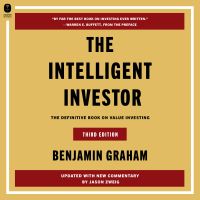
The Intelligent Investor Third EditionBenjamin Graham, Jason Zweig20h4.4 (156.6K)$46 · $0.00

Bottle of LiesKatherine Eban14h 25m4.4 (12K)$33 · $0.00

The Antiracist Business BookTrudi Lebrón6h 10m4.6 (275)$17 · $0.00
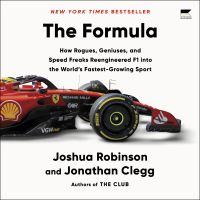
The FormulaJoshua Robinson, Jonathan Clegg10h 41m4.4 (6.9K)$29 · $0.00
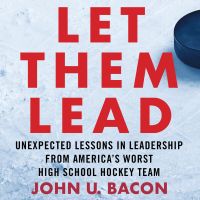
Let Them LeadJohn U. Bacon7h 10m4.5 (1.4K)$24 · $0.00

Secrets of the Millionaire MindT. Harv Eker5h 11m4.4 (301.4K)$24 · $0.00
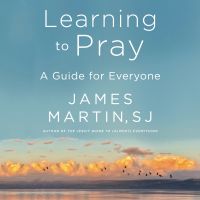
Learning to PrayJames Martin13h 24m4.5 (3.4K)$33 · $0.00

The StepsSylvester Stallone9h 4m4.8 (635)$29 · $0.00

Swayam Ki AwaazPrem Rawat8h 34m4.7 (1.1K)$26 · $0.00

Forever BoyKate Swenson9h 27m4.7 (5K)$29 · $0.00

You Are Worth ItKyle Carpenter, Don Yaeger8h 53m4.7 (4.8K)$29 · $0.00

The Happiest Man on EarthEddie Jaku3h 48m4.6 (178K)$7 · $0.00

Finding MeViola Davis9h 15m4.6 (256.4K)$29 · $0.00

Spiritual AnatomyDaaji Kamlesh D. Patel9h 47m4.7 (319)$29 · $0.00

The Dangerous Truth about Today’s MarijuanaLaura Stack CSP, MBA9h 57m4.7 (385)$20 · $0.00
The Gospel according to Spiritualism (Translated)Allan Kardec14h 39m4.6 (3.9K)$5.70 · $0.00

Birdie & HarlowTaylor Wolfe7h 50m4.6 (6.5K)$26 · $0.00

CrossroadsKaleb Dahlgren7h 56m4.6 (4.9K)$26 · $0.00

Life on the BridgeKaelynn Partlow5h 40m4.6 (1.1K)$24 · $0.00

Keep Your Love OnDanny Silk9h 4m4.6 (8.1K)$10 · $0.00

The Tao of Joy Every DayDerek Lin10h 24m4.6 (762)$20 · $0.00
UndividedVicky Beeching9h 2m4.6 (1.3K)$29 · $0.00

HE CAN WHO THINKS HE CAN & OTHER BOOKS ON SUCCESSOrison Swett Marden5h 54m4.6 (1.2K)$1.99 · $0.00
Level UpRob Dial7h 42m4.6 (3.3K)$26 · $0.00

Burn the HaystackJennie Young, PhD9h 30m4.6 (543)$29 · $0.00

ACRES OF DIAMONDS: Our Every-day Opportunities (Wisdom & Empowerment Series) (Annotated)Russell Conwell2h 26m4.6 (1K)$2 · $0.00
You may also like
The Joys Of CompoundingGautam Baid17h 34m4.5 (2.5K)$18 · $0.00

Maxims and ReflectionsJohann Wolfgang von Goethe3h 23m4.2 (1.4K)$2.30

Fundamental Principles of the Metaphysic of MoralsImmanuel Kant3h 21m4.0 (24.5K)$0.60 · $0.00

English TraitsRalph Waldo Emerson7h 2m3.8 (1K)$21 · $0.00

The CurtainMilan Kundera4h 40m4.0 (3.8K)$20 · $0.00

The Philosophy of Spiritual ActivityRudolf Steiner7h 34m4.3 (2.1K)$1.20 · $0.00

Hegel's Philosophy of MindGeorg Wilhelm Friedrich Hegel14h 28m4.0 (717)$1 · $0.00

Business BrandingAnthony Ekanem59m$4 · $0.00

The Art of Legal Tax AvoidanceKenneth C. Spears5h 37m$7.50 · $0.00

EVERY MAN HIS OWN UNIVERSITY – Success & Empowerment Collection (Annotated)Russell Conwell5h 54m4.2 (19)$2 · $0.00
Marketing for Dummies 2nd Ed.Alexander Hiam3h 6m3.8 (321)$18 · $0.00
Become a Better WriterCordelia asher11h 5m$7 · $0.00

Mental Evolution in Man: Origin of Human FacultyGeorge John Romanes19h 11m$2 · $0.00

Handbook of Summer Athletic SportsVarious3h 21m$1 · $0.00

Project Manager Technology SuiteDawn Jones, Sherry Prindle4h 25m$75

Science of Logic (Summarized Edition)Georg Wilhelm Friedrich Hegel3h 43m$2
Dramatic TechniqueGeorge Pierce Baker19h 53m4.5 (20)$2 · $0.00
The Pragmatic Philosophy of John Dewey – Premium Collection: 20+ Books in One Volume (Annotated)John Dewey88h 49m4.5 (17)$0.99 · $0.00

Woman as DecorationEmily Burbank4h 16m3.8 (69)$2 · $0.00
How to Rock It like a TED TalkCathey Armillas3h 46m3.6 (128)$80