
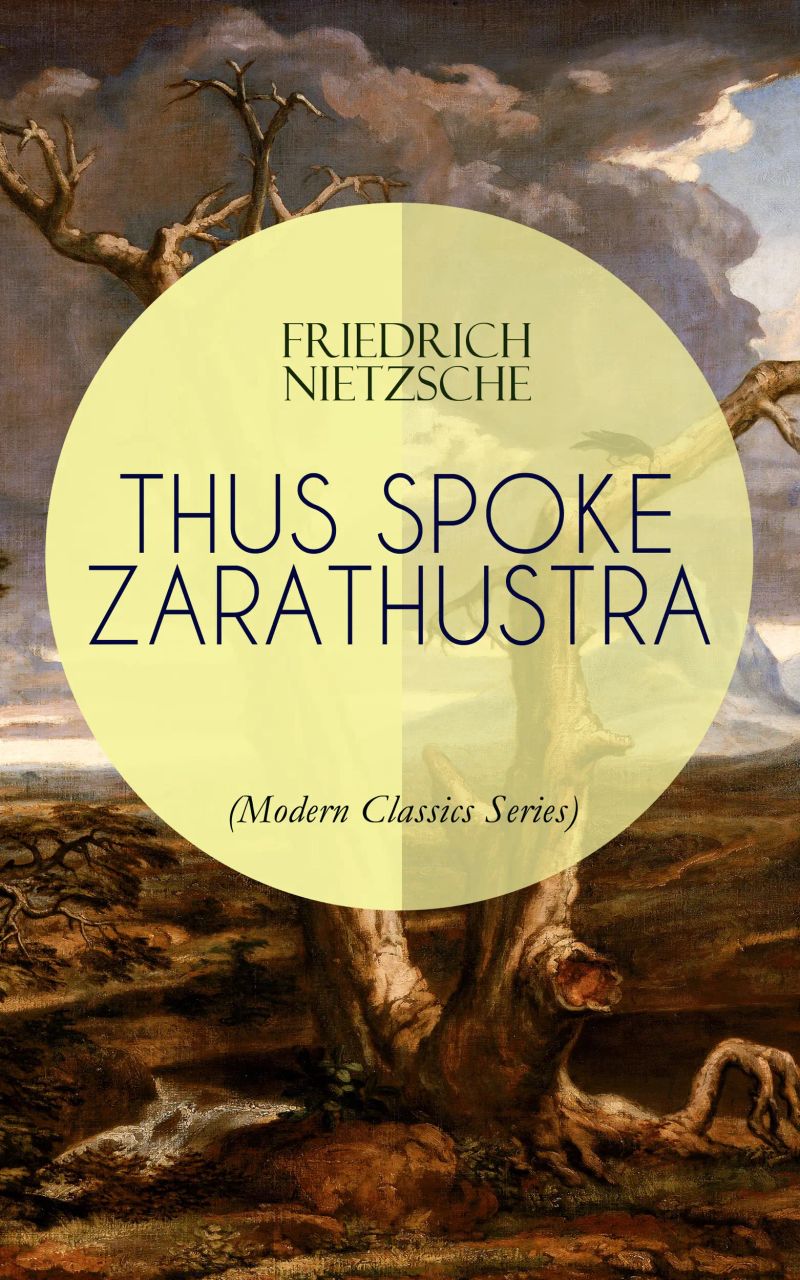
THUS SPOKE ZARATHUSTRA (Modern Classics Series)
On the Übermensch and Self-Overcoming: Existential Speeches, Provocative Ideas, and Revolutionary ThoughtBy Friedrich Nietzsche

Length13h 12m
About this audiobook
"you must be ready to burn yourself in your own flame; how could you rise anew if you have not first become ashes?"
Thus Spoke Zarathustra (subtitled as A Book for All and None) chronicles the fictitious travels and speeches of Zarathustra, the founder of Zoroastrianism. While Nietzsche injects myriad ideas into the book, a few recurring themes stand out. The overman (Übermensch), a self-mastered individual who has achieved his full power, is an almost omnipresent idea in Thus Spoke Zarathustra. Man as a race is merely a bridge between animals and the overman. Nietzsche also makes a point that the overman is not an end result for a person, but more the journey toward self-mastery.
Friedrich Nietzsche (1844–1900) was a German philosopher, poet, and Latin and Greek scholar whose work has exerted a profound influence on Western philosophy and modern intellectual history. Because of Nietzsche's evocative style and provocative ideas, his philosophy generates passionate reactions. His works remain controversial, due to varying interpretations and misinterpretations of his work. In the Western philosophy tradition, Nietzsche's writings have been described as the unique case of free revolutionary thought, that is, revolutionary in its structure and problems, although not tied to any revolutionary project.
Audiobook details
Rating★★★★ 4.2 (211.5K)
Includes Goodreads, LibraryThing, Amazon, StoryGraph
GenrePhilosophy
Length13 hrs 12 mins
Narrated byListen with 1,000+ voices
FormateBook with Audio
Publish dateApr 17, 2017
LanguageEnglish
Table of contents
1THUS SPOKE ZARATHUSTRA (Modern Classics Series)
26XXII. The Bestowing Virtue
2Introduction by Mrs Forster-Nietzsche
27Second Part.
3First Part. Zarathustra’s Discourses
28XXIII. The Child with the Mirror
4Zarathustra’s Prologue
29XXIV. In the Happy Isles
5I. The Three Metamorphoses
30XXV. The Pitiful
Show all chaptersShow less
6II. The Academic Chairs of Virtue
31XXVI. The Priests
7III. Backworldsmen
32XXVII. The Virtuous
8IV. The Despisers of the Body
33XXVIII. The Rabble
9V. Joys And Passions
34XXIX. The Tarantulas
10VI. The Pale Criminal
35XXX. The Famous Wise Ones
11VII. Reading and Writing
36XXXI. The Night-Song
12VIII. The Tree on the Hill
37XXXII. The Dance-Song
13IX. The Preachers of Death
38XXXIII. The Grave-Song
14X. War and Warriors
39XXXIV. Self-Surpassing
15XI. The New Idol
40XXXV. The Sublime Ones
16XII. The Flies in the Market-Place
41XXXVI. The Land of Culture
17XIII. Chastity
42XXXVII. Immaculate Perception
18XIV. The Friend
43XXXVIII. Scholars
19XV. The Thousand and One Goals
44XXXIX. Poets
20XVI. Neighbour-Love
45XL. Great Events
21XVII. The Way of the Creating One
46XLI. The Soothsayer
22XVIII. Old and Young Women
47XLII. Redemption
23XIX. The Bite of the Adder
48XLIII. Manly Prudence
24XX. Child and Marriage
49XLIV. The Stillest Hour
25XXI. Voluntary Death
50Third Part.

On the Future of Our Educational InstitutionsFriedrich Nietzsche4h 53m4.0 (3.1K)$12 · $0.00

Jenseits von Gut und BöseFriedrich Nietzsche7h 35m4.1 (139.5K)$10 · $0.00
Also sprach ZarathustraFriedrich Nietzsche10h 20m4.2 (239.2K)$24 · $0.00

Zur Genealogie der MoralFriedrich Nietzsche6h 10m4.3 (84.6K)$10 · $0.00
The Gay ScienceFriedrich Nietzsche11h 16m4.3 (25.7K)$1.99 · $0.00

EL ANTICRISTOFriedrich Nietzsche3h 17m4.1 (40.2K)$1.99 · $0.00
The Essential Works of Friedrich NietzscheFriedrich Nietzsche93h 31m4.4 (2K)$1.99 · $0.00
MorgenrötheFriedrich Nietzsche12h 8m4.3 (8.4K)$1 · $0.00
THUS SPOKE ZARATHUSTRA (Unabridged)Friedrich Nietzsche11h 38m4.1 (204.6K)$1.99 · $0.00
NIETZSCHE: Beyond Good and Evil, Thus Spoke Zarathustra and Hellenism & PessimismFriedrich Nietzsche27h 37m4.5 (18)$1.99 · $0.00

Sehnsucht nach ItalienFriedrich Nietzsche, Georg Trakl, J.W. Goethe, Rainer Maria Rilke, Stefan Zweig, Adolf Friedrich von Schack, Alfred de Musset, Alfred Henschke, Anastasius Grün, Franz Grillparzer, Francesco Petrarca2h 4m4.6 (11)$1 · $0.00
BEYOND GOOD AND EVIL (Unabridged)Friedrich Nietzsche8h 43m4.2 (139.5K)$1.99 · $0.00

Unzeitgemäße Betrachtungen (Kommentiert)Friedrich Nietzsche14h 13m4.4 (30)$2 · $0.00

El AnticristoFriedrich Nietzsche3h 15m4.1 (41.1K)$1.49 · $0.00

Le Gai SavoirFriedrich Nietzsche11h 4m4.3 (26.5K)$0.99 · $0.00

Sehnsucht nach Italien: Die 60 schönsten Italien-GedichteFriedrich Nietzsche, Georg Trakl, J.W. Goethe, Rainer Maria Rilke, Stefan Zweig, Adolf Friedrich von Schack, Alfred de Musset, Alfred Henschke, Anastasius Grün, Franz Grillparzer, Francesco Petrarca2h 2m$1 · $0.00

Ejercicios Resueltos De Sistemas DigitalesFriedrich Nietzsche5h 10m$15 · $0.00

Die Geburt der Tragödie (Kommentiert)Friedrich Nietzsche7h 20m4.4 (133)$1 · $0.00

Le Gai Savoir (Annoté)Friedrich Nietzsche12h 9m4.4 (136)$0.99 · $0.00
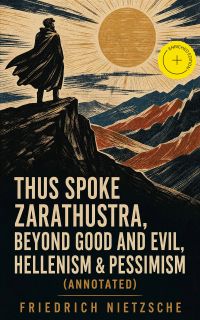
Thus Spoke Zarathustra, Beyond Good and Evil, Hellenism & Pessimism (Annotated)Friedrich Nietzsche27h 36m$2 · $0.00
Moral Letters to LuciliusLucius Annaeus Seneca24h 26m4.5 (71.7K)$0.99 · $0.00
Lessons in TruthH. Emilie Cady3h 50m4.5 (2.4K)$20 · $0.00
The Discourses of EpictetusP. E. MATHESOM12h 47m4.4 (17.7K)$1.20 · $0.00
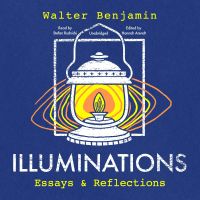
IlluminationsWalter Benjamin10h 12m4.4 (16.2K)$20 · $0.00
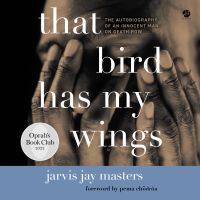
That Bird Has My WingsJarvis Jay Masters9h 49m4.4 (13.7K)$29 · $0.00

Tâo Teh KingLaozi2h 34m4.4 (230.9K)$2 · $0.00
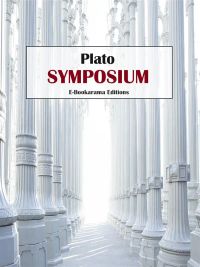
SymposiumPlato3h 26m4.4 (97.9K)$1.20 · $0.00

Buddhist Boot CampTimber Hawkeye2h 39m4.4 (8.4K)$18 · $0.00
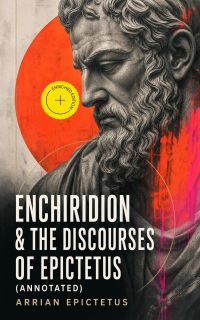
Enchiridion & The Discourses of Epictetus (Annotated)Arrian Epictetus18h 9m4.4 (3.5K)$2 · $0.00
The Meditations of the Emperor Marcus Aurelius AntoninusEmperor of Rome Marcus Aurelius5h 41m4.4 (1.8M)$1 · $0.00
Crime and PunishmentFyodor Dostoevsky23h 11m4.4 (1.3M)$12 · $0.00
MeditationsMarcus Aurelius5h 52m4.4 (433.7K)$1 · $0.00
Everyday DharmaSuneel Gupta5h 2m4.5 (761)$20 · $0.00
The Joyful Wisdom ("La Gaya Scienza")Friedrich Wilhelm Nietzsche11h 37m4.4 (26.6K)$1 · $0.00
The Art of LivingEpictetus, Sharon Lebell3h 16m4.4 (50.1K)$18 · $0.00
MeditationsEmperor Of Rome Marcus Aurelius7h 23m4.3 (477.5K)$1.20 · $0.00
The Imitation of ChristThomas à Kempis6h 27m4.3 (84.6K)$21 · $0.00

Sadhana: the realisation of lifeRabindranath Tagore3h 49m4.4 (8.6K)$6 · $0.00
SapiensYuval Noah Harari15h 18m4.3 (1.4M) · 1253$33 · $0.00
You BelongSebene Selassie8h 35m4.4 (2.7K)$26 · $0.00
You may also like
Thus Spake ZarathustraFriedrich Nietzsche13h 18m4.2 (209.1K)$5 · $0.00

The Poetry of Oscar WildeOscar Wilde5h 55m4.1 (1.3K)$2 · $0.00

Spiritual TorrentsJeanne Marie Bouvier de la Motte Guyon4h 5m4.4 (327)$2 · $0.00
The Essential Works of Friedrich NietzscheFriedrich Nietzsche93h 31m4.4 (2K)$1.99 · $0.00

The Notebooks of Malte Laurids BriggeRainer Maria Rilke7h 28m3.9 (12.4K)$17
The Birth of TragedyFriedrich Nietzsche6h 18m4.1 (26.6K)$1.99 · $0.00
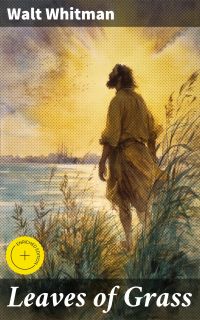
Leaves of GrassWalt Whitman14h 32m4.3 (136.6K)$2 · $0.00

De Profundis Oscar Wilde1h 44m4.3 (55.2K)Free

The Complete Poetry (Annotated)Oscar Wilde6h 44m4.5 (15.5K)$2 · $0.00
The Poetry of Oscar WildeOscar Wilde5h 59m4.1 (885)$1 · $0.00

The Banquet (Il Convito)Dante Alighieri10h 3m3.9 (549)$1 · $0.00
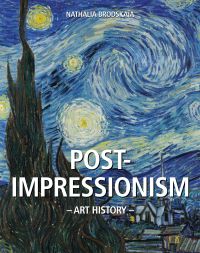
Discover the beauty of Post-ImpressionismNathalia Brodskaïa1h 20m$13 · $0.00
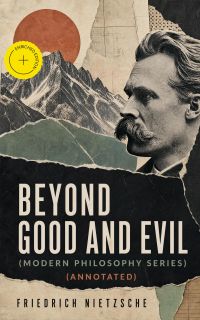
BEYOND GOOD AND EVIL (Modern Philosophy Series) (Annotated)Friedrich Nietzsche8h 39m$2 · $0.00

The Greatest WorksFriedrich Nietzsche91h 59m4.5 (134)$1 · $0.00

Writing the Nation: A Concise Introduction to American Literature 1865 to PresentAmy Berke, Robert Bleil, Jordan Cofer, Doug Davis39h 53m4.4 (11)$0.99 · $0.00

Thus Spoke Zarathustra (Summarized Edition)Friedrich Nietzsche3h 31m$2

Poems of Arthur Hugh CloughArthur Hugh Clough15h 48m4.1 (153)$2 · $0.00

Birds of Heaven, and Other StoriesVladimir Galaktionovich Korolenko3h 44m4.3 (16)$0.99 · $0.00

Eminent Authors of the Nineteenth Century: Literary PortraitsGeorg Brandes13h 54m$2 · $0.00
Nicolas Poussin. The Master of ColoursYouri Zolotov, Natalia Serebriannaïa3h 1m4.6 (11)$16 · $0.00