
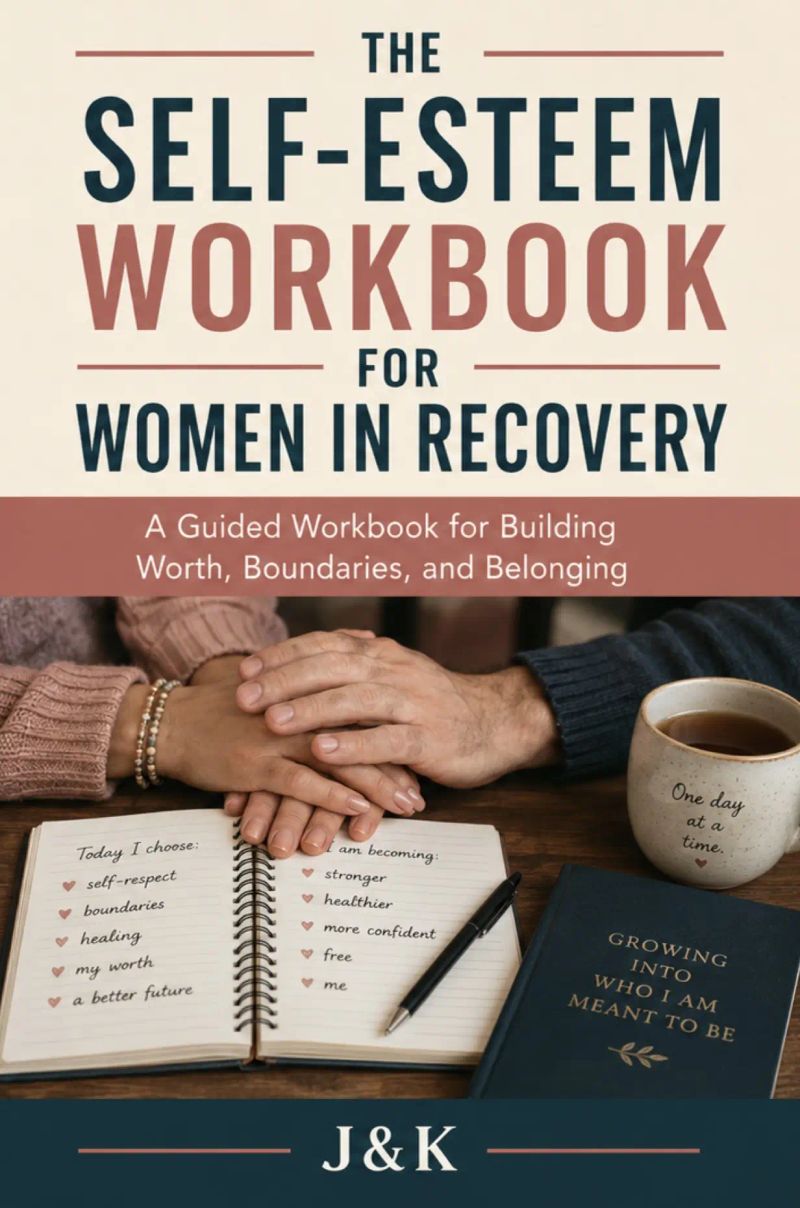
The Self-Esteem Workbook for Women in Recovery
Practical Tools for Reclaiming Identity and Self-Worth in Recovery after an AddictionBy james K.


Length4h 23m
About this audiobook
Sobriety is not the finish line. It is where the harder work begins. The Self-Esteem Workbook for Women in Recovery is a 90-day research-grounded guide for women who have moved past early recovery and are now confronting what sobriety has revealed. The substances are gone, but the feeling of not being quite enough persists. Built on neuroscience, clinical psychology, and lived recovery experience, this workbook delivers structured exercises, boundary-setting scripts, and shame-interruption tools designed for women who are done with reassurance and ready for real change. Across thirteen chapters, readers will work through identity reclamation, self-compassion, relational repair, and emotional sobriety. This is not a beginner's guide. It is for the woman who already knows she matters and is now building the daily practice of actually living from that truth.
Audiobook details
GenreHealth and Wellness, Education and Learning
Length4 hrs 23 mins
Narrated byListen with 1,000+ voices
FormateBook with Audio
Publish dateMay 24, 2026
LanguageEnglish
Table of contents
1preliminary
2Introduction: How to Use This Workbook
3Who This Workbook Is For
4Navigating the Workbook
5The 90-Day Architecture
Show all chaptersShow less
6Chapter One: The Self-Worth Wound: What Recovery Didn't Finish
7The Neurological Loop
8The Three Wound Patterns
9Recovery as Soil Preparation
10The Relational Dimensions of Self-Worth
11Why Recovery Brings Self-Worth to the Surface
12Chapter Two: Shame, Guilt, and the Stories We Inherited
13The Distinction That Changes Everything
14The Stories We Inherited
15From Awareness to Practice
16The Family System as the First Teacher
17Epigenetics and the Inheritance of Shame
18Chapter Three: Who Were You Before the Wound? Reclaiming Pre-Addiction Identity
19Narrative Therapy, ACT, and the Authentic Self
20Body Neutrality as a Foundation
21Building Your Identity Document
22Distinguishing Character From Conditioning
23Narrative Therapy and the Power of Re-Authoring
24Chapter Four: The Neuroscience of Self-Worth: What Your Brain Can Actually Change
25The Default Mode Network and Self-Narration
26CBT: From Distortion to Accuracy
27Designing Your Neuroplasticity Practice
28Metacognition: Becoming the Observer of Your Own Mind
29The Neuroscience of Habit Formation and the Micro-Habit Approach
30Chapter Five: Radical Self-Compassion in Recovery: Beyond the Basics
31Why Recovery Makes Self-Compassion Harder
32Self-Compassion in High-Stakes Moments
33Inner Child Work as a Clinical Tool
34The Inner Child and Recovery
35Self-Compassion Versus Self-Indulgence: The Clinical Distinction
36Chapter Six: Setting Limits from Self-Worth, Not Fear: The Recovery Boundary Framework
37Fear-Based vs. Self-Worth-Based Limits
38The Six-Category Framework
39The Scripts
40The Neuroscience of People-Pleasing
41Six Categories of Limits and How to Set Each One
42Practising Limits in Lower-Stakes Contexts First
43Chapter Seven: The Body in Recovery: Self-Esteem Without the Mirror
44What Sobriety Does to the Body
45Health at Every Size as Evidence
46From Aesthetics to Functionality
47Interoception: Learning to Hear the Body's Intelligence
48Movement as Relationship, Not Performance
49Chapter Eight: When You Say No and the World Pushes Back
50The Five Stages of Limit-Setting Aftermath

Consent Laid BareChanel Contos7h 11m4.5 (1.7K)$24 · $0.00

How to Make Disease DisappearRangan Chatterjee5h 26m4.5 (3.5K)$24 · $0.00

The Complete Herbal (Annotated)Nicholas Culpeper29h 8m4.5 (1.4K)$2 · $0.00

A Plague Upon Our HouseScott W. Atlas MD10h 37m4.5 (3.4K)$20 · $0.00

The Cancer CodeDr. Jason Fung10h 48m4.5 (5.3K)$29 · $0.00

The Gift of TherapyIrvin Yalom7h 39m4.5 (38.8K)$26 · $0.00

EarlySarah DiGregorio9h 47m4.5 (1.3K)$29 · $0.00

Bottle of LiesKatherine Eban14h 25m4.4 (12K)$33 · $0.00
The 36-Hour DayNancy L. Mace, Peter V. Rabins17h 13m4.4 (9.2K)$28 · $0.00

FlooredSara Reardon10h 36m4.5 (1K)$29 · $0.00
Radical RemissionKelly A. Turner9h 26m4.4 (8.1K)$29 · $0.00
The Sinatra SolutionStephen T. Sinatra MD9h4.5 (899)$20 · $0.00

The Songaminute ManSimon McDermott6h 12m4.5 (280)$24 · $0.00
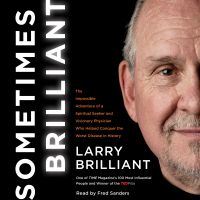
Sometimes BrilliantLarry Brilliant12h 27m4.5 (954)$29 · $0.00

Live Your LifeAmanda Kloots, Anna Kloots10h 54m4.4 (13.7K)$29 · $0.00

All in Her HeadElizabeth Comen13h 25m4.4 (18.2K)$33 · $0.00
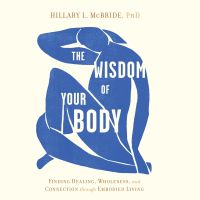
The Wisdom of Your BodyHillary McBride9h 14m4.4 (6.7K)$29 · $0.00

The Alzheimer's SolutionDean Sherzai, Ayesha Sherzai9h 47m4.4 (1.9K)$29 · $0.00
Rewire Your MindsetBrian Keane6h 49m4.5 (896)$23 · $0.00

Tuning The Human Biofield: Healing With Vibrational MedicineCENTER FOR SOUND THERAPY13h 28m4.4 (2.5K)$35 · $0.00

A Brief History of IntelligenceMax S. Bennett12h 18m4.6 (6.6K)$29 · $0.00

HomeschooledStefan Merrill Block7h 10m3.6 (18.5K)$28 · $0.00

The Call of the Wild and FreeAinsley Arment9h 7m4.4 (21.2K)$29 · $0.00
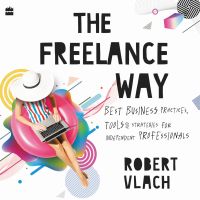
The Freelance WayRobert Vlach19h 48m4.5 (528)$40 · $0.00

Race to the BottomLuke Rosiak9h 20m4.5 (600)$29 · $0.00

They Came for the SchoolsMike Hixenbaugh9h 5m4.5 (2.6K)$8 · $0.00

Find Me UnafraidKennedy Odede, Jessica Posner11h 11m4.5 (2.7K)$29 · $0.00

Asking for ItKate Harding8h 55m4.4 (5.3K)$20 · $0.00

Defining Moments in Black HistoryDick Gregory7h 37m4.4 (6K)$26 · $0.00

The Emerald Tablets of Thoth the AtlanteanMaurice Doreal3h 4m4.4 (8.8K)$6 · $0.00

Learning AmericaLuma Mufleh6h 37m4.4 (564)$24 · $0.00

Math-ishJo Boaler7h 21m4.4 (588)$24 · $0.00

Daddy-Long-LegsJean Webster12h 18m4.2 (91K)$1.99 · $0.00
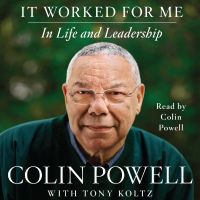
It Worked For MeColin Powell7h 42m4.3 (9.8K)$26 · $0.00

Little SoldiersLenora Chu11h 30m4.3 (3.1K)$29 · $0.00

Grammar-land; Or, Grammar in Fun for the Children of Schoolroom-shireM. L. Nesbitt2h 36m4.4 (488)$1 · $0.00

Financial FeministTori Dunlap8h 3m4.2 (22.2K)$8 · $0.00

DarkwaterWilliam Edward Burghardt Du Bois6h 40m4.3 (1.4K)$11 · $0.00

The Highway Code UKDepartment for Transport3h 33m4.2 (36.6K)$11 · $0.00

He'll Be OKCelia Lashlie6h 32m4.3 (1.1K)$24 · $0.00
You may also like
On the Shortness of LifeSeneca2h 53m4.3 (96.1K)$6 · $0.00

What You Feel You Can HealJohn Gray2h 18m4.2 (675)$16 · $0.00
Best SelfMike Bayer8h 9m4.1 (13.1K)$26 · $0.00

The Wellness RemodelChristina Anstead, Cara Clark3h 31m4.1 (1.8K)$18 · $0.00

You TurnAshley Stahl9h 22m4.1 (1.6K)$20

Unchain Your BrainDaniel G. Amen MD, David E. Smith MD7h 58m4.0 (594)$20

First BiteBee Wilson13h 1m4.0 (4.1K)$23

The Parenting MapShefali Tsabary14h 14m4.4 (2.2K)$8 · $0.00
Buy What You Love Without Going BrokeJen Smith, Jill Sirianni6h 17m3.9 (1.1K)$24 · $0.00

What to Make of a LifeJim Collins13h 31m4.4 (794)$33 · $0.00

How to Host a Viking FuneralKyle Scheele5h 38m4.1 (1.1K)$24 · $0.00

She’s Got IssuesNicole Unice7h 48m4.2 (667)$20 · $0.00

Celebration of DisciplineRichard J. Foster3h 14m4.4 (56.9K)$18 · $0.00

Help MeMarianne Power10h 22m3.8 (9.6K)$29 · $0.00
Balance CentralUnknown Author51m$10 · $0.00

Sex DetoxIan Kerner7h 25m3.2 (168)$24 · $0.00

The Freedom to Like YourselfDanniel Silva3h 33m$1.80 · $0.00
Breaking Bad HabitsDr. Margaux Stein5h 24m$10 · $0.00

Stop Interrupting, Start ListeningImad Muratspahic3h 11m$11 · $0.00

The Toxic to Goddess GuideElias D. Quinn4h$17 · $0.00