
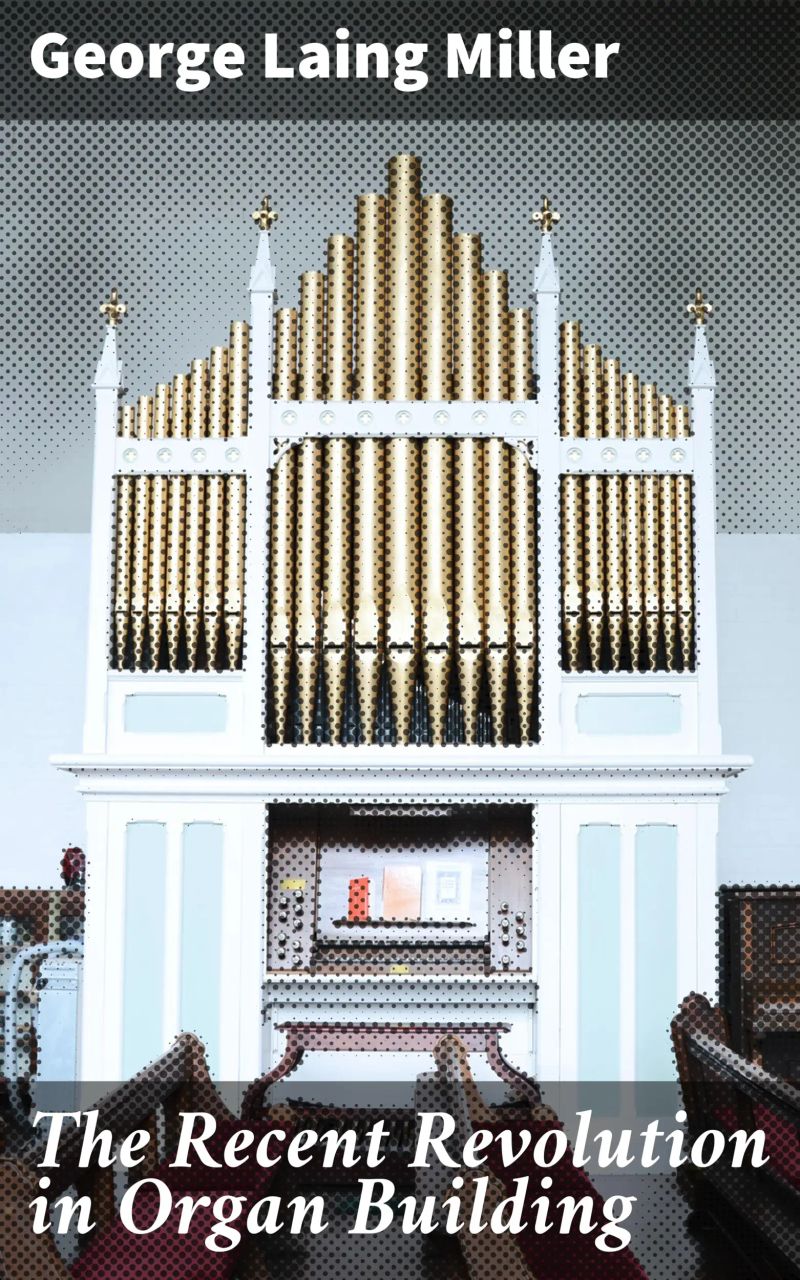
The Recent Revolution in Organ Building
Being an Account of Modern DevelopmentsBy George Laing Miller


Length4h 26m
About this audiobook
In "The Recent Revolution in Organ Building," George Laing Miller presents an insightful examination of the transformative advancements in organ construction during the late 19th and early 20th centuries. Navigating through the interplay of technological innovation and aesthetic refinement, Miller eloquently analyzes the shift from traditional practices to modern techniques, incorporating a detailed exploration of new materials and design methodologies. Written with precision and verve, the text is grounded in the broader context of musical and architectural evolution, placing organ building at the intersection of artistry and engineering. George Laing Miller, a noted figure in the realm of organ building and restoration, draws upon his extensive background in both music and craftsmanship to deliver this compelling narrative. His experiences as an organ builder and restorer, combined with a deep appreciation for historical instruments, inform his critical perspective, enabling him to articulate the underlying philosophies guiding the revolution in organ construction. Miller's expertise is further enriched by his interactions with contemporary craftsmen and musicians, providing a multifaceted view of the subject. I highly recommend "The Recent Revolution in Organ Building" to anyone with an interest in musicology, craftsmanship, or the historical evolution of musical instruments. Miller's work not only serves as an essential resource for scholars but also appeals to enthusiasts eager to understand the intricate balance between tradition and innovation in organ building.
Audiobook details
GenreOther
Length4 hrs 26 mins
Narrated byListen with 1,000+ voices
FormateBook with Audio
Publish dateNov 26, 2019
LanguageEnglish
Table of contents
1Fig. 5. Tubular Pneumatic Action
2THE CRYING NEED FOR ELECTRIC ACTION.
3The First Electric Organ Ever Built. In the Collegiate Church at Salon, Near Marseilles, France (1866).
4DESCRIPTION OF THE ELECTRIC ACTION.
5Fig. 6. The Electro-Pneumatic Lever
Show all chaptersShow less
6Fig. 7. Valve and Valve Seat, Hope-Jones Electric Action
7DIVISION OF ORGANS.
8OCTAVE COUPLERS.
9DR. ALBERT PESCHARD. Inventor of Electro-Pneumatic Action.
10CHAPTER V.
11STOP-KEYS.
12Fig. 8. Console, Showing the Inclined Keyboards First Introduced Into This Country by Robert Hope-Jones
13Fig. 9. Console on the Bennett System, Showing Indicator Discs
14Fig. 10. Console of Organ in Trinity Church, Boston, Mass. Built by Hutchings Organ Co.
15Fig. 11. Console of Organ in College of City of New York. Built by The E. M. Skinner Co.
16CONTROL OF THE STOPS.
17CHAPTER VI.
18RADIATING AND CONCAVE PEDAL BOARDS.
19PEDAL STOP CONTROL.
20CHAPTER VII.
21MEANS OF OBTAINING EXPRESSION.
22CRESCENDO PEDAL.
23SFORZANDO PEDAL—DOUBLE TOUCH.
24BALANCED SWELL PEDAL
25SWELL BOXES.
26Fig. 12. The Principle of the Sound Trap
27Fig. 13. Sound Trap Joint
28Figs. 14-15. The Vacuum Shutter
29CHAPTER VIII.
30A REVOLUTION IN WIND SUPPLY.
31BELLOWS SPRINGS VERSUS WEIGHTS.
32INDIVIDUAL PALLETS.
33HEAVY WIND PRESSURES.
34MECHANICAL BLOWERS.
35CHAPTER IX.
36TRANSFERENCE OF STOPS.
37CHAPTER X.
38THE PRODUCTION OF ORGAN TONE.
39Series of harmonics
40Fig. 16. Estey's Open Bass Pipes—Wood and Metal
41DIAPASONS.
42Fig. 17. Diapason Pipe with Leathered Lip
43THE DECLINE OF MIXTURES.
44FLUTES.
45STRINGS.
46REEDS.
47Fig. 18. Haskell's Clarinet Without Reed
48Fig. 19. Diagram of Reed Pipe
49Fig. 20. Vox Humana with Vowel Cavity Attached. Fig. 21. Orchestral Oboe with Vowel Cavity Attached Fig. 22. Kinura with Vowel Cavity Attached
50UNDULATING STOPS—CELESTES.
Mere ChristianityC. S. Lewis7h 7m4.4 (519.7K)$24 · $0.00

Her Daily BreadKate Wood12h 57m4.6 (153)$33 · $0.00
The Holy Bible - 1 SamuelKing James2h 13m4.8 (1.6K)$3 · $0.00

The American Standard Bible — The Gospel of MatthewMatthew3h 56m4.7 (3K)$2 · $0.00

Bad Fat Black GirlSesali Bowen6h 32m4.7 (2.8K)$24 · $0.00
The King James Audio Bible New Testament CompleteChristopher Glyn20h 2m4.7 (2.6K)$12 · $0.00
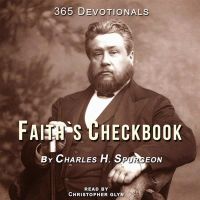
Faiths CheckbookCharles Spurgeon12h 44m4.7 (3.2K)$11 · $0.00
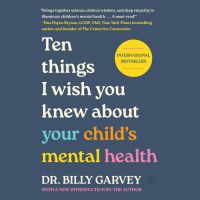
Ten Things I Wish You Knew About Your Child's Mental HealthDr. Billy Garvey4h 53m4.7 (2.4K)$20 · $0.00
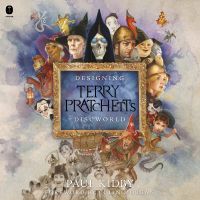
Designing Terry Pratchett’s DiscworldPaul Kidby3h 52m4.7 (343)$20 · $0.00
The Chosen Book OneAmanda Jenkins, Kristen Hendricks, Dallas Jenkins3h 8m4.6 (4.9K)$10 · $0.00
The Lives of BrianBrian Johnson9h 45m4.6 (3.5K)$29 · $0.00
Expository Thoughts on the Gospel of LukeJ.C. Ryle27h 13m4.7 (536)$18 · $0.00

CrossroadsKaleb Dahlgren7h 56m4.6 (4.9K)$26 · $0.00

Across the RiverKent Babb11h 40m4.6 (927)$29 · $0.00
Brain Training for RidersAndrea Monsarrat Waldo5h 56m4.7 (550)$19 · $0.00

My Effin' LifeGeddy Lee17h 11m4.6 (13.1K)$40 · $0.00

Kings and PawnsHoward Bryant10h 9m4.6 (678)$29 · $0.00

The Elementia Chronicles #2: The New OrderSean Fay Wolfe11h 17m4.6 (841)$29 · $0.00
The ActsLuke2h 55m4.6 (19.7K)$12 · $0.00
New Testament - Easy NavigationWorld English Bible19h 35m4.6 (1.3K)$1.30 · $0.00
You may also like
The Principle of RelativityAlbert Einstein7h 12m4.4 (1.2K)$2.30
The Experience Economy, Updated EditionB. Joseph Pine II, James H. Gilmore12h 13m3.9 (3.4K)$20
Crossing the ChasmGeoffrey A. Moore9h 45m4.1 (37.9K)$29 · $0.00
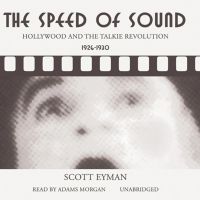
The Speed of SoundScott Eyman13h 39m4.2 (368)$23
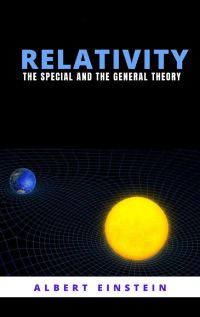
Relativity: The special and the general theoryAlbert Einstein3h 23m4.2 (41.4K)$3.50 · $0.00
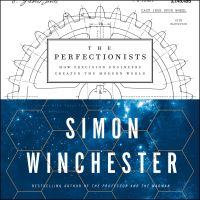
The PerfectionistsSimon Winchester11h 46m4.2 (9.9K)$29 · $0.00
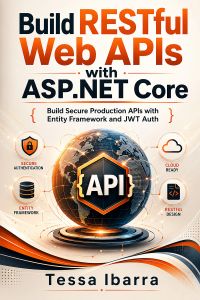
Build RESTful Web APIs with ASP.NET CoreTessa Ibarra8h 29m$5 · $0.00
Discoveries and Inventions of the Nineteenth CenturyRobert Routledge43h 30m4.2 (38)$1 · $0.00
The history of money and bankingKidsChoice54m$12 · $0.00
Object-Oriented C++ You Can Build OnFelix Ibarra7h 52m$5 · $0.00
From Zero to Job-Ready Web DeveloperDesmond Abara7h 33m$5 · $0.00

Pegi-Online Eine Ergänzung Des Pegi-Systems Für Online-SpieleGrit Stephan16m$4 · $0.00
Remarks on the Proposed Railway Between Birmingham and LondonAnonymous57m$2 · $0.00
Linotype ManualVarious57m$1 · $0.00
Power Electronics Principles and Problem SolvingFarah Abdulrahman17h 23m$99
ARDMS SPI Exam Study GuideMarie Peterson10h 44m$10
The Most Ingenious Inventions in Human HistoryBenjamin Recker44m$14 · $0.00
Opportunities in AviationGordon Lamont, Arthur Sweetser1h 23m$2 · $0.00
City LightsVictoria Charles1h 9m$15 · $0.00
Java Microservices with DropwizardSofia Abara8h 7m$5 · $0.00