

The Origin and Development of the Moral Ideas
By Edward Westermarck


Length65h 55m
About this audiobook
In "The Origin and Development of the Moral Ideas," Edward Westermarck embarks on an ambitious exploration of morality's evolution through a comprehensive anthropological lens. The book, characterized by its analytical rigor and clarity of prose, critiques prevailing moral philosophies while situating moral concepts within the context of human social development. Westermarck meticulously investigates diverse cultural practices and the historical underpinnings of moral sentiments, revealing a nuanced interplay between instinctual human behavior and societal norms that govern ethical conduct. Edward Westermarck, a prominent Finnish philosopher and sociologist, was deeply influenced by his fieldwork experiences and exposure to various cultures, which informed his understanding of morality as a social construct rather than an inherent trait. His background in anthropology and commitment to naturalistic inquiry are evident throughout this seminal work, as he synthesizes insights from psychology, sociology, and history to articulate a comprehensive theory of moral ideas that resonates with contemporary debates on ethics and morality. This scholarly examination is essential reading for anyone interested in the philosophical underpinnings of morality and its implications in modern society. Westermarck's groundbreaking insights not only challenge traditional moral doctrines but encourage readers to critically assess their own ethical beliefs in a complex, interconnected world.
Audiobook details
GenrePhilosophy
Length65 hrs 55 mins
Narrated byListen with 1,000+ voices
FormateBook with Audio
Publish dateMay 28, 2022
LanguageEnglish
Table of contents
1FORBEARANCES AND CARELESSNESS— CHARACTER
2CHAPTER XIII
3WHY MORAL JUDGMENTS ARE PASSED ON CONDUCT AND CHARACTER—MORAL VALUATION AND FREE-WILL
4CHAPTER XIV
5PRELIMINARY REMARKS—HOMICIDE IN GENERAL
Show all chaptersShow less
6CHAPTER XV
7HOMICIDE IN GENERAL (continued)
8CHAPTER XVI
9HOMICIDE IN GENERAL (concluded)
10CHAPTER XVII
11THE KILLING OF PARENTS, SICK PERSONS, CHILDREN—FETICIDE
12CHAPTER XVIII
13THE KILLING OF WOMEN, AND OF SLAVES—THE CRIMINALITY OF HOMICIDE INFLUENCED BY DISTINCTIONS OF CLASS
14CHAPTER XIX
15HUMAN SACRIFICE
16CHAPTER XX
17BLOOD-REVENGE AND COMPENSATION—THE PUNISHMENT OF DEATH
18CHAPTER XXI
19THE DUEL
20CHAPTER XXII
21BODILY INJURIES
22CHAPTER XXIII
23CHARITY AND GENEROSITY
24CHAPTER XXIV
25HOSPITALITY
26CHAPTER XXV
27THE SUBJECTION OF CHILDREN
28CHAPTER XXVI
29THE SUBJECTION OF WIVES
30CHAPTER XXVII
31SLAVERY
32INTRODUCTORY
33CHAPTER I
34THE EMOTIONAL ORIGIN OF MORAL JUDGMENTS
35CHAPTER II
36THE NATURE OF THE MORAL EMOTIONS
37CHAPTER III
38THE NATURE OF THE MORAL EMOTIONS (continued)
39CHAPTER IV
40THE NATURE OF THE MORAL EMOTIONS (concluded)
41CHAPTER V
42THE ORIGIN OF THE MORAL EMOTIONS
43CHAPTER VI
44ANALYSIS OF THE PRINCIPAL MORAL CONCEPTS
45CHAPTER VII
46CUSTOMS AND LAWS AS EXPRESSIONS OF MORAL IDEAS
47CHAPTER VIII
48THE GENERAL NATURE OF THE SUBJECTS OF ENLIGHTENED MORAL JUDGMENTS
49CHAPTER IX
50THE WILL AS THE SUBJECT OF MORAL JUDGMENT AND THE INFLUENCE OF EXTERNAL EVENTS
More from Edward Westermarck


The Magic PresenceGodfré Ray King10h 21m4.6 (307)$1.20 · $0.00

The Art of LivingThich Nhat Hanh5h 1m4.5 (14.2K)$24 · $0.00

Moral Letters to LuciliusLucius Annaeus Seneca24h 26m4.5 (71.7K)$0.99 · $0.00

Lessons in TruthH. Emilie Cady3h 50m4.5 (2.4K)$20 · $0.00
Letters from a StoicSeneca6h 5m4.4 (80.4K)$6 · $0.00
The Discourses of EpictetusP. E. MATHESOM12h 47m4.4 (17.7K)$1.20 · $0.00

IlluminationsWalter Benjamin10h 12m4.4 (16.2K)$20 · $0.00

That Bird Has My WingsJarvis Jay Masters9h 49m4.4 (13.7K)$29 · $0.00

Tâo Teh KingLaozi2h 34m4.4 (230.9K)$2 · $0.00

SymposiumPlato3h 26m4.4 (97.9K)$1.20 · $0.00

Buddhist Boot CampTimber Hawkeye2h 39m4.4 (8.4K)$18 · $0.00
Enchiridion & The Discourses of Epictetus (Annotated)Arrian Epictetus18h 9m4.4 (3.5K)$2 · $0.00

The Meditations of the Emperor Marcus Aurelius AntoninusEmperor of Rome Marcus Aurelius5h 41m4.4 (1.8M)$1 · $0.00

Crime and PunishmentFyodor Dostoevsky23h 11m4.4 (1.3M)$12 · $0.00

MeditationsMarcus Aurelius5h 52m4.4 (433.7K)$1 · $0.00

Everyday DharmaSuneel Gupta5h 2m4.5 (761)$20 · $0.00

The Joyful Wisdom ("La Gaya Scienza")Friedrich Wilhelm Nietzsche11h 37m4.4 (26.6K)$1 · $0.00
The Art of LivingEpictetus, Sharon Lebell3h 16m4.4 (50.1K)$18 · $0.00

MeditationsEmperor Of Rome Marcus Aurelius7h 23m4.3 (477.5K)$1.20 · $0.00

The Imitation of ChristThomas à Kempis6h 27m4.3 (84.6K)$21 · $0.00
You may also like

Totem and TabooSigmund Freud6h 18m4.0 (15.1K)$0.60 · $0.00

Five Stages of Greek Religion (Annotated)Gilbert Murray8h 35m4.2 (317)$2 · $0.00

The Golden Verses of PythagorasAntoine Fabre d'Olivet8h 38m4.2 (269)$2.30
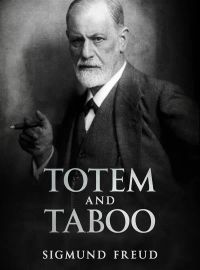
Totem and TabooSigmund Freud7h 4m4.0 (24.4K)$1.20 · $0.00

Glimpses of Unfamiliar Japan First and Second SeriesLafcadio Hearn20h 14m4.2 (538)$2.30

Why Science Does Not Disprove GodAmir Aczel6h 52m3.9 (1.2K)$24 · $0.00

The Criminal Prosecution and Capital Punishment of Animals (Annotated)E. P. Evans9h 35m3.8 (72)$0.99 · $0.00
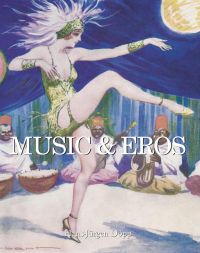
Music and ErosHans-Jürgen Döpp5h 29m$18 · $0.00

The Origins of Popular Superstitions and CustomsT. Sharper Knowlson6h 44m3.8 (146)$1.20 · $0.00

Beyond the North WindChristopher McIntosh6h 4m3.6 (658)$20

Saint PatrickHeman White Chaplin41m$2 · $0.00

Primitive Manners and CustomsJames Anson Farrer8h 30m3.5 (10)$2.30

Fetichism in West AfricaRobert Hamill Nassau10h 40m3.8 (39)$2 · $0.00

Art of the DevilArturo Graf,7h 14m3.9 (23)$18 · $0.00

Art of the DevilArturo Graf7h 38m4.0 (39)$18 · $0.00

All You Need Is MythSteve Wagner9h 12m$20
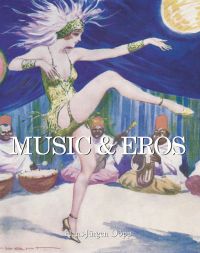
Music and ErosHans-Jürgen Döpp5h 23m$18 · $0.00

The Eternal Belief in Immortality & Worship of the DeadJames George Frazer37h 7m4.1 (28)$1.99 · $0.00

The Mythology of the DevilMoncure D. Conway30h 6m4.3 (12)$1.99 · $0.00

Six Lectures on Vedanta PhilosophySwami Abhedananda3h 21m4.3 (12)$3.50 · $0.00