
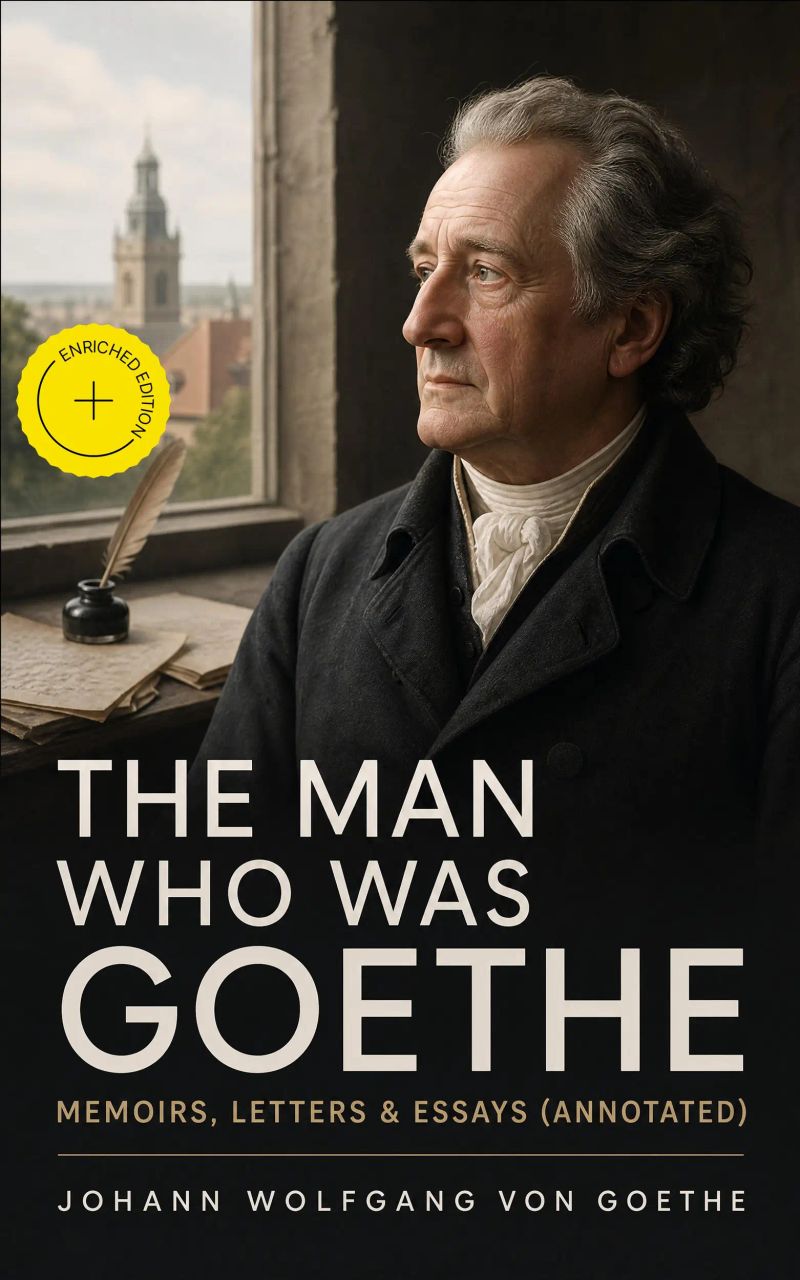
The Man Who Was Goethe: Memoirs, Letters & Essays (Annotated)
Enriched Edition. Memoirs, Letters, and Essays on Weimar Classicism, Romantic Europe, and the Cultivation of SelfBy Johann Wolfgang von Goethe


Length79h 57m
About this audiobook
The Man Who Was Goethe: Memoirs, Letters & Essays gathers the self-revealing prose through which Johann Wolfgang von Goethe becomes not merely a monument of German letters but an active, searching mind. Through recollection, correspondence, criticism, and reflection, the volume traces his intellectual range: art, science, friendship, politics, love, and the discipline of literary creation. Its style moves between classical poise and intimate immediacy, situating Goethe within Weimar Classicism while also illuminating the Romantic age he helped provoke and resist. Goethe's long life made him uniquely fitted to such a book. Born in 1749, he became famous with The Sorrows of Young Werther, later reshaped European drama with Faust, served as statesman in Weimar, and pursued studies in botany, optics, and morphology. His memoirs and letters reflect a writer for whom experience, observation, and Bildung—the cultivation of the self—were inseparable principles. This collection is recommended to readers seeking the living Goethe behind the canonical works. It offers students, scholars, and general readers a refined entry into his personality, method, and age, revealing why his thought remains central to modern European culture.
This enriched edition has been carefully crafted to add value to your reading experience.
- A comprehensive Introduction outlines these selected works' unifying features, themes, or stylistic evolutions.
- The Author Biography highlights personal milestones and literary influences that shape the entire body of writing.
- A Historical Context section situates the works in their broader era—social currents, cultural trends, and key events that underpin their creation.
- A concise Synopsis (Selection) offers an accessible overview of the included texts, helping readers navigate plotlines and main ideas without revealing critical twists.
- A unified Analysis examines recurring motifs and stylistic hallmarks across the collection, tying the stories together while spotlighting the different work's strengths.
- Reflection questions inspire deeper contemplation of the author's overarching message, inviting readers to draw connections among different texts and relate them to modern contexts.
- Lastly, our hand‐picked Memorable Quotes distill pivotal lines and turning points, serving as touchstones for the collection's central themes.
Audiobook details
Rating★★★★ 4.5 (30)
Includes Amazon, Goodreads
GenreBiography and Memoir
Length79 hrs 57 mins
Narrated byListen with 1,000+ voices
FormateBook with Audio
Publish dateApr 18, 2019
LanguageEnglish
Table of contents
1Introduction
2Introduction
3Author Biography
4Historical Context
5Synopsis (Selection)
Show all chaptersShow less
6The Man Who Was Goethe: Memoirs, Letters & Essays
7Biography
8Life of Johann Wolfgang Goethe
9Chapter I.
10Chapter II.
11Chapter III.
12Chapter IV.
13Chapter V.
14Chapter VI.
15Chapter VII.
16Chapter VIII.
17Chapter IX.
18Chapter X.
19Chronological List of Works
20Autobiography and Memoirs
21Truth and Poetry: From My Own Life
22Author's Preface
23PART THE FIRST
24First Book. Childhood—the City of Frankfort
25Second Book. The New Paris—Frankfort Citizen
26Third Book. Occupation of Frankfort by the French
27Fourth Book. Studies—The Bible—Frankfort Characters
28Fifth Book. Gretchen—Coronation Ceremonies
29PART THE SECOND.
30Sixth Book. Illness and Recovery—Leipzig
31Seventh Book. Leipzig (continued)—German Literature
32Eighth Book. Art—Dresden—Return from Leipzig
33Ninth Book. Strasbourg
34Tenth Book. Strasbourg (continued)—Herder—Tour in Alsace and Lorraine—Frederika
35PART THE THIRD.
36Eleventh Book. Frederica (continued)—Return from Strasbourg
37Twelfth Book. Merck—Wetzlar; the Imperial Chamber—Charlotte
38Thirteenth Book. Goetz von Berlichingen and Werther
39Fourteenth Book. Lenz—Lavater and Basedow—Cologne
40Fifteenth Book. Moravians—"The Wandering Jew"—Zimmerman—"Clavigo"
41PART THE FOURTH.
42Sixteenth Book. Spinoza—Jung (Stilling)
43Seventeenth Book. Lili—Betrothal—Ulrich von Hutten
44Eighteenth Book. Hans Sachs—The Stolbergs—Switzerland
45Nineteenth Book. Lavater—"Egmont"
46Twentieth Book. Kraus—Daemonic Influence—Heidelberg—Departure for Weimar
47Maxims and Reflections
48Translator's Preface
49II
50III

Die WahlverwandtschaftenJohann Wolfgang von Goethe9h 51m3.9 (16.7K)$12 · $0.00
Die Leiden des jungen WertherJohann Wolfgang von Goethe4h 50m4.0 (208K)$12 · $0.00

Briefwechsel zwischen Schiller und GoetheJohann Wolfgang von Goethe, Friedrich Schiller36h 17m4.5 (522)$1.50 · $0.00
Die Meisterwerke der Weltliterature (Kommentiert)Johann Wolfgang von Goethe, Jules Verne, Gustave Flaubert, Franz Kafka, Lewis Carroll, Selma Lagerlöf, Sigmund Freud, Johanna Spyri, Theodor Storm, Rainer Maria Rilke, Charles Dickens, Stefan Zweig, Heinrich Heine, Honoré de Balzac, Theodor Fontane, Karl May, Gottfried Keller, Mark Twain, Heinrich Mann, Else Lasker-Schüler, Robert Musil, Walt Whitman, Oscar Wilde, Annette von Droste-Hülshoff, Arthur Schopenhauer, Robert Louis Stevenson, Gustav Freytag, James Fenimore Cooper, Edgar Allan Poe, Heinrich von Kleist, William Shakespeare, Dante Alighieri, Charlotte Brontë, Emily Brontë, Jack London, Arthur Conan Doyle, Joseph Conrad, Jane Austen, Herman Melville, Guy de Maupassant, Walter Scott, Jonathan Swift, Jacob Grimm, Wilhelm Grimm, Alexandre Dumas, Rudyard Kipling, Nathaniel Hawthorne, Homer, O. Henry, Voltaire, Lew Wallace, John Galsworthy, E. T. A. Hoffmann, Marcus Aurelius, Hans Christian Andersen, Anton Pawlowitsch Tschechow, Platon, Friedrich Nietzsche, Iwan Sergejewitsch Turgenew, Tacitus, Nikolai Gogol, Miguel de Cervantes, Mary Shelley, Thomas Wolfe, Emile Zola, Fjodor Michailowitsch Dostojewski, Leo Tolstoi, Joseph Roth, Joseph von Eichendorff, Kurt Tucholsky, Iwan Alexandrowitsch Gontscharow, Oswald Spengler, Moliere, Alfred Adler, Sophie von La Roche, Klaus Mann, Rumi1256h 15m$3 · $0.00

Die großen Liebes-Klassiker der WeltliteraturJohann Wolfgang von Goethe, Stendhal, Charlotte Brontë, Emily Brontë, Victor Hugo, Jane Austen, Alexandre Dumas, Rudyard Kipling, George Sand, Nathaniel Hawthorne, Gabriele D'Annunzio, Eugenie Marlitt, Leo Tolstoi, Elisabeth Bürstenbinder, Pierre Choderlos de Laclos261h 10m4.5 (13)$1 · $0.00
Harvard Classics Anthology - Complete 51 VolumesJohann Wolfgang von Goethe, Gotthold Ephraim Lessing, Thomas Carlyle, Plato, René Descartes, Immanuel Kant, Charles Darwin, Martin Luther, Robert Louis Stevenson, William Shakespeare, Dante Alighieri, Euripides, Percy Bysshe Shelley, Charles Lamb, Henry David Thoreau, Samuel Johnson, John Stuart Mill, David Hume, Joseph Addison, John Locke, John Fletcher, Francis Beaumont, Leigh Hunt, Epictetus, Thomas De Quincey, Samuel Taylor Coleridge, Jonathan Swift, Christopher Marlowe, Jacob Grimm, Wilhelm Grimm, William Hazlitt, Marcus Tullius Cicero, Daniel Defoe, Aesop, Richard Henry Dana, John Dryden, Philip Massinger, Pedro Calderón de la Barca, John Ruskin, Oliver Wendell Holmes, Ernest Renan, Robert Burns, David Garrick, Ralph Waldo Emerson, John Webster, Izaak Walton, John Bunyan, James Russell Lowell, Charles Augustin Sainte-Beuve, Homer, Edmund Burke, Plutarch, Molière, Aeschylus, Michael Faraday, Sophocles, William Makepeace Thackeray, Benjamin Franklin, Pierre Corneille, Jean Racine, Voltaire, Robert Browning, Oliver Goldsmith, Thomas Dekker, John Milton, Aristophanes, Blaise Pascal, Virgil, Richard Brinsley Sheridan, Simon Newcomb, William Penn, Walter Bigges, Philip Sidney, Herodotus, Walter Raleigh, Francis Bacon, Giuseppe Mazzini, Francis Pretty, George Berkeley, Thomas Hobbes, Adam Smith, Alessandro Manzoni, Abraham Cowley, Michel de Montaigne, Ben Jonson, John Woolman, Benvenuto Cellini, Sydney Smith, Jean Froissart, William Henry Harrison, William Harvey, Marcus Aurelius, Hans Christian Andersen, Thomas Malory, George Gordon Byron, Thomas à Kempis, Richard Steele, Thomas Browne, Archibald Geikie, Thomas Babington Macaulay, Tacitus, William Roper, Hippocrates, Miguel de Cervantes, Thomas More, Friedrich von Schiller, Philip Nichols, Louis Pasteur, Joseph Lister, Jean Jacques Rousseau, Pliny the Younger, Edgar Alan Poe, Saint Augustine, Hermann Ludwig Ferdinand von Helmholtz, Francis Drake, Edward Haies, Niccolo Machiavelli, Ambroise Paré, William A. Neilson986h 28m$1.99 · $0.00
Die größten Meister der deutschen LyrikJohann Wolfgang von Goethe, Friedrich Schiller, Annette von Droste-Hülshoff, Rainer Maria Rilke, Joachim Ringelnatz, Christian Morgenstern, Georg Herwegh, Gotthold Ephraim Lessing, Achim von Arnim, Theodor Fontane, Frank Wedekind, Wilhelm Hauff, lhelm Hauff, Karl May, Bettina von Arnim, Clemens Brentano, Eduard Mörike, Joseph von Eichendorff, Gustav Freytag, Franz Werfel, Willibald Alexis, Leopold Schefer, Gottfried Keller, Wilhelm Busch, Theodor Storm, Hermann Löns, Peter Rosegger, Louise Otto, Erich Mühsam224h 48m$2 · $0.00
Harvard Classics (All 51 Volumes)Johann Wolfgang von Goethe, Gotthold Ephraim Lessing, Thomas Carlyle, Plato, René Descartes, Immanuel Kant, Charles Darwin, Martin Luther, Robert Louis Stevenson, William Shakespeare, Dante Alighieri, Euripides, Percy Bysshe Shelley, Charles Lamb, Henry David Thoreau, Samuel Johnson, John Stuart Mill, David Hume, Joseph Addison, John Locke, John Fletcher, Francis Beaumont, Leigh Hunt, Epictetus, Thomas De Quincey, Samuel Taylor Coleridge, Jonathan Swift, Christopher Marlowe, Jacob Grimm, Wilhelm Grimm, William Hazlitt, Marcus Tullius Cicero, Daniel Defoe, Aesop, Richard Henry Dana, John Dryden, Philip Massinger, Pedro Calderón de la Barca, John Ruskin, Oliver Wendell Holmes, Ernest Renan, Robert Burns, David Garrick, Ralph Waldo Emerson, John Webster, Izaak Walton, John Bunyan, James Russell Lowell, Charles Augustin Sainte-Beuve, Homer, Edmund Burke, Plutarch, Molière, Aeschylus, Michael Faraday, Sophocles, William Makepeace Thackeray, Benjamin Franklin, Pierre Corneille, Jean Racine, Voltaire, Robert Browning, Oliver Goldsmith, Thomas Dekker, John Milton, Aristophanes, Blaise Pascal, Virgil, Simon Newcomb, William Penn, Walter Bigges, Philip Sidney, Herodotus, Walter Raleigh, Francis Bacon, Giuseppe Mazzini, Francis Pretty, George Berkeley, Thomas Hobbes, Adam Smith, Alessandro Manzoni, Abraham Cowley, Michel de Montaigne, Ben Jonson, John Woolman, Benvenuto Cellini, Sydney Smith, Jean Froissart, William Henry Harrison, William Harvey, Marcus Aurelius, Hans Christian Andersen, Thomas Malory, George Gordon Byron, Thomas à Kempis, Richard Steele, Thomas Browne, Archibald Geikie, Thomas Babington Macaulay, Tacitus, William Roper, Hippocrates, Miguel de Cervantes, Thomas More, Friedrich von Schiller, Philip Nichols, Louis Pasteur, Joseph Lister, Jean Jacques Rousseau, Pliny the Younger, Edgar Alan Poe, Saint Augustine, Brinsley Sheridan, Hermann Ludwig Ferdinand von Helmholtz, Francis Drake, Edward Haies, Niccolo Machiavelli, Ambroise Paré, William A. Neilson986h 15m4.5 (2.6K)$1.99 · $0.00
Die wichtigsten Werke von Goethe (Kommentiert)Johann Wolfgang von Goethe420h 50m4.3 (12)$1 · $0.00
Harvard Classics - Complete Collection of the Greatest Works of World Literature (Annotated)Johann Wolfgang von Goethe, Gotthold Ephraim Lessing, Thomas Carlyle, Plato, Charles Darwin, Dante Alighieri, Euripides, Percy Bysshe Shelley, Charles Lamb, Samuel Johnson, John Stuart Mill, David Hume, Joseph Addison, Leigh Hunt, Epictetus, Thomas De Quincey, Samuel Taylor Coleridge, Jonathan Swift, Christopher Marlowe, Jacob Grimm, Wilhelm Grimm, William Hazlitt, Marcus Tullius Cicero, Daniel Defoe, Aesop, Richard Henry Dana, John Dryden, Pedro Calderón de la Barca, John Ruskin, Robert Burns, David Garrick, Ralph Waldo Emerson, Izaak Walton, John Bunyan, Homer, Edmund Burke, Plutarch, Molière, Aeschylus, Sophocles, William Makepeace Thackeray, Benjamin Franklin, Pierre Corneille, Jean Racine, Robert Browning, Oliver Goldsmith, John Milton, Aristophanes, Virgil, Richard Brinsley Sheridan, William Penn, Philip Sidney, Francis Bacon, Adam Smith, Alessandro Manzoni, Abraham Cowley, Ben Jonson, John Woolman, Sydney Smith, Marcus Aurelius, Hans Christian Andersen, George Gordon Byron, Thomas à Kempis, Richard Steele, Thomas Browne, Thomas Babington Macaulay, Miguel de Cervantes, Friedrich von Schiller, Pliny the Younger, Saint Augustine1376h 45m4.5 (2.4K)$2 · $0.00
Iphigenie auf Tauris (Kommentiert)Johann Wolfgang von Goethe3h 41m4.0 (12.5K)$1 · $0.00
Letters from Switzerland and Travels in Italy (Annotated)Johann Wolfgang von Goethe17h 29m4.1 (27)$2 · $0.00
180 Masterpieces of World Literature (Vol.2) (Annotated)Johann Wolfgang von Goethe, Stendhal, Jules Verne, Gustave Flaubert, Theodor Storm, Henrik Ibsen, Charles Dickens, Honoré de Balzac, Harriet Beecher Stowe, Rabindranath Tagore, Fyodor Dostoyevsky, James Fenimore Cooper, Edgar Allan Poe, John Buchan, Confucius, George MacDonald, Bram Stoker, Henry James, Victor Hugo, Joseph Conrad, Jane Austen, Walter Scott, Laurence Sterne, Thomas Hardy, Jonathan Swift, Edith Wharton, Benito Pérez Galdós, Daniel Defoe, Henry Fielding, Sinclair Lewis, Anthony Trollope, Alexandre Dumas, William Dean Howells, Virginia Woolf, William Walker Atkinson, Kenneth Grahame, Washington Irving, Willa Cather, Nathaniel Hawthorne, Homer, Gaston Leroux, Ford Madox Ford, Benjamin Franklin, Kate Chopin, John Milton, Edgar Wallace, Laozi, James Joyce, Ann Ward Radcliffe, Kakuzo Okakura, H. G. Wells, W. B. Yeats, J. M. Barrie, G. K. Chesterton, Jerome K. Jerome, L. M. Montgomery, W. Somerset Maugham, E. M. Forster, F. Scott Fitzgerald, Lewis Wallace, Ivan Turgenev, Leo Tolstoy, Nikolai Gogol, George Bernard Shaw, Cao Xueqin, Emile Zola, Bankim Chandra Chatterjee, P. B. Shelley, Elizabeth von Arnim, Dante, Pedro Calderon de la Barca, Émile Coué, George Weedon Grossmith, Willkie Collins, D.H. Lawrence, Machiavelli1195h 9m4.5 (12)$2 · $0.00
The Sorrows of Young Werther (Annotated)Johann Wolfgang von Goethe6h 22m4.1 (161)$2 · $0.00
The Complete Plays of Johann Wolfgang von Goethe (Annotated)Johann Wolfgang von Goethe37h 32m$2 · $0.00

Aus meinem Leben. Dichtung und Wahrheit (Kommentiert)Johann Wolfgang von Goethe33h 52m4.4 (11)$1.50 · $0.00
Christian Collection: Scripture, History, Theology, Spirituality and Fiction (Annotated)Johann Wolfgang von Goethe, Martin Luther, Henryk Sienkiewicz, Dante Alighieri, Henry Van Dyke, David Hume, James Allen, Ralph Waldo Emerson, Andrew Murray, John Bunyan, Grace Livingston Hill, Thomas Paine, Voltaire, Lew Wallace, John Milton, Charles M. Sheldon, Ludwig Feuerbach, G. K. Chesterton, Friedrich Nietzsche, Thomas à Kempis, Leo Tolstoy, Fyodor Dostoevsky, Charles Spurgeon, Prentice Mulford, St. Teresa of Ávila, Saint Augustine, Florence Scovel Shinn, H. Emilie Cady, Gregory of Nyssa, Pope Gregory I, Athanasius of Alexandria, John of Damascus, Brother Lawrence, Arthur Pink1167h 4m$2 · $0.00
The Complete Poems (Annotated)Johann Wolfgang von Goethe18h 4m4.3 (190)$2 · $0.00
Goethe: Romane & Novellen (Kommentiert)Johann Wolfgang von Goethe83h 18m4.4 (20)$1 · $0.00

Wilhelm Meisters theatralische Sendung, Lehrjahre & Wanderjahre (Kommentiert)Johann Wolfgang von Goethe56h 42m4.6 (12)$1.50 · $0.00
MotherlandJulia Ioffe17h 52m4.7 (2.5K)$40 · $0.00
Evidence Not SeenDarlene Deibler Rose11h 11m4.6 (11.9K)$29 · $0.00

Where Cowards Go to DieBenjamin Sledge8h 42m4.7 (351)$20 · $0.00
Will You Love Me?Cathy Glass9h 5m4.6 (9.3K)$29 · $0.00
Designing Terry Pratchett’s DiscworldPaul Kidby3h 52m4.7 (343)$20 · $0.00

HostageEli Sharabi5h 25m4.6 (10.8K)$24 · $0.00
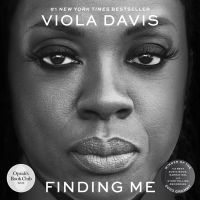
Finding MeViola Davis9h 15m4.6 (256.4K)$29 · $0.00

The Dangerous Truth about Today’s MarijuanaLaura Stack CSP, MBA9h 57m4.7 (385)$20 · $0.00

Birdie & HarlowTaylor Wolfe7h 50m4.6 (6.5K)$26 · $0.00
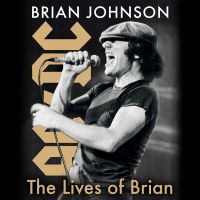
The Lives of BrianBrian Johnson9h 45m4.6 (3.5K)$29 · $0.00

I Am The StormJanice Dean9h4.6 (1.5K)$8 · $0.00
Black History CollectionFrederick Douglass, Harriet Ann Jacobs, Booker T. Washington, W.E.B. Du Bois27h 9m4.6 (2.6K)$18 · $0.00
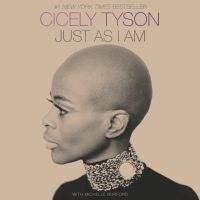
Just as I AmCicely Tyson16h 8m4.6 (99K)$33 · $0.00

Unbroken Bonds of BattleJohnny Joey Jones8h 31m4.6 (2.6K)$8 · $0.00
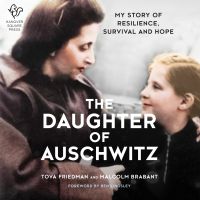
The Daughter of AuschwitzTova Friedman, Malcolm Brabant7h 54m4.6 (16.7K)$26 · $0.00
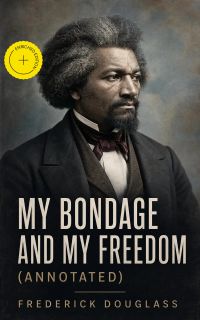
My Bondage and My Freedom (Annotated)Frederick Douglass15h 30m4.6 (2.4K)$2 · $0.00
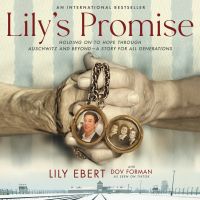
Lily's PromiseLily Ebert, Dov Forman8h 54m4.6 (16.1K)$29 · $0.00
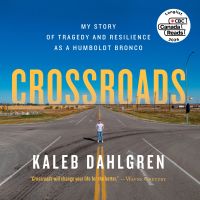
CrossroadsKaleb Dahlgren7h 56m4.6 (4.9K)$26 · $0.00

Across the RiverKent Babb11h 40m4.6 (927)$29 · $0.00
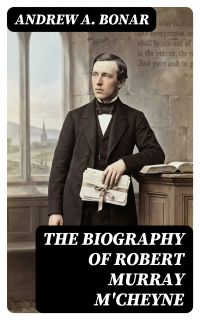
The Biography of Robert Murray M'CheyneAndrew A. Bonar7h 41m4.6 (2.2K)$1 · $0.00
You may also like
AlchemyRory Sutherland9h 38m4.3 (32.6K)$29 · $0.00

The Master Key SystemCharles F. Haanel6h 33m4.3 (12.1K)$4 · $0.00
Farnsworth’s Classical English StyleWard Farnsworth5h 34m4.4 (312)$17
Darwin’s House of CardsTom Bethell8h 57m4.3 (341)$20 · $0.00
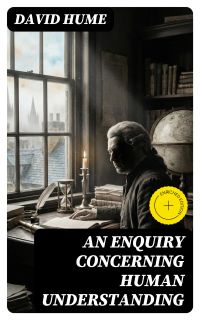
An Enquiry Concerning Human UnderstandingDavid Hume7h 23m4.1 (24.2K)$1 · $0.00
ConflictedIan Leslie7h 52m4.1 (1.4K)$26 · $0.00
Split the PieBarry Nalebuff8h 43m4.1 (598)$26 · $0.00
Aesthetic IntelligencePauline Brown6h 57m4.0 (1.2K)$24 · $0.00
The Art of ControversyArthur Schopenhauer3h 13m3.8 (21.1K)$6 · $0.00
How to Master the Art of Selling Anything ProgramTom Hopkins10h 28m4.3 (179)$25
The Academy of Master ClosingTom Hopkins7h 45m4.6 (31)$40
The Language of SalesTom Hopkins, Andrew Eilers5h 26m4.2 (110)$20

The New Science of Healthy AgingScientific American6h 14m3.9 (265)$17
The New HustleEmma Isaacs5h 1m3.7 (297)$15 · $0.00

The DNA of Business for Network MarketingEric Golden2h 58m3.9 (69)$20
Going Broke, Updated EditionStuart Vyse13h 10m3.9 (65)$23 · $0.00
The Power of TeamworkBrian Goldman11h 3m3.5 (124)$29 · $0.00
How to Write a Novel: A Practical Guide to the Art of FictionAnonymous3h 5m3.6 (65)$2 · $0.00
Build your empireVitor Mendonça Prado3h 46m$12 · $0.00

Learn to Invent, First Steps for Beginners Young and OldSamuel Evans Clark1h 22m$2 · $0.00