
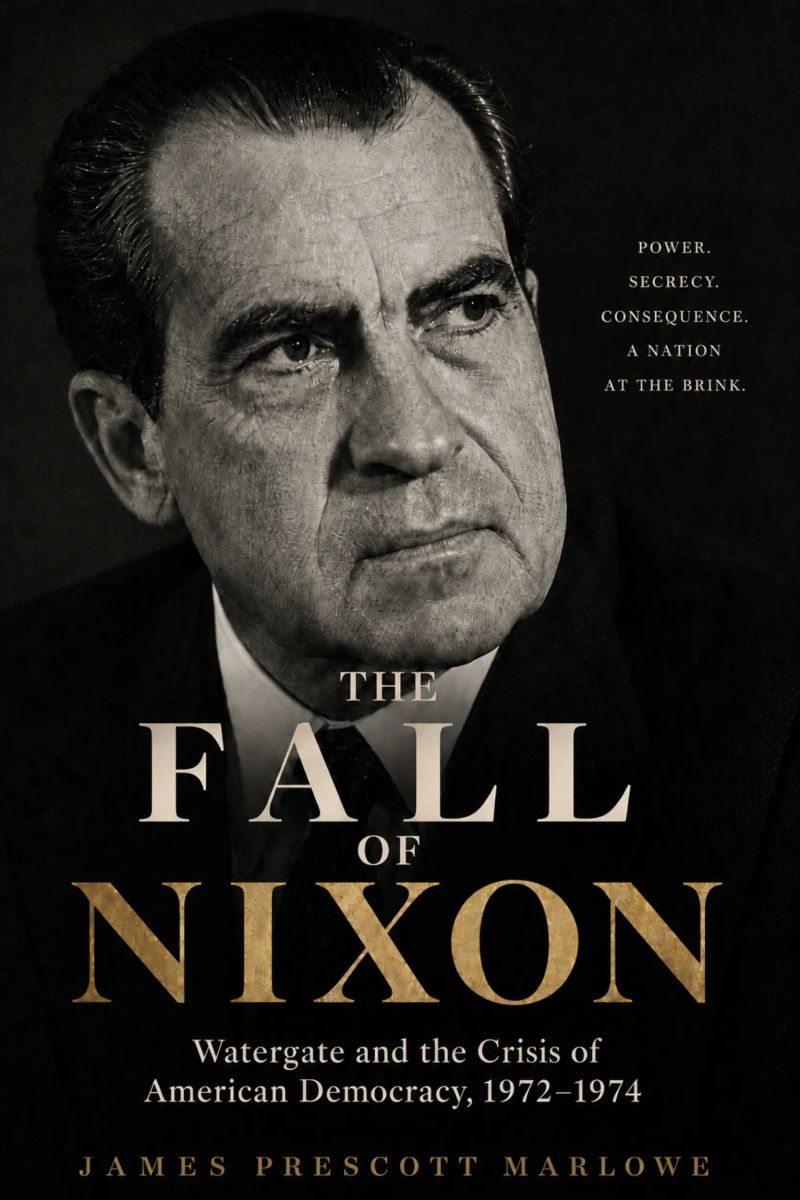
The Fall of Nixon
Watergate and the Crisis of American Democracy, 1972-1974 James Prescott MarloweBy James Prescott Marlowe


Length6h 7m
About this audiobook
Shortly after midnight on June 17, 1972, a security guard found tape covering a door latch in the Watergate complex. He called the police. The five men arrested inside the Democratic National Committee headquarters were carrying surveillance equipment, sequentially numbered bills, and a direct connection to Nixon's re-election committee. What followed was the greatest constitutional crisis since the Civil War.
James Prescott Marlowe traces the full arc of Watergate across twenty-four chapters — from CREEP's sixty-million-dollar dirty tricks operation through the cover-up's mechanics, the hush-money pipelines, and John Dean's warning to Nixon of a "cancer on the presidency." W. Mark Felt, passed over for the FBI directorship, guided Woodward and Bernstein's Washington Post investigation from inside the bureau as Deep Throat. The Saturday Night Massacre — Nixon firing special prosecutor Archibald Cox, triggering the Attorney General's resignation — accelerated the collapse. The Supreme Court ruled unanimously in United States v. Nixon that executive privilege is not absolute. Sixteen days later, Nixon resigned.
The book captures the end in full: the East Room farewell, the double V-sign on the South Lawn, Gerald Ford's "our long national nightmare is over," and the pardon that cost Ford the 1976 election. It closes with the reforms Watergate forced — campaign finance law, FISA, the Church Committee's intelligence oversight revolution — and the constitutional precedent on executive privilege that still governs American law.
Watergate proved democratic institutions can hold even the most powerful official accountable. It also proved that outcome is never guaranteed.
Audiobook details
GenreHistorical Fiction, Literary Classics, General Fiction
Length6 hrs 7 mins
Narrated byListen with 1,000+ voices
FormateBook with Audio
LanguageEnglish
Table of contents
1Introduction
2Author’s Note
3Prologue: The Break-In
4PART ONE: THE CRIME (1972)
5Chapter 1: CREEP — Nixon's Committee and the Culture of Dirty Tricks
Show all chaptersShow less
6Chapter 2: June 17, 1972 — The Watergate Burglary
7Chapter 3: The Cover-Up Begins — Hush Money, False Statements, and Obstruction
8Chapter 4: The 1972 Election — McGovern, Nixon's Landslide, and the Buried Story
9PART TWO: THE UNRAVELING (1973)
10Chapter 5: Woodward and Bernstein — The Washington Post and Deep Throat
11Chapter 6: The Senate Watergate Committee — Sam Ervin and the Public Hearings
12Chapter 7: The White House Tapes — The Saturday Night Massacre
13Chapter 8: The Enemies List — Nixon's America and the Politics of Paranoia
14PART THREE: THE END (1973-1974)
15Chapter 9: Articles of Impeachment — The House Judiciary Committee
16Chapter 10: The Supreme Court Decides — United States v. Nixon
17Chapter 11: The Smoking Gun Tape — The President Is Guilty
18Chapter 12: August 9, 1974 — Nixon Resigns
19PART FOUR: THE CAST OF CHARACTERS
20Chapter 13: Richard Nixon — The Man Who Did This
21Chapter 14: John Dean — The Counsel Who Turned
22Chapter 15: H.R. Haldeman and John Ehrlichman — The Palace Guard
23Chapter 16: Archibald Cox and Leon Jaworski — The Special Prosecutors
24PART FIVE: THE BROADER WATERGATE
25Chapter 17: The Plumbers — Ellsberg, the Pentagon Papers, and White House Crime
26Chapter 18: The CIA, FBI, and the Abuse of Government Power
27Chapter 19: The Press — Journalism, Freedom, and the Watergate Story
28Chapter 20: Gerald Ford — The Accidental President and the Pardon
29PART SIX: LEGACIES
30Chapter 21: Congressional Reforms — Campaign Finance, Intelligence Oversight, and FISA
31Chapter 22: The Imperial Presidency — Executive Power After Watergate
32Chapter 23: The Cynicism Dividend — Watergate and American Trust in Government
33Chapter 24: Nixon Rehabilitated — The Complicated Legacy of a Disgraced President
34Epilogue: The Pardon
35Acknowledgments
36Selected Bibliography
37About the Author
More from James Prescott Marlowe

The Labyrinth of the SpiritsCarlos Ruiz Zafon27h 55m4.5 (77.2K)$53 · $0.00

ShivajiRanjit Desai25h 13m4.6 (3.1K)$24 · $0.00

The Things We Cannot SayKelly Rimmer13h 48m4.5 (359.1K)$33 · $0.00

Lieutenant Hornblower (Annotated)C. S. Forester11h 41m4.5 (2.9K)$2 · $0.00

A Christmas Carol (Illustrated Edition)Charles Dickens3h 23m4.5 (21.2K)$1.99 · $0.00

Rilla of InglesideLucy Maud Montgomery11h 44m4.5 (48.2K)$2 · $0.00

The Viennese DressmakerKathryn Gauci11h 46m4.5 (2.1K)$23 · $0.00
The Man in the Brown Suit & They Came to BaghdadAgatha Christie15h 43m4.6 (495)$33 · $0.00

Under the Light of the Italian MoonJennifer Anton12h 28m4.5 (5.3K)$23 · $0.00

Jubilee, 50th Anniversary EditionMargaret Walker15h 43m4.5 (9.5K)$25 · $0.00

Pride and PrejudiceJane Austen14h 44m4.4 (4.7M)$2 · $0.00

Flying Colours (Annotated)Cecil Louis Troughton Smith9h 26m4.4 (10.1K)$2 · $0.00
With Love from HarlemReShonda Tate13h 48m4.5 (2K)$6 · $0.00

Sweet Home Highland ChristmasMay McGoldrick, Jan Coffey2h 54m4.5 (1.4K)$7 · $0.00

Rilla of InglesideL. M. Montgomery12h 25m4.4 (67.5K)$2 · $0.00

Death Comes for the Archbishop (Annotated)Willa Cather9h 13m4.4 (4.7K)$2 · $0.00

The Alice NetworkKate Quinn15h 7m4.4 (887.1K)$33 · $0.00

The Goddess of WarsawLisa Barr13h 4m4.4 (36.4K)$33 · $0.00

The Ohio River Trilogy: Betty Zane, The Spirit of the Border & The Last TrailZane Grey29h 8m4.4 (1.8K)$1 · $0.00

The Attic ChildLola Jaye14h 46m4.4 (21K)$33 · $0.00
To Kill a MockingbirdHarper Lee12h 18m4.5 (7.4M)$29 · $0.00

These Precious DaysAnn Patchett11h 14m4.5 (45.2K)$29 · $0.00

This Side of Paradise - The Original 1920 Edition (Annotated)F. Scott Fitzgerald11h 30m4.6 (1.6K)$2 · $0.00
The Great Gatsby: Original 1925 Edition (An F. Scott Fitzgerald Classic NovelFrancis Scott Fitzgerald4h 45m4.6 (9.3K)$18 · $0.00
TWELFTH NIGHTWilliam Shakespeare, Sidney Lee16h 38m4.6 (2.8K)$1.99 · $0.00

The Complete Histories / History Plays of William Shakespeare (Annotated)William Shakespeare29h 42m4.6 (2.3K)$0.99 · $0.00

Braving the TruthRachel Held Evans11h 31m4.7 (359)$29 · $0.00

The Old Man and the Sea (Annotated)Ernest Hemingway4h 27m4.6 (1.4K)$2 · $0.00

Henry V (The Play, Historical Background and Analysis of the Character in the Play)William Shakespeare, William Hazlitt8h 50m4.6 (1.3K)$1.99 · $0.00

H. P. LOVECRAFT Ultimate Collection: Novellas, Short Stories, Poetry & Essays (Annotated)H. P. Lovecraft12h 28m4.6 (2.3K)$2 · $0.00
Time RegainedMarcel Proust16h 8m4.5 (10.6K)$1.99 · $0.00
The Mis-Education of the NegroCarter Goodwin Woodson4h 32m4.5 (28.4K)$10 · $0.00

TORAH - Bilingual Edition: English/Hebrew (Annotated)Max Margolis, JPS28h 26m4.6 (1K)$2 · $0.00

Betty Crocker picture cooky bookBetty Crocker, Inc. General Mills2h 13m4.5 (6.5K)$1 · $0.00

The Complete Tales of Beatrix PotterBeatrix Potter3h 36m4.5 (75K)$3 · $0.00

Anne of Green GablesL. M. Montgomery11h 1m4.5 (1.2M)$2.30 · $0.00

Crime and Punishment (The Unabridged Garnett Translation) (Annotated)Fyodor Dostoevsky24h 25m4.5 (15.4K)$0.99 · $0.00

The North American IndianEdward S. Curtis, Frederick Webb Hodge6h4.5 (1.2K)$2 · $0.00

The Picture of Dorian Gray: The Uncensored 13 Chapter Version + The Revised 20 Chapter Version (Annotated)Oscar Wilde16h 12m4.5 (2.8K)$0.99 · $0.00

Grimoire Of The Everyday WitchIsadora Lys / Virginia Santos5h 35m4.5 (3.9K)$9 · $0.00

WhistlerAnn Patchett10h 45m4.6 (4.6K)$29 · $0.00
Demon CopperheadBarbara Kingsolver21h 3m4.5 (949.4K)$46 · $0.00
To Kill a MockingbirdHarper Lee12h 18m4.5 (7.4M)$29 · $0.00

Remarkably Bright CreaturesShelby Van Pelt11h 17m4.4 (1.7M)$29 · $0.00
The Great Gatsby: Original 1925 Edition (An F. Scott Fitzgerald Classic NovelFrancis Scott Fitzgerald4h 45m4.6 (9.3K)$18 · $0.00
Something Like LoveBeverly Jenkins10h 21m4.6 (2.7K)$29 · $0.00
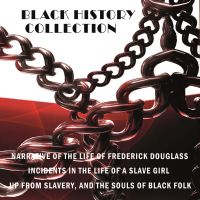
Black History CollectionFrederick Douglass, Harriet Ann Jacobs, Booker T. Washington, W.E.B. Du Bois27h 9m4.6 (2.6K)$18 · $0.00
The Old Man and the Sea (Annotated)Ernest Hemingway4h 27m4.6 (1.4K)$2 · $0.00

White HotIlona Andrews13h 18m4.5 (136.9K)$5 · $0.00

The Ghost by the Billabong (The Matilda Saga, #5)Jackie French14h 58m4.6 (773)$33 · $0.00
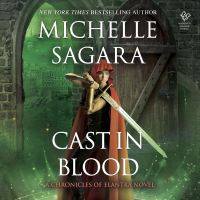
Cast in BloodMichelle Sagara16h 35m4.6 (607)$33 · $0.00
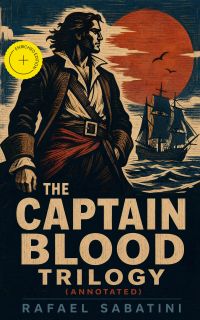
The Captain Blood Trilogy (Annotated)Rafael Sabatini29h 20m4.6 (1K)$3 · $0.00
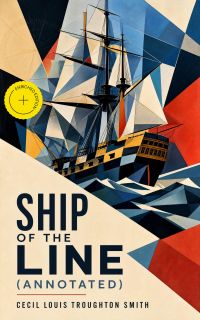
Ship of the Line (Annotated)Cecil Louis Troughton Smith11h 13m4.6 (1K)$2 · $0.00

The George Orwell CollectionGeorge Orwell24h 46m4.5 (14.4K)$12 · $0.00
ShivajiRanjit Desai25h 13m4.6 (3.1K)$24 · $0.00
Time RegainedMarcel Proust15h 38m4.5 (9.2K)$2 · $0.00

Driving ForceElle James4h 58m4.6 (407)$20 · $0.00

When God Calls the HeartBrian Bird, Michelle Cox3h 24m4.6 (439)$10 · $0.00

Five Little IndiansMichelle Good10h 34m4.5 (64.5K)$29 · $0.00
Lolth's WarriorR. A. Salvatore13h 20m4.6 (2.4K)$33 · $0.00
You may also like

StonewalledSharyl Attkisson15h 19m4.5 (4.3K)$33 · $0.00

The White LionessHenning Mankell17h 3m4.0 (30.7K)$28
The Enemy InsideSteve Martini12h 26m4.0 (6K)$29 · $0.00

The Dogs of RigaHenning Mankell10h 42m3.8 (40.4K)$20
House RulesMike Lawson11h 28m4.0 (3K)$21
Marine OneJames W. Huston12h 27m4.1 (2.7K)$23
Ninety DaysAnirudhya Mitra9h 32m4.3 (319)$18 · $0.00
The Big FourAgatha Christie6h 16m3.7 (99.2K)$1 · $0.00

Murder in the ManorRoy Lewis6h 30m4.2 (1.1K)$17
The ApprenticeGreg Miller11h 24m4.2 (1.3K)$29 · $0.00
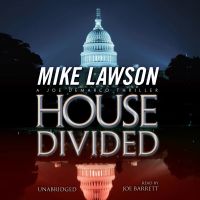
House DividedMike Lawson9h 57m4.1 (2K)$20
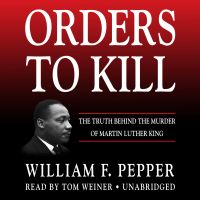
Orders to KillWilliam F. Pepper16h 39m4.2 (307)$25
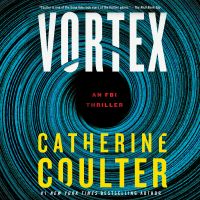
VortexCatherine Coulter9h 51m4.3 (24.1K)$29 · $0.00

The Black Banners (Declassified)Ali H. Soufan19h 15m4.4 (2.7K)$30
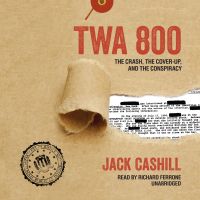
TWA 800Jack Cashill9h 4m4.0 (787)$20
Enemies WithinMatt Apuzzo, Adam Goldman8h 59m4.0 (605)$20
The Big FourAgatha Christie6h 26m3.9 (88.1K)$2.30 · $0.00
UntouchableElie Honig8h 57m4.2 (1.5K)$29 · $0.00
Den of SpiesCraig Unger12h 8m4.1 (359)$29 · $0.00
Time's WitnessMichael Malone22h 14m4.1 (1.1K)$30