
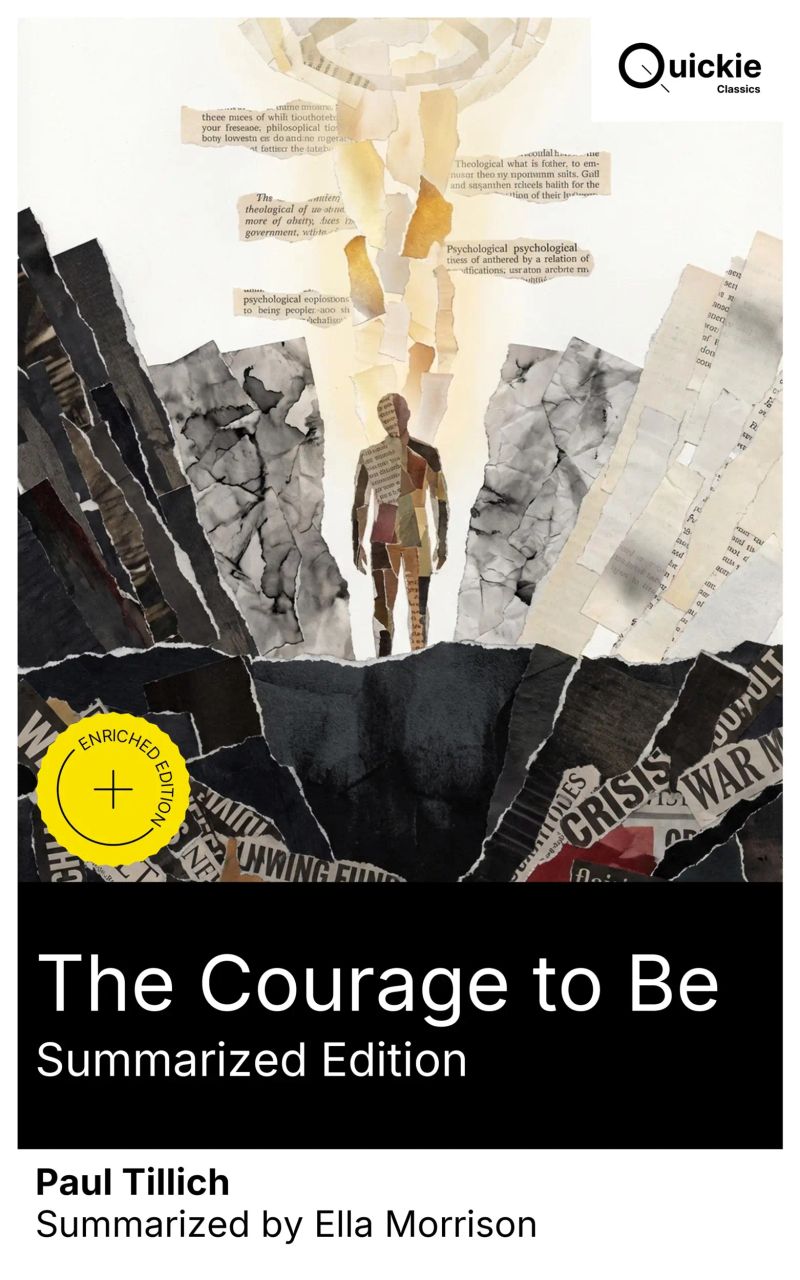
The Courage to Be (Summarized Edition)
Enriched edition. Existential and theological reflections on spiritual courage amid anxiety and faith, from Enlightenment roots to modern cultural critiqueBy Paul Tillich


Length2h 28m
About this audiobook
Drawn from the 1950 Terry Lectures, The Courage to Be fuses existential philosophy with Protestant theology to diagnose modern anxiety. Tillich parses three forms—fate and death, guilt and condemnation, emptiness and meaninglessness—and defines courage as self‑affirmation in spite of nonbeing. In dialogue with Kierkegaard, Nietzsche, and Heidegger, he culminates in the paradox of "the God above God," ground of being beyond idolatrous theism. Tillich (1886–1965), a German-American theologian shaped by service as a World War I chaplain and exile after his 1933 dismissal by the Nazis, taught at Union and Harvard. His "method of correlation" joined cultural analysis with theological symbols; engagement with art, psychoanalysis, and pastoral crises lent his reflections on anxiety both conceptual clarity and lived urgency. Readers in theology, philosophy, psychology, and pastoral care will find a compact grammar of courage that neither romanticizes suffering nor capitulates to despair. For skeptics and believers alike, this classic offers durable conceptual tools and spiritual poise for confronting finitude, doubt, and meaninglessness with disciplined honesty.
Quickie Classics summarizes timeless works with precision, preserving the author's voice and keeping the prose clear, fast, and readable—distilled, never diluted. Enriched Edition extras: Introduction · Synopsis · Historical Context · Brief Analysis · 4 Reflection Q&As · Editorial Footnotes.
Audiobook details
GenrePhilosophy
Length2 hrs 28 mins
Narrated byListen with 1,000+ voices
FormateBook with Audio
Publish dateJan 10, 2026
LanguageEnglish
Table of contents
1Introduction
5The Courage to Be
2Introduction
6Analysis
3Synopsis
7Reflection
4Historical Context
More from Paul Tillich

IlluminationsWalter Benjamin10h 12m4.4 (16.2K)$20 · $0.00
That Bird Has My WingsJarvis Jay Masters9h 49m4.4 (13.7K)$29 · $0.00

Tâo Teh KingLaozi2h 34m4.4 (230.9K)$2 · $0.00
SymposiumPlato3h 26m4.4 (97.9K)$1.20 · $0.00

Buddhist Boot CampTimber Hawkeye2h 39m4.4 (8.4K)$18 · $0.00
Enchiridion & The Discourses of Epictetus (Annotated)Arrian Epictetus18h 9m4.4 (3.5K)$2 · $0.00

The Meditations of the Emperor Marcus Aurelius AntoninusEmperor of Rome Marcus Aurelius5h 41m4.4 (1.8M)$1 · $0.00
Crime and PunishmentFyodor Dostoevsky23h 11m4.4 (1.3M)$12 · $0.00

MeditationsMarcus Aurelius5h 52m4.4 (433.7K)$1 · $0.00
Everyday DharmaSuneel Gupta5h 2m4.5 (761)$20 · $0.00
The Joyful Wisdom ("La Gaya Scienza")Friedrich Wilhelm Nietzsche11h 37m4.4 (26.6K)$1 · $0.00
The Art of LivingEpictetus, Sharon Lebell3h 16m4.4 (50.1K)$18 · $0.00
MeditationsEmperor Of Rome Marcus Aurelius7h 23m4.3 (477.5K)$1.20 · $0.00

The Imitation of ChristThomas à Kempis6h 27m4.3 (84.6K)$21 · $0.00

Sadhana: the realisation of lifeRabindranath Tagore3h 49m4.4 (8.6K)$6 · $0.00
SapiensYuval Noah Harari15h 18m4.3 (1.4M) · 1280$33 · $0.00
You BelongSebene Selassie8h 35m4.4 (2.7K)$26 · $0.00

The Song Celestial; Or, Bhagavad-Gîtâ (from the Mahâbhârata)Anonymous2h 18m4.4 (3.2K)$2 · $0.00

The KybalionThe Three Initiates3h 47m4.3 (58.7K)$20 · $0.00

Chuang Tzu: Mystic, Moralist, and Social ReformerZhuangzi14h 42m4.4 (1.2K)$1 · $0.00
You may also like
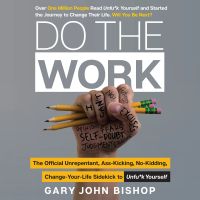
Do the WorkGary John Bishop2h 12m3.9 (3.3K)$16 · $0.00
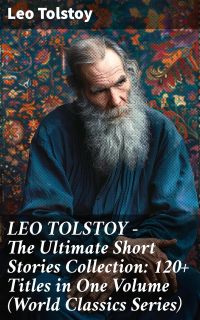
LEO TOLSTOY – The Ultimate Short Stories Collection: 120+ Titles in One Volume (World Classics Series)Leo Tolstoy99h 38m4.4 (1.2K)$1 · $0.00
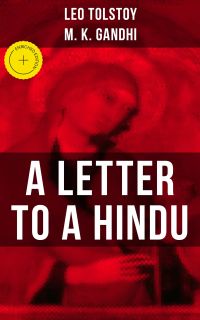
Leo Tolstoy: A Letter to a HinduLeo Tolstoy, M. K. Gandhi3h 30m3.9 (2.7K)$1.99 · $0.00
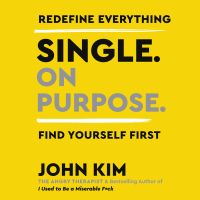
Single On PurposeJohn Kim5h 17m4.0 (12.3K)$24 · $0.00

All These Things AddedJames Allen2h 49m4.2 (966)$2.30 · $0.00

The Hormone Reset DietSara Szal Gottfried7h 15m3.7 (3.4K)$24 · $0.00

Spiritual TorrentsJeanne Marie Bouvier de la Motte Guyon4h 5m4.4 (327)$2 · $0.00
What I BelieveLeo Tolstoy7h 52m4.2 (1.1K)$1 · $0.00

As a Man ThinkethJames Allen52m4.3 (151.5K)$4.10 · $0.00
The Pilgrim’s ProgressJohn Bunyan9h 21m4.2 (196.1K)$20

Subtle Art of Not Giving a F*ck(Hindi)Mark Manson, Urmila Gupta6h 18m4.2 (15.4K)$19 · $0.00
Brain LockJeffrey M. Schwartz1h 38m4.1 (5.8K)$16 · $0.00
The Procrastination EquationPiers Steel7h 2m3.8 (4.3K)$24 · $0.00
TANTRA - The Supreme UnderstandingOSHO16h 43m4.4 (2.1K)$20 · $0.00

CourageDebbie Ford, Wayne W. Dyer6h 48m4.1 (979)$24 · $0.00

Book of Meditations for Every Day in the YearJames Allen6h 46m4.2 (770)$2.30 · $0.00

The Confessions of al-Ghazali: Rescuer from Error (Annotated)Abu Hamid al-Ghazālī2h 43m4.2 (2.8K)$2 · $0.00
It’s Not about the CoffeeHoward Behar4h 23m3.9 (2.6K)$12

Sei come pensi di essere (Tradotto)James Allen58m4.4 (1.1K)$2.30 · $0.00
Feeling BetterAndrew Richardson2h 32m$4 · $0.00