
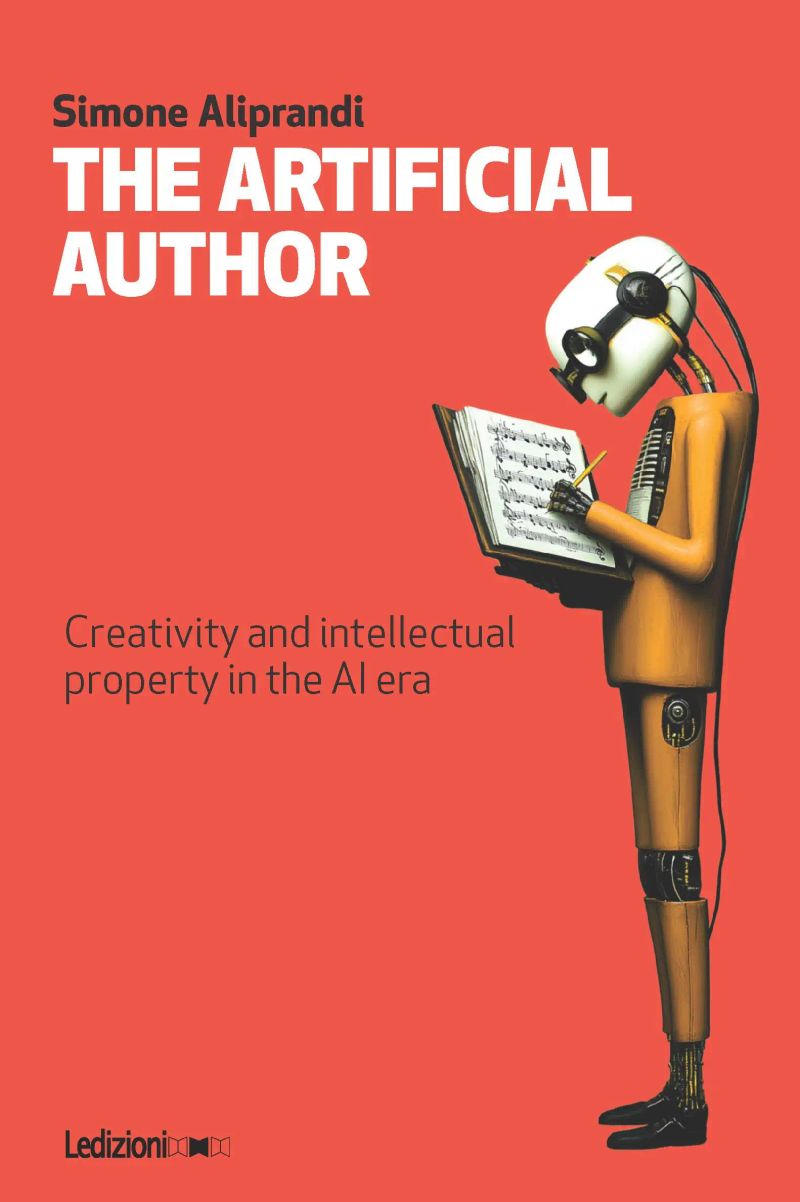
The Artificial Author
Creativity and intellectual property in the AI eraBy Simone Aliprandi


Length7h 42m
About this audiobook
The artificial author explores the theme of intellectual property in the era of generative artificial intelligence and reflects on the new concept of creativity brought by this disruptive technology.
The book questions the concept of authorship and the possibility that machines might perform much of the creative work traditionally reserved for humans, leaving the latter in the mere role of controller of the outputs obtained. Through an interesting doctrinal reflection, a precise commentary on jurisprudential cases, and a detailed survey of the terms of use of the main platforms, Simone Aliprandi offers an overview of the main emerging issues regarding copyright management of AI-generated works. The book is written in an accessible style and is intended not only for legal professionals but for all those interested in the new challenges posed by artificial intelligence in the field of creativity. The work is completed by a series of explanatory diagrams and an extensive bibliography.
Audiobook details
GenrePolitics and Government
Length7 hrs 42 mins
Narrated byListen with 1,000+ voices
FormateBook with Audio
Publish dateOct 3, 2025
LanguageEnglish
Table of contents
1Copylettori
2Introduction
3In what sense “artificial author”?
4The history of this book
5Chapter 1 – Rethinking the concept of creativity and its legal framework
Show all chaptersShow less
61. From Greek “Techne” to Generative Artificial Intelligence: The Fascinating Evolution of the Concept of Creativity
72. Authors not human but not artificial either: the parallelism with works created by animals
82.1. Most emblematic cases
92.2. Non-human creations and the clear position of the U.S. Copyright Office
103. Machine-mediated creativity: a historical problem for copyright law
114. A human-centered copyright
125. The idea of creativity for legal theory
135.1. The idea of creativity in Italian law
145.2. The concept of creativity for Anglo-American copyright
156. “It’s not art! It’s just statistics”
167. It’s all about autonomy
178. Towards a new form of authorship
188.1. Shared authorship and crowdsourced works
198.2. Hybrid authorship and the concept of meta-author
208.3. A new way of creating... and thinking?
219. Law is late and technology makes the rules
2210. The focus on liability
2311. An ethical issue too (or perhaps mainly)
24Chapter 2 – Artificial intelligence and intellectual property: the applicable principles
251. Exclusive rights over artificial intelligence systems and their models
261.1 Model in what sense
271.2. What kind of work is the model?
281.3. Exclusive rights over the software component
291.4. Exclusive rights over the database?
301.5. Exclusive rights over the “concept”. The hypothesis of patenting the model
312. The exclusive rights affected by the AI systems training activity
322.1. Primarily, the rights of authors
332.2. There are also related rights (or neighbouring rights)
342.3 But above all, there is the sui generis right
352.4. Some reflections on image rights
362.5. Some specific cases: the voices of voice actors and the images of famous people
372.6. The (all-Italian) problem related to the reproduction of cultural heritage
38Chapter 3 – The central issue of AI training
391. Just another scraping of the internet
402. The so-called text and data mining
413. The insidious misunderstanding
424. The recurring (and wrong) question: do AIs “plagiarize” works?
435. Do generative AIs copy artists’ style (and thus infringe copyright for that)?
446. A new market is born: licenses for training AI systems
457. Fair use and transformative use: the U.S. approach
468. The viewpoint of European law
478.1. The 2019 CDSM directive and the text and data mining exception
488.2. The 2020 Resolution and the AI Act
49Chapter 4 – The most interesting copyright infringement lawsuits in AI training
501. Introduction
Series
More from Simone Aliprandi
Fare Open AccessSimone Aliprandi, Nicola Cavalli, Elena Giglia, Valeria Scotti, Ivana Truccolo5h 56m$4

Pillole di Diritto per Creativi e MusicistiSimone Aliprandi3h 4m$4
Cognitive DesignSimone Aliprandi4h$11 · $0.00
Cronache dalla raduraSimone Aliprandi3h 38m$6
Capire il CopyrightSimone Aliprandi4h 54m4.2 (28)$4
CREATIVE COMMONS: GUIA DE USUARIOSimone Aliprandi3h 8m$6
Creative Commons: manuale operativoSimone Aliprandi3h 52m$3

Apriti standard! Interoperabilità e formati aperti per l'innovazione tecnologicaSimone Aliprandi5h 19m$3
SIAE. Funzionamento e malfunzionamentiSimone Aliprandi5h 46m$4

How to Test Negative for StupidJohn Kennedy8h 13m4.7 (9.7K)$28 · $0.00

Black AF HistoryMichael Harriot15h 43m4.7 (14.6K)$33 · $0.00
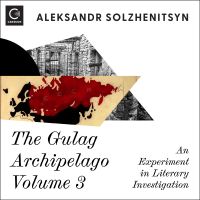
The Gulag Archipelago Volume 3Aleksandr I. Solzhenitsyn21h 56m4.7 (8.9K)$46 · $0.00
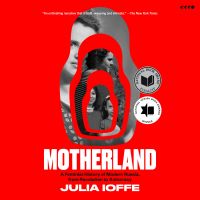
MotherlandJulia Ioffe17h 52m4.7 (2.5K)$40 · $0.00

HostageEli Sharabi5h 25m4.6 (10.8K)$24 · $0.00
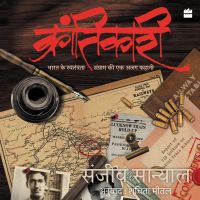
KrantikariSanjeev Sanyal11h 44m4.6 (1.3K)$16 · $0.00

Unbroken Bonds of BattleJohnny Joey Jones8h 31m4.6 (2.6K)$8 · $0.00
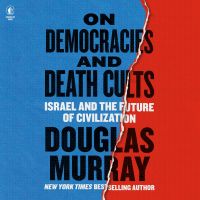
On Democracies and Death CultsDouglas Murray10h 38m4.6 (6.5K)$29 · $0.00

Balcony Over Jerusalem: A Middle East Memoir - Israel, Palestine and BeyondJohn Lyons12h 37m4.6 (1.4K)$33 · $0.00
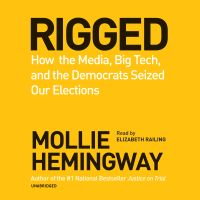
RiggedMollie Hemingway12h 48m4.6 (4.2K)$23 · $0.00

SledgehammerDavid Friedman8h 21m4.7 (589)$26 · $0.00
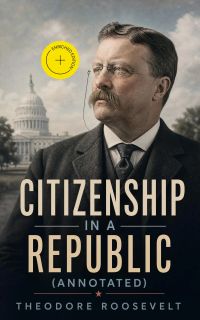
Citizenship in a Republic (Annotated)Theodore Roosevelt2h 44m4.6 (1.4K)$2 · $0.00
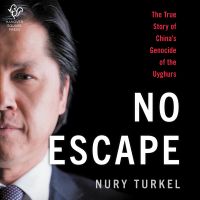
No EscapeNury Turkel9h 30m4.6 (809)$28 · $0.00

Always FaithfulThomas Schueman, Zainullah Zaki12h 12m4.6 (977)$29 · $0.00
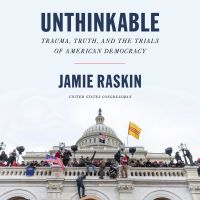
UnthinkableJamie Raskin15h 8m4.5 (9.3K)$8 · $0.00
My Fourth Time, We DrownedSally Hayden13h 59m4.6 (2.9K)$23 · $0.00
A Revolution of Common SenseScott Jennings9h 29m4.6 (528)$29 · $0.00
Statement From the Dock at the Rivonia TrialNelson Mandela2h 18m4.6 (1.3K)$1 · $0.00

Lessons from the EdgeMarie Yovanovitch17h 11m4.5 (5.9K)$40 · $0.00
To Rescue the American SpiritBret Baier10h 12m4.5 (2.7K)$8 · $0.00
You may also like
12 BytesJeanette Winterson9h4.0 (2.5K)$20
Day Trading AttentionGary Vaynerchuk8h 25m4.3 (1.8K)$28 · $0.00
Collected Writings of Nikola TeslaThomas Commerford Martin, Nikola Tesla19h 42m4.4 (2.8K)$1.99 · $0.00
ITIL Foundation Essentials ITIL 4 Edition - The ultimate revision guide, second editionClaire Agutter1h 12m4.2 (462)$27 · $0.00
The Creativity CodeMarcus du Sautoy9h 54m4.0 (2.2K)$20 · $0.00
Tesla: The Problem of Increasing Human EnergyNikola Tesla5h 38m4.2 (1.9K)$1.99 · $0.00
AutonomyLawrence D. Burns, Christopher Shulgan11h 21m4.1 (1.1K)$29 · $0.00
The Future Ready OrganizationGyan Nagpal7h 44m4.3 (35)$26 · $0.00
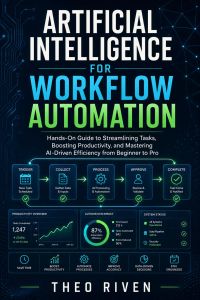
Artificial Intelligence for Workflow AutomationTheo Riven3h 25m$5
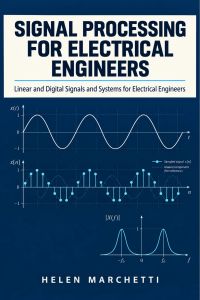
Signal Processing for Electrical EngineersHelen Marchetti12h 6m$80
Me, My Customer, and AIHenrik Werdelin, Nicholas Thorne3h 41m3.3 (16)$20

Edge-AI-Engineering Wie man Künstliche Intelligenz am Netzwerkrand Aufbaut, Bereitstellt und OptimiertSloane Garrett6h 33m$13 · $0.00
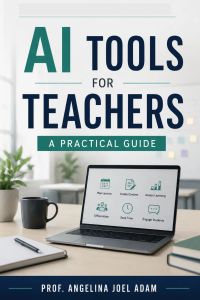
AI Tools for TeachersProf. Angelina Joel Adams2h 25m$6.50 · $0.00
Programming Core Algorithms and Data StructuresNora Delaney13h 12m$85
Chatgpt Complete GuideJoaquin Gener1h 23m$6 · $0.00
Introduction to AI and Machine LearningDisrupt.co.nz1h 23m$1.20 · $0.00
Artificial IntelligenceJ.C.Lesko2h 43m$15 · $0.00
Fair GameRob Collie9h 39m3.9 (32)$20 · $0.00
DriverlessHod Lipson, Melba Kurman9h 57m3.9 (552)$20
Master AiHenrique Xavier Oliveira2h 5m$6 · $0.00