


Length3h 26m
About this audiobook
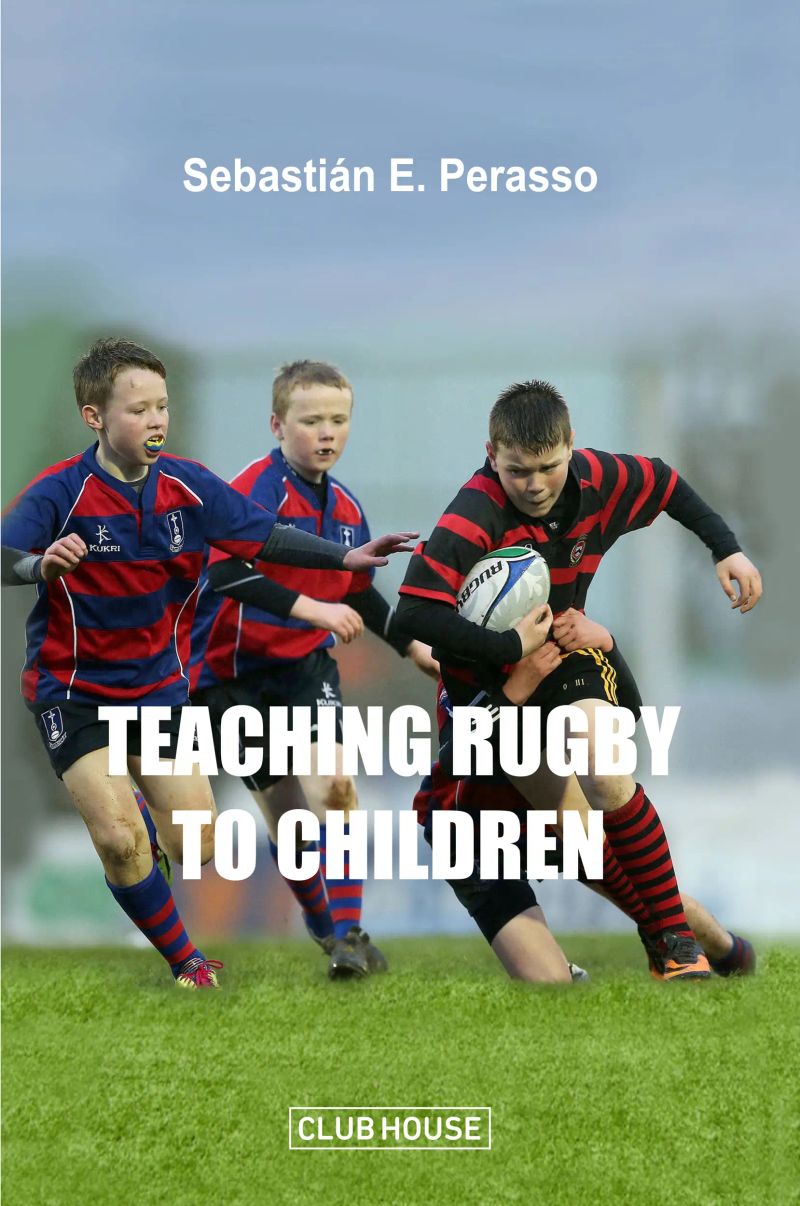
This book is an indispensable contribution for all those who coach under age rugby (from six to fourteen years). With a simple language, the author deploys the necessary tools so that the coaches can provide an integral education to the child, which implies to settle skills in the player and values in the person. All are invited to enter the universe of children's rugby, an exciting place and at the same time different, unique, that leaves deep traces in the lives of thousands of kids who practice this fabulous sport named Rugby.
Audiobook details
GenreOther
Length3 hrs 26 mins
Narrated byListen with 1,000+ voices
FormateBook with Audio
Publish dateJun 9, 2019
LanguageEnglish
Table of contents
1Dedication
2Thanks
3Prologue
4Introduction
5About the book
Show all chaptersShow less
6CHAPTER I. FUNCTIONS OF THE COACH
7The task of organising
8How to reduce the managerial tasks
9Organisational tips
10Administrative tasks
11The coach as a referee
12The role of the communicator
13General outlook: emotional disconnection
14Previous requirement: catching children’s attention
15Verbal communication
16Communicational abilities
17Management styles
18The task of managing
19Aptitudes of a leader
20Two ways of leading: power and authority
21Teaching styles
22The coach’s relationship with the players
23Ensuring safety
24Physical safety
25Affective safety
26CHAPTER II. THE PROFILE OF THE COACH AS AN EDUCATOR
27The educational task
28Situation framework
29Action field
30The biggest challenge
31The road to success
32CHAPTER III. TRAINING
33Principles and goals of training
34Principles
35Goals of the training sessions
36Planning
37Previous considerations
38Guide to planning
39Guidelines and requirements
40Guidelines to consider
41Requirements for a training session
42CHAPTER IV. GUIDELINES ON EDUCATION
43Inviting them to think
44Searching for the lost wisdom
45Tools to act and decide
46Basic premises
47Characteristics of the child
48Motivations of the child
49Basic premises
50Rewards and punishments
Series
More from Sebastián E. Perasso

Mere ChristianityC. S. Lewis7h 7m4.4 (519.7K)$24 · $0.00

Her Daily BreadKate Wood12h 57m4.6 (153)$33 · $0.00
The Holy Bible - 1 SamuelKing James2h 13m4.8 (1.6K)$3 · $0.00
The American Standard Bible — The Gospel of MatthewMatthew3h 56m4.7 (3K)$2 · $0.00
Bad Fat Black GirlSesali Bowen6h 32m4.7 (2.8K)$24 · $0.00
The King James Audio Bible New Testament CompleteChristopher Glyn20h 2m4.7 (2.6K)$12 · $0.00
Faiths CheckbookCharles Spurgeon12h 44m4.7 (3.2K)$11 · $0.00
Ten Things I Wish You Knew About Your Child's Mental HealthDr. Billy Garvey4h 53m4.7 (2.4K)$20 · $0.00

Designing Terry Pratchett’s DiscworldPaul Kidby3h 52m4.7 (343)$20 · $0.00
The Chosen Book OneAmanda Jenkins, Kristen Hendricks, Dallas Jenkins3h 8m4.6 (4.9K)$10 · $0.00
The Lives of BrianBrian Johnson9h 45m4.6 (3.5K)$29 · $0.00
Expository Thoughts on the Gospel of LukeJ.C. Ryle27h 13m4.7 (536)$18 · $0.00
CrossroadsKaleb Dahlgren7h 56m4.6 (4.9K)$26 · $0.00

Across the RiverKent Babb11h 40m4.6 (927)$29 · $0.00
Brain Training for RidersAndrea Monsarrat Waldo5h 56m4.7 (550)$19 · $0.00

My Effin' LifeGeddy Lee17h 11m4.6 (13.1K)$40 · $0.00
Kings and PawnsHoward Bryant10h 9m4.6 (678)$29 · $0.00

The Elementia Chronicles #2: The New OrderSean Fay Wolfe11h 17m4.6 (841)$29 · $0.00

The ActsLuke2h 55m4.6 (19.7K)$12 · $0.00

New Testament - Easy NavigationWorld English Bible19h 35m4.6 (1.3K)$1.30 · $0.00
You may also like
Pinkalicious and the PinkettesVictoria Kann6m4.1 (2.4K)$4 · $0.00
Success Is the Only OptionJohn Calipari, Michael Sokolove7h 31m4.2 (365)$26 · $0.00
Tell Me I'm an ArtistChelsea Martin7h 15m3.9 (1.9K)$17

The Portrait of a LadyHenry James26h 5m3.9 (116.7K)$1.20 · $0.00
What Maisie KnewHenry James9h 6m3.7 (7.3K)$8 · $0.00

Sinister Street, Vol 1Compton MacKenzie17h 5m3.9 (2K)$2.30

The Maddie DiariesMaddie Ziegler4h 31m3.9 (4.8K)$20 · $0.00

The Professor (Annotated)Charlotte Brontë11h 48m3.9 (25.9K)$1.99 · $0.00
Searching for Bobby FischerFred Waitzkin8h 48m4.1 (2.1K)$17 · $0.00
Stacey's Remarkable BooksStacey Abrams12m4.5 (1.4K)$4 · $0.00
The Curmudgeon’s Guide to Getting AheadCharles Murray3h 10m3.9 (2.4K)$14

Mary JaneJessica Anya Blau9h 45m4.2 (166.6K)$29 · $0.00
Splat the Cat and the HotshotRob Scotton6m4.1 (326)$4 · $0.00

Dr. Montessori's Own HandbookMaria Montessori2h 42m4.3 (1.3K)$10 · $0.00
From Management to LeadershipOmar Periu6h 50m$35

Mary Wollstonecraft's Original StoriesMary Wollstonecraft2h 4m3.9 (96)$2 · $0.00

Dick Prescott's First Year at West Point; Or, Two Chums in the Cadet GrayH. Irving Hancock3h 40m4.1 (55)$2 · $0.00

Raising a Puppy You'll Be Proud OfClaire Bennett6h 21m$9

The Perfect Backpack (Pixi Bedtime Stories 69)Ruth Rahlff4m$2 · $0.00

My First Day (A Bugville Jr. Story)R. Stanek16m4.1 (12)$4 · $0.00