
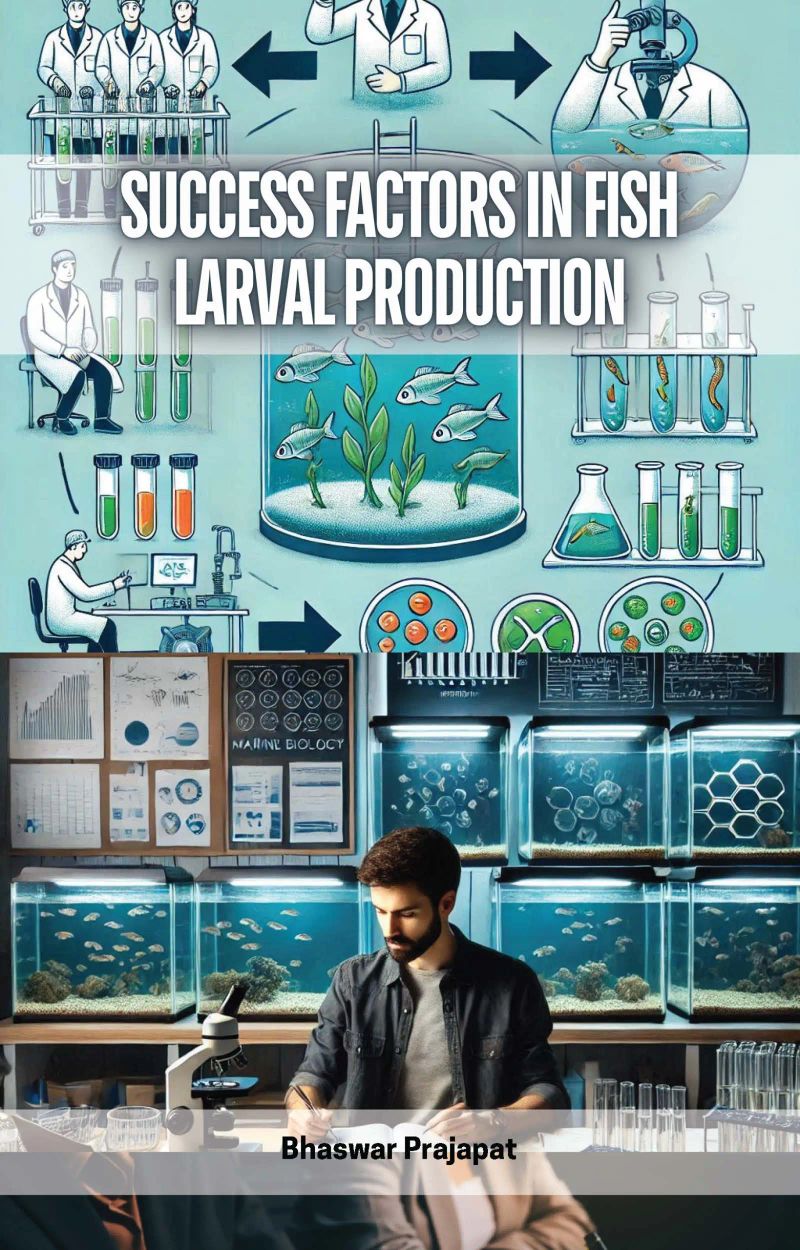
Success Factors in Fish Larval Production
By Bhaswar Prajapat


Length12h 51m
About this audiobook
"Success Factors in Fish Larval Production" is a vital resource for aquaculturists and researchers, offering comprehensive insights into the key elements for sustainable fish population growth. We delve into crucial aspects such as water quality, nutrition, genetics, disease management, and technological advancements.Maintaining optimal water conditions is essential for larval fish survival and growth. We emphasize the importance of regular monitoring of temperature, salinity, pH, and dissolved oxygen levels, providing guidelines for achieving these conditions. Nutrition is another critical aspect, detailing dietary requirements and the use of high-quality, nutrient-rich feeds. We also explore live feeds like rotifers and Artemia and strategies for transitioning to formulated diets.Genetics plays a significant role in enhancing fish larvae quality and resilience. We discuss selective breeding practices leading to higher survival rates and better disease resistance. Disease management is also highlighted, with preventive measures and treatment options to minimize infections.Technological advancements are pivotal for efficient larval rearing. We cover the latest innovations, from automated feeding systems to advanced water quality monitoring tools, offering practical applications for integrating new technologies into production systems.This guide is indispensable for anyone involved in fish larval production, ensuring sustainable and effective practices.
Audiobook details
GenreScience and Nature, Education and Learning
Length12 hrs 51 mins
Narrated byListen with 1,000+ voices
FormateBook with Audio
Publish dateFeb 20, 2025
LanguageEnglish
Table of contents
1Introduction to Fish Larval Production
21.1 Importance of Fish Larval Production
31.2 Overview of Fish Larvae
4Developmental Stages of Fish Larvae
5Physiological Characteristics of Fish Larvae
Show all chaptersShow less
6Ecological Significance of Fish Larvae: Challenges and Opportunities in Fish Larval Production
71.3 Historical Perspective
8Introduction to Fish Larval Production: Historical Perspective
9Ancient Origins: A Glimpse into the Past
10Medieval Aquaculture: Innovations and Experimentation
11Industrial Revolution: Technological Revolution in Aquaculture
12Modern Aquaculture: Science and Sustainability
13Looking Ahead: Challenges and Opportunities
141.4 Current Challenges
151.5 Future Trends
161.6 Ethical Considerations
171.7 Sustainability Practices
18Introduction to Fish Larval Production: Sustainability Practices
191.8 Conclusion and Overview of Subsequent Chapters
20Introduction:
211.1 Importance of Fish Larval Production
221.2 Overview of Fish Larvae
231.3 Historical Perspective
241.4 Current Challenges
251.5 Future Trends
261.6 Ethical Considerations
271.7 Sustainability Practices
281.8 Conclusion and Overview of Subsequent Chapters
291.1 Importance of Fish Larval Production
301.2 Overview of Fish Larvae
311.3 Historical Perspective
321.4 Current Challenges
331.5 Future Trends
341.6 Ethical Considerations
351.7 Sustainability Practices
36Water Quality Management
372.1 pH Levels
382.2 Temperature Control
392.3 Dissolved Oxygen Levels
402.4 Ammonia and Nitrite Levels
412.5 Salinity Management
422.6 Filtration Systems
432.7 Biosecurity Measures
442.8 Case Studies and Best Practices
452.1 pH Levels
462.2 Temperature Control
472.3 Dissolved Oxygen Levels
482.4 Ammonia and Nitrite Levels
492.5 Salinity Management
502.6 Filtration Systems
More from Bhaswar Prajapat
A Brief History of IntelligenceMax S. Bennett12h 18m4.6 (6.6K)$29 · $0.00
The Story of BirdsSteve Brusatte11h 49m4.6 (401)$29 · $0.00

Life On Earth 40th Anniversary EditionSir David Attenborough12h 27m4.6 (6.5K)$29 · $0.00

BeyondStephen Walker15h 39m4.6 (3.2K)$33 · $0.00

LiftoffEric Berger9h 4m4.6 (9.5K)$29 · $0.00
Black Earth WisdomLeah Penniman11h 54m4.6 (577)$8 · $0.00

Total Cat MojoJackson Galaxy10h 13m4.5 (8.4K)$23 · $0.00

My Life Among the UnderdogsTia Torres5h 51m4.5 (4K)$24 · $0.00
What It Takes to Save a LifeKwane Stewart6h4.6 (556)$24 · $0.00

Pastoral SongJames Rebanks8h 35m4.5 (12K)$26 · $0.00

How Stella Learned to TalkChristina Hunger7h4.5 (10.9K)$24 · $0.00
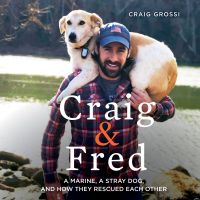
Craig & FredCraig Grossi8h 6m4.5 (9.6K)$26 · $0.00
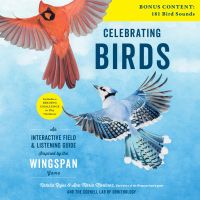
Celebrating BirdsNatalia Rojas, Ana Maria Martinez6h 47m4.6 (330)$24 · $0.00

Saving JemimaJulie Zickefoose4h 59m4.5 (749)$20 · $0.00

Will's Red CoatTom Ryan8h 23m4.5 (2.3K)$26 · $0.00

Of Time and TurtlesSy Montgomery10h 34m4.5 (5K)$29 · $0.00
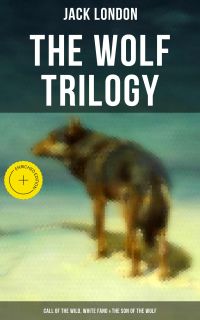
THE WOLF TRILOGY: Call of the Wild, White Fang & The Son of the WolfJack London17h 31m4.5 (2.4K)$1.99 · $0.00

Zen and the Art of Saving the PlanetThich Nhat Hanh9h 20m4.5 (3.9K)$29 · $0.00

BLACK BEAUTY (With Original Illustrations)Anna Sewell7h 31m4.5 (1.3K)$1.99 · $0.00
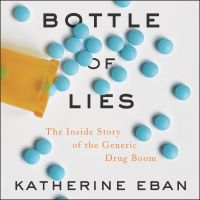
Bottle of LiesKatherine Eban14h 25m4.4 (12K)$33 · $0.00
A Brief History of IntelligenceMax S. Bennett12h 18m4.6 (6.6K)$29 · $0.00

HomeschooledStefan Merrill Block7h 10m3.6 (18.5K)$28 · $0.00

Life on the BridgeKaelynn Partlow5h 40m4.6 (1.1K)$24 · $0.00

EXPERIENCE AND EDUCATION – Premium Edition (Including Democracy & Education) (Annotated)John Dewey19h 17m4.6 (1K)$2 · $0.00

WitnessAriel Burger8h 1m4.6 (1.3K)$20 · $0.00

EducationEllen G. White9h 41m4.6 (1.5K)$2 · $0.00

Parents and Children (Annotated)Charlotte Mason9h 23m4.6 (988)$2 · $0.00

Children Under FireJohn Woodrow Cox10h 17m4.5 (1.6K)$29 · $0.00

The State Must ProvideAdam Harris7h 15m4.5 (775)$24 · $0.00

The Call of the Wild and FreeAinsley Arment9h 7m4.4 (21.2K)$29 · $0.00
The Freelance WayRobert Vlach19h 48m4.5 (528)$40 · $0.00
Race to the BottomLuke Rosiak9h 20m4.5 (600)$29 · $0.00

They Came for the SchoolsMike Hixenbaugh9h 5m4.5 (2.6K)$8 · $0.00

Find Me UnafraidKennedy Odede, Jessica Posner11h 11m4.5 (2.7K)$29 · $0.00

Asking for ItKate Harding8h 55m4.4 (5.3K)$20 · $0.00
Defining Moments in Black HistoryDick Gregory7h 37m4.4 (6K)$26 · $0.00

The Emerald Tablets of Thoth the AtlanteanMaurice Doreal3h 4m4.4 (8.8K)$6 · $0.00

Learning AmericaLuma Mufleh6h 37m4.4 (564)$24 · $0.00
Math-ishJo Boaler7h 21m4.4 (588)$24 · $0.00

Daddy-Long-LegsJean Webster12h 18m4.2 (91K)$1.99 · $0.00
You may also like

The Zero Marginal Cost SocietyJeremy Rifkin14h 14m3.9 (3.2K)$23 · $0.00
The Shark’s PaintbrushJay Harman11h 50m4.1 (459)$20
Let There Be WaterSeth M. Siegel8h 36m4.2 (2.3K)$20 · $0.00

The Longevity DietValter Longo PhD6h 11m4.0 (8.8K)$20
SustainabilityDorothea Ernst1h 57m$10 · $0.00

A Better PlanetDaniel C. Esty14h 40m3.9 (85)$23
The Nature of Our CitiesNadina Galle9h 35m$29 · $0.00
Ninja FutureGary Shapiro8h 24m4.0 (134)$26 · $0.00
How To Spend a Trillion DollarsRowan Hooper8h 19m3.9 (505)$14 · $0.00

Agribusiness Management in Sustainable Agricultural EnterprisesRichard Skiba26h 27m$7 · $0.00
Innovating To ZeroSarwant Singh6h 26m$24 · $0.00

The Life on a FarmKidsChoice1h$12 · $0.00
Nature and ManEdwin Ray Lankester1h 56m$2 · $0.00

Biology for Curious KidsLaura Baker3h 13m4.4 (122)$11 · $0.00

Business Englisch lernen Audio – Unangemeldete AnrufeMelita Cameron-Wood57m$17
Livestock TechnologyOrganizer: Roger Rodrigo Dos Santos – Editor: Adriano Stephan Nascente1h 37m$22 · $0.00
The Nation's River: A report on the PotomacUnited States. Department of the Interior5h 39m$2 · $0.00
Circular HealthIlaria Capua3h 4m3.8 (58)$12 · $0.00
Climate ChangeScientific American8h 36m4.1 (32)$20

Maine CDL Permit and Endorsement Test Prep 2026/2027Wendell Tollgard15h 30m$20