

Stop Mental Replay: How to Shut Down Overthinking After Conflict
Simple Techniques to Calm Your Mind and Stop Endless Thought LoopsBy György Majernyik


Length1h 8m
About this audiobook
Stop Mental Replay is a practical guide for anyone who struggles with overthinking after conversations, conflicts, or awkward situations. Many people replay moments in their mind for hours, analyzing what they said, what others might think, and what they should have done differently.
This book explains why the brain gets stuck in these mental loops and how to break them quickly. Through simple psychological techniques, practical exercises, and clear explanations, readers will learn how to interrupt overthinking, calm their mind, and regain control of their focus.
If you often find yourself replaying conversations, worrying about how others perceived you, or struggling to move on after small conflicts, this book will show you how to stop the mental replay and move forward with confidence.
Audiobook details
GenreSelf-Help
Length1 hr 8 mins
Narrated byListen with 1,000+ voices
FormateBook with Audio
Publish dateMar 5, 2026
LanguageEnglish
Table of contents
1Stop Mental Replay How to Shut Down Overthinking After Conflict
2Introduction
3Chapter 1: Understanding the Overthinking Loop
4Chapter 2: The Ego and Social Discomfort
5Chapter 3: Separating Facts from Interpretation
Show all chaptersShow less
6Chapter 4: The Observer Perspective
7Chapter 5: Interrupting Thought Patterns
8Chapter 6: Using the Body to Reset the Mind
9Chapter 7: Creating Psychological Closure
10Chapter 8: The Power of Breathing
11Chapter 9: Writing to Release Mental Tension
12Chapter 10: Future Perspective Thinking
13Chapter 11: Choosing One Action
14Chapter 12: The 24nHour Reflection Rule
15Chapter 13: Understanding Threat Detection
16Chapter 14: Returning to the Present Task
17Chapter 15: The Checking Trap
18Chapter 16: Interpreting Silence Correctly
19Chapter 17: The Role of Movement
20Chapter 18: Discomfort vs. Danger
21Chapter 19: Emergency Mental Reset
22Chapter 20: Trusting Your Ability to Handle Problems
23Conclusion
More from György Majernyik

Learning to PrayJames Martin13h 24m4.5 (3.4K)$33 · $0.00

Autism Out Loud: the instant New York Times Bestseller. Moving Stories and Parenting Lessons Learned from Three Mothers of Children with AutismKate Swenson, Carrie Cariello, Adrian Wood8h 41m4.8 (2.1K)$26 · $0.00

The StepsSylvester Stallone9h 4m4.8 (635)$29 · $0.00

Swayam Ki AwaazPrem Rawat8h 34m4.7 (1.1K)$26 · $0.00

Forever BoyKate Swenson9h 27m4.7 (5K)$29 · $0.00

You Are Worth ItKyle Carpenter, Don Yaeger8h 53m4.7 (4.8K)$29 · $0.00

The Happiest Man on EarthEddie Jaku3h 48m4.6 (178K)$7 · $0.00

Finding MeViola Davis9h 15m4.6 (256.4K)$29 · $0.00

Spiritual AnatomyDaaji Kamlesh D. Patel9h 47m4.7 (319)$29 · $0.00

The Dangerous Truth about Today’s MarijuanaLaura Stack CSP, MBA9h 57m4.7 (385)$20 · $0.00

The Gospel according to Spiritualism (Translated)Allan Kardec14h 39m4.6 (3.9K)$5.70 · $0.00

Birdie & HarlowTaylor Wolfe7h 50m4.6 (6.5K)$26 · $0.00

CrossroadsKaleb Dahlgren7h 56m4.6 (4.9K)$26 · $0.00

Life on the BridgeKaelynn Partlow5h 40m4.6 (1.1K)$24 · $0.00

Keep Your Love OnDanny Silk9h 4m4.6 (8.1K)$10 · $0.00

The Tao of Joy Every DayDerek Lin10h 24m4.6 (762)$20 · $0.00

UndividedVicky Beeching9h 2m4.6 (1.3K)$29 · $0.00

HE CAN WHO THINKS HE CAN & OTHER BOOKS ON SUCCESSOrison Swett Marden5h 54m4.6 (1.2K)$1.99 · $0.00
Level UpRob Dial7h 42m4.6 (3.3K)$26 · $0.00

Burn the HaystackJennie Young, PhD9h 30m4.6 (543)$29 · $0.00
You may also like
Your Brain at WorkDavid Rock9h 42m4.2 (15.2K)$29 · $0.00

My Magic BreathNick Ortner, Alison Taylor4m4.3 (1.7K)$4 · $0.00
Boost Your BrainMajid Fotuhi9h 58m4.1 (414)$29 · $0.00

Head StrongDave Asprey10h 41m3.9 (4.7K)$29 · $0.00

Talks To Teachers On Psychology; And To Students On Some Of Life's IdealsWilliam James7h 55m4.2 (1.7K)$1 · $0.00
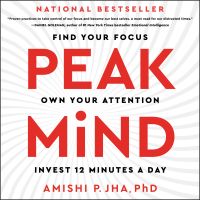
Peak MindAmishi P. Jha9h 29m4.1 (3.8K)$29 · $0.00
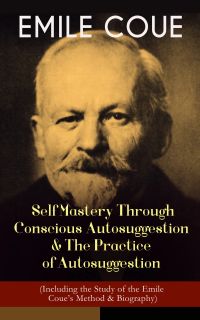
EMILE COUE: Self Mastery Through Conscious Autosuggestion & The Practice of Autosuggestion (Including the Study of the Emile Coue's Method & Biography)Emile Coue6h 9m4.2 (2.7K)$2 · $0.00

The Brain Fog FixDr. Mike Dow7h 43m3.8 (5.8K)$17

Your Mind and How to Use It: A Manual of Practical Psychology (Unabridged) (Annotated)William Walker Atkinson6h 3m4.1 (2.2K)$2 · $0.00

The Sleep Well ProjectSara Melo2h 41m$1.80 · $0.00

Put Anxiety to RestDr. Larry Iverson, Dr. Mort Ormon5h 17m$23

Becoming More Effective on the JobMade for Success36m$5

Power Speed-Reading Performance SystemLiv Montgomery2h 9m2.2 (16)$15

Intermittent FastingEthan D. Anderson12h 22m3.9 (23)$6.30 · $0.00

Focus and Concentration Made EasyAi Percy10m$6 · $0.00

Sleep Better TonightDr. ElEanor Hwang6h 16m$11 · $0.00
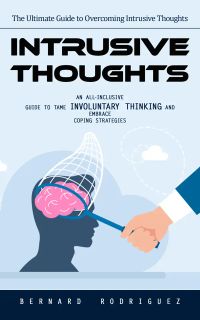
Intrusive Thoughts: The Ultimate Guide to Overcoming Intrusive Thoughts (An All-inclusive Guide to Tame Involuntary Thinking and Embrace Coping Strategies)Bernard Rodriguez1h 57m$3.50 · $0.00
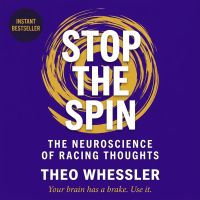
Stop the SpinTheo Whessler9h 9m$15 · $0.00

YOUR MIND & HOW TO USE ITWilliam Walker Atkinson6h 2m3.9 (611)$1.99 · $0.00

Master Any Subject in Four Simple Steps Using the Feynman TechniqueBenjamin Ofner2h 46m$3.50 · $0.00