
Audio only
Length5h 22m
About this audiobook
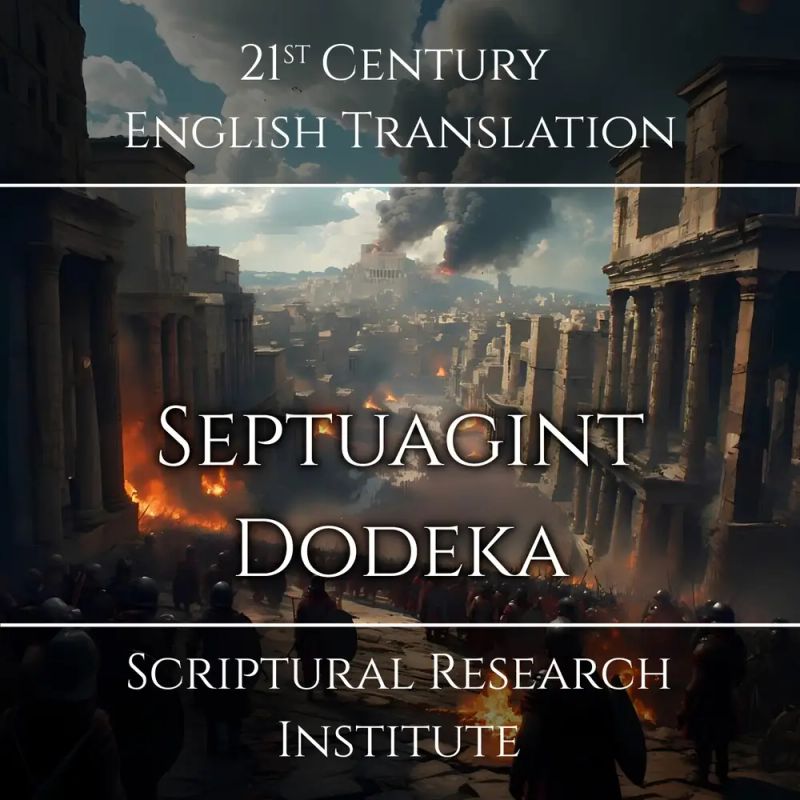
In the mid 3rd century BCE, King Ptolemy II Philadelphus of Egypt ordered a translation of the ancient Israelite scriptures for the Library of Alexandria, which resulted in the creation of the Septuagint. The Dodeka would eventually be added to the Septuagint as the Book of Dodeka circa 140 BCE, and then much later be divided into its twelve constituent books by the early Christians in the 3rd century CE, subsequently called the twelve minor prophets. The books comprising the Dodeka all date from between 900 and 400 BCE, and represent the works of twelve ancient prophets, which in the original Greek translation, represented several different gods. These were not generally Judahite prophets, but Israelite prophets, mostly living the age before King Josiah banned the old gods, in approximately 632 BCE.
Some scholars debate whether the Prophets section was in the version published in 132 BCE, and suggest it may not have been added until the early 1st century BCE; however, the twelve “minor” prophets, as Christians call them, appear to have been translated into Greek circa 190 BCE. Hosea was not originally in the Greek version of the twelve books, known as the Dōdeka in Greek, and circulated independently. The Hebrew translation of the twelve books, known as the Šǝnêm ʿĀśār, included Hosea as one of the Twelve and merged the Book of Shadrach into the Book of Zakharian. The twelve books are set during the decline of the old Samaritan and Judahite Kingdoms, parallel to the histories contained in the Septuagint’s books of Kingdoms and Paralipomena.
The books of Amos and Micah are set during the 8th century BCE, when the kingdom of Samaria fought a series of wars against its more powerful northern neighbor, Assyria, ultimately being conquered by the Neo-Assyrian Empire circa 722 BCE. The books of Joel, Obadiah, and Jonah follow, although their exact settings are not clear. The books of Nahum, Habakkuk, and Zephaniah follow, generally dated to the 7th century BCE, as the Kingdom of Judea struggled for its survival between the powers of the time, Assyria to the north, Egypt to the south, and Babylon to the east, ultimately being devastated by the Neo-Babylonian Empire circa 586 BCE, and conquered outright in 553 BCE. There is a gap in the prophets during the era when Babylon ruled Judea, and they continue with the books of Haggai and Zakharian in the late 5th century, after the Persians had conquered the Babylonian Empire.
The books of Shadrach and Angel are more difficult to date. Shadrach could be interpreted as written between 880 and 870 BCE, or between 609 and 605 BCE, based on the geography of the manuscript. The angel in book of the Angel may date to circa 421 BCE, if it was a reference to one of the winged women from from the Book of Zakharian.
Audiobook details
GenreSpirituality and Religion
Length5 hrs 22 mins
Narrated byGoogle's Archie
FormatAudiobook
Publish dateJan 16, 2026
LanguageEnglish
Table of contents
1chapter
26chapter
2chapter
27chapter
3chapter
28chapter
4chapter
29chapter
5chapter
30chapter
Show all chaptersShow less
6chapter
31chapter
7chapter
32chapter
8chapter
33chapter
9chapter
34chapter
10chapter
35chapter
11chapter
36chapter
12chapter
37chapter
13chapter
38chapter
14chapter
39chapter
15chapter
40chapter
16chapter
41chapter
17chapter
42chapter
18chapter
43chapter
19chapter
44chapter
20chapter
45chapter
21chapter
46chapter
22chapter
47chapter
23chapter
48chapter
24chapter
49chapter
25chapter
50chapter
Tale of SinuheScriptural Research Institute1h 18m$4.10 · $0.00
Septuagint - ObadiahScriptural Research Institute24m$3.50 · $0.00
Septuagint - DeuteronomyScriptural Research Institute3h 19m4.8 (11)$5.80 · $0.00
Septuagint - AmosScriptural Research Institute1h 48m$3.50 · $0.00
Greek Apocalypse of EzraScriptural Research Institute27m4.6 (11)$3.50 · $0.00
Septuagint - JoelScriptural Research Institute45m$3.50 · $0.00
Septuagint - NahumScriptural Research Institute51m$3.50 · $0.00
Septuagint - ZakharianScriptural Research Institute1h 21m$3.50 · $0.00
Septuagint - DodekaScriptural Research Institute10h 14m$29 · $0.00
Septuagint - ZephaniahScriptural Research Institute1h 6m$3.50 · $0.00
Judahite Apocalypse of EzraScriptural Research Institute2h 52m$4.10 · $0.00
Ge'ez 1st MaccabeesScriptural Research Institute4h 28m$4.70 · $0.00
Septuagint - NahumScriptural Research Institute34m$4.10 · $0.00

Words of AhikarScriptural Research Institute2h 21m$5.80 · $0.00

The Life of WeniScriptural Research Institute29m$4.10 · $0.00
Septuagint - ShadrachScriptural Research Institute1h 4m$3.50 · $0.00
Septuagint - HoseaScriptural Research Institute1h 53m$3.50 · $0.00

Tale of the Shipwrecked SailorScriptural Research Institute26m4.3 (12)$3.50 · $0.00
Septuagint - ZakharianScriptural Research Institute56m$4.10 · $0.00
Septuagint - JoelScriptural Research Institute33m$4.10 · $0.00
31 Decrees of Blessing for Your LifePatricia King2h 38m4.8 (1.4K)$10 · $0.00

Loved BabySarah Philpott4h 51m4.8 (1.4K)$10 · $0.00

The QuranAllah23h 7m4.7 (136.1K)$1 · $0.00

The Secret of the RosaryLouis de Montfort6h 1m4.7 (16K)$2 · $0.00

The Holy Qur-an: Text, Translation and CommentaryAbdullah Yusuf Ali22h 16m4.7 (133K)$1 · $0.00

All of Grace (Annotated)Charles Spurgeon5h 1m4.7 (1.3K)$0.99 · $0.00

Steps to ChristEllen G. White3h 12m4.7 (13.8K)$2 · $0.00
The Doctrine and Selected CovenantsJoseph Smith13h 53m4.7 (10.4K)$1.99 · $0.00

Sinners in the Hands of an Angry God & Other Sermons (Annotated)Jonathan Edwards7h 51m4.7 (1.5K)$2 · $0.00

Swayam Ki AwaazPrem Rawat8h 34m4.7 (1.1K)$26 · $0.00

Behind the BadgeAdam Davis10h 18m4.7 (2.7K)$10 · $0.00
The New Human Revolution, vol. 1Daisaku Ikeda7h 46m4.7 (669)$12 · $0.00

You Are Worth ItKyle Carpenter, Don Yaeger8h 53m4.7 (4.8K)$29 · $0.00
Praying GraceDavid A. Holland3h 2m4.7 (658)$10 · $0.00

Evidence Not SeenDarlene Deibler Rose11h 11m4.6 (11.9K)$29 · $0.00
The Christ KeyChad Bird, Chad Bird7h 33m4.7 (592)$17.40 · $0.00

He and IGabrielle Bossis10h 12m4.7 (554)$17 · $0.00

Your Body Already KnowsNidhi Pandya Bhanshali9h 7m4.7 (360)$16 · $0.00

The Complete WorksFlorence Scovel Shinn7h 59m4.6 (6.6K)$2 · $0.00

Driven by EternityJohn Bevere3h 50m4.6 (3.2K)$10 · $0.00
You may also like
The Temple (Annotated)Alfred Edersheim12h 37m4.3 (2.3K)$2 · $0.00
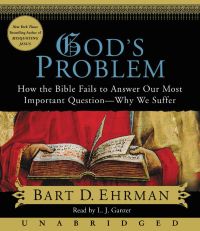
God's ProblemBart D. Ehrman10h 21m4.1 (8.4K)$29 · $0.00
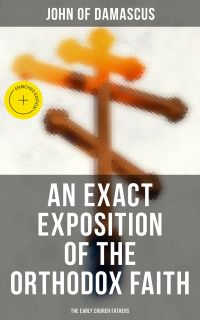
An Exact Exposition of the Orthodox Faith: The Early Church FathersJohn of Damascus11h 5m4.5 (611)$1.99 · $0.00
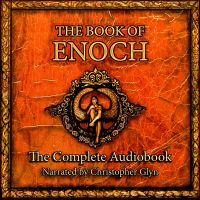
The Book Of EnochHebrew Apocalyptic4h 12m4.2 (6.8K)$9 · $0.00

The New TestamentAnonymous18h 40m4.4 (89.1K)$0.99 · $0.00
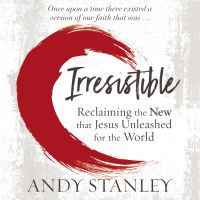
IrresistibleAndy Stanley8h 31m4.3 (4.5K)$27 · $0.00

The Pearl of Great PriceJoseph Smith Jr.3h 11m4.5 (10K)$1.99 · $0.00

The Book of RevelationClarence Larkin9h 59m4.5 (2.4K)$20 · $0.00
Oahspe: A New Bible (Annotated)John Ballou Newbrough70h 44m4.3 (478)$3.99 · $0.00

BibleVarious Authors69h 33m4.5 (509.6K)$1.99 · $0.00
The Book of EnochR. H. Charles5h 2m4.2 (12.8K)$4.60 · $0.00

C. S. LewisC. S. Lewis38h 55m4.7 (24.8K)$30
Iamblichus on the mysteries of the Egyptians, Chaldeans, and AssyriansIamblichus7h 1m4.1 (368)$1 · $0.00

White HorseEmanuel Swedenborg2h 2m4.0 (187)$11 · $0.00
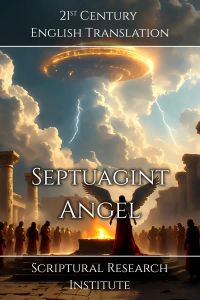
Septuagint - AngelScriptural Research Institute1h4.6 (11)$3.50 · $0.00
Apocalypse judaïque d'EsdrasInstitut de recherche scripturale3h$4.10 · $0.00

Biology versus TheologyJulian2h 49m$1 · $0.00
An Essay on the Scriptural Doctrine of ImmortalityJames Challis3h 17m$2 · $0.00

The state of the dead and the destiny of the wickedUriah Smith10h 15m$2 · $0.00
The Book of Revelation: A Complete Guide to the Apocalypse, Final Judgment, and the End of Days (Decoding the Seven Seals, Seven Trumpets, Antichrist, and the Final Battle)Jeffrey Jacob2h 54m$3.50 · $0.00