Saint Teresa of Ávila: Collected Works

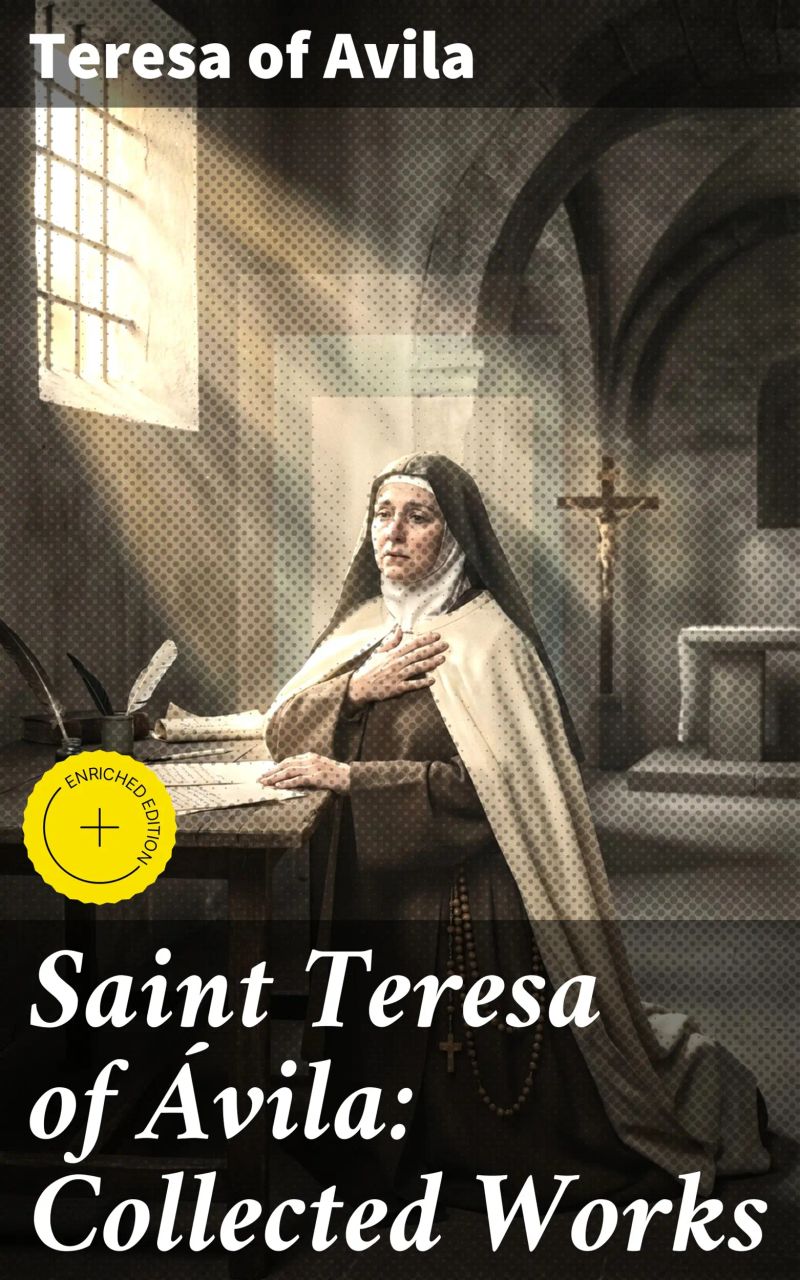
Saint Teresa of Ávila: Collected Works

Enriched edition. The Life of St. Teresa, The Interior Castle, Way of PerfectionBy Teresa of Avila
Michael Caine
Listen with Sir Michael Caine™ and 1,000+ voices
Length37h 16m

About this audiobook

In "Saint Teresa of √Åvila: Collected Works," Teresa presents a profound exploration of spiritual doctrine through her own life experiences and mystical visions. Composed during the 16th century, her writings illuminate the complexities of personal faith, prayer, and the arduous journey toward divine union. The collection is characterized by its plain yet eloquent style, marrying introspective depth with practical instruction, making her profound insights accessible to both the scholar and the lay reader. Teresa's work emerges from a rich theological context marked by the Counter-Reformation, where individual spirituality began to reclaim prominence against the backdrop of institutional dogma. Teresa of √Åvila (1515-1582) was a pivotal figure in the Carmelite reform movement and became one of the first female doctors of the Church. Drawing from her own struggles with health issues and spiritual challenges, her writings are deeply rooted in her experiences of grace and inner transformation. Teresa'Äôs unique blend of mysticism and practical spiritual guidance stems from her rigorous commitment to both asceticism and community-oriented living, reflecting her desire to foster genuine connections with the divine. I highly recommend "Saint Teresa of √Åvila: Collected Works" for those seeking to deepen their understanding of Christian mysticism and the transformative power of prayer. This collection not only informs the reader about the nature of spiritual life but also invites them to engage in their own quest for deeper faith, making it an invaluable resource for both contemplation and practical application. In this enriched edition, we have carefully created added value for your reading experience: - A comprehensive Introduction outlines these selected works' unifying features, themes, or stylistic evolutions. - The Author Biography highlights personal milestones and literary influences that shape the entire body of writing. - A Historical Context section situates the works in their broader era—social currents, cultural trends, and key events that underpin their creation. - A concise Synopsis (Selection) offers an accessible overview of the included texts, helping readers navigate plotlines and main ideas without revealing critical twists. - A unified Analysis examines recurring motifs and stylistic hallmarks across the collection, tying the stories together while spotlighting the different work's strengths. - Reflection questions inspire deeper contemplation of the author's overarching message, inviting readers to draw connections among different texts and relate them to modern contexts. - Lastly, our hand‐picked Memorable Quotes distill pivotal lines and turning points, serving as touchstones for the collection's central themes.

Audiobook details

GenreSpirituality and Religion
Length37 hrs 16 mins
Narrated byListen with 1,000+ voices
FormateBook with Audio
Publish dateDec 23, 2023
LanguageEnglish

Table of contents

1Introduction
73CHAPTER I.
2Author Biography
74CHAPTER II.
3Historical Context
75CHAPTER III.
4Synopsis (Selection)
76THE FIFTH MANSIONS
5Introduction to the Present Edition.
77CHAPTER I.
Show all chapters
6St. Teresa's Arguments of the Chapters.
78CHAPTER II.
7Preface by David Lewis.
79CHAPTER III.
8Annals of the Saint's Life.
80CHAPTER IV.
9The Life of the Holy Mother Teresa of Jesus.
81THE SIXTH MANSIONS
10Prologue.
82CHAPTER I.
11Chapter I.
83CHAPTER II.
12Chapter II.
84CHAPTER III.
13Chapter III.
85CHAPTER IV.
14Chapter IV.
86CHAPTER V.
15Chapter V.
87CHAPTER VI.
16Chapter VI.
88CHAPTER VII.
17Chapter VII.
89CHAPTER VIII.
18Chapter VIII.
90CHAPTER IX.
19Chapter IX.
91CHAPTER X.
20Chapter X.
92CHAPTER XI.
21Chapter XI.
93THE SEVENTH MANSIONS
22Chapter XII.
94CHAPTER I.
23Chapter XIII.
95CHAPTER II.
24Chapter XIV.
96CHAPTER III.
25Chapter XV.
97CHAPTER IV.
26Chapter XVI.
98PROTESTATIONS
27Chapter XVII.
99PROLOGUE
28Chapter XVIII.
100CHAPTER 1 Of the reason which moved me to found this convent in such strict observance.
29Chapter XIX.
101CHAPTER 2 Treats of how the necessities of the body should be disregarded and of the good that comes from poverty.
30Chapter XX.
102CHAPTER 3 Continues the subject begun in the first chapter and persuades the sisters to busy themselves constantly in beseeching God to help those who work for the Church. Ends with an exclamatory prayer.
31Chapter XXI.
103CHAPTER 4 Exhorts the nuns to keep their Rule and names three things which are important for the spiritual life. Describes the first of these three things, which is love of one’s neighbour, and speaks of the harm which can be done by individual friendships.
32Chapter XXII.
104CHAPTER 5 Continues speaking of confessors. Explains why it is important that they should be learned men.
33Chapter XXIII.
105CHAPTER 6 Returns to the subject of perfect love, already begun.
34Chapter XXIV.
106CHAPTER 7 Treats of the same subject of spiritual love and gives certain counsels for gaining it.
35Chapter XXV.
107CHAPTER 8 Treats of the great benefit of self-detachment, both interior and exterior, from all things created.
36Chapter XXVI.
108CHAPTER 9 Treats of the great blessing that shunning their relatives brings to those who have left the world and shows how by doing so they will find truer friends.
37Chapter XXVII.
109CHAPTER 10 Teaches that detachment from the things aforementioned is insufficient if we are not detached from our own selves and that this virtue and humility go together.
38Chapter XXVIII.
110CHAPTER 11 Continues to treat of mortification and describes how it may be attained in times of sickness.
39Chapter XXIX.
111CHAPTER 12 Teaches that the true lover of God must care little for life and honour.
40Chapter XXX.
112CHAPTER 13 Continues to treat of mortification and explains how one must renounce the world’s standards of wisdom in order to attain to true wisdom.
41Chapter XXXI.
113CHAPTER 14 Treats of the great importance of not professing anyone whose spirit is contrary to the things aforementioned.
42Chapter XXXII.
114CHAPTER 15 Treats of the great advantage which comes from our not excusing ourselves, even though we find we are unjustly condemned.
43Chapter XXXIII.
115CHAPTER 16 Describes the difference between perfection in the lives of contemplatives and in the lives of those who are content with mental prayer. Explains how it is sometimes possible for God to raise a distracted soul to perfect contemplation and the reason for this. This chapter and that which comes next are to be noted carefully.
44Chapter XXXIV.
116CHAPTER 17 How not all souls are fitted for contemplation and how some take long to attain it. True humility will walk happily along the road by which the Lord leads it.
45Chapter XXXV.
117CHAPTER 18 Continues the same subject and shows how much greater are the trials of contemplatives than those of actives. This chapter offers great consolation to actives.
46Chapter XXXVI.
118CHAPTER 19 Begins to treat of prayer. Addresses souls who cannot reason with the understanding.
47Chapter XXXVII.
119CHAPTER 20 Describes how, in one way or another, we never lack consolation on the road of prayer. Counsels the sisters to include this subject continually in their conversation.
48Chapter XXXVIII.
120CHAPTER 21 Describes the great importance of setting out upon the practice of prayer with firm resolution and of heeding no difficulties put in the way by the devil.
49Chapter XXXIX.
121CHAPTER 22 Explains the meaning of mental prayer.
50Chapter XL.
122CHAPTER 23 Describes the importance of not turning back when one has set out upon the way of prayer. Repeats how necessary it is to be resolute.
51The Relations.
123CHAPTER 24 Describes how vocal prayer may be practised with perfection and how closely allied it is to mental prayer.
52Relation II.
124CHAPTER 25 Describes the great gain which comes to a soul when it practises vocal prayer perfectly. Shows how God may raise it thence to things supernatural.
53Relation III.
125CHAPTER 26 Continues the description of a method for recollecting the thoughts. Describes means of doing this. This chapter is very profitable for those who are beginning prayer.
54Relation IV.
126CHAPTER 27 Describes the great love shown us by the Lord in the first words of the Paternoster and the great importance of our making no account of good birth if we truly desire to be the daughters of God.
55Relation V.
127CHAPTER 28 Describes the nature of the Prayer of Recollection and sets down some of the means by which we can make it a habit.
56Relation VI.
128CHAPTER 29 Continues to describe methods for achieving this Prayer of Recollection. Says what little account we should make of being favoured by our superiors.
57Relation VII.
129CHAPTER 30 Describes the importance of understanding what we ask for in prayer. Treats of these words in the Paternoster: “Sanctificetur nomen tuum, adveniat regnum tuum.” Applies them to the Prayer of Quiet, and begins the explanation of them.
58Relation VIII.
130CHAPTER 31 Continues the same subject. Explains what is meant by the Prayer of Quiet. Gives several counsels to those who experience it. This chapter is very noteworthy.
59Relation IX.
131CHAPTER 32 Expounds these words of the Paternoster: “Fiat voluntas tua sicut in coelo et in terra.” Describes how much is accomplished by those who repeat these words with full resolution and how well the Lord rewards them for it.
60Relation X.
132CHAPTER 33 Treats of our great need that the Lord should give us what we ask in these words of the Paternoster: “Panem nostrum quotidianum da nobis hodie.”
61Relation XI.
133CHAPTER 34 Continues the same subject. This is very suitable for reading after the reception of the Most Holy Sacrament.
62INTRODUCTION
134CHAPTER 35 Describes the recollection which should be practised after Communion. Concludes this subject with an exclamatory prayer to the Eternal Father.
63THE INTERIOR CASTLE OR THE MANSIONS
135CHAPTER 36 Treats of these words in the Paternoster: “Dimitte nobis debita nostra.”
64THE FIRST MANSIONS
136CHAPTER 37 Describes the excellence of this prayer called the Paternoster, and the many ways in which we shall find consolation in it.
65CHAPTER I.
137CHAPTER 38 Treats of the great need which we have to beseech the Eternal Father to grant us what we ask in these words: “Et ne nos inducas in tentationem, sed libera nos a malo.” Explains certain temptations. This chapter is noteworthy.
66CHAPTER II.
138CHAPTER 39 Continues the same subject and gives counsels concerning different kinds of temptation. Suggests two remedies by which we may be freed from temptations.
67THE SECOND MANSIONS
139CHAPTER 40 Describes how, by striving always to walk in the love and fear of God, we shall travel safely amid all these temptations.
68ONLY CHAPTER
140CHAPTER 41 Speaks of the fear of God and of how we must keep ourselves from venial sins.
69THE THIRD MANSIONS
141CHAPTER 42 Treats of these last words of the Paternoster: “Sed libera nos a malo. Amen.” “But deliver us from evil. Amen.”
70CHAPTER I.
142Analysis
71CHAPTER II.
143Reflection
72THE FOURTH MANSIONS
144Memorable Quotes

You may also like

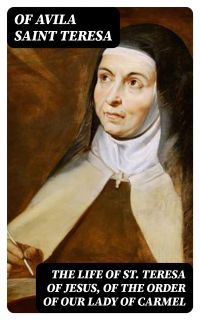
The Life of St. Teresa of Jesus, of the Order of Our Lady of Carmel
The Life of St. Teresa of Jesus, of the Order of Our Lady of CarmelOf Avila Saint Teresa18h 23m$2 · $0.00
God the Bestseller
God the BestsellerStephen Prothero12h 29m$29 · $0.00
Thoughts - Pensées
Thoughts - PenséesBlaise Pascal11h 25m$2.30

Quiet Talks on Power
Quiet Talks on PowerS. D. Gordon3h 48m$2 · $0.00
The Greatest Books of Spiritual Wisdom
The Greatest Books of Spiritual WisdomMartin Luther, John Stuart Mill, David Hume, James Allen, Ralph Waldo Emerson, Andrew Murray, Thomas Paine, Ludwig Feuerbach, G. K. Chesterton, Friedrich Nietzsche, Thomas à Kempis, Leo Tolstoy, Charles Spurgeon, Wallace D. Wattles, Prentice Mulford, St. Teresa of Ávila, Saint Augustine, Florence Scovel Shinn, H. Emilie Cady, Gregory of Nyssa, Pope Gregory I, Athanasius of Alexandria, Basil the Great, John of Damascus, Saint Thomas Aquinas, Brother Lawrence, Arthur Pink473h 33m$1 · $0.00
A Catechism and Confession of Faith: Quakers Doctrine
A Catechism and Confession of Faith: Quakers DoctrineRobert Barclay4h 31m$2 · $0.00
The Pursuit of Belief - Christian Classics Collection
The Pursuit of Belief - Christian Classics CollectionJohann Wolfgang von Goethe, Martin Luther, Henryk Sienkiewicz, Dante Alighieri, Henry Van Dyke, David Hume, James Allen, Ralph Waldo Emerson, Andrew Murray, John Bunyan, Grace Livingston Hill, Thomas Paine, Voltaire, Lew Wallace, John Milton, Charles M. Sheldon, Ludwig Feuerbach, G. K. Chesterton, Friedrich Nietzsche, Thomas à Kempis, Leo Tolstoy, Fyodor Dostoevsky, Prentice Mulford, St. Teresa of Ávila, Florence Scovel Shinn, H. Emilie Cady, Gregory of Nyssa, Pope Gregory I, Athanasius of Alexandria, Basil the Great, John of Damascus, Brother Lawrence, Arthur Pink, St. Thomas Aquinas, St. Augustine1159h 56m$1 · $0.00
On Christian Doctrine
On Christian DoctrineSaint Augustine9h 8m$2 · $0.00
The Path of Inner Light – 3 Classic Christ Consciousness Studies
The Path of Inner Light – 3 Classic Christ Consciousness StudiesLevi H. Dowling, Joseph Benner, Felix Adler19h 56m$2
An Apology for the True Christian Divinity
An Apology for the True Christian DivinityRobert Barclay24h 3m$2 · $0.00
The Divine Conspiracy
The Divine ConspiracyDallas Willard18h 3m$40 · $0.00
The Dialogue of Divine Providence (Summarized Edition)
The Dialogue of Divine Providence (Summarized Edition)Catherine of Siena3h 45m$2
Pascal's Pensées
Pascal's PenséesBlaise Pascal12h 15m$2 · $0.00
Women Who Wear Only Themselves
Women Who Wear Only ThemselvesArundhathi Subramaniam4h 46m$20 · $0.00
Unitarian Christianity
Unitarian ChristianityWilliam Ellery Channing2h 10m$2 · $0.00
Paths to Power (Religious Classic)
Paths to Power (Religious Classic)A. W. Tozer1h 54m$1 · $0.00
The Battles of Wisdom and Humility
The Battles of Wisdom and HumilityMartin Luther, John Stuart Mill, David Hume, James Allen, Ralph Waldo Emerson, Andrew Murray, Thomas Paine, Ludwig Feuerbach, G. K. Chesterton, Friedrich Nietzsche, Thomas à Kempis, Leo Tolstoy, Charles Spurgeon, Wallace D. Wattles, Prentice Mulford, St. Teresa of Ávila, Saint Augustine, Florence Scovel Shinn, H. Emilie Cady, Gregory of Nyssa, Pope Gregory I, Athanasius of Alexandria, Basil the Great, John of Damascus, Saint Thomas Aquinas, Brother Lawrence, Arthur Pink472h 37m$2 · $0.00
The Twelve Powers of Man
The Twelve Powers of ManCharles Fillmore4h 41m$1 · $0.00
My Religion
My ReligionLeo Tolstoy6h 53m$20
Humility: The Beauty of Holiness
Humility: The Beauty of HolinessAndrew Murray2h 8m$2 · $0.00